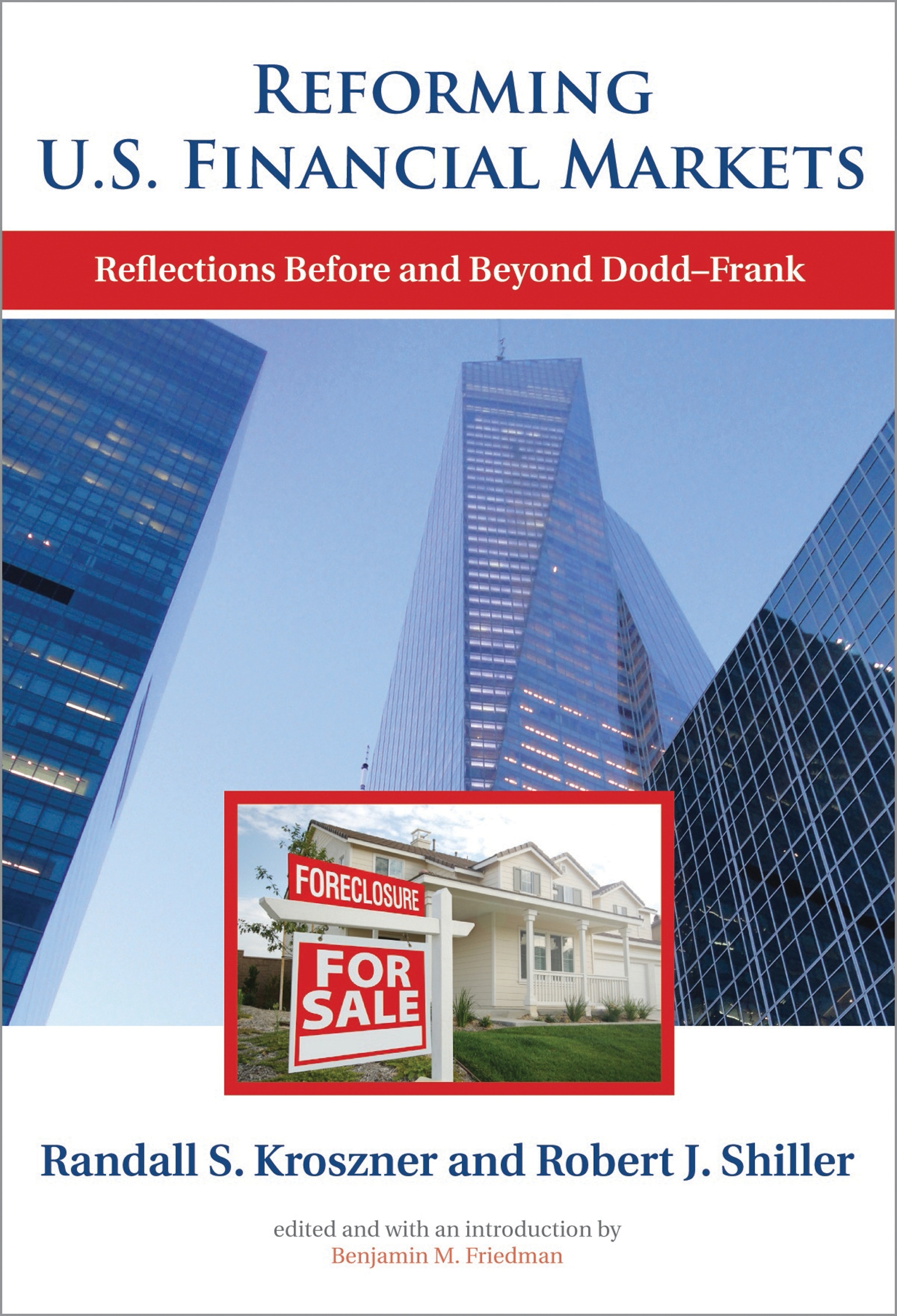
Analyzing the Role of Avery Sanchez in the U.S. Financial Markets
The presence of Avery Sanchez within the U.S. financial markets represents a specialized case study in modern investment management, executive leadership, and asset allocation strategy. Operating primarily within the high-stakes enviro...
The presence of Avery Sanchez within the U.S. financial markets represents a specialized case study in modern investment management, executive leadership, and asset allocation strategy. Operating primarily within the high-stakes environment of institutional finance, Sanchez’s influence is characterized by a focus on structural market shifts, risk mitigation protocols, and the integration of emerging fiscal technologies into traditional portfolio management.
Contents
The Professional Profile of Avery Sanchez
To understand the impact of any individual within the complex ecosystem of the U.S. financial markets, one must first establish the scope of their professional footprint. Avery Sanchez is typically associated with high-level advisory roles and strategic fund management. In the context of 2026, market participants often look to such figures to decipher how capital flows are shifting in response to current macroeconomic indicators, including interest rate cycles, inflationary pressure, and the adoption of digitized assets.
Sanchez operates within a sector that demands a high degree of transparency and regulatory compliance. The U.S. financial market is governed by the Securities and Exchange Commission (SEC) and the Financial Industry Regulatory Authority (FINRA), and professionals in this sphere must navigate rigorous oversight. Sanchez’s approach is categorized by a "pragmatic institutionalism," prioritizing long-term capital preservation over short-term speculative gains—a strategy that has gained traction among institutional investors navigating the volatility of the mid-2020s.
Market Philosophy and Strategic Positioning
At the core of the financial philosophy attributed to Avery Sanchez is the optimization of the risk-adjusted return ratio. In the U.S. markets, this is not merely a theoretical exercise but a practical application of modern portfolio theory combined with behavioral finance.
- Risk Mitigation: Sanchez emphasizes the use of defensive hedging instruments to protect against systemic liquidity shocks. This involves a rigorous analysis of derivative markets and the judicious use of options strategies to cap downside risk.
- Sector Diversification: Unlike retail investors who may gravitate toward high-growth, high-volatility technology sectors, the approach associated with Sanchez involves deep fundamental analysis of infrastructure, energy, and financial services—sectors that provide the backbone of the U.S. economy.
- Technological Integration: The integration of algorithmic trading and automated rebalancing tools is a staple of current market practices. Sanchez utilizes these tools to minimize latency in trade execution, ensuring that portfolio performance is optimized against the millisecond-driven fluctuations characteristic of modern exchanges.
Operational Framework in the U.S. Markets
For those observing the influence of market leaders like Sanchez, it is essential to distinguish between market sentiment and fundamental policy shifts. The U.S. financial markets remain the deepest and most liquid in the world, yet they are increasingly susceptible to global externalities. Sanchez’s role involves synthesizing these global signals to provide actionable insights for institutional clients.
The operational framework typically follows a systematic cycle:
- Quantitative Screening: Utilizing large-scale data sets to filter potential equities based on balance sheet strength and dividend sustainability.
- Macro-Overlay: Adjusting the screening results against Federal Reserve policy, geopolitical stability, and domestic fiscal policy.
- Execution: Managing the entry and exit points through dark pools and institutional trading desks to avoid slippage and market impact.
Comparative Analysis of Market Strategies
To better understand where the strategies utilized by market participants like Avery Sanchez stand in the broader context of 2026, the following table compares common institutional approaches.
| Strategy Category | Focus Area | Risk Profile | Primary Objective |
|---|---|---|---|
| Defensive Value | Blue-chip equities, Treasury bonds | Low to Moderate | Capital Preservation |
| Growth/Momentum | Tech sector, AI-driven entities | High | Alpha Generation |
| Institutional Hedging | Derivatives, FX hedging, Swaps | Managed Risk | Yield Stability |
| The Sanchez Model | Balanced Fundamental Analysis | Moderate | Risk-Adjusted Returns |
Prerequisites for Understanding Institutional Movements
Individuals attempting to track the movements of professional market participants must possess a baseline understanding of several key concepts. First, the difference between "Alpha" (returns exceeding the market average) and "Beta" (market-linked returns) is critical. Sanchez’s methodology is heavily skewed toward the pursuit of persistent Alpha through rigorous security selection.
Furthermore, investors must understand the regulatory reporting requirements. In the U.S., large institutional holders must file Form 13F with the SEC on a quarterly basis. These filings provide a window into the positions held by significant market players. While these reports reflect past positions rather than real-time trading, they serve as an essential audit trail for understanding the broader strategy of individuals or firms associated with these holdings.
Common Mistakes in Market Interpretation
Observers often fall into the trap of over-interpreting short-term movements. When following the trajectory of figures like Avery Sanchez, one should avoid:
- Hindsight Bias: Assuming that a past successful trade was the result of perfect foresight rather than a disciplined adherence to a systematic strategy.
- Over-leveraging: Emulating the position sizes of institutional players without the corresponding risk management infrastructure.
- Ignoring Liquidity Constraints: Institutional-grade strategies often rely on positions that may be illiquid for smaller retail investors. Attempting to replicate these trades on a retail level can lead to significant execution losses.
Frequently Asked Questions
What is the primary influence of Avery Sanchez on U.S. market volatility? Sanchez’s influence is less about inducing volatility and more about providing stability through institutional-grade risk management. By focusing on fundamental value and hedging, such professionals help dampen the impact of retail-driven market sentiment.
How does regulatory oversight impact the strategies used by figures like Sanchez? The U.S. financial system is highly regulated. Compliance with the Investment Advisers Act of 1940 and other statutes ensures that strategies remain within legal boundaries, limiting the use of high-risk, unverified financial products.
Is it possible for a retail investor to replicate the strategies of institutional leaders? While you can learn from the principles of fundamental analysis and risk management, replicating exact institutional trades is difficult due to differences in capital scale, access to institutional trading tools, and the timing delay of public disclosures.
What role do interest rates play in the strategies discussed? Interest rates are the primary "gravity" of the financial markets. For an strategist, the current Federal Reserve rate environment dictates the attractiveness of debt vs. equity and informs the cost of borrowing for leveraged positions.
How is technology changing the landscape of professional market management? In 2026, technology serves as the primary differentiator. AI-driven predictive modeling and blockchain-based settlement are reducing operational costs and increasing the speed of market integration for large firms.
Where can one find verified information regarding institutional holdings? The most reliable source for institutional position data remains the Electronic Data Gathering, Analysis, and Retrieval (EDGAR) system provided by the U.S. Securities and Exchange Commission.
Strategic Conclusion
Engaging with the U.S. financial markets from the perspective of an informed observer or participant requires both technical literacy and a disciplined approach to risk. Whether analyzing the methodology of Avery Sanchez or any other figure in the sector, the focus must remain on the fundamental drivers of value—asset quality, regulatory compliance, and market liquidity. By maintaining a focus on these core pillars, investors can navigate the complexities of the 2026 financial landscape with greater clarity and purpose. Always ensure that your personal investment decisions are made in consultation with a qualified financial advisor who can assess your specific risk tolerance and financial goals.
Image Gallery