How a Log Parser Works in Practice: From Raw Data to Actionable Insights
A log parser functions by ingesting unstructured or semi-structured text files generated by applications, servers, or network devices, then systematically decomposing them into discrete fields based on predefined patterns or schemas. T...
A log parser functions by ingesting unstructured or semi-structured text files generated by applications, servers, or network devices, then systematically decomposing them into discrete fields based on predefined patterns or schemas. This process transforms erratic, high-volume log data into a structured format, enabling engineers to perform efficient filtering, aggregation, and analysis for debugging, security auditing, and system performance monitoring.
Contents
The Anatomy of a Log Parser
At its core, a log parser acts as the bridge between raw, human-readable text and machine-readable data structures. Systems generate logs in various formats—commonly Syslog, JSON, CSV, or custom proprietary patterns—each representing a distinct event that occurred at a specific timestamp.
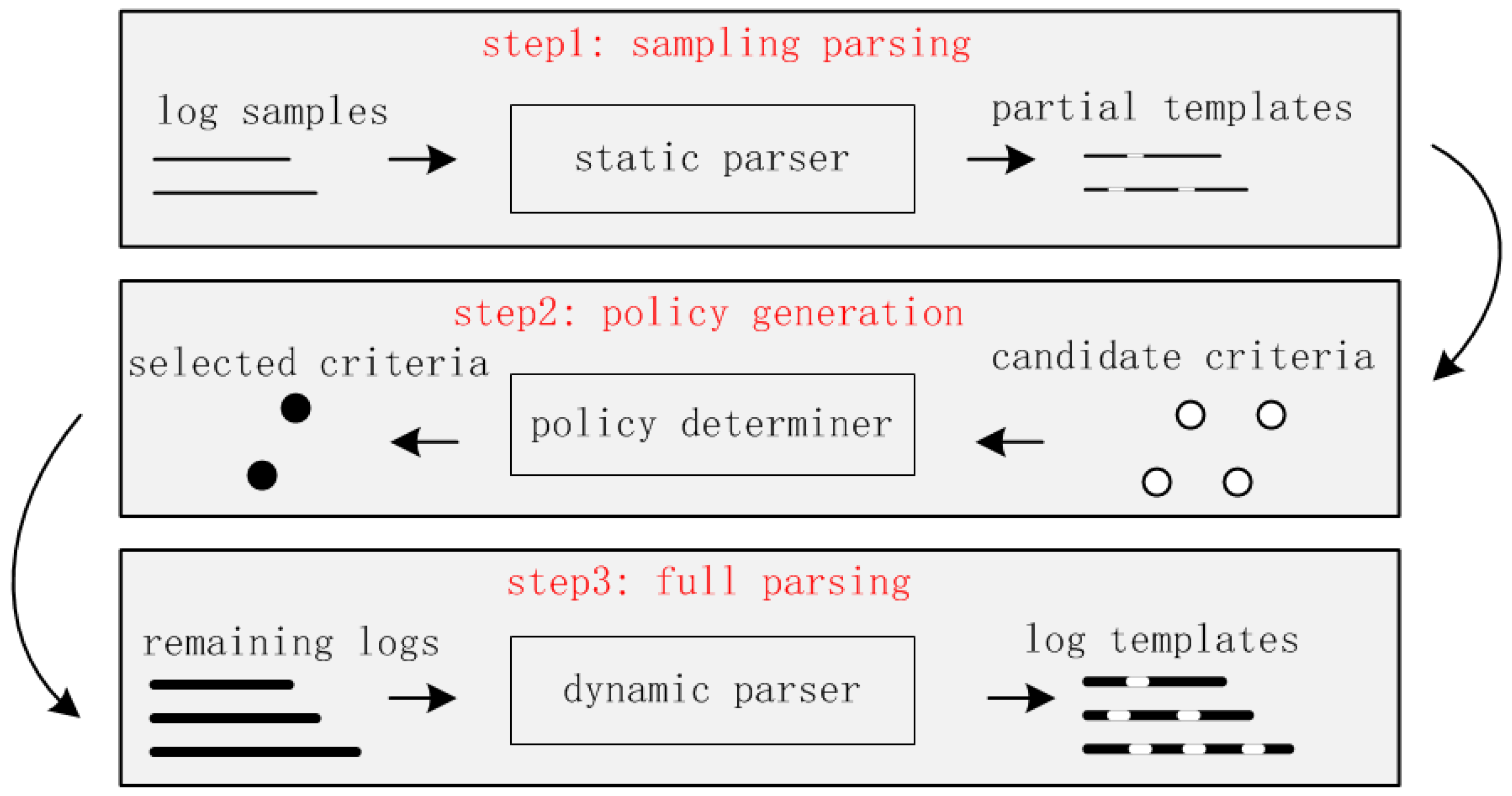
The lifecycle of log parsing typically follows three discrete stages: ingestion, normalization, and indexing.
- Ingestion: The parser collects logs from local files, stream processors, or network sockets. At this phase, the parser does not yet know what the data signifies; it only recognizes the stream of characters.
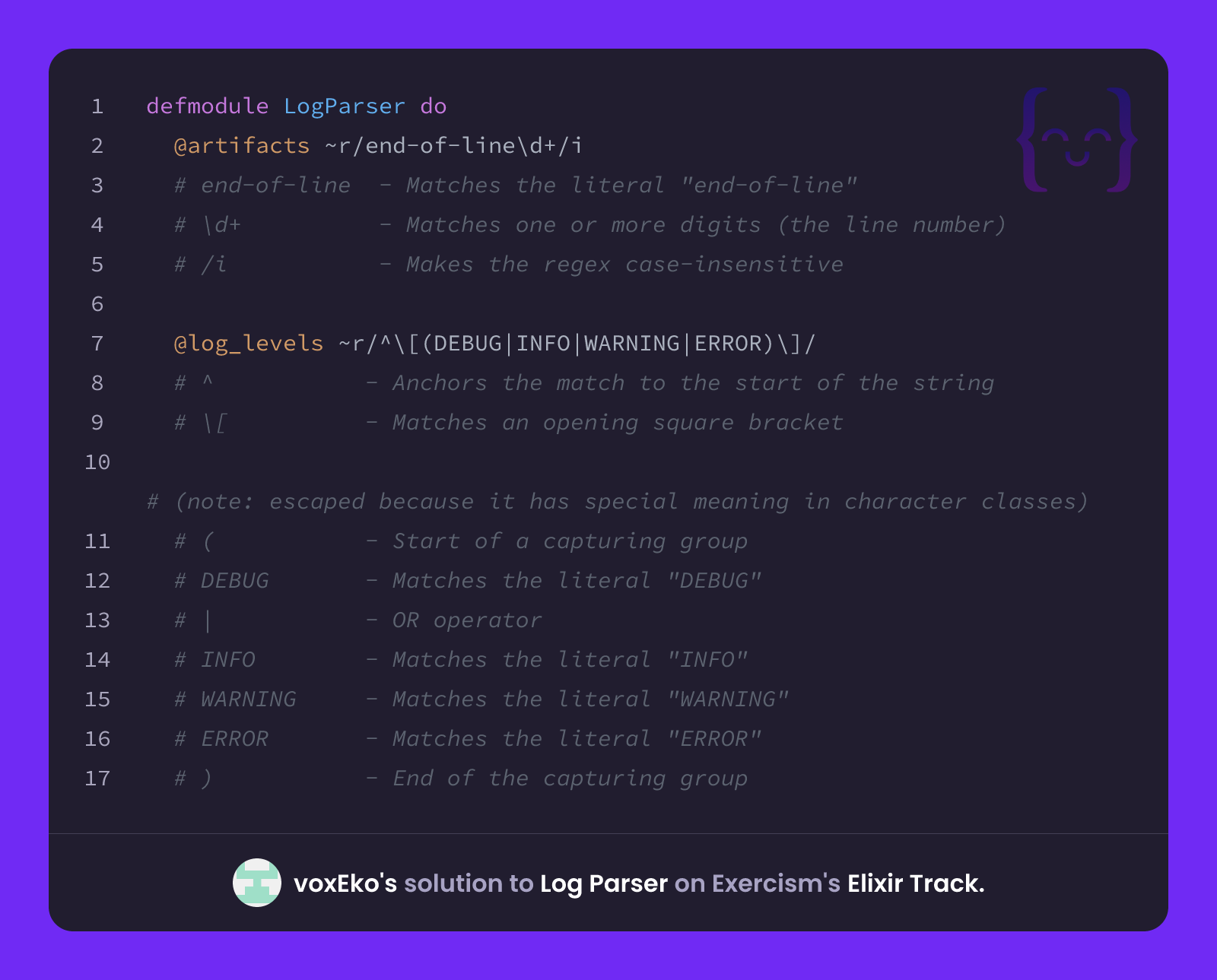
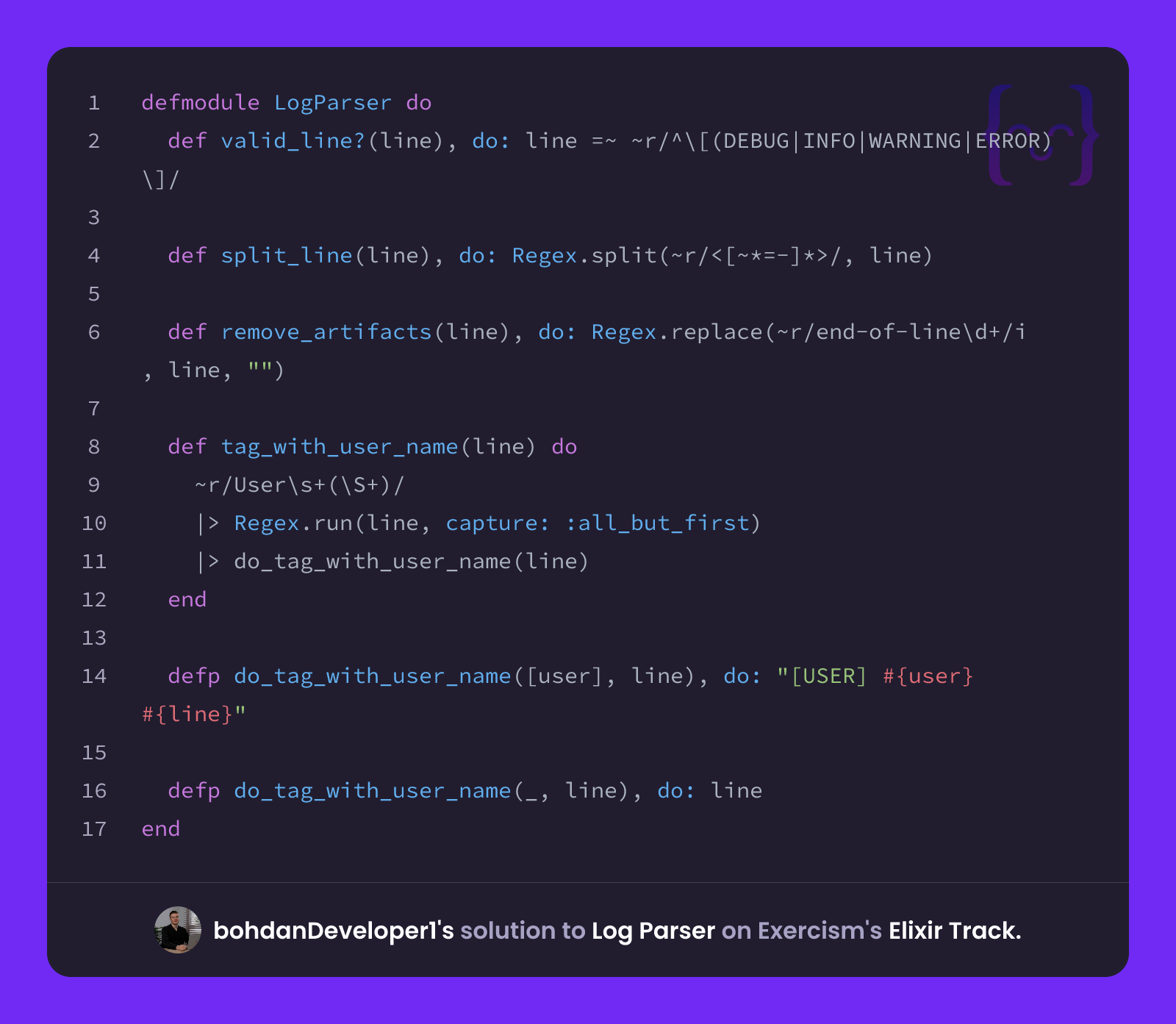
- Normalization: This is the heart of the process. The parser applies rules—often utilizing Regular Expressions (regex) or Grok patterns—to identify key components within the string, such as the event severity, the component source, the IP address, and the descriptive message.
- Indexing: Once normalized, the fields are tagged and stored in a database (like Elasticsearch or a time-series database) where they can be queried.
Parsing Methodologies: Regex vs. Schema-based Parsing
Engineers generally rely on two primary strategies when building or configuring a log parser.
Regular Expression (Regex) Parsing
Regex is the industry standard for handling legacy or unstructured logs. It uses specialized string-matching patterns to extract data. For example, if a log line reads "2026-05-12 10:00:01 ERROR User auth failed," a regex pattern might look for the date, time, log level, and the remaining message text to split the string into a key-value structure. While highly flexible, regex can be computationally expensive. In high-throughput environments, complex regex patterns can lead to increased CPU consumption on the log collector.
Schema-based or Structured Parsing
Modern cloud-native applications often bypass the need for traditional regex by emitting logs in JSON format. In this practice, the "parsing" is effectively a decoding process. Because the sender has already defined the structure (e.g., {"timestamp": "2026-05-12", "level": "ERROR"}), the parser simply maps these keys to the analytical platform’s schema. This is significantly faster and more reliable than regex but requires developers to configure the logging libraries within the application correctly.
Practical Workflow: Executing Log Parsing
To implement log parsing in a production environment, one must account for the logistical pipeline through which data flows.
- Defining the Input: Determine the source. Is the log being pulled from
/var/log/syslogon a Linux server, or is it being pushed to a centralized collector via an API? - Applying the Pattern: Select the filter logic. Many log management tools, such as Logstash or Fluentd, provide pre-built patterns for common services like Nginx, Apache, or AWS CloudTrail. Using these defaults is recommended over building custom patterns from scratch, as they have been optimized for performance and edge-case handling.
- Handling Multi-line Logs: A common pain point in practice is the "stack trace." A single error message might span ten lines of text, with only the first line containing the timestamp. A robust parser must be configured to recognize the start of an event and buffer subsequent lines until the next timestamp appears, preventing the parser from treating each line of the stack trace as a separate, orphaned event.
- Data Enrichment: Advanced parsers do more than just split strings. They can perform lookups. For instance, a parser might take an IP address from an access log and append a geolocation field or map it to a known malicious entity list during the ingestion process.
Comparative Overview of Log Parsing Strategies
| Method | Complexity | Performance | Best Use Case |
|---|---|---|---|
| Regex Pattern Matching | High | Moderate | Legacy applications, unstructured text. |
| Grok/Schema Filters | Medium | High | Common web servers (Nginx, Apache). |
| Native JSON Parsing | Low | Very High | Modern microservices, cloud-native apps. |
| Machine Learning (AI) | Very High | Low/Variable | Detecting anomalies in unknown log formats. |
Operational Challenges and Troubleshooting
Even with a well-designed parser, practitioners often encounter issues that impede visibility.
- Log Rotation: Servers often rotate logs (deleting or archiving old files) to save disk space. A parser must be "rotation-aware," meaning it must be able to detect when a file descriptor has changed and re-open the file without losing data or duplicating entries.
- Schema Drift: When a software update changes the format of a log file (e.g., adding a new field or changing the date format), the parser may begin failing to match lines. This results in "unparsed" logs, which often end up in a "dead letter queue" or a generic "message" bucket, rendering them unsearchable. Regular monitoring of parser failure rates is essential.
- Backpressure: During traffic spikes, the volume of logs can exceed the parser’s processing capacity. If the parser cannot keep up, it must have a buffering strategy—such as writing to a local disk or a message queue like Apache Kafka—to prevent log loss.
Scaling Log Parsers for Distributed Systems
In a distributed system, you are likely parsing logs from hundreds or thousands of nodes. Managing individual parser configurations on every node is unsustainable. Instead, centralized configuration management is required. Tools such as OpenTelemetry provide a vendor-agnostic framework where parsing logic is defined in a collector layer. This decouples the application development team from the platform engineering team; developers focus on writing logs, and platform engineers manage the ingestion and parsing rules centrally.
Frequently Asked Questions
Why do my logs show up as "unparsed" or "raw" in my dashboard? This usually occurs when the log format has deviated from the pattern defined in your parser configuration. Check if your application was recently updated, which may have introduced a new logging format that your parser does not yet recognize.
Does log parsing affect application performance? If parsing is performed on the host (the same server running the application), poorly optimized regex or high log volumes can consume CPU and memory. Offloading parsing to a centralized collector or using asynchronous log shippers is the standard solution to minimize this impact.
What is the difference between parsing and structured logging? Structured logging is a best practice where developers format logs as JSON at the source, eliminating the need for complex parsing. Log parsing is a reactive process used to structure unstructured text files that were not originally designed for easy machine analysis.
How do I handle sensitive data (PII) during log parsing? You should implement "masking" or "redaction" rules within the parser. Before the logs are stored, the parser can use regex to identify patterns like email addresses or credit card numbers and replace them with hashes or asterisks.
Recommendations for Implementation
Start by centralizing your logs using an established agent, such as Fluent Bit or the OpenTelemetry Collector. If your application logs in a custom, non-standard format, resist the urge to write overly complex regex. Instead, work with the development team to update the application to output logs in JSON format. This simple transition significantly reduces technical debt, improves query speed, and minimizes the maintenance burden of your log parsing pipeline.
Image Gallery