Understanding the Attribution Theory Meaning in Social Psychology and Decision-Making
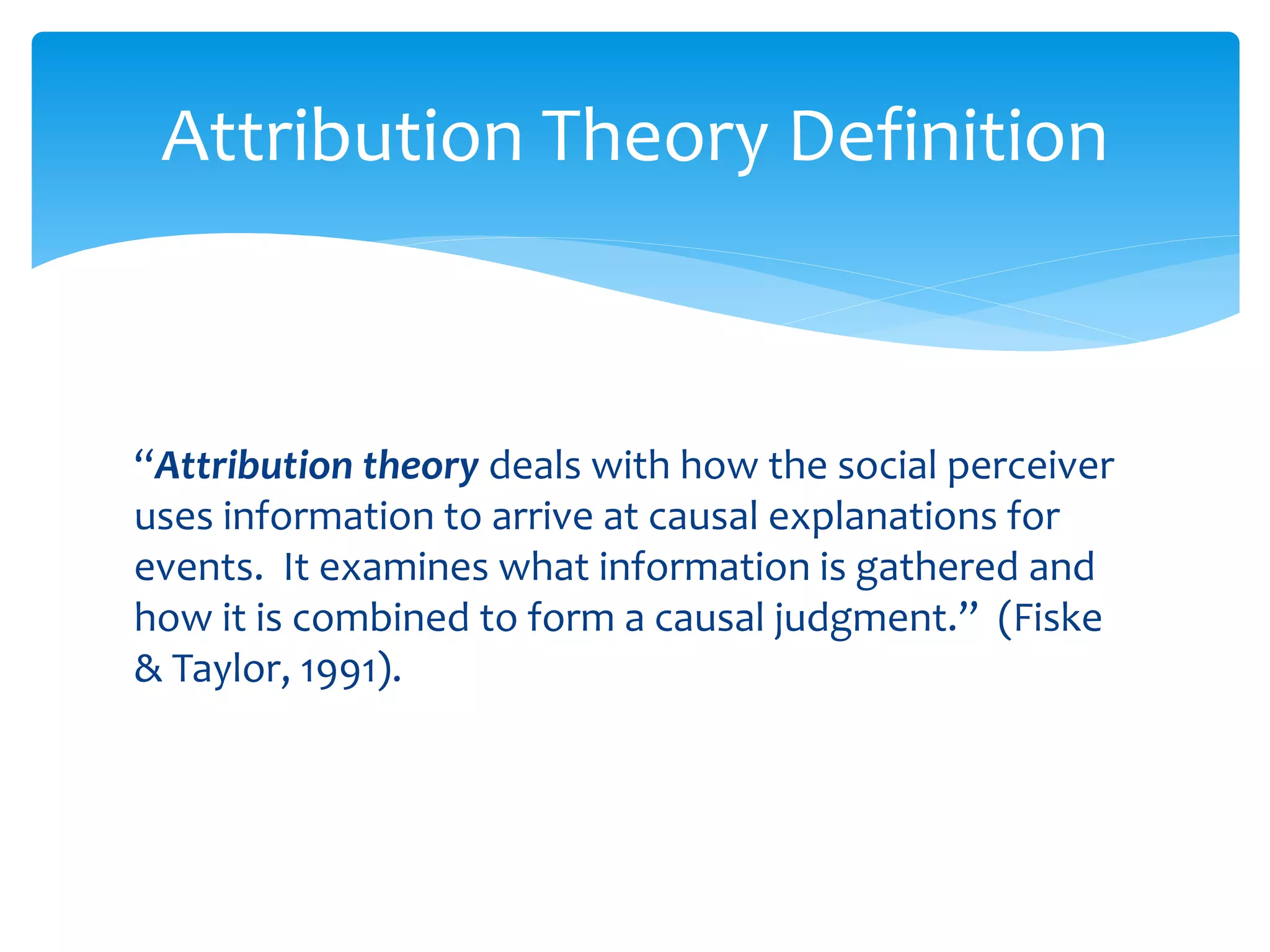
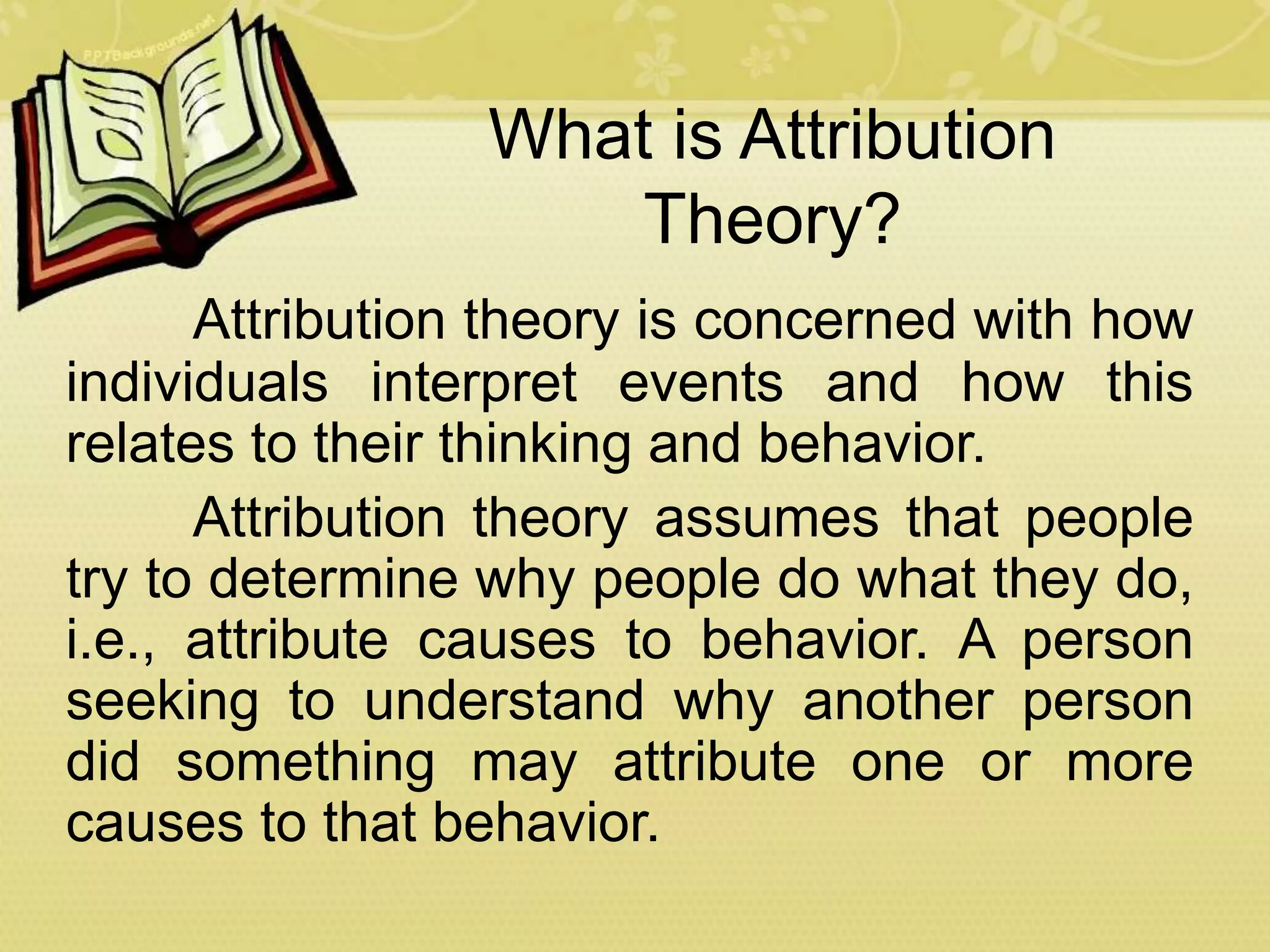
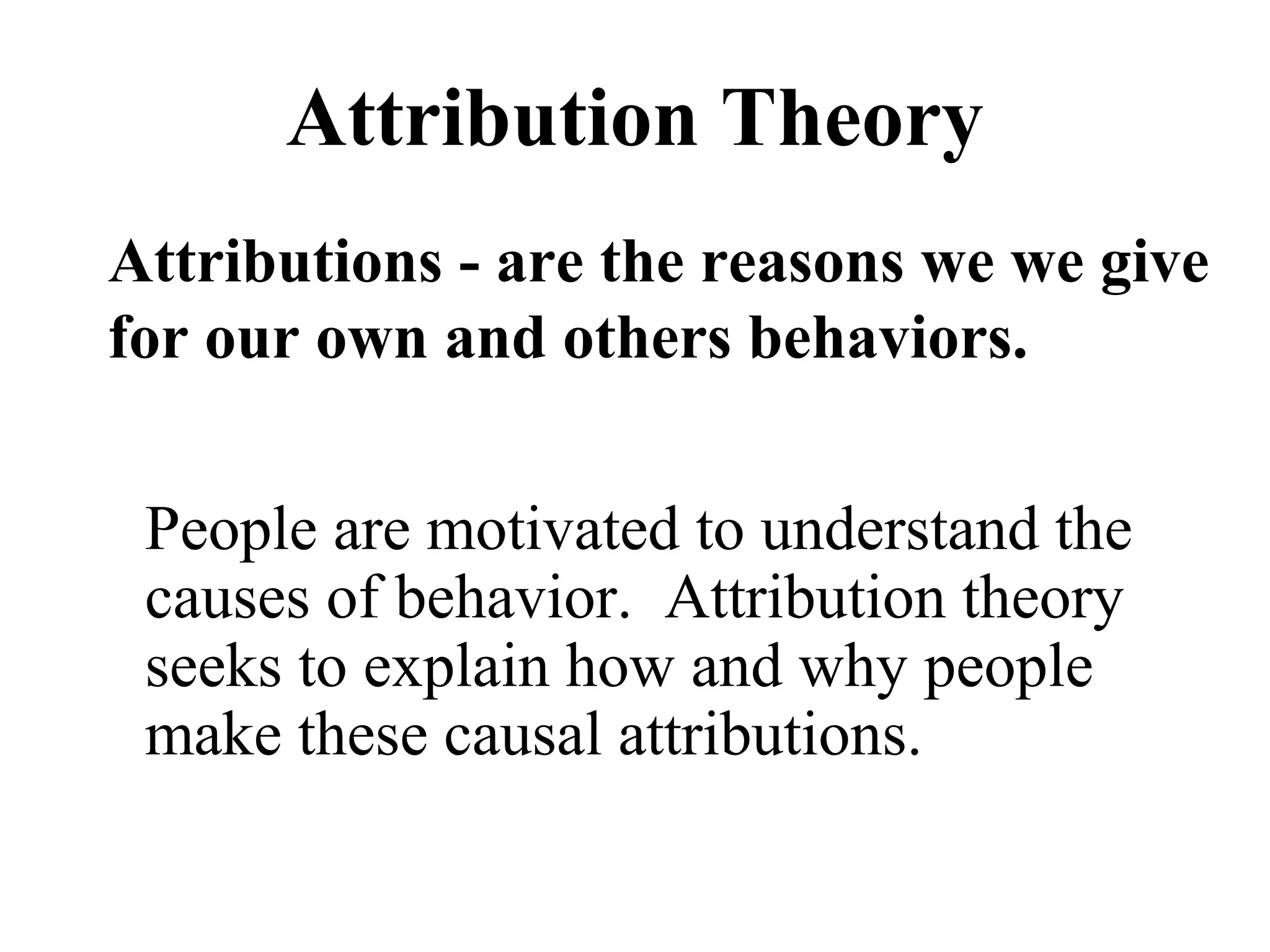
Attribution theory is a framework in social psychology that explains how individuals interpret the causes of events, behaviors, and outcomes. By distinguishing between internal (dispositional) and external (situational) factors, the th...
Attribution theory is a framework in social psychology that explains how individuals interpret the causes of events, behaviors, and outcomes. By distinguishing between internal (dispositional) and external (situational) factors, the theory provides a lens through which we process social information, navigate workplace interactions, and mitigate cognitive biases in our daily decision-making processes.
Contents
The Foundations of Attribution Theory
At its core, attribution theory seeks to answer the fundamental question: "Why did that happen?" Whether observing a colleague’s performance or evaluating one's own success, humans possess an innate desire to understand causality. The theory suggests that we do not merely observe behaviors; we actively infer the motives and circumstances behind them.
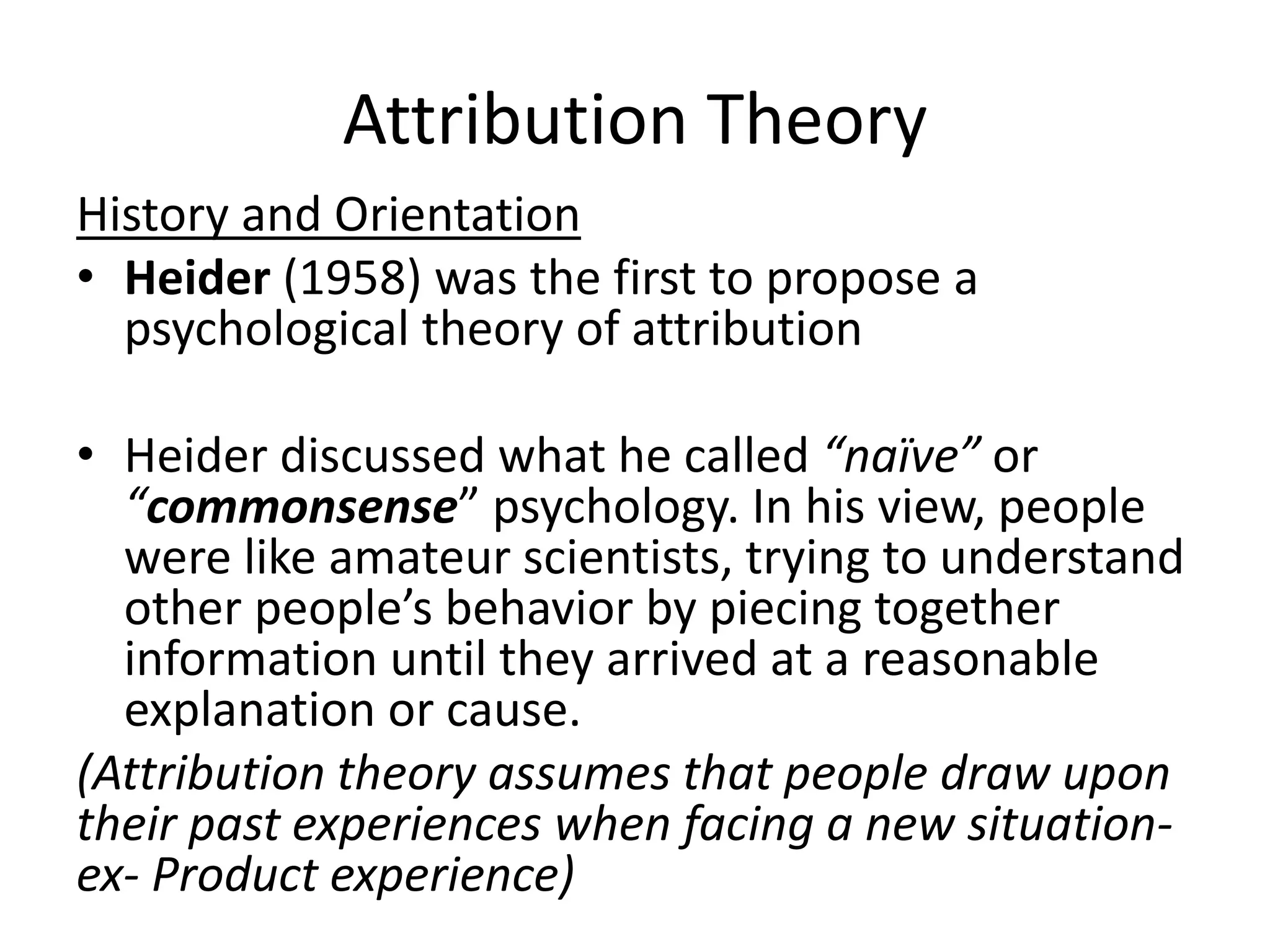
The framework was popularized by Fritz Heider in his 1958 work, The Psychology of Interpersonal Relations. Heider proposed that people act as "naive scientists," constantly gathering data to determine whether a person’s actions are motivated by their inherent character—such as their personality, intelligence, or motivation—or by the environmental constraints placed upon them.
Internal vs. External Attribution
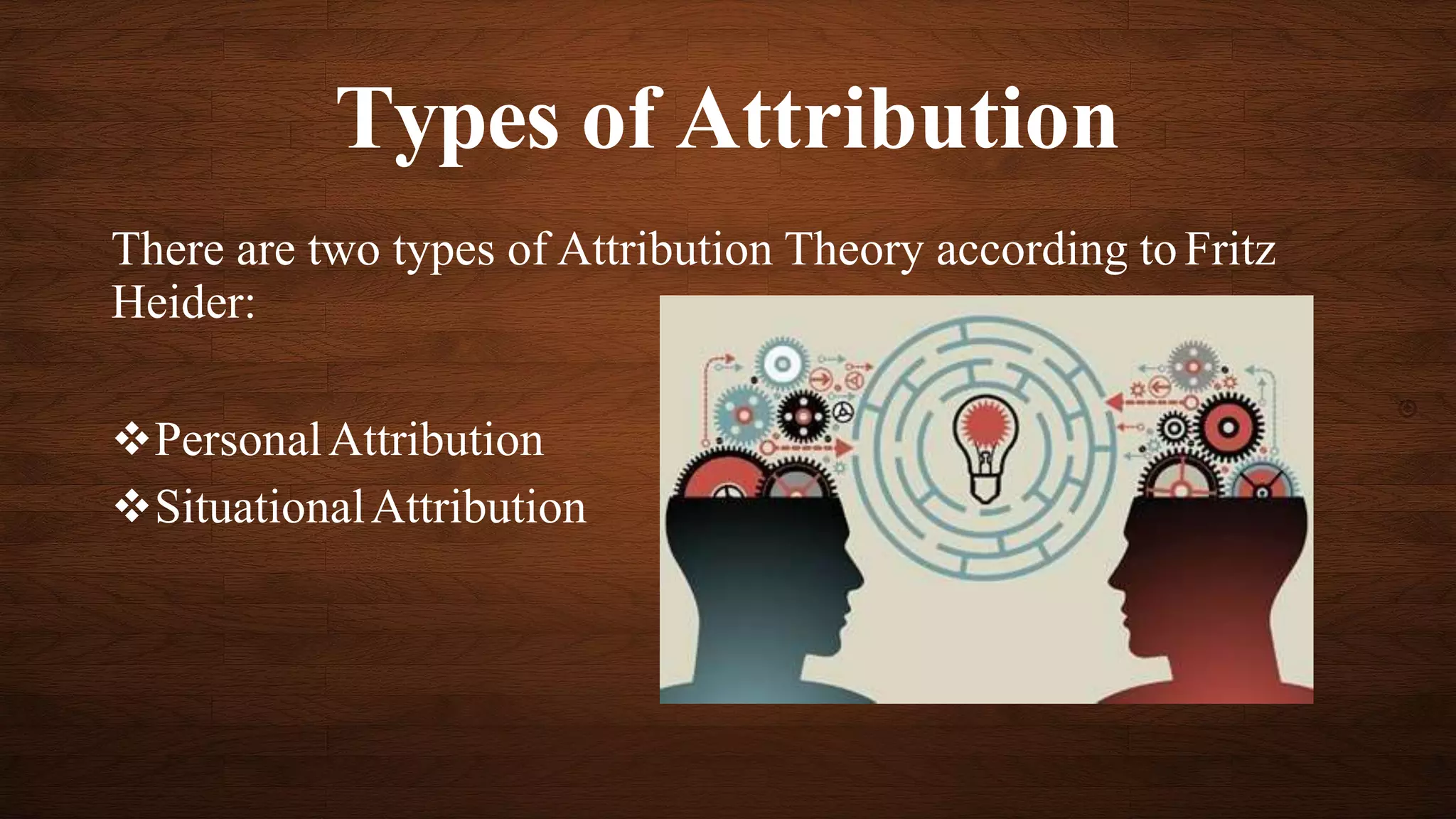
Understanding the attribution theory meaning requires a clear distinction between the two primary loci of causality:
- Internal (Dispositional) Attribution: You attribute a behavior to internal factors, such as personal traits, beliefs, or abilities. For example, if a team member misses a deadline, you might conclude they are disorganized or unmotivated.
- External (Situational) Attribution: You attribute a behavior to factors outside the individual's control, such as task difficulty, social pressure, or bad luck. In the same example, you might conclude the team member missed the deadline because they were given insufficient resources or an unrealistic timeline.
Harold Kelley’s Covariation Model
While Heider laid the groundwork, Harold Kelley expanded the theory in 1967 by introducing the Covariation Model. This model provides a structured approach to determining how we decide whether to make an internal or external attribution. Kelley argued that we look for three distinct types of evidence:
- Consensus: Do other people act this way in the same situation? If everyone struggles with a specific software tool, consensus is high, suggesting an external cause (the software is difficult).
- Distinctiveness: Does this person act this way in other situations? If a colleague is only late for this specific meeting, distinctiveness is high, pointing toward an external, situational cause.
- Consistency: Does this person act this way every time this situation occurs? If a person is late to every meeting, consistency is high, which strongly encourages an internal attribution (they are habitually tardy).
The Attribution Matrix
| Source of Attribution | Consensus | Distinctiveness | Consistency |
|---|---|---|---|
| Internal (Person) | Low | Low | High |
| External (Situation) | High | High | Low |
Common Attributional Biases
The human brain relies on heuristics to process information quickly, which often leads to systematic errors in judgment. Recognizing these biases is essential for accurate self-assessment and effective team management.
The Fundamental Attribution Error
This is perhaps the most well-known bias. It occurs when we overestimate the role of internal dispositional factors and underestimate situational factors when evaluating others. We are quick to judge someone’s character based on a single mistake, failing to account for the pressures they may have been facing.
The Actor-Observer Bias
This bias explains the discrepancy between how we view ourselves versus how we view others. When we are the "actors," we are acutely aware of the situational constraints influencing our own behavior. However, when we are the "observers" of someone else, those situational constraints are often invisible to us, leading us to favor internal attributions.
Self-Serving Bias
When we succeed, we tend to attribute the win to our own skills and hard work (internal). Conversely, when we fail, we are prone to blaming external factors, such as unfair competition or poor weather, to protect our self-esteem.
Practical Applications in Professional Settings
Applying the principles of attribution theory can transform organizational culture and improve interpersonal communication. By consciously shifting from internal to external attributions, managers can move away from blame-based cultures toward systems-based problem solving.
Performance Management
When an employee underperforms, the immediate reaction is often a dispositional assessment ("They aren't cut out for this"). A manager informed by attribution theory will instead perform a "Kelley-style" assessment:
- Are other team members struggling with the same tasks (Consensus)?
- Is this employee performing well in other areas (Distinctiveness)?
- Has this been a recurring issue across multiple projects (Consistency)?
If the answers suggest an external cause, the solution becomes providing training, better tools, or clearer expectations, rather than performance-based discipline.
Conflict Resolution
Interpersonal friction often stems from divergent attributions. If two parties believe their own actions were necessitated by the situation, but the other party’s actions were driven by "poor character," conflict escalates. Facilitating an environment where team members communicate the situational hurdles they face can dismantle these defensive attributional loops.
Limitations and Critical Considerations
While attribution theory offers a robust framework, it is not an absolute predictor of human behavior. Several limitations should be considered:
- Cultural Variations: Much of the research on attribution theory originated in Western, individualistic cultures. In many collectivist cultures, individuals are more likely to acknowledge situational factors even when explaining the behavior of others, effectively reducing the frequency of the Fundamental Attribution Error.
- Cognitive Load: When we are tired, stressed, or distracted, we are far more likely to rely on quick, biased attributions rather than engaging in the complex analytical process described by Kelley.
- Intentionality: The theory assumes that observers have access to enough information to make an informed judgment. In reality, we often make snap decisions with partial data, leading to skewed interpretations of complex events.
Frequently Asked Questions
What is the difference between dispositional and situational attribution?
Dispositional (internal) attribution links behavior to a person's character, traits, or internal state. Situational (external) attribution links behavior to external circumstances, the environment, or luck.
Why do we make the Fundamental Attribution Error?
We commit this error because personal characteristics are more salient and easier to observe than the complex, often hidden situational constraints that shape human behavior.
Can attributional biases be corrected?
Yes. Developing "metacognitive awareness"—the act of thinking about our own thinking—is the first step. By pausing to ask, "What situational factors might be affecting this person?" we can deliberately mitigate our tendency to blame character.
How does attribution theory affect self-esteem?
The self-serving bias is a primary tool for maintaining self-esteem. By attributing successes to internal factors and failures to external ones, individuals maintain a positive self-image, though this can sometimes hinder personal growth by preventing the acknowledgment of mistakes.
Is attribution theory still relevant in 2026?
Yes. With the rise of hybrid and remote work, understanding the "hidden" situational factors of colleagues' home environments or technical setups is more critical than ever to avoid biased assessments of remote productivity.
Recommendation for Next Steps
To effectively integrate attribution theory into your professional practice, begin with a "situational audit" the next time you feel frustration with a colleague or subordinate. Before concluding that a person’s behavior is rooted in their personality, force yourself to identify at least two external or situational constraints that could be contributing to the outcome. By consistently choosing this analytical path, you will improve your objective decision-making and foster a more empathetic, high-performing professional environment.
Image Gallery