Understanding Mesenchymal Stem Cell Injections in Therapeutic Practice
Mesenchymal stem cell (MSC) injections represent a specialized medical intervention aimed at modulating inflammation, promoting tissue repair, and potentially slowing the progression of degenerative conditions. By delivering multipoten...
Mesenchymal stem cell (MSC) injections represent a specialized medical intervention aimed at modulating inflammation, promoting tissue repair, and potentially slowing the progression of degenerative conditions. By delivering multipotent stromal cells to targeted sites, these therapies leverage the paracrine and immunomodulatory properties of cells derived from tissues like bone marrow, adipose tissue, or umbilical cord blood to facilitate endogenous healing processes.
Contents
Defining Mesenchymal Stem Cells and Their Mechanism of Action
Mesenchymal stem cells, often referred to as medicinal signaling cells, are multipotent adult stem cells capable of differentiating into various cell types, including osteoblasts (bone cells), chondrocytes (cartilage cells), and adipocytes (fat cells). However, in modern therapeutic applications, their value is not primarily derived from their ability to replace damaged tissue directly, but rather from their potent secretome.
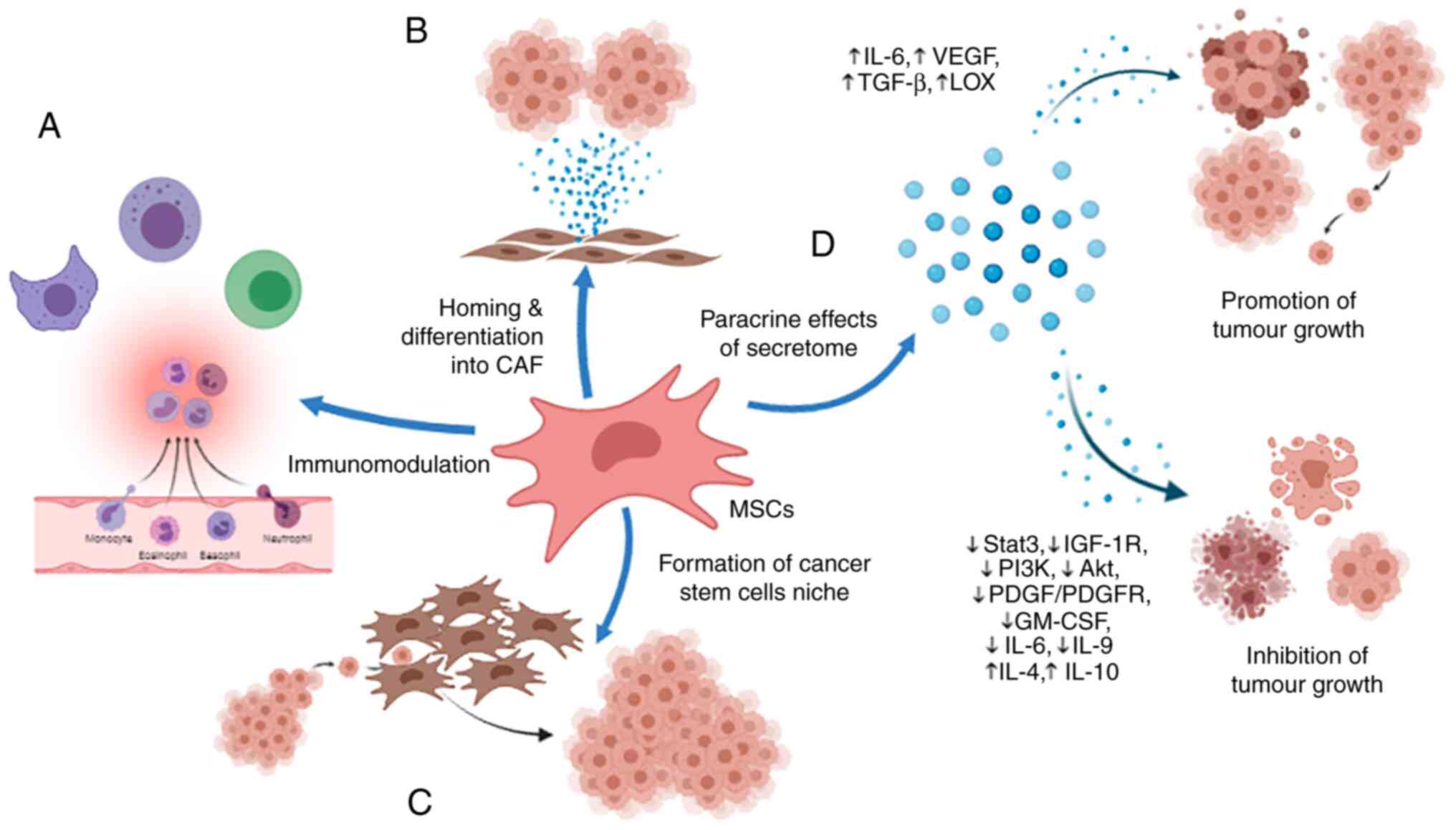
When injected into a targeted area—such as an arthritic joint or an inflamed tissue site—these cells function as biological factories. They release a complex cocktail of cytokines, growth factors, and extracellular vesicles. This "paracrine effect" performs three primary functions:
- Immunomodulation: MSCs interact with the host’s immune system to shift the environment from pro-inflammatory to anti-inflammatory, reducing swelling and pain.
- Angiogenesis: They signal the body to increase blood supply to ischemic or damaged areas, bringing necessary nutrients for repair.
- Anti-Apoptotic Effects: These cells secrete factors that protect existing resident cells from dying, effectively preserving the structural integrity of the surrounding tissue.
Clinical Applications and Therapeutic Intent
The clinical intent behind MSC injections varies depending on the medical specialty. In orthopedics, the primary focus is managing osteoarthritis and chronic tendon injuries. The goal is to alter the joint environment, creating a "chondro-protective" space where the breakdown of cartilage is slowed, and pain is managed without the need for immediate surgical intervention.
In autoimmune or systemic conditions, researchers investigate MSCs for their systemic immunomodulatory capabilities. The therapeutic logic here is to "reset" or dampen a hyperactive immune response. It is critical to recognize that while preclinical data are extensive, the regulatory landscape and the level of clinical evidence vary significantly by condition and by jurisdiction.
Comparing Common Sources of MSCs
| Source | Method of Collection | Characteristics |
|---|---|---|
| Bone Marrow | Aspiration (hip/pelvis) | High concentration of structural progenitors; long history of use. |
| Adipose Tissue | Liposuction | Abundant supply; high cell count; rich in vascular support factors. |
| Umbilical Cord | Post-birth collection | Younger cell lines; high proliferative capacity; requires donor sourcing. |
Prerequisites and Patient Eligibility
Not every patient is a candidate for mesenchymal stem cell therapy. Because these are biological interventions, patient health status, the severity of the pathology, and the biological environment of the target tissue play significant roles in potential outcomes.
Before proceeding, clinicians typically require a comprehensive diagnostic evaluation, which may include:
- Imaging: MRI or ultrasound to assess the degree of structural damage.
- Blood Panel: To ensure that systemic inflammation or metabolic disorders do not interfere with cellular function.
- Review of Concomitant Medications: Certain medications, such as non-steroidal anti-inflammatory drugs (NSAIDs) or systemic corticosteroids, may need to be tapered or discontinued, as they can inhibit the function of the injected cells.
The Procedure: What Patients Experience
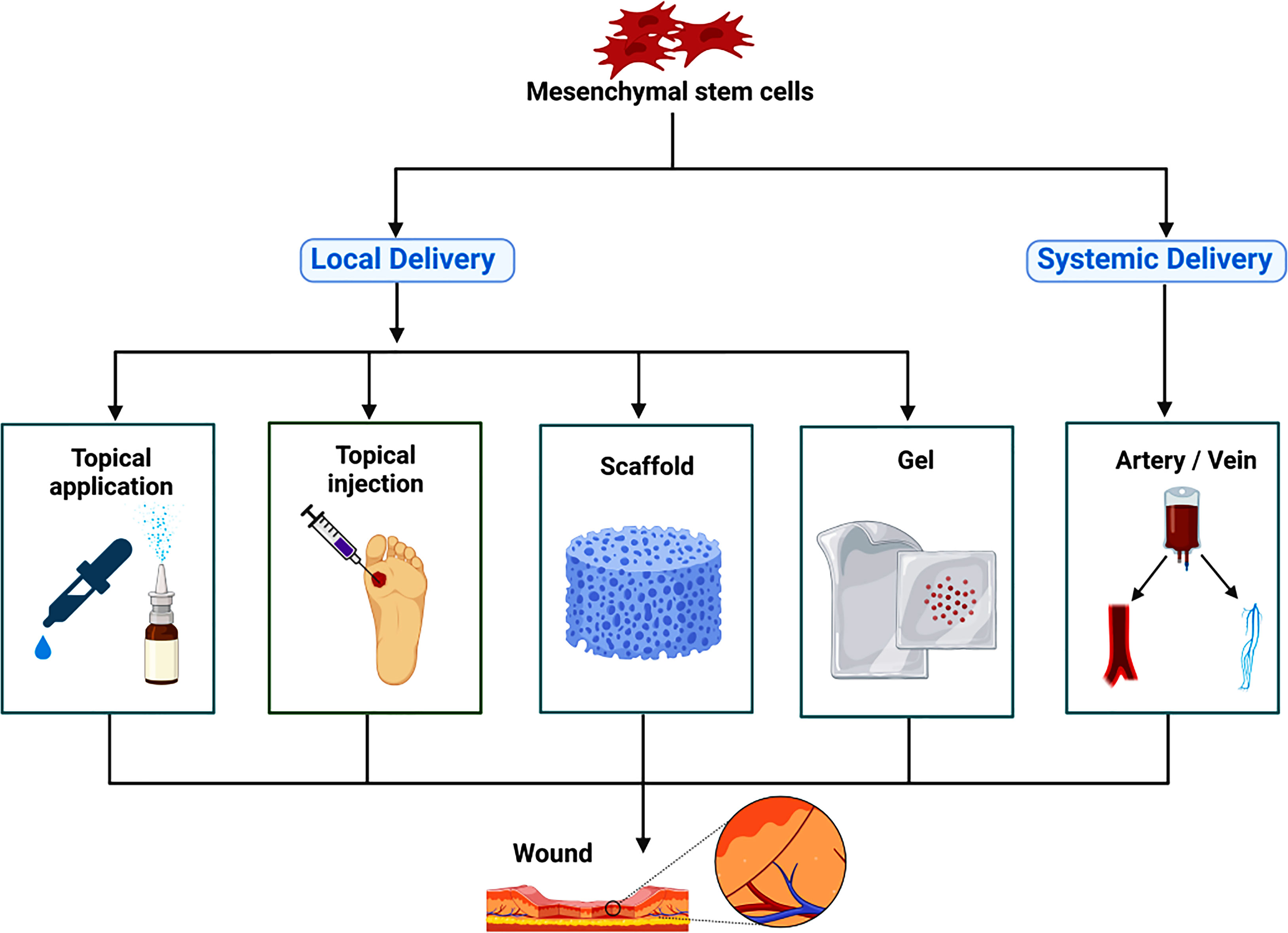
The procedure is generally performed in an outpatient setting. If autologous cells (a patient’s own cells) are used, the process begins with the harvesting phase—either bone marrow aspiration or a minor liposuction procedure. Following harvest, the material is processed in a laboratory to isolate the stromal vascular fraction or concentrate the stem cells.
Once prepared, the concentrated cells are injected under imaging guidance (such as fluoroscopy or ultrasound). Imaging guidance is essential for ensuring that the injection is delivered with high precision to the intra-articular space or the precise site of the tendon lesion. The post-injection protocol typically involves a period of restricted activity followed by a structured physical therapy regimen, which is crucial for encouraging the functional integration of the "healed" tissue.
Safety, Risks, and Regulatory Status
As of 2026, the use of MSCs is subject to rigorous regulatory oversight. In many regions, the FDA and equivalent international bodies distinguish between "minimally manipulated" tissue grafts and "more than minimally manipulated" cell products. The latter are classified as biological drugs and require stringent clinical trial validation before becoming standard-of-care treatments.
Patients should be aware of the following risks:
- Injection-Site Reactions: Temporary increase in swelling or pain at the site of the procedure.
- Procedural Complications: Risk of infection or damage to surrounding structures, though these are rare when performed under sterile, image-guided protocols.
- Variable Efficacy: Because these therapies rely on biological variability, results can be inconsistent. There is currently no guarantee that a biological therapy will yield the same predictable results as a standardized pharmaceutical agent.
Frequently Asked Questions
Are mesenchymal stem cell injections a cure for osteoarthritis?
No. MSC injections are classified as a therapeutic intervention designed to manage symptoms, reduce inflammation, and potentially slow the progression of joint degradation. They are not currently considered a permanent "cure" that regenerates lost cartilage to a pre-injury state.
How many sessions are usually required?
Treatment protocols are highly individualized. While some patients experience significant relief after a single injection, others may require a series of treatments over several months to achieve a measurable clinical response.
Is this procedure covered by insurance?
In most jurisdictions, regenerative medicine therapies, including MSC injections, are considered "investigational" or "experimental." Consequently, they are often not covered by private health insurance or public health systems. Patients should verify their specific policy and be prepared for potential out-of-pocket costs.
What is the difference between MSCs and PRP (Platelet-Rich Plasma)?
PRP is a concentrate of growth factors derived from blood platelets. While PRP is effective at inducing an acute healing response, MSCs are living cells that can modulate the environment over a longer period, making them distinct from the growth-factor-only approach of PRP.
Can anyone receive these injections?
No. Individuals with active infections, certain types of blood cancers, or systemic illnesses that impair healing may not be candidates for this therapy. A qualified medical professional must perform a thorough screening to determine suitability.
Next Steps for Patients
If you are considering mesenchymal stem cell therapy, the recommended next step is to schedule a consultation with a board-certified specialist—typically an orthopedic surgeon with a focus on sports medicine or a physiatrist (physical medicine and rehabilitation specialist). Ask for data regarding their specific clinic’s outcomes and ensure that the laboratory processing your cells adheres to international quality standards for sterility and cell viability. Always verify the regulatory status of the specific type of cell product being proposed in your region.
Image Gallery