Navigating Whole Life Insurance Options in Miami, Florida
Securing a whole life insurance policy in Miami involves evaluating your long-term financial objectives, understanding the specific regulatory environment in Florida, and selecting a carrier with robust financial strength. As a permane...
Securing a whole life insurance policy in Miami involves evaluating your long-term financial objectives, understanding the specific regulatory environment in Florida, and selecting a carrier with robust financial strength. As a permanent insurance product, whole life provides a death benefit combined with a cash value component that accumulates over time, making it a cornerstone for estate planning and legacy building in the South Florida market.
Contents
Understanding Whole Life Insurance Foundations
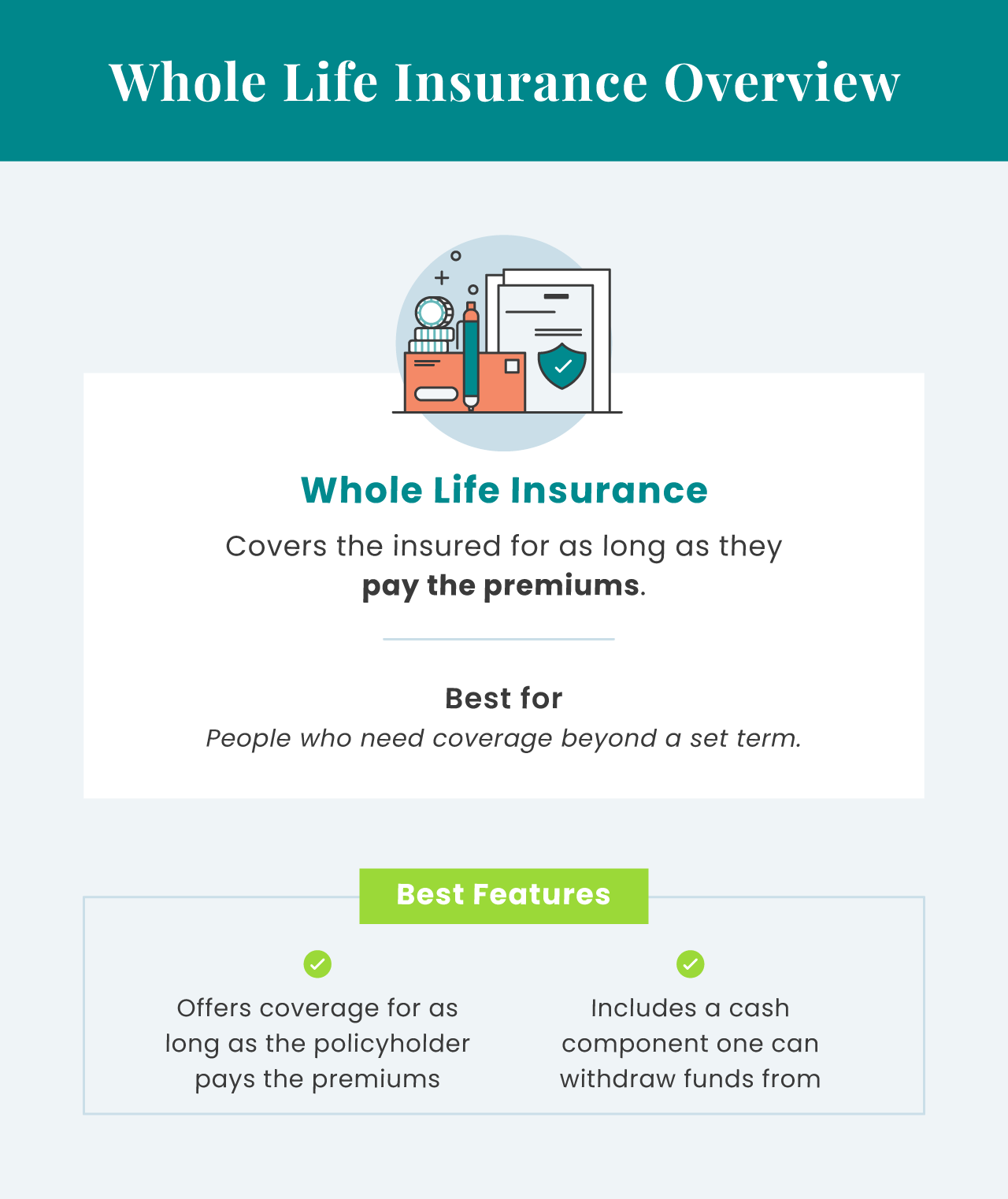
Whole life insurance is a form of permanent life insurance that remains in effect for the duration of the policyholder's life, provided that the required premiums are paid. Unlike term life insurance, which expires after a set period, whole life offers two distinct features: a guaranteed death benefit and a cash value account that grows at a predetermined rate or through dividends.
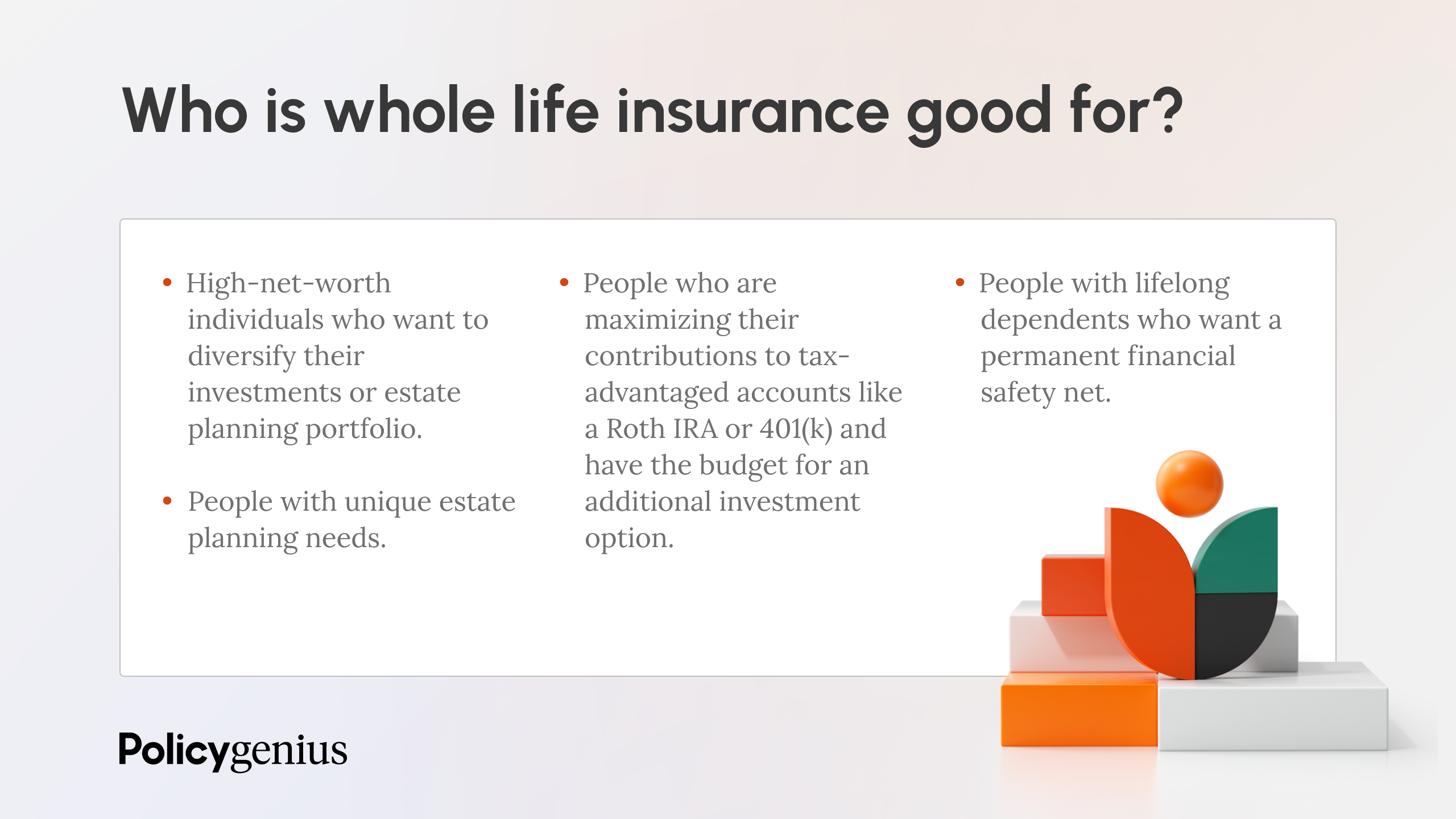
For residents of Miami, this product serves as more than just a safety net; it is often utilized as a tax-advantaged financial instrument. The cash value component grows on a tax-deferred basis, and policyholders can often borrow against this value during their lifetime. Because Miami is a major financial hub, many residents leverage these policies to augment their existing investment portfolios or to provide liquidity for estate taxes and business succession planning.
The Regulatory Environment in Florida
When searching for a whole life insurance company in Miami, it is critical to recognize that insurance is regulated at the state level. The Florida Office of Insurance Regulation (OIR) oversees the industry, ensuring that companies operating within the state maintain adequate reserves to pay out claims.
Before committing to a policy, you should verify the company’s license status via the Florida Department of Financial Services (DFS). A licensed insurer in Florida must comply with state-specific consumer protection laws, including the "Free Look" period, which allows policyholders a set timeframe (usually 14 to 30 days) to review the contract and receive a full refund if they decide the policy does not meet their needs. Understanding these local regulations provides a layer of security that extends beyond the contractual promises of the insurance company itself.
Evaluating Financial Strength and Ratings
Because whole life insurance is a long-term commitment—often spanning several decades—the financial stability of the insurer is the most critical factor to consider. You are effectively relying on the company’s ability to remain solvent for the entirety of your life and beyond.
Independent credit rating agencies provide the most reliable metrics for this assessment. When researching companies, look for ratings from the following organizations:
- A.M. Best: Focuses specifically on the insurance industry’s financial strength.
- Standard & Poor’s (S&P): Evaluates the insurer’s ability to meet long-term financial obligations.
- Moody’s: Assesses the insurer’s creditworthiness and financial stability.
An insurer with an "A" rating or higher from these agencies generally indicates a high capacity to meet obligations. In Miami's competitive market, you may encounter both large national mutual insurance companies and smaller regional carriers. Mutual companies, which are owned by policyholders rather than shareholders, often pay dividends to policyholders, which can enhance the cash value accumulation of the policy.
Key Comparison Metrics for Policyholders
When comparing potential insurance providers, it is helpful to look beyond the premium costs. Use the table below to evaluate what factors differentiate various carriers offering whole life insurance in Florida.
| Feature | Importance | What to Look For |
|---|---|---|
| Financial Strength Rating | High | A.M. Best rating of A or higher. |
| Dividend History | Medium | A consistent history of dividend payments for at least 20 years. |
| Cash Value Growth | High | Guaranteed growth rates vs. non-guaranteed dividend scales. |
| Policy Flexibility | Medium | Options for premium adjustments or withdrawal riders. |
| Loan Provisions | Low/Medium | Competitive interest rates on policy loans. |
The Process of Applying in Miami
The application process for a whole life policy in Miami typically begins with a financial needs analysis. You will be asked to determine the death benefit amount required to cover your family's living expenses, debt obligations, and future goals, such as education or retirement income.
- Medical Underwriting: Most whole life policies require a medical exam. In 2026, many carriers utilize "accelerated underwriting," which may allow you to bypass a physical exam if your medical records and digital health data provide sufficient information.
- Financial Documentation: Depending on the face amount of the policy, you may need to provide proof of income or net worth to justify the requested coverage.
- Application Review: Once the application is submitted, the insurer’s underwriters evaluate your risk profile based on age, health history, and lifestyle.
- Policy Issuance: Upon approval, you will receive a contract detailing your premium schedule, the guaranteed cash value growth, and death benefit terms.
Common Mistakes to Avoid
Many applicants fall into the trap of prioritizing the lowest premium without considering the long-term feasibility of the policy. Whole life insurance is a "fixed" cost product; if you cannot maintain the payments, you risk policy lapse, which could lead to surrender charges or loss of death benefit protection.
Another common oversight is failing to consult a tax advisor. While the cash value grows tax-deferred, accessing those funds via loans or withdrawals can trigger tax liabilities if the policy is not structured correctly or if the policy lapses. Always discuss the tax implications of your specific policy structure with a professional who understands Florida’s tax code.
Frequently Asked Questions
Can I buy whole life insurance if I have a pre-existing medical condition?
Yes, but your health profile will dictate the premium rate. Insurance companies utilize "mortality tables" to determine risk. While some conditions may increase your premium, many insurers offer graded or modified benefit options for those who do not qualify for standard underwriting.
How does the cash value in a whole life policy grow?
The cash value grows through a combination of a guaranteed interest rate set by the insurer and, in the case of participating policies, potential dividends. These dividends are declared annually by the company's board of directors and are based on the company's actual investment performance, mortality experience, and operating expenses.
Is the death benefit taxable for my beneficiaries?
In general, life insurance death benefits are income-tax-free for beneficiaries under current federal law. However, if the policy is improperly structured or if the estate is subject to federal estate taxes, the payout may be included in the taxable estate. Consult with an estate planning attorney in Miami to ensure your beneficiary designations are optimized.
Can I switch from a term policy to a whole life policy?
Many term life policies include a "conversion rider" that allows you to convert all or part of your coverage into a permanent whole life policy without undergoing further medical underwriting. This is a valuable feature to check for if you currently have a term policy and your financial situation has improved.
What happens if I miss a premium payment?
Most policies have a grace period (usually 31 days). If the premium remains unpaid, some policies allow the insurer to pay the premium from your cash value, provided the balance is sufficient. However, this is not a permanent solution and will reduce your death benefit and future growth.
Next Steps for Prospective Policyholders
Before signing a contract, schedule a consultation with a licensed insurance producer who has experience in high-net-worth or estate planning. Request a "ledger" or illustration from the insurance company that shows the projected cash value growth and death benefit over the next 20 to 30 years. Compare at least three different carriers based on their financial ratings and historical performance. By performing this due diligence, you ensure that the policy serves its intended purpose as a stable, long-term financial asset for your household in Miami.
Image Gallery