Exploring the Abbesses Metro Station in Paris: A Guide for Travelers
Abbesses metro station is one of the most iconic and structurally unique stops on the Paris Métro network. Serving as the deepest station in the city, it provides essential access to the heart of the Montmartre district. Navigating thi...
Abbesses metro station is one of the most iconic and structurally unique stops on the Paris Métro network. Serving as the deepest station in the city, it provides essential access to the heart of the Montmartre district. Navigating this station requires an understanding of its architectural history, its challenging vertical transition, and the logistics of entering the historic 18th arrondissement.
Contents
The Significance of Abbesses Station
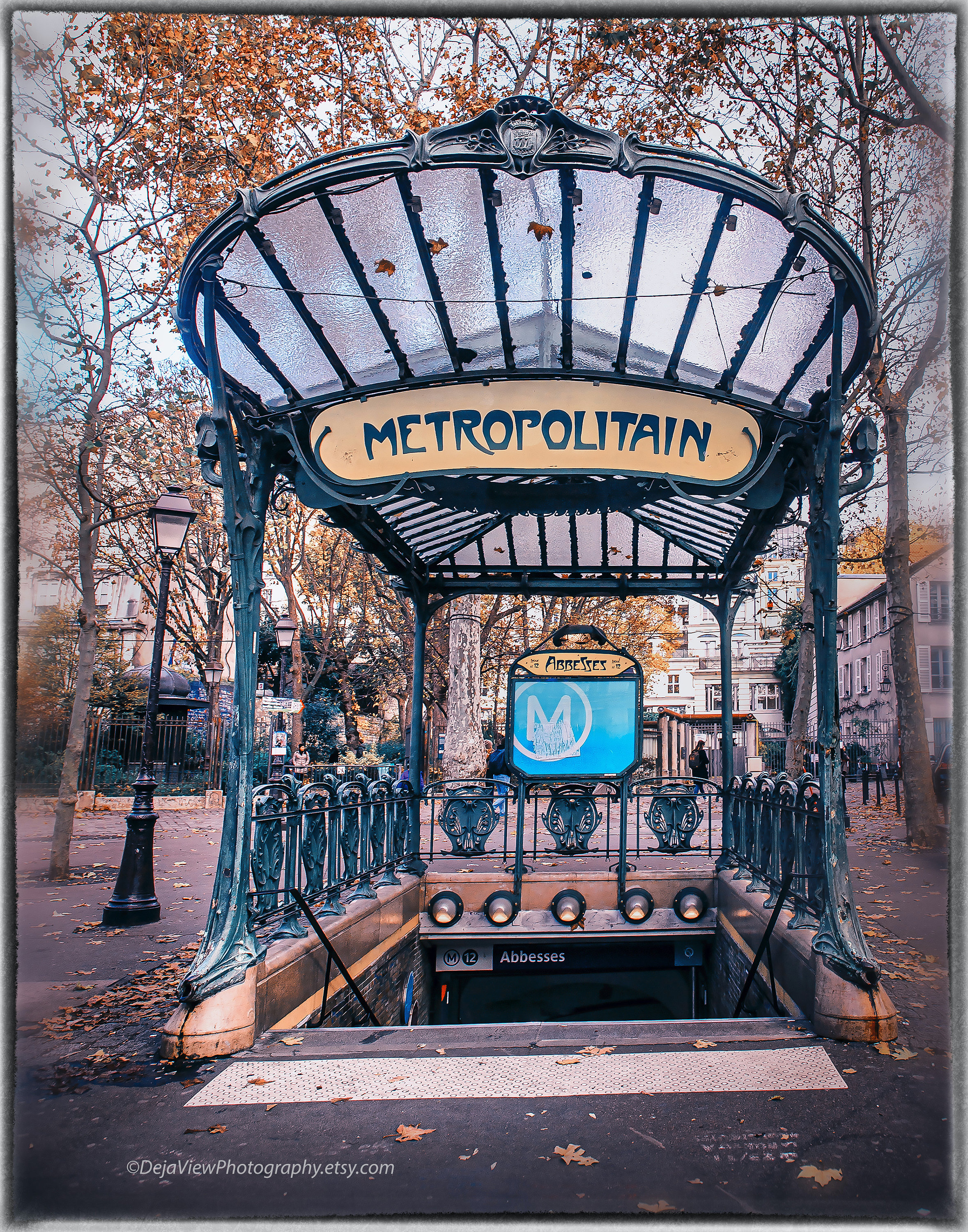
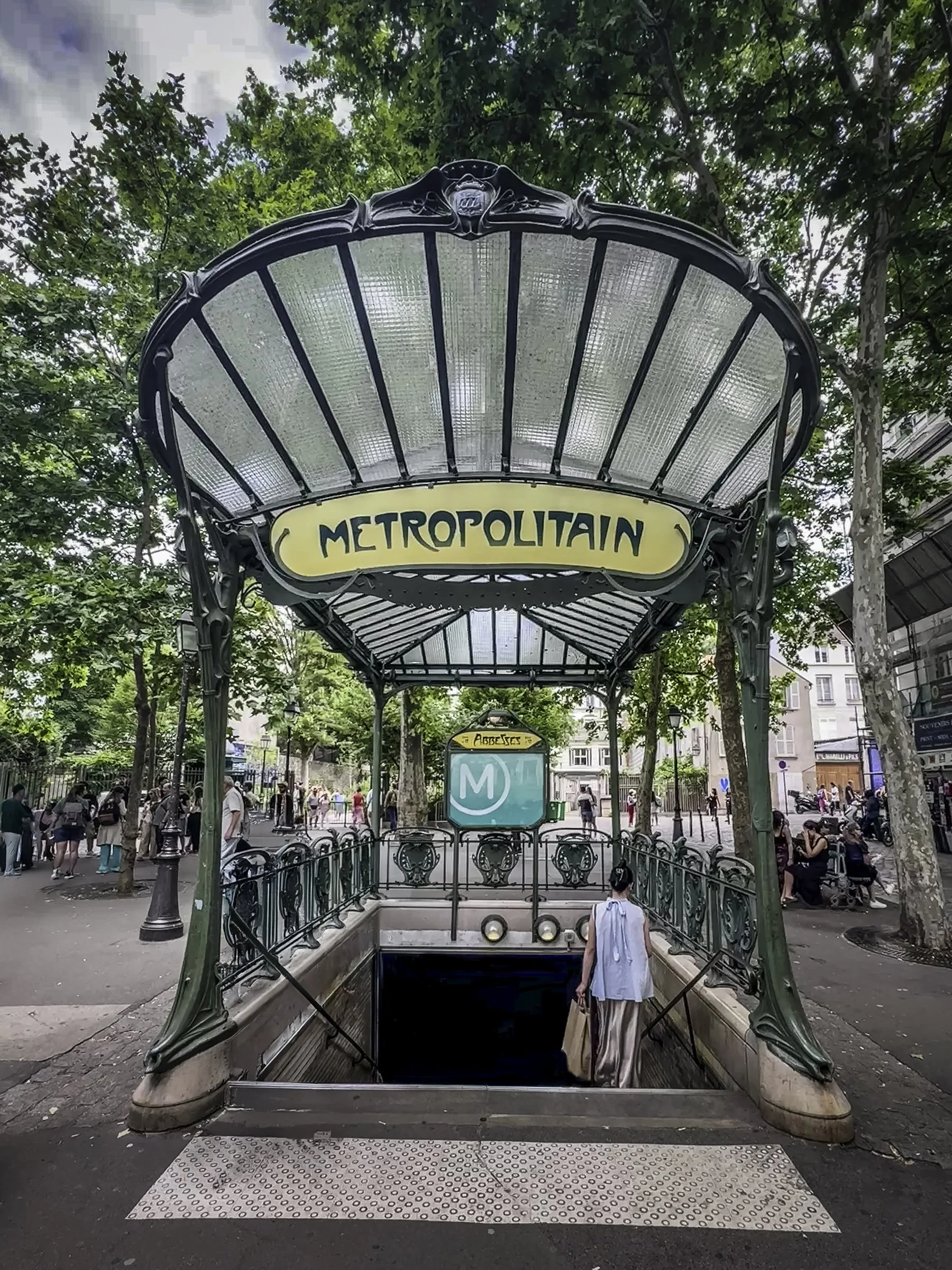
Located on Line 12 of the Paris Métro, Abbesses is more than a simple transit point; it is a landmark of Art Nouveau design. Opened in 1912, the station is renowned for its entrance, an authentic Hector Guimard édicule (kiosk). This glass-and-iron structure, relocated from the Hôtel de Ville station in the 1970s, represents the quintessential aesthetic of the early 20th-century Parisian transit system.
The station is situated 36 meters (approximately 118 feet) below ground level. This depth is necessitated by the challenging topography of the Butte Montmartre. Unlike stations built on the flat plains of the city center, Abbesses had to be carved deep into the hill’s geological foundation. For commuters and tourists alike, this means a significant vertical ascent is required to transition from the platform to the surface.
Navigation and Accessibility
For those exploring the station, the primary logistical factor is the descent. Passengers have two distinct ways to move between the platforms and the street level: the elevators and the double staircase.
The Spiral Staircase
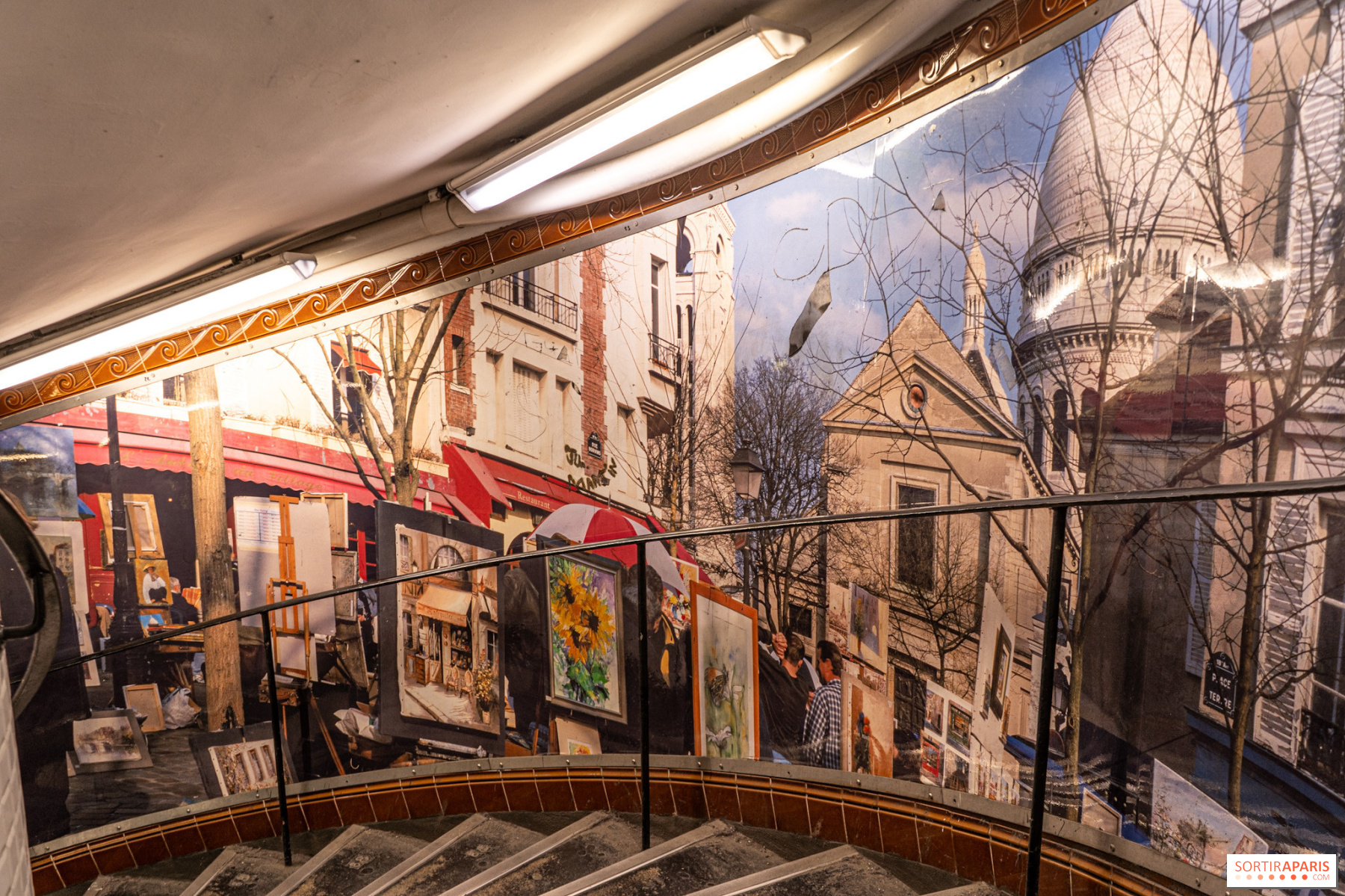
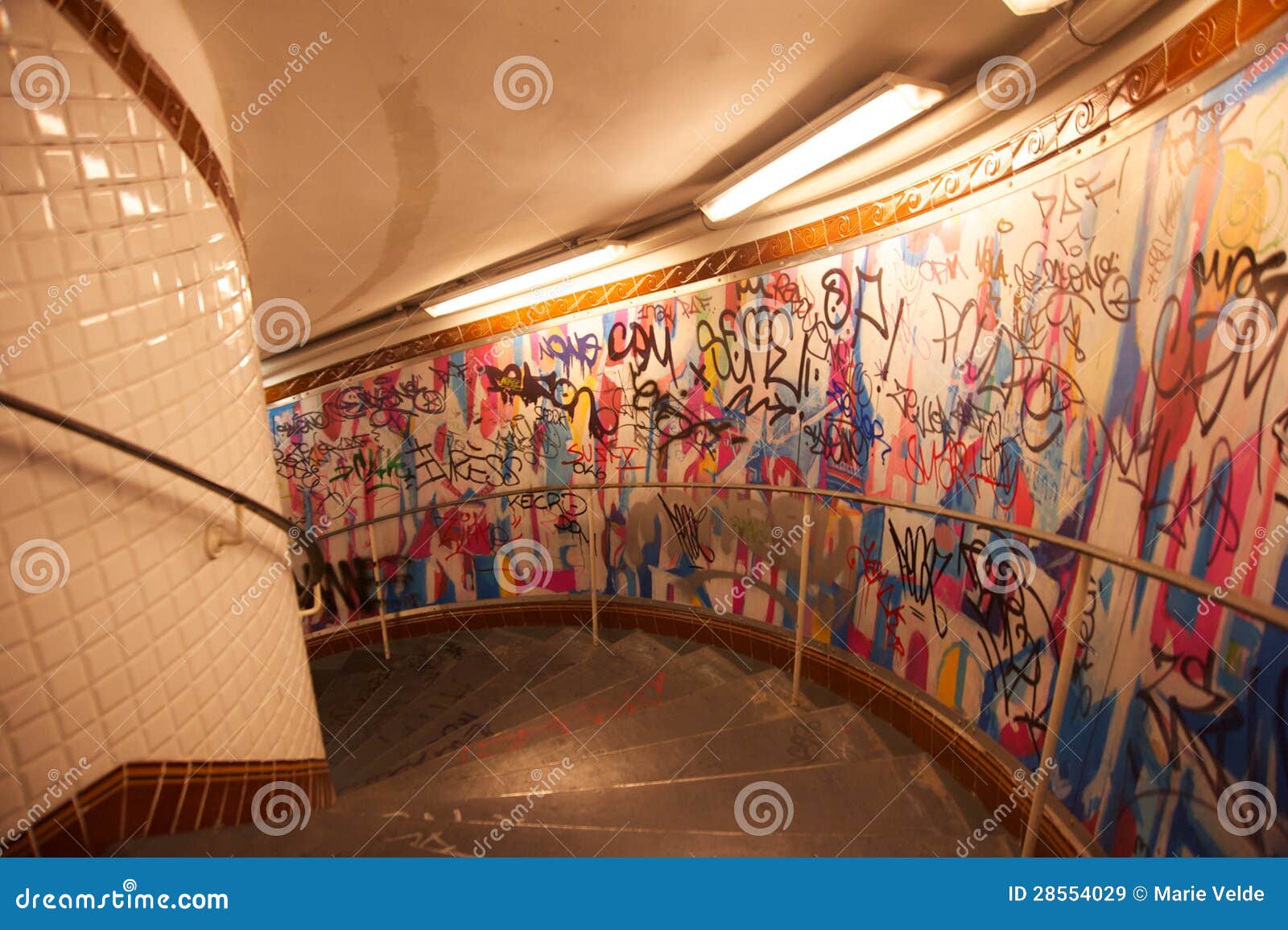
The staircases at Abbesses are visually striking, adorned with vibrant murals that have become a popular subject for photography. However, they are also physically demanding. They consist of a long, spiraling ascent that can be daunting for those with mobility issues, heavy luggage, or limited cardiovascular endurance. The walls are covered in art, often refreshed by the RATP (Régie Autonome des Transports Parisiens), which adds a cultural layer to what would otherwise be a grueling climb.
The Elevator System
For the vast majority of visitors, the elevator is the recommended mode of transport. The elevators at Abbesses are high-capacity units designed to handle large crowds during peak hours. During busy summer weekends or holidays, visitors should anticipate potential queues for the elevators. It is important to note that the RATP prioritizes passengers with reduced mobility, strollers, and those with heavy baggage.
Strategic Planning for Your Visit
When planning your visit to the Abbesses area, timing is essential. The station serves as the gateway to the Place des Abbesses and the surrounding steep, narrow streets of Montmartre.
Comparison of Transport Methods at Abbesses
| Feature | Spiral Staircase | Elevators |
|---|---|---|
| Physical Effort | High | Low |
| Wait Time | None | Low to Moderate (Queue dependent) |
| Visual Interest | Mural art and architecture | Functional/Standard |
| Best For | Fitness enthusiasts/Photography | Families, luggage, mobility needs |
Essential Tips for Using Line 12
Line 12 runs from Mairie d'Issy to Mairie d'Aubervilliers. When exploring Abbesses, you are ideally positioned to reach other major landmarks via this line, such as Concorde and Madeleine. If you are traveling with a Navigo pass or individual t+ tickets, ensure your pass is validated upon entry.
One common mistake visitors make is exiting the station and immediately attempting to walk up the steep streets of Montmartre without checking the map. The street layout around the station is labyrinthine. Before leaving the station exit, consult the station’s map boards, which clearly mark the paths to the Sacré-Cœur Basilica and the Place du Tertre. These maps are updated regularly to reflect local pedestrian circulation changes.
Safety and Operational Realities
The RATP operates under strict safety guidelines. While the station is generally safe, the depth of the platform means that communication signals can occasionally be weak, and the ambient temperature can vary significantly between the platform and the street level.
If you find yourself in the station and the elevators are undergoing maintenance, be prepared for the staircase. Notices regarding elevator maintenance are typically posted on the RATP official website or the "Île-de-France Mobilités" app. Checking these digital resources in the morning before your trip can save you from an unexpected physical challenge.
Frequently Asked Questions
Is Abbesses the deepest metro station in Paris? Yes, it is the deepest station in the entire network, sitting 36 meters below the surface. Its depth is a result of the elevation of the Montmartre hill.
Are there bathrooms inside the Abbesses station? No, there are no public restrooms available within the station itself. Visitors are encouraged to use facilities in nearby cafés or designated public restrooms in the 18th arrondissement.
Is the station accessible for wheelchair users? While the station is equipped with elevators, the historical nature of the station layout can sometimes make navigation challenging compared to newer, modernized stations. It is advised to check the accessibility status of the elevators on the official transport mobile application prior to arrival.
What is the best time of day to visit to avoid crowds? To avoid the intense tourist and commuter congestion, aim to arrive before 9:00 AM or after 7:30 PM on weekdays. Mid-afternoons on weekends are typically the busiest periods.
Can I take photos on the stairs? Yes, the staircase murals are a popular photographic subject. However, be mindful of local commuters moving quickly through the space. Avoid blocking the flow of traffic, as the stairs are a primary exit route for many residents.
Next Steps for Your Journey
Before your visit to Paris in 2026, download the "Île-de-France Mobilités" application to track real-time traffic updates and elevator availability. Once you arrive at Abbesses, take a moment to admire the Guimard entrance—one of the few remaining original examples in Paris—before stepping out into the vibrant culture of the Montmartre village. If you are planning to visit the Sacré-Cœur, note that the walk from the station involves a consistent incline, so wearing comfortable, supportive footwear is highly recommended.
Image Gallery