Mike Shinoda's Linkin Park Legacy: Why the Band's Evolution Matters
Mike Shinoda’s enduring influence on Linkin Park centers on his role as a principal architect of the band’s genre-defying sound, bridging alternative rock, electronic music, and hip-hop. His ability to guide the group through dramatic...
Mike Shinoda’s enduring influence on Linkin Park centers on his role as a principal architect of the band’s genre-defying sound, bridging alternative rock, electronic music, and hip-hop. His ability to guide the group through dramatic sonic transitions from nu-metal to electronic pop-rock established a blueprint for modern musical adaptability and artistic resilience.
Contents
The Foundations of a Hybrid Sound
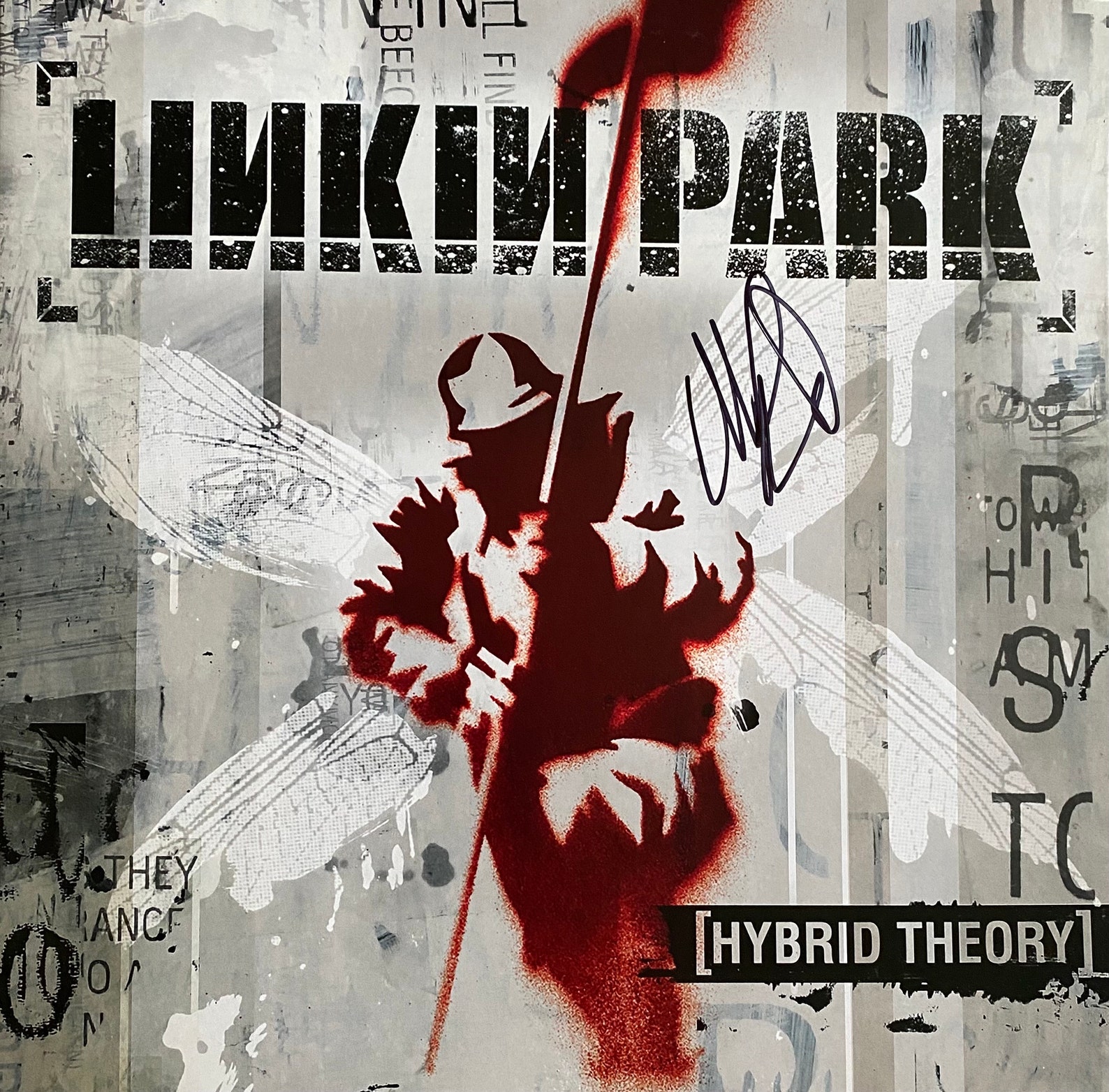
The inception of Linkin Park in the late 1990s and early 2000s required a delicate balance of contrasting musical elements. As a co-founder, primary lyricist, rhythm guitarist, keyboardist, and producer, Mike Shinoda played a pivotal role in fusing heavy guitar riffs with electronic beats and rap verses. This cross-genre approach defined the band's breakthrough era, particularly on the foundational albums Hybrid Theory (2000) and Meteora (2003).
Shinoda's background in graphic design and illustration also shaped the band's visual identity, ensuring that the artwork, merchandise, and music videos aligned with the sonic atmosphere. Rather than following a conventional rock template, Shinoda and his bandmates treated the studio as an experimental canvas. This early philosophy laid the groundwork for a career defined by refusal to stay musically stationary.
Navigating Creative Shifts Across Decades
The true test of a band's legacy often lies in its willingness to alienate purists in pursuit of broader artistic horizons. Linkin Park’s evolution became increasingly pronounced with the release of Minutes to Midnight in 2007, where Shinoda and producer Rick Rubin pared down the aggressive electronic elements in favor of a more organic, classic rock-inflected production style.
Subsequent albums pushed these boundaries even further:
- A Thousand Suns (2010): A conceptual electronic-rock record that leaned heavily on ambient soundscapes, spoken-word samples, and political themes.
- Living Things (2012): A synthesis of the band's electronic experimentation and rap-rock roots.
- The Hunting Party (2014): A deliberate return to aggressive, guitar-driven alternative metal.
- One More Light (2017): A pop-forward record centered on personal vulnerability and electronic instrumentation.
Shinoda’s capacity to steer these shifts without losing the core identity of the group demonstrated his versatility as a songwriter and producer. By treating every album as a distinct chapter rather than a sequel, he helped redefine what a modern rock band could achieve commercially and critically.
| Album | Release Year | Primary Musical Direction | Mike Shinoda's Key Production Focus |
|---|---|---|---|
| Hybrid Theory | 2000 | Nu-metal, rap-rock, electronic textures | Balancing aggressive guitar riffs with hip-hop beat structures and samples. |
| Meteora | 2003 | Refined alternative metal, electronic elements | Polishing the dynamic contrast between melodic hooks and heavy instrumentation. |
| Minutes to Midnight | 2007 | Alternative rock, ambient, classic rock | Stripping away excess nu-metal tropes for organic textures and varied tempos. |
| A Thousand Suns | 2010 | Concept album, industrial, electronic, ambient | Constructing seamless transitions, political sound collages, and layered vocals. |
| One More Light | 2017 | Pop, electronic pop, acoustic instrumentation | Emphasizing vocal melody, personal lyricism, and contemporary production trends. |
The Art of Collaboration and Leadership
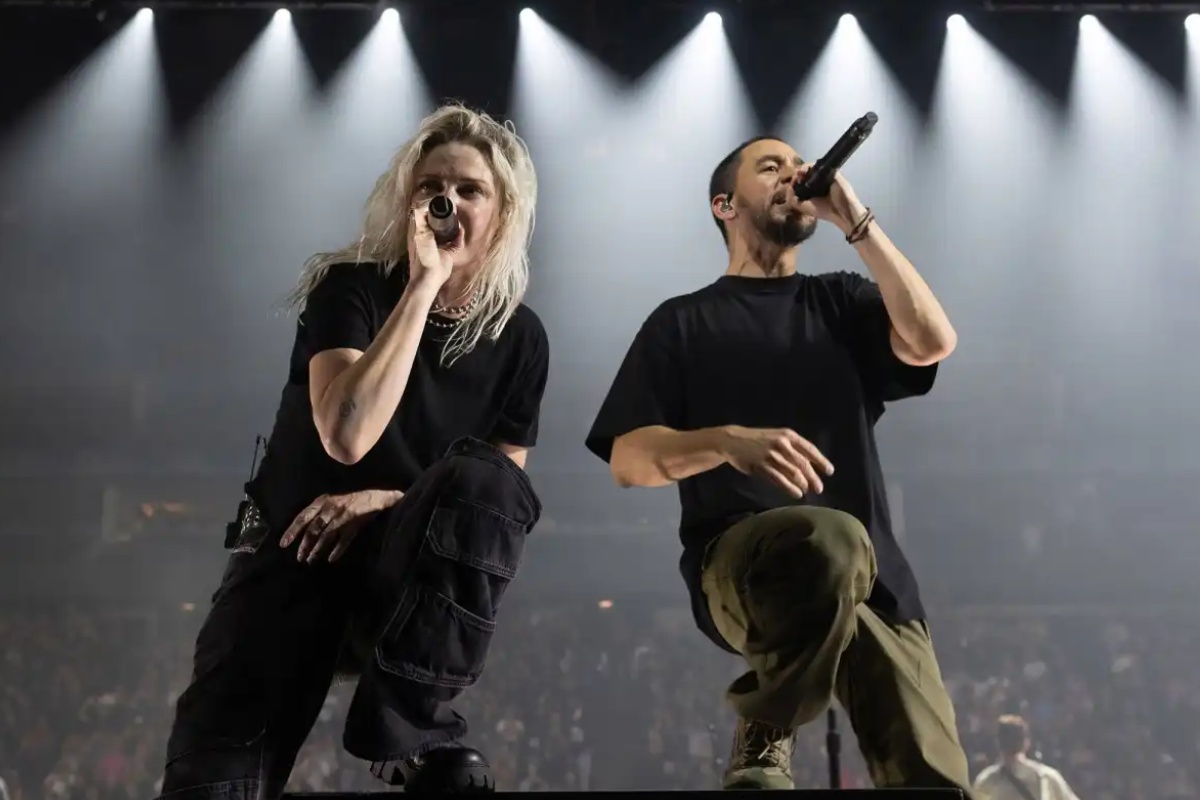
Behind the scenes, Shinoda’s collaborative ethos functioned as the glue holding Linkin Park together through massive commercial pressures and creative disagreements. While late frontman Chester Bennington delivered the soaring, visceral vocals that captured the emotional core of the songs, Shinoda provided the structural framework, vocal counterpoints, and technical production.
This dynamic allowed the band to process grief, personal struggle, and cultural changes transparently. Shinoda’s leadership style—characterized by analytical problem-solving in the studio and a deep respect for his bandmates' individual influences—allowed diverse ideas to coexist within a single track. When the group faced profound tragedy with the passing of Chester Bennington in 2017, Shinoda’s transparent navigation of his own grief through his solo project Post Traumatic (2018) underscored his authenticity as an artist and further cemented his connection with the fanbase.
Cultural Impact and the Modern Blueprint
The musical landscape of the 21st century has largely dismantled rigid genre boundaries, a shift that Linkin Park helped pioneer. In the early 2000s, blending rap, heavy metal, and electronica met with skepticism from genre purists. Decades later, this hybrid approach became the industry standard across pop, rock, and hip-hop.
Shinoda's legacy extends beyond his discography into how modern artists approach career longevity. By embracing side projects like Fort Minor, pursuing visual arts, engaging directly with fans through digital communities, and continuously exploring new production techniques, he proved that an artist's relevance depends on adaptability rather than repetition. His work serves as a case study in how to maintain a massive global audience while refusing to compromise creative evolution.
Frequently Asked Questions
What instruments does Mike Shinoda play in Linkin Park?
Mike Shinoda plays rhythm guitar, keyboards, piano, samplers, and synthesizers. He also provides backing and co-lead vocals, in addition to writing rap verses and handling a significant portion of the band's programming and production work.
How did Mike Shinoda influence Linkin Park's musical direction?
Shinoda acted as a primary producer and co-songwriter, pushing the band to experiment with diverse genres such as electronic music, hip-hop, ambient soundscapes, and pop, ensuring that their sound evolved continuously across albums.
What was Mike Shinoda's side project outside of Linkin Park?
Shinoda formed Fort Minor in 2004, a hip-hop side project that yielded the critically acclaimed 2005 album The Rising Tied. He has also released solo electronic and alternative music under his own name, including the 2018 album Post Traumatic.
Why is Linkin Park's genre-blending style significant?
When Linkin Park emerged, the music industry was largely divided by rigid genre classifications. Their fusion of aggressive rock and hip-hop helped break down these barriers, paving the way for modern multi-genre artists and producers.
How has Mike Shinoda contributed to the band's visual identity?
With a degree in illustration from ArtCenter College of Design, Shinoda designed much of the band's early merchandise, album artwork, and web presence, ensuring a cohesive aesthetic that matched their auditory output.
Conclusion
Mike Shinoda's legacy within Linkin Park is defined by a relentless drive to explore new sonic territories without abandoning emotional authenticity. By acting as a bridge between opposing musical worlds, he helped shape a catalog that continues to resonate across generations. His ability to navigate creative evolution, technological shifts, and profound personal loss ensures that his impact on modern alternative music remains permanent.
Image Gallery