Suing for Lost Wages After a Workers' Compensation Claim in California
When a workplace injury or illness forces you out of work, navigating the California workers' compensation system is designed to provide temporary disability benefits to replace a portion of your lost wages. However, workers often find...
When a workplace injury or illness forces you out of work, navigating the California workers' compensation system is designed to provide temporary disability benefits to replace a portion of your lost wages. However, workers often find that these statutory payments fall short of their actual financial losses, are delayed by administrative backlogs, or get terminated prematurely by claims administrators. This friction raises a critical question for injured employees: can you sue for lost wages after filing a workers' compensation claim in California?
Contents
Under California law, the exclusive remedy rule generally prevents injured workers from filing a traditional civil lawsuit against their employer for negligence or standard workplace injuries. This means you cannot simply sue your employer in civil court for pain and suffering or the full balance of your lost wages outside the workers' compensation framework. Nevertheless, legal avenues exist to recover missed compensation if your employer or insurance carrier engages in unlawful conduct, such as discrimination, retaliation, or egregious delays, or if a third party contributed to your workplace accident. Understanding these legal boundaries, administrative procedures, and exceptions is essential for protecting your financial stability while recovering from an injury.
The California Workers' Compensation Exclusive Remedy Rule
To understand why you generally cannot file a standard lawsuit for lost wages against your employer, you must examine California's workers' compensation bargain. Under the California Labor Code, the workers' compensation system functions as an exclusive remedy for workplace injuries.
In exchange for a streamlined process where an injured employee does not need to prove employer negligence to receive medical care and temporary disability benefits, the worker gives up the right to sue the employer in civil court for damages. This compromise protects employers from potentially bankrupting tort lawsuits while ensuring injured workers receive prompt, no-fault medical treatment and partial wage replacement.
Because of this statutory bar, filing a civil lawsuit against your employer for standard lost wages stemming from a routine workplace injury will almost certainly be dismissed by a superior court. The jurisdiction for wage disputes, benefit calculation errors, and unpaid temporary disability benefits rests almost exclusively with the California Division of Workers' Compensation (DWC) and the Workers' Compensation Appeals Board (WCAB).
How Lost Wages Are Handled Within Workers' Compensation
Before exploring alternative legal actions, it is necessary to examine how lost wages are compensated within the standard workers' compensation system. When an authorized treating physician determines that your injury prevents you from performing your usual job duties—and your employer cannot offer modified or alternative work—you become eligible for Temporary Disability (TD) benefits.
Temporary Total Disability (TTD) vs. Temporary Partial Disability (TPD)
- Temporary Total Disability (TTD): Paid when you are completely unable to work while recovering from your injury.
- Temporary Partial Disability (TPD): Paid if you can work reduced hours or in a lower-paying light-duty capacity, making up a portion of the difference between your pre-injury earnings and your current earnings.
Calculation of Benefits
In California, temporary disability benefits are generally calculated as two-thirds (66.67%) of your average weekly earnings at the time of injury, subject to statutory minimum and maximum limits set annually by the state legislature. These payments are tax-free at both the state and federal levels, which is designed to offset the fact that they do not replace 100% of your gross wages.
Statutory Limits
Under California Labor Code Section 4656(c), temporary disability payments are generally capped at a maximum of 104 weeks within a period of five years from the date of your injury. For certain chronic or severe conditions—such as chronic-severe burns, acute and chronic hepatitis, or amputations—benefits may be extended up to 240 weeks. Once you reach Maximum Medical Improvement (MMI)—referred to in California as Permanent and Stationary (P&S)—temporary disability ends, transitioning into permanent disability benefits if you have lingering functional impairments.
| Benefit Type | Percentage of Wages | Maximum Duration | Tax Status |
|---|---|---|---|
| Temporary Total Disability (TTD) | 66.67% of average weekly earnings | Generally 104 weeks within a 5-year window | Tax-free |
| Temporary Partial Disability (TPD) | 66.67% of wage loss | Generally 104 weeks within a 5-year window | Tax-free |
| Permanent Disability (PD) | Variable based on disability rating | Dependent on percentage rating | Tax-free |
Exceptions to the Exclusive Remedy Rule: When You Can Sue
While the exclusive remedy rule blocks standard negligence lawsuits against employers, specific statutory and common-law exceptions allow injured workers to step outside the workers' compensation system or pursue additional legal remedies to recover lost wages and other damages.
1. Third-Party Liability Lawsuits
If your workplace injury was caused or contributed to by someone other than your employer or a co-worker, you retain the legal right to file a civil personal injury lawsuit against that third party. In a third-party lawsuit, you can seek the full recovery of lost wages, future earning capacity, and pain and suffering—damages not fully covered or entirely unavailable in workers' compensation.
- Examples: Being struck by a negligent driver while making deliveries in a company vehicle, suffering an injury on a construction site caused by a general contractor or equipment manufacturer, or being hurt by defective machinery.
2. Employer Discrimination and Retaliation (Labor Code Section 132a)
California Labor Code Section 132a makes it illegal for an employer to discharge, fine, suspend, or discriminate against an employee because they filed or made known an intention to file a workers' compensation claim, or because they received a rating, award, or settlement.
- If your employer terminates you or cuts your hours because you sought workers' compensation benefits, you can file a Section 132a claim before the WCAB.
- A successful claim can result in reinstatement, reimbursement for lost wages and work benefits caused by the discrimination, and an increase in the workers' compensation indemnity up to a statutory cap.
3. Serious and Willful Misconduct (Labor Code Section 4553)
If an injury is caused by the serious and willful misconduct of the employer—or an executive, managing officer, or general superintendent—the amount of compensation otherwise recoverable can be increased by one-half (up to statutory ceilings). Proving serious and willful misconduct requires showing that the employer knew of a dangerous condition, knew that injury was probable, and failed to take reasonable action to prevent it.
4. Uninsured Employers
Operating without workers' compensation insurance is a criminal misdemeanor in California. If your employer was illegally uninsured at the time of your injury, California Labor Code Section 3706 allows you to file a civil lawsuit against your employer in superior court for damages, alongside a claim with the Uninsured Employers Benefits Trust Fund (UEBTF). In this civil suit, the presumption of negligence lies with the employer.
Steps to Take If Your Workers' Compensation Wage Loss Benefits Are Delayed or Denied
Administrative disputes over wage loss calculations, delayed checks, and improper benefit terminations are common challenges within the California workers' compensation system. Taking structured, documented steps can help resolve these issues without violating statutory requirements.
1. Request an Audit or Explanation from the Claims Administrator
Insurance adjusters must provide written explanation letters whenever temporary disability benefits are delayed, modified, or terminated. If you believe your average weekly earnings were miscalculated or that payments stopped prematurely, contact the claims administrator in writing to request a recalculation and a breakdown of the wage data used.
2. Contact the Information and Assistance (I&A) Officer
The California Division of Workers' Compensation employs Information and Assistance (I&A) officers to help injured workers, employers, and insurance carriers resolve disputes informally without formal litigation. I&A officers provide free information, review documents, and can help mediate disagreements over wage loss calculations.
3. File an Application for Adjudication of Claim
If informal resolution fails, you or your legal representative must file an Application for Adjudication of Claim with the local WCAB district office. This formal filing opens your case with the court system and allows your attorney to request an expedited hearing or bring the wage dispute before a workers' compensation administrative law judge.
4. Consult a Qualified California Workers' Compensation Attorney
Navigating the complexities of California Labor Code provisions, average weekly wage audits, and third-party liability requires specialized legal knowledge. Most workers' compensation attorneys in California operate on a contingency fee basis, meaning their fees are regulated and approved by a workers' compensation judge and are deducted directly from your final settlement or award.
Frequently Asked Questions
Can I sue my employer for emotional distress caused by lost wages?
Generally, claims for emotional distress resulting from standard personnel actions, wage delays, or the handling of a workers' compensation claim are barred by the exclusive remedy rule and preemption by the Workers' Compensation Appeals Board. However, if the emotional distress arises from severe discrimination or retaliation prohibited under Labor Code Section 132a, specific remedies may be pursued within the administrative board framework.
What happens if my employer pays me less than two-thirds of my wages?
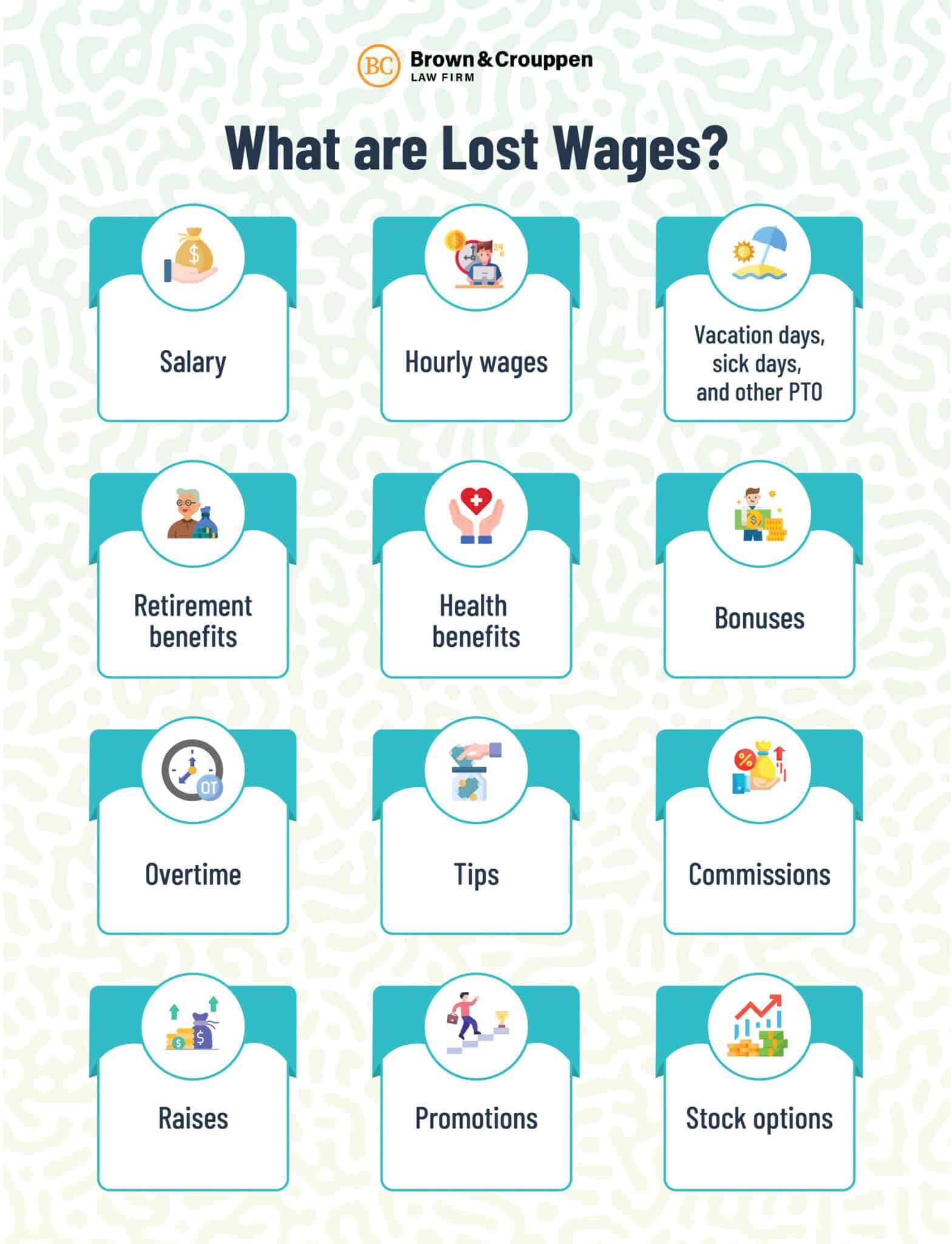
If your temporary disability rate appears incorrect, it is often because the insurance company failed to include overtime, bonuses, tips, or secondary employment earnings in your Average Weekly Wage (AWW) calculation. You have the right to submit pay stubs, tax returns, and employment records to challenge the calculation and request retroactive payment of underpaid benefits.
Can I work a second job while receiving temporary disability benefits in California?
Receiving temporary disability benefits means you are certified as temporarily unable to perform your regular job duties. If you engage in alternative or second employment while collecting TTD, you must report those earnings to the claims administrator. Working while collecting total disability without proper reporting can be classified as workers' compensation fraud.
How are tips and bonuses factored into lost wage calculations?
Under California workers' compensation law, your average weekly earnings calculation must account for all forms of compensation, including overtime, commissions, tips, and the reasonable value of board, lodging, or other advantages received from the employer. Failure to include these supplementary earnings is a frequent ground for benefit disputes.
Final Recommendation
If you are facing unpaid lost wages, delayed temporary disability checks, or retaliation after filing a workers' compensation claim in California, avoid attempting to file a standard civil lawsuit against your employer unless a clear third-party liability or uninsured employer exception applies. Instead, preserve all employment records, pay stubs, and correspondence with the insurance adjuster, consult with a local Information and Assistance officer, and consider retaining a certified specialist in California workers' compensation law to advocate for your rightful benefits before the Workers' Compensation Appeals Board.
Image Gallery