Who Owns Rolex and Why It Matters
Rolex is owned entirely by a private charitable organization, the Hans Wilsdorf Foundation, which ensures that a significant portion of the company’s massive annual profits is systematically directed toward philanthropic causes, scient...
Rolex is owned entirely by a private charitable organization, the Hans Wilsdorf Foundation, which ensures that a significant portion of the company’s massive annual profits is systematically directed toward philanthropic causes, scientific research, and cultural arts in Switzerland. This unique ownership structure shields the watchmaker from the short-term earnings pressures of public stock markets, allowing it to prioritize long-term manufacturing quality, secrecy in product development, and absolute price stability.
Contents
The Singular Corporate Structure of Rolex
To understand who owns Rolex, one must examine the legal framework established by its founder, Hans Wilsdorf. Following the death of his wife, Florence Frances May Wilsdorf-Mears, in 1944, Wilsdorf found himself without direct heirs. To protect his life's work from hostile takeovers, liquidation, or dilution by public shareholders, he devised a legally binding succession plan.
In 1945, Wilsdorf created the Hans Wilsdorf Foundation (Fondation Hans Wilsdorf) and transferred 100 percent of his Rolex shares to this entity. When Wilsdorf passed away in 1960, the foundation officially assumed complete control of Montres Rolex S.A.
Unlike a conventional corporation where shareholders demand quarterly dividends and rapid stock appreciation, the Hans Wilsdorf Foundation operates as a private trust governed by Swiss corporate and foundation law. The foundation has no public shareholders, issues no public stock, and is not listed on any stock exchange. Its primary legal mandate is to preserve the long-term industrial stability of the watchmaking enterprise while funneling surplus capital into charitable, educational, and cultural initiatives.
The Role of the Hans Wilsdorf Foundation
The Hans Wilsdorf Foundation is overseen by a secretive board of trustees composed of prominent Swiss business leaders, lawyers, and financial experts. This board operates with a high degree of confidentiality, mirroring the culture of Rolex itself.
The foundation fulfills a dual purpose: safeguarding the operational continuity of the watch brand and distributing funds to worthy beneficiaries. Because Swiss foundations enjoy certain tax privileges tied to their nonprofit and charitable missions, a substantial pool of capital remains within the organizational ecosystem.
A portion of the dividends generated by Rolex S.A. that are not reinvested into manufacturing facilities, research and development, or raw material acquisitions is allocated to philanthropic projects across Geneva and the rest of Switzerland. These distributions support:
- Social welfare programs and vocational training institutions.
- Scientific research at Swiss universities and laboratories.
- Cultural institutions, including museums, theater groups, and architectural preservation projects.
- Support for economically disadvantaged families and individuals in the Geneva canton.
Why the Foundation Ownership Model Matters for Watch Buyers
The ownership structure of Rolex is not merely a corporate trivia fact; it directly impacts the consumer experience, product pricing, and the secondary market value of luxury timepieces.
1. Immunity from Wall Street Pressures
Publicly traded luxury conglomerates must answer to shareholders every three months. This often leads to cost-cutting measures, outsourcing of components, inflated production volumes, or artificial discounting to meet aggressive growth targets. Because Rolex is owned by a foundation, management is insulated from quarterly earnings hysteria. Executives can spend years perfecting a single hairspring alloy or ceramic bezel compound without fearing a drop in stock price.
2. Uncompromising Quality Control and Vertical Integration
Rolex operates four massive, highly automated, and heavily guarded manufacturing sites in Switzerland (Bienne and Geneva). The foundation's backing allows Rolex to maintain complete vertical integration—manufacturing almost every component of its watches, from gold smelting in its own foundry to machining microscopic gears and gem-setting dials. This level of capital expenditure is only feasible because profits can be endlessly reinvested without distributing heavy dividends to demanding public investors.
3. Price Stability and Supply Control
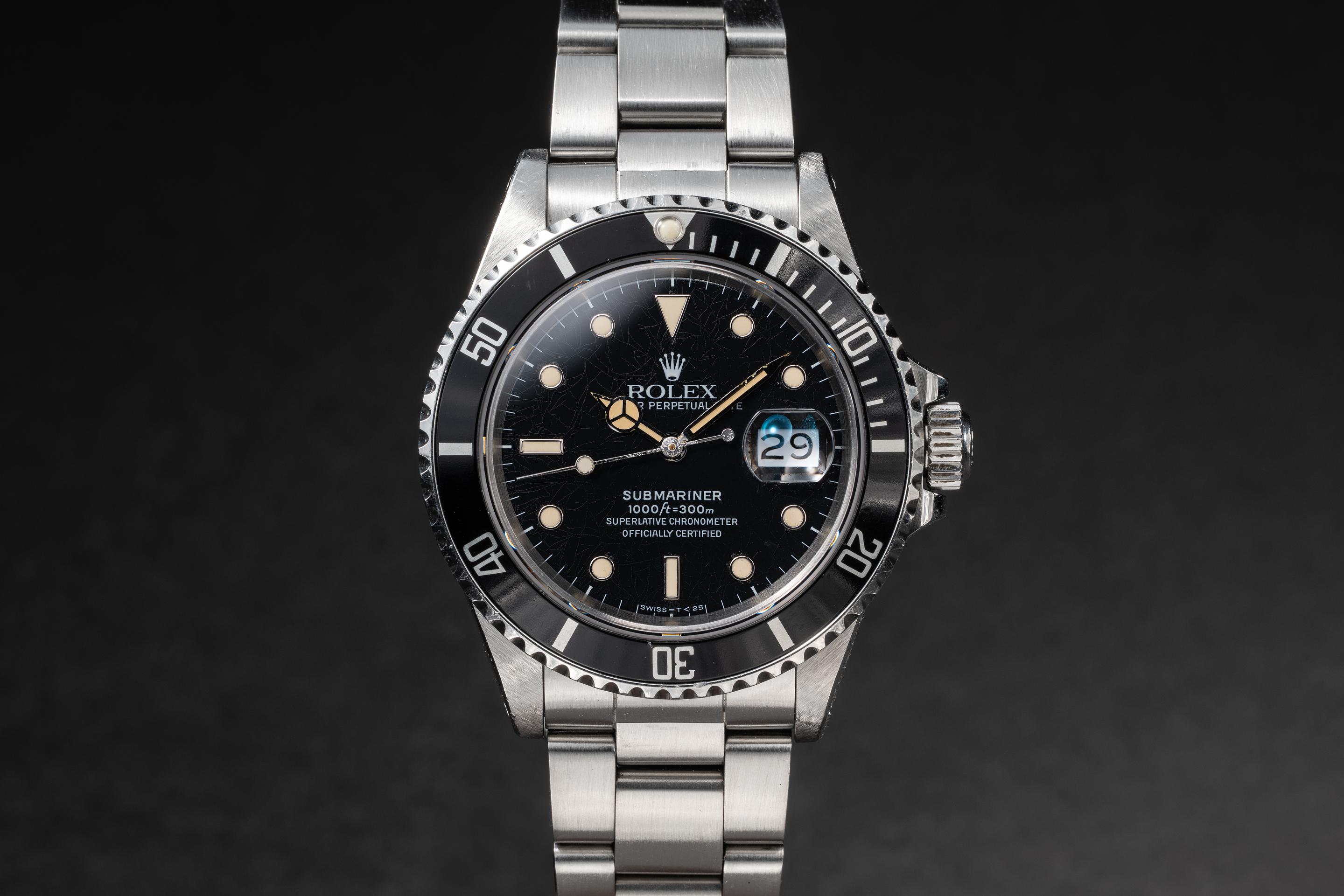
The foundation structure explains why Rolex can strictly control its supply chain and resist the temptation to flood the market during high-demand cycles. While secondary market prices for steel sports models like the Submariner or Cosmograph Daytona often command significant premiums, Rolex maintains disciplined retail pricing. The brand does not panic during economic downturns, nor does it cheapen its brand equity by offering mass clearances.
| Corporate Feature | Publicly Traded Watch Conglomerate | Rolex (Hans Wilsdorf Foundation) |
|---|---|---|
| Ownership | Public shareholders and institutional investors | Private Swiss charitable foundation |
| Financial Transparency | Required quarterly and annual earnings reports | Minimal public reporting; private financial accounts |
| Primary Objective | Maximizing shareholder value and stock price | Long-term brand preservation and philanthropy |
| Production Strategy | Scaled to satisfy quarterly financial growth | Controlled output focused on manufacturing precision |
| Vulnerability | Susceptible to hostile takeovers and activist investors | Protected against external acquisition |
Comparing Rolex to Other Swiss Watch Groups
To appreciate how unique the Hans Wilsdorf Foundation is, it helps to look at how the rest of the Swiss watch industry is structured. The global luxury market is dominated by a few massive corporate entities:
- The Swatch Group: A publicly traded Swiss multinational holding company that owns brands such as Omega, Longines, Tissot, and Breguet. As a public company, it must balance brand heritage with investor expectations and stock market volatility.
- Richemont (Compagnie Financière Richemont SA): A Swiss luxury goods holding company listed on the SIX Swiss Exchange. Richemont owns prestigious watch maisons including Cartier, IWC Schaffhausen, Jaeger-LeCoultre, Panerai, and Vacheron Constantin.
- LVMH (Moët Hennessy Louis Vuitton): A massive French public multinational corporation that owns watch brands such as TAG Heuer, Hublot, and Zenith. Watchmaking is only one segment of its vast luxury portfolio.
Rolex stands almost entirely alone as a privately held titan that funnels its wealth into a charitable trust rather than enriching private family members (like the Wertheimer family behind Chanel) or public shareholders. The only comparable high-end Swiss manufacturer with a similar private foundation model is Patek Philippe, which remains family-owned by the Stern family, though it does not operate under a charitable trust framework.
Addressing Common Misconceptions
Because of the extreme secrecy maintained by Rolex and the Hans Wilsdorf Foundation, several myths persist among collectors and the general public.
Myth 1: Rolex is a Non-Profit Organization
While Rolex is owned by a non-profit foundation, Rolex S.A. itself is a commercial, for-profit manufacturing corporation. It pays standard corporate taxes to the Swiss government on its commercial operations. Only the dividends transferred to the foundation enjoy tax-exempt status, provided those funds are deployed in accordance with Swiss charitable guidelines.
Myth 2: You Can Donate to the Foundation
The Hans Wilsdorf Foundation is a closed private trust endowed solely with the shares of Rolex and its accumulated assets. It does not accept public donations, run fundraising campaigns, or offer grants through open public applications in the manner of traditional public charities.
Myth 3: The Foundation Interferes with Watch Design
The trustees of the foundation focus on governance, financial oversight, and philanthropic distribution. They do not dictate dial colors, case sizes, or movement specifications. Product creation is left entirely to Rolex’s internal designers, engineers, and horologists.
Frequently Asked Questions
Who receives the money from Rolex sales?
Profits that are not retained by Rolex for research, development, and operational expansion are paid as dividends to the Hans Wilsdorf Foundation. The foundation distributes these funds to social welfare projects, cultural institutions, educational programs, and scientific research initiatives primarily in Geneva and throughout Switzerland.
Can the Hans Wilsdorf Foundation ever sell Rolex?
No. The governing charter established by Hans Wilsdorf legally binds the foundation to perpetual ownership of Montres Rolex S.A. The shares cannot be sold, traded, or transferred to private individuals or corporate conglomerates, ensuring the brand remains permanently independent.
Is Rolex a registered charity?
The Hans Wilsdorf Foundation is registered as a non-profit philanthropic foundation under Swiss law. However, its operating subsidiary, Montres Rolex S.A., is a commercial enterprise that functions like any other luxury manufacturer, generating revenue and paying standard business taxes.
Why doesn't Rolex go public on the stock exchange?
Going public would subject Rolex to the demands of public shareholders who prioritize short-term profit margins over painstaking craftsmanship. Hans Wilsdorf specifically designed the foundation structure to prevent outside investors from altering the company's commitment to quality and long-term independence.
How much money does the foundation give away annually?
Because Swiss private foundations are not legally required to publish detailed financial accounts to the public in the same manner as publicly traded corporations, exact annual donation figures are kept private. However, estimates from Swiss financial analysts suggest that tens of millions of francs are distributed annually to charitable causes.
Practical Takeaways for Watch Enthusiasts
Knowing who owns Rolex changes how collectors view the brand. When purchasing a timepiece, buyers are investing in an ecosystem that does not answer to venture capitalists or shifting stock markets. This corporate stability guarantees that servicing, spare parts availability, and warranty support will remain robust for decades. For prospective buyers and long-term collectors, the foundation model serves as the ultimate guarantee that Rolex will continue prioritizing horological heritage over fast corporate expansion.
Image Gallery