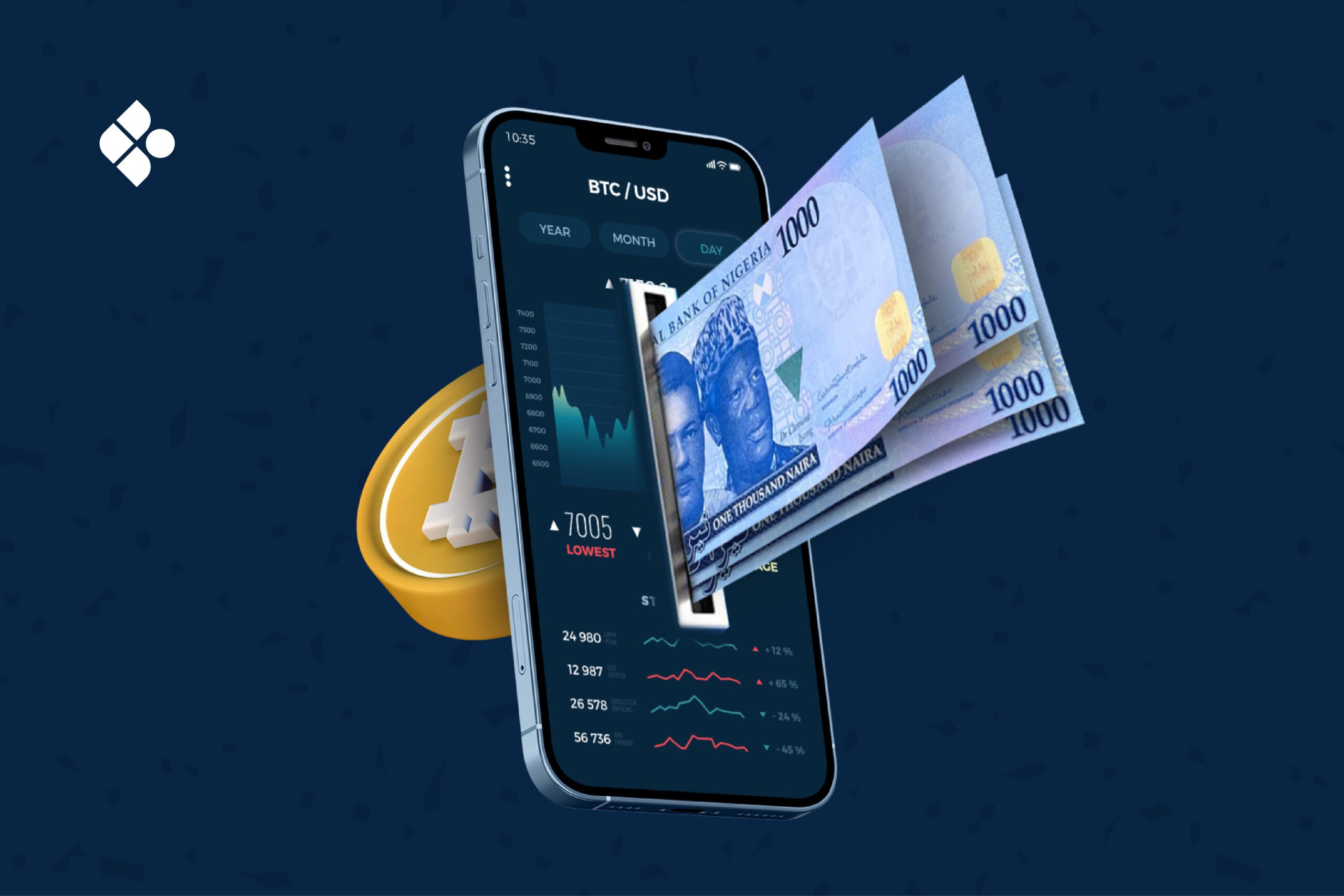
Can I Make Money With Bitcoin: A Practical Guide to Digital Assets
Yes, it is possible to make money with Bitcoin, but it is not a guaranteed investment and carries significant financial risk. Profit potential exists through long-term holding, short-term trading, or specialized activities like mining....
Yes, it is possible to make money with Bitcoin, but it is not a guaranteed investment and carries significant financial risk. Profit potential exists through long-term holding, short-term trading, or specialized activities like mining. However, market volatility, regulatory uncertainty, and the risk of permanent capital loss mean that anyone entering the space must prioritize security and risk management over speculative gains.
Contents
Understanding the Financial Nature of Bitcoin
Bitcoin (BTC) is a decentralized digital currency that operates on a peer-to-peer network, independent of central banks or government oversight. Because its value is determined entirely by market supply and demand, it is classified as a high-volatility asset class.
Making money with Bitcoin generally falls into three categories: capital appreciation (buying low and selling high), active trading (exploiting price fluctuations), and operational participation (mining or providing infrastructure). Each of these paths requires a different level of technical knowledge, capital commitment, and risk tolerance. It is essential to recognize that because Bitcoin lacks intrinsic cash flows like dividends or interest, your "profit" is entirely dependent on finding another buyer willing to pay a higher price than you did.
Strategies for Potential Returns
1. Long-Term Holding ("HODLing")
The most common strategy involves purchasing Bitcoin and holding it for an extended period, regardless of short-term price movements. Proponents of this strategy believe in the long-term adoption and deflationary nature of Bitcoin’s fixed supply—capped at 21 million units.
- The Process: Investors use regulated exchanges to purchase BTC and move it to a secure, private wallet.
- The Risk: Extended periods of market stagnation or "bear markets" can result in significant drawdowns. If you are forced to sell during a downturn to meet liquidity needs, you will realize a loss.
2. Active Trading
Active trading involves buying and selling Bitcoin frequently to profit from intraday or weekly price swings. This requires deep technical analysis, a sophisticated understanding of order books, and the emotional discipline to cut losses early.
- The Process: Traders typically use professional-grade trading interfaces, leveraging tools like stop-loss orders to automatically trigger a sale if the price drops below a certain threshold.
- The Risk: Trading is a zero-sum game in many contexts. Between exchange fees, slippage, and the high probability of human error, most retail traders lose money over the long term.
3. Bitcoin Mining
Mining is the process of using specialized hardware (ASICs) to validate transactions on the Bitcoin network. In exchange for the computational power contributed, miners earn newly minted Bitcoin and transaction fees.
- The Process: You must invest in high-end hardware, secure low-cost electricity, and maintain an environment that manages heat and noise.
- The Risk: Mining is highly capital-intensive. As the "difficulty" of mining increases, hardware can become obsolete quickly. If your electricity cost exceeds the value of the Bitcoin mined, you are operating at a deficit.
Comparing Methods of Engagement
| Method | Technical Effort | Capital Required | Risk Profile |
|---|---|---|---|
| Long-Term Holding | Low | Low | Moderate |
| Active Trading | High | Medium | Very High |
| Mining | Very High | Very High | High |
Essential Prerequisites and Security
Before attempting to generate income with Bitcoin, you must establish a foundation of operational security. Many investors have lost their potential profits not to bad market conditions, but to theft or loss of access.
- Custody: Never leave large amounts of Bitcoin on a centralized exchange. Exchanges are prone to hacking, insolvency, or regulatory seizure. Use a "cold storage" hardware wallet to keep your private keys offline.
- Verification: Ensure you are using reputable, licensed exchanges that comply with local financial regulations. Verify that the platform has a track record of security and transparency regarding their reserve assets.
- Tax Compliance: In most jurisdictions, including the United States and the European Union, Bitcoin is treated as property for tax purposes. Every time you sell or exchange Bitcoin, it is a taxable event. Keep meticulous records of your purchase price (cost basis) and the value at the time of sale to report capital gains accurately.
Common Pitfalls and Mistakes
New participants frequently lose capital by falling for common traps. First, avoid "get-rich-quick" schemes. Any platform promising guaranteed daily returns or asking you to send Bitcoin to a third party for "managed growth" is almost certainly a scam.
Second, avoid the trap of leverage. Many exchanges allow users to trade with borrowed money. While this can amplify gains, it simultaneously amplifies losses, often leading to a total liquidation of your account within seconds during periods of high volatility. Finally, beware of emotional trading. Buying because the price is trending upward (FOMO) and selling because it is trending downward (panic selling) are the most common ways retail participants destroy their own wealth.
Regulatory and Legal Considerations
As of 2026, the regulatory landscape remains fragmented. In some countries, Bitcoin is legal tender, while in others, it is heavily restricted or prohibited. You must consult the financial authority in your specific jurisdiction—such as the SEC or CFTC in the United States, or the relevant national bank in your region—to understand the legal requirements for holding and trading digital assets.
Financial advisors often recommend that speculative assets like Bitcoin should not exceed 1% to 5% of a total investment portfolio. Because Bitcoin does not offer the same legal protections as a bank deposit, you should only invest money that you can afford to lose entirely.
Frequently Asked Questions
Is Bitcoin a guaranteed way to make money? No. Bitcoin is a highly speculative asset. There is no guarantee that the value will rise, and the price can experience significant volatility, resulting in the loss of your original investment.
What is the minimum amount of money I need to start? Most exchanges allow you to start with very small amounts, sometimes as little as $10. You do not need to buy an entire Bitcoin; you can purchase fractions of a coin, known as Satoshis.
How do taxes work with Bitcoin? In most countries, Bitcoin transactions are subject to capital gains tax. You are generally responsible for reporting the difference between what you paid for the asset and the amount for which you sold or traded it. Consult a certified tax professional regarding your specific tax obligations.
Can I lose my Bitcoin even if the market price goes up? Yes. You can lose your Bitcoin through phishing attacks, losing your private keys, or by keeping your funds on an exchange that becomes insolvent or experiences a security breach.
Should I use an automated trading bot to make money? Automated trading bots are tools that execute strategies based on pre-set rules. While they can remove emotional bias, they do not guarantee profit and can execute losing trades rapidly if the market conditions change unexpectedly.
Next Steps
If you are interested in proceeding, begin by educating yourself on the underlying technology—specifically how private and public keys work. Set up a reputable, non-custodial wallet and purchase a small amount of Bitcoin through a regulated exchange to understand the mechanics of moving funds. Do not commit significant capital until you are entirely comfortable with the security procedures required to protect your assets. Treat this as an educational process rather than a wealth-generation strategy until you have developed a consistent, risk-managed approach.
Image Gallery