Understanding the Role of Lysine: Is Lysine an Essential Amino Acid?
Yes, lysine is classified as an essential amino acid for humans. Because your body cannot synthesize it internally, you must obtain it through your dietary intake or supplemental sources to support critical biological functions, includ...
Yes, lysine is classified as an essential amino acid for humans. Because your body cannot synthesize it internally, you must obtain it through your dietary intake or supplemental sources to support critical biological functions, including protein synthesis, hormone production, and enzyme activity.
Contents
The Biological Definition of Essential Amino Acids
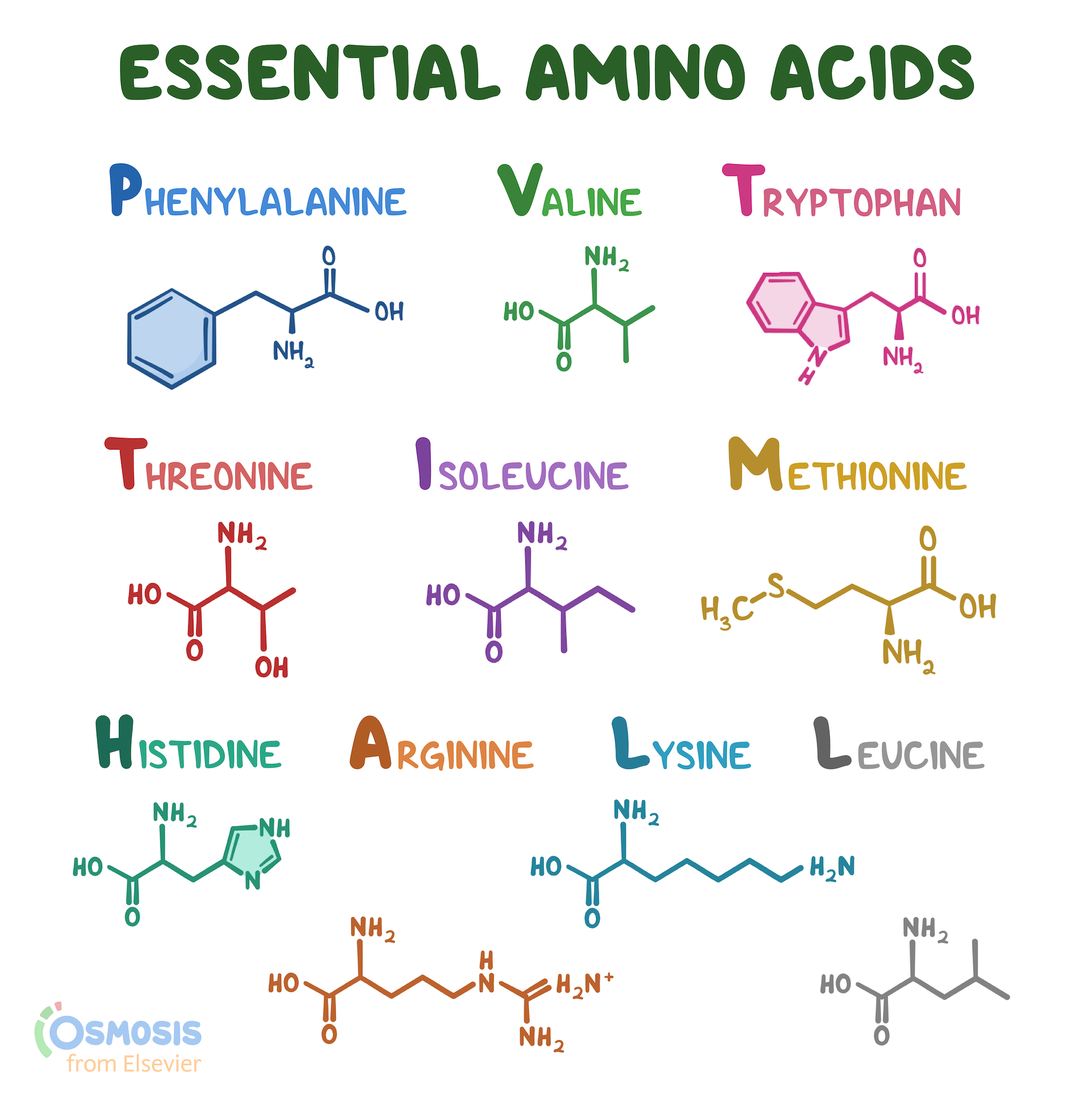
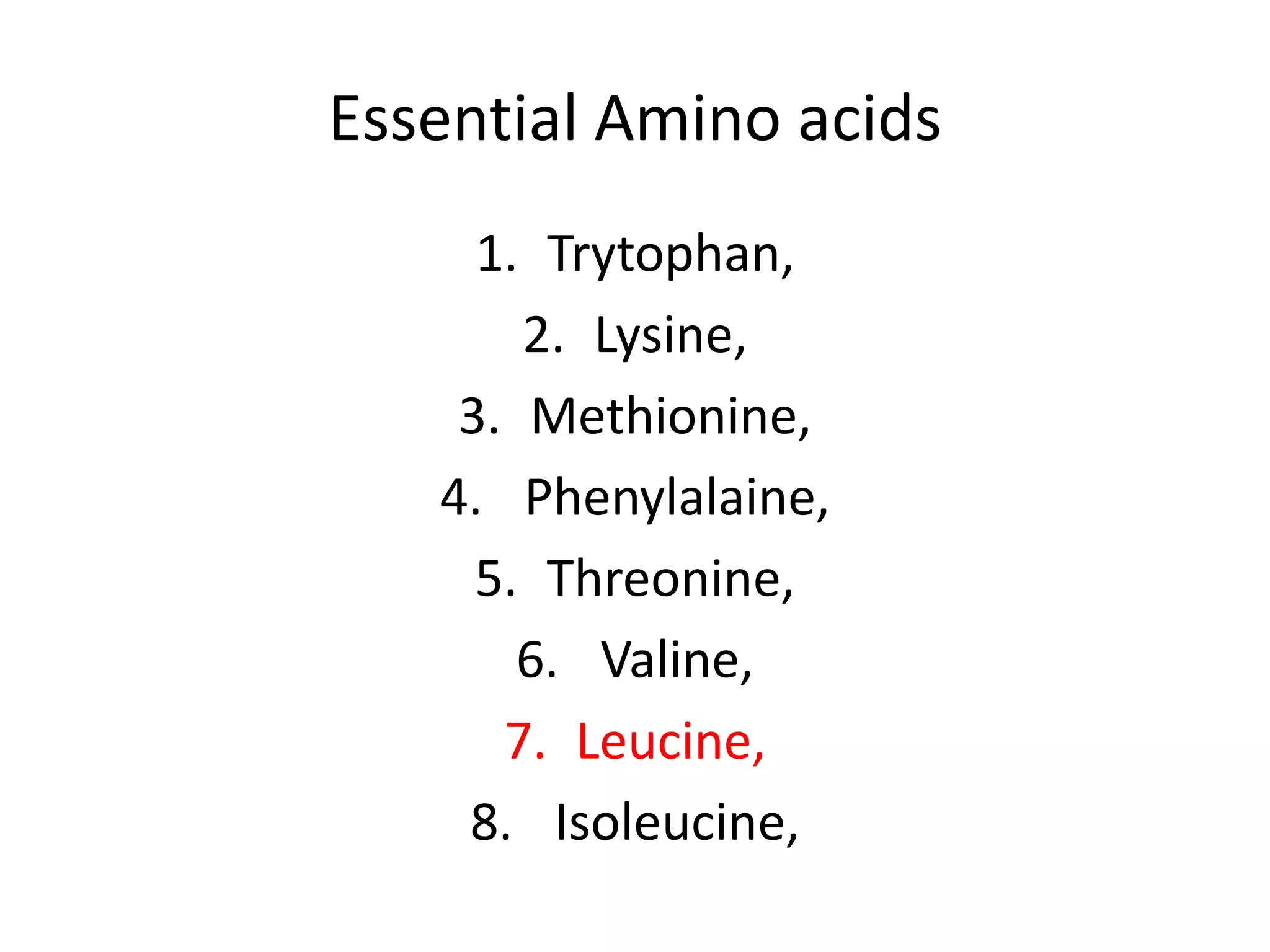
In human physiology, amino acids are categorized based on the body's ability to produce them. There are 20 primary amino acids used to build proteins. Of these, nine are categorized as "essential" because human metabolic pathways lack the specific enzymatic machinery required to construct their carbon skeletons from scratch.
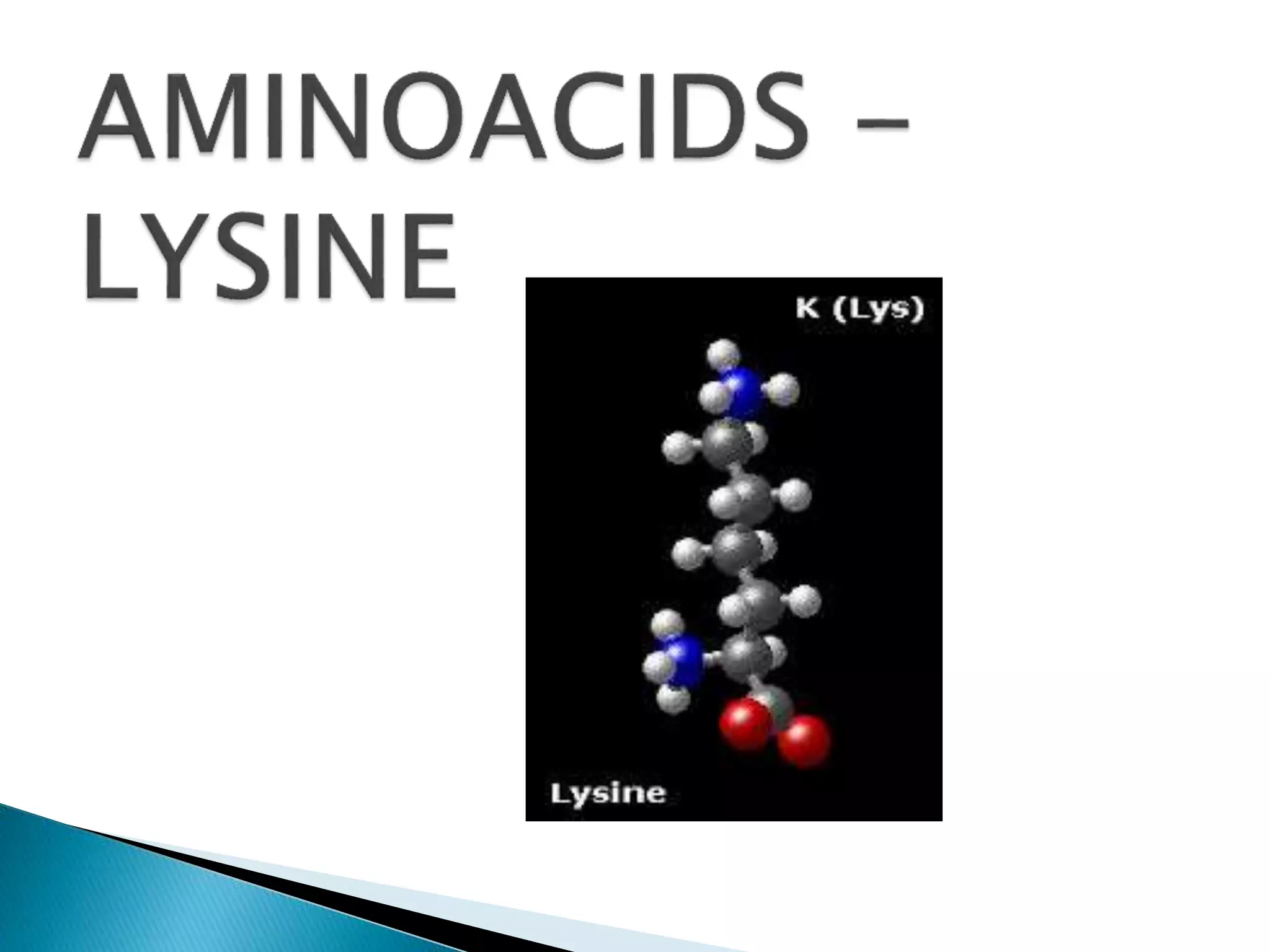
When scientists classify an amino acid as essential, it means that if the substance is absent from your diet, your body cannot maintain protein homeostasis. Lysine holds a distinct position in this group. It is a basic, positively charged amino acid, and its chemical structure plays a vital role in the structural integrity of collagen, which is the primary protein found in connective tissues, skin, and bones.
Physiological Functions of Lysine
The requirement for lysine stems from its diverse roles within the human body. Unlike non-essential amino acids, which the body can generate via transamination or other metabolic shifts, lysine must be present in your bloodstream in adequate quantities to facilitate the following processes:
- Protein Synthesis: Lysine acts as a building block for the polypeptide chains that form structural proteins. Without sufficient levels, your body may struggle to repair damaged tissues or build new muscle mass.
- Collagen Cross-linking: Lysine is essential for the stabilization of collagen fibers. Through a process called lysyl oxidase-mediated cross-linking, lysine residues help create the strength and elasticity characteristic of cartilage and skin.
- Carnitine Production: Your body uses lysine as a precursor to synthesize carnitine, a molecule responsible for transporting long-chain fatty acids into the mitochondria. Once inside the mitochondria, these fats are oxidized to generate adenosine triphosphate (ATP), the primary energy currency of the cell.
- Calcium Absorption: Clinical research suggests that lysine enhances the absorption of calcium in the gut and reduces the excretion of calcium through the kidneys, potentially playing a role in bone mineral density maintenance.
Dietary Sources and Requirements
Because lysine is essential, your daily intake must be balanced to meet metabolic demands. In a standard Western diet, lysine is abundant in protein-rich foods. If you consume adequate amounts of complete proteins, you are likely meeting your baseline requirements without specialized planning.
Table 1: Common Dietary Sources of Lysine
| Food Source | Protein Density | Relative Lysine Content |
|---|---|---|
| Red Meat (Beef/Lamb) | High | Very High |
| Poultry (Chicken/Turkey) | High | High |
| Dairy (Cheese/Yogurt) | Moderate-High | High |
| Fish (Cod/Sardines) | High | High |
| Legumes (Lentils/Beans) | Moderate | Moderate |
| Soy Products (Tofu/Tempeh) | Moderate-High | High |
| Eggs | High | High |
For individuals adhering to plant-based diets, lysine density can be lower in certain grains compared to animal products. However, by consuming a variety of protein sources—such as combining legumes with grains—it is entirely possible to meet the body’s requirements for all essential amino acids, including lysine.
Symptoms of Deficiency and Excess
While severe lysine deficiency is relatively rare in developed nations where food security is consistent, it can manifest in populations with highly restrictive diets or malabsorption disorders. Symptoms of a significant deficiency may include:
- Fatigue and lethargy resulting from impaired carnitine synthesis.
- Poor growth or development in children.
- Anemia.
- Reduced reproductive function.
- Increased irritability.
Conversely, while toxicity from dietary sources is virtually non-existent, excessive supplementation may lead to gastrointestinal distress, such as abdominal cramps or diarrhea. As with any micronutrient, maintaining balance is the objective of a healthy nutritional strategy. If you are considering high-dose supplementation, it is important to consult with a healthcare professional, as excessive levels of any single amino acid can potentially create imbalances in the absorption of others.
Lysine and Viral Replication: The Arginine Connection
One of the most common reasons individuals research the essential nature of lysine is its clinical application regarding the herpes simplex virus (HSV). Scientific literature suggests a competitive interaction between lysine and another amino acid, arginine.
Arginine is required for the replication of the herpes virus. Lysine, having a similar chemical structure, is believed to compete with arginine for uptake in the digestive tract and for incorporation into viral proteins. While the evidence supporting lysine supplementation as a primary treatment for viral outbreaks remains subject to ongoing study, this specific interaction highlights why understanding the "essential" nature of these molecules is critical for those managing specific health conditions. Always rely on clinical guidance regarding the dosage and timing of amino acid therapy for medical conditions, as self-prescribing can lead to metabolic interference.
Considerations for Special Populations
The requirement for essential amino acids is not static. It fluctuates based on age, physiological stress, and activity levels. For instance, athletes engaged in high-intensity resistance training may have a higher protein turnover rate, necessitating a higher absolute intake of all essential amino acids to support muscle protein synthesis and recovery.
Similarly, older adults may require higher protein quality and frequency to combat sarcopenia—the age-related loss of muscle mass. Because lysine is a limiting amino acid in many cereal-based diets, its status as "essential" becomes a key consideration for elderly patients who may have reduced appetite or impaired digestive efficiency.
Professional Guidance and Safety Limitations
If you are modifying your diet or considering amino acid supplements to address specific health concerns, you should verify these plans with a registered dietitian or medical practitioner. Amino acid supplementation is not regulated with the same stringency as pharmaceutical drugs in many jurisdictions, meaning quality and potency can vary significantly between brands.
Furthermore, if you have pre-existing renal (kidney) issues, you should exercise caution. Amino acids are processed by the kidneys; excessive intake can increase the workload on the renal system. Patients with chronic kidney disease (CKD) should always have their protein intake monitored by a physician to ensure that nitrogen waste products do not reach levels that the kidneys cannot safely process.
Frequently Asked Questions
Why is lysine called an "essential" amino acid? It is called essential because the human genome does not contain the genetic instructions to build the enzymes necessary for synthesizing lysine from simpler molecules. Humans must acquire it by breaking down ingested proteins.
Can I get enough lysine from a vegan diet? Yes. While animal proteins are the most concentrated sources, legumes like lentils, chickpeas, and soybeans are rich in lysine. Incorporating a variety of plant proteins ensures a complete profile of all essential amino acids.
Is there an upper limit to how much lysine I should consume? There is no established "Tolerable Upper Intake Level" (UL) for dietary lysine. However, supplemental doses exceeding 3–6 grams per day have been associated with gastrointestinal side effects in some users.
Does taking lysine supplements help with cold sores? Some studies suggest that lysine may reduce the frequency or severity of HSV-1 outbreaks by inhibiting the viral uptake of arginine. However, results are mixed, and it should not replace prescribed antiviral treatments.
How does lysine contribute to energy levels? Lysine is a necessary precursor for the synthesis of carnitine. Carnitine is responsible for transporting fatty acids into the mitochondria, which is a required step for producing cellular energy (ATP).
Next Steps for Nutritional Optimization
To ensure you are meeting your daily requirements, review your current protein intake. If you consume a balanced diet featuring meat, dairy, eggs, or legumes, you are likely meeting your needs. If you suspect a deficiency due to a restrictive diet or underlying health issues, track your intake for one week using a food log. For targeted interventions, such as high-dose supplementation, consult your physician to establish a plan that aligns with your specific health profile and metabolic needs.
Image Gallery