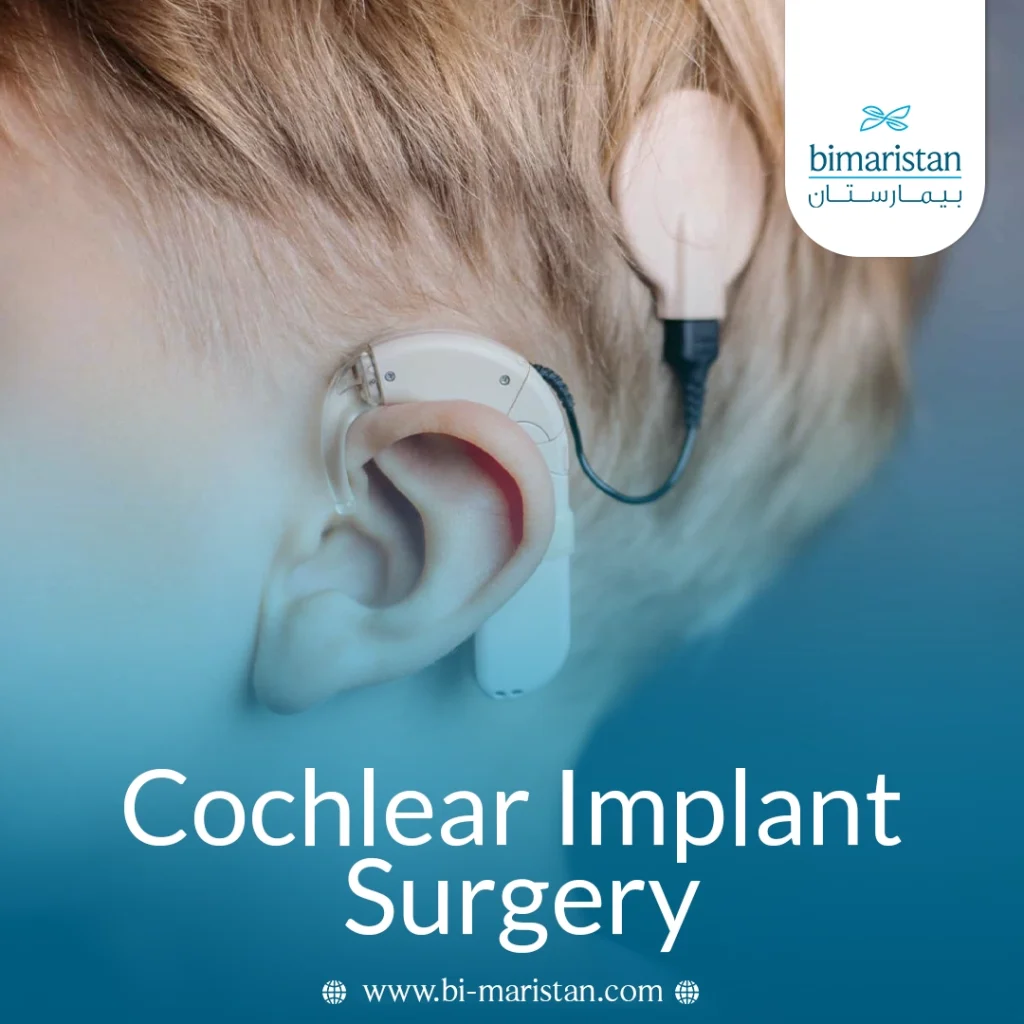
Understanding Cochlear Implant Types: A Comprehensive Guide to Modern Hearing Technology
Cochlear implants are surgically implanted medical devices that bypass damaged portions of the ear to directly stimulate the auditory nerve. While the core functionality of these devices remains consistent—converting sound waves into e...
Cochlear implants are surgically implanted medical devices that bypass damaged portions of the ear to directly stimulate the auditory nerve. While the core functionality of these devices remains consistent—converting sound waves into electrical signals—the specific technology is categorized by the anatomical placement of the processor, the method of fixation, and the signal processing strategy employed by the external component.
Contents
Defining the Cochlear Implant Core Architecture
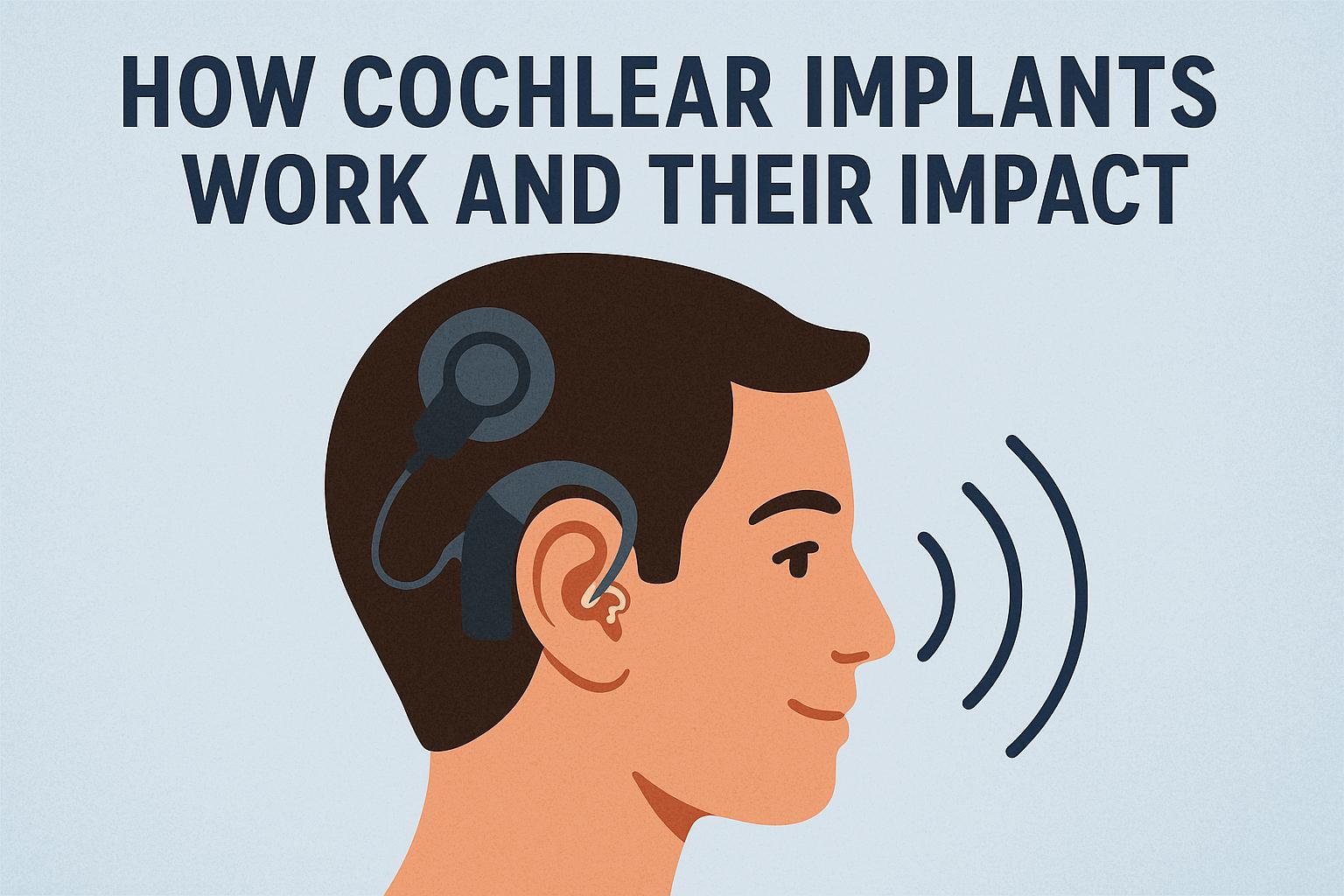
To understand the types of cochlear implants, it is essential to first recognize their unified anatomy. Every system consists of two primary parts: the internal receiver-stimulator, which is placed under the skin behind the ear with an electrode array inserted into the cochlea, and the external sound processor, which sits outside the body to capture acoustic information.
The differentiation in "types" does not typically refer to the internal implant itself, as the basic surgery is standardized across major manufacturers. Instead, distinctions arise from the external hardware configuration and the specific signal processing algorithms manufacturers implement to optimize sound quality for the user.
Categorizing by External Processor Design
The primary way patients distinguish between cochlear implant options is through the design of the external processor. As of 2026, there are three primary form factors available:
1. Behind-the-Ear (BTE) Processors
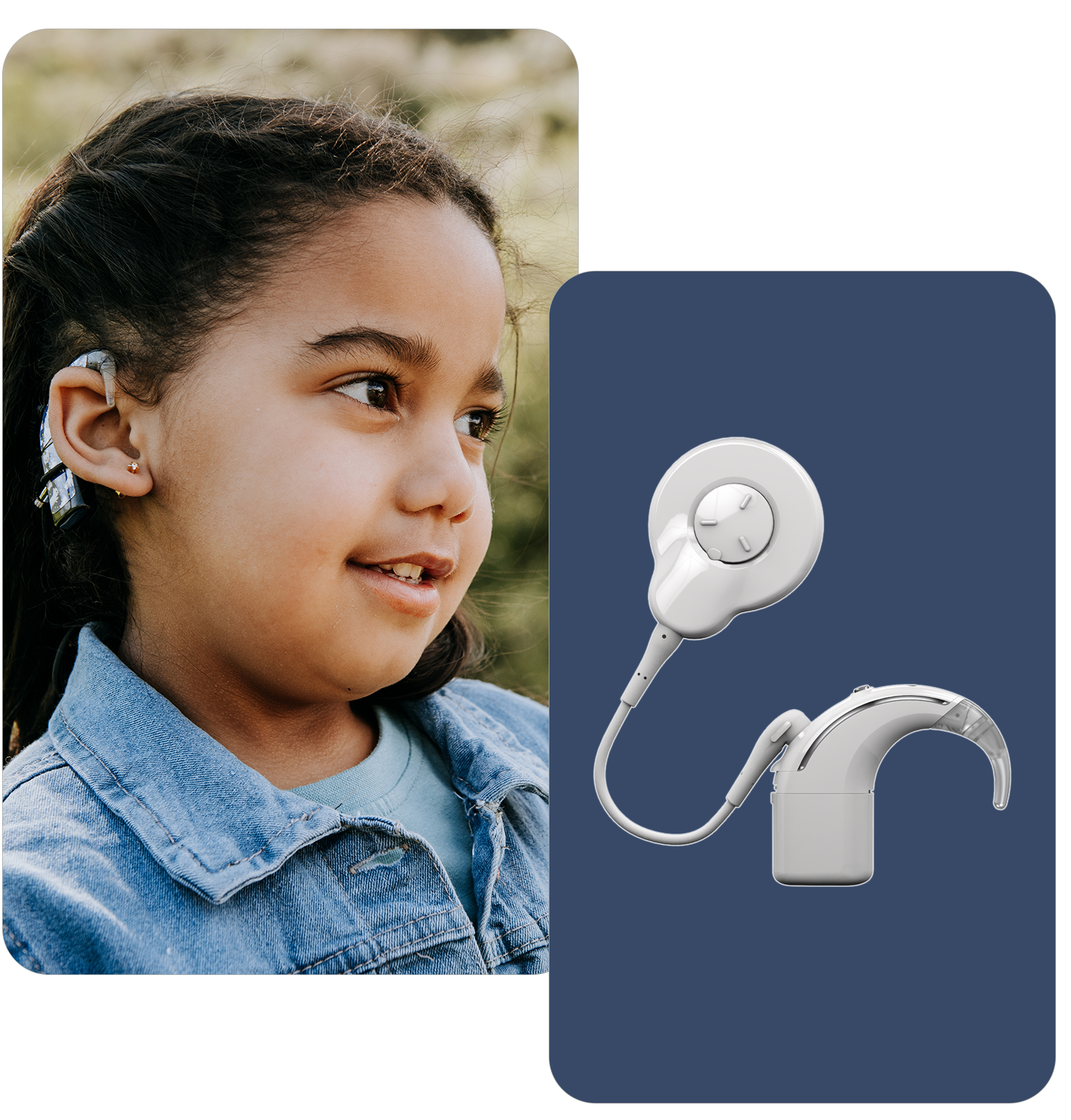
The BTE processor is the traditional model. It resembles a conventional hearing aid, with the main body worn behind the ear and a cable connecting it to the headpiece (coil) held in place by a magnet.
- Advantages: These models typically offer the longest battery life and the most processing power, as the housing is large enough to accommodate robust electronics and larger battery cells. They are often favored for pediatric users who may require more frequent manual adjustments or specific connectivity features.
- Suitability: Ideal for users who prioritize battery longevity and advanced connectivity, such as direct streaming from multiple mobile devices or high-capacity wireless microphone systems.
2. Off-the-Ear (OTE) or Single-Unit Processors
These systems integrate the processor, battery, and coil into a single, compact unit that attaches directly to the scalp via the internal magnet. There is no portion worn behind the ear.
- Advantages: This design is highly discreet and eliminates the "behind-the-ear" obstruction, which is particularly beneficial for individuals who wear eyeglasses or who find the sensation of a device behind their ear physically uncomfortable.
- Suitability: Preferred by active adults and those prioritizing aesthetics and comfort. Because the device is situated higher on the head, the microphone placement differs, which can change the user's perception of sound localization.
3. Hybrid (Electro-Acoustic) Systems
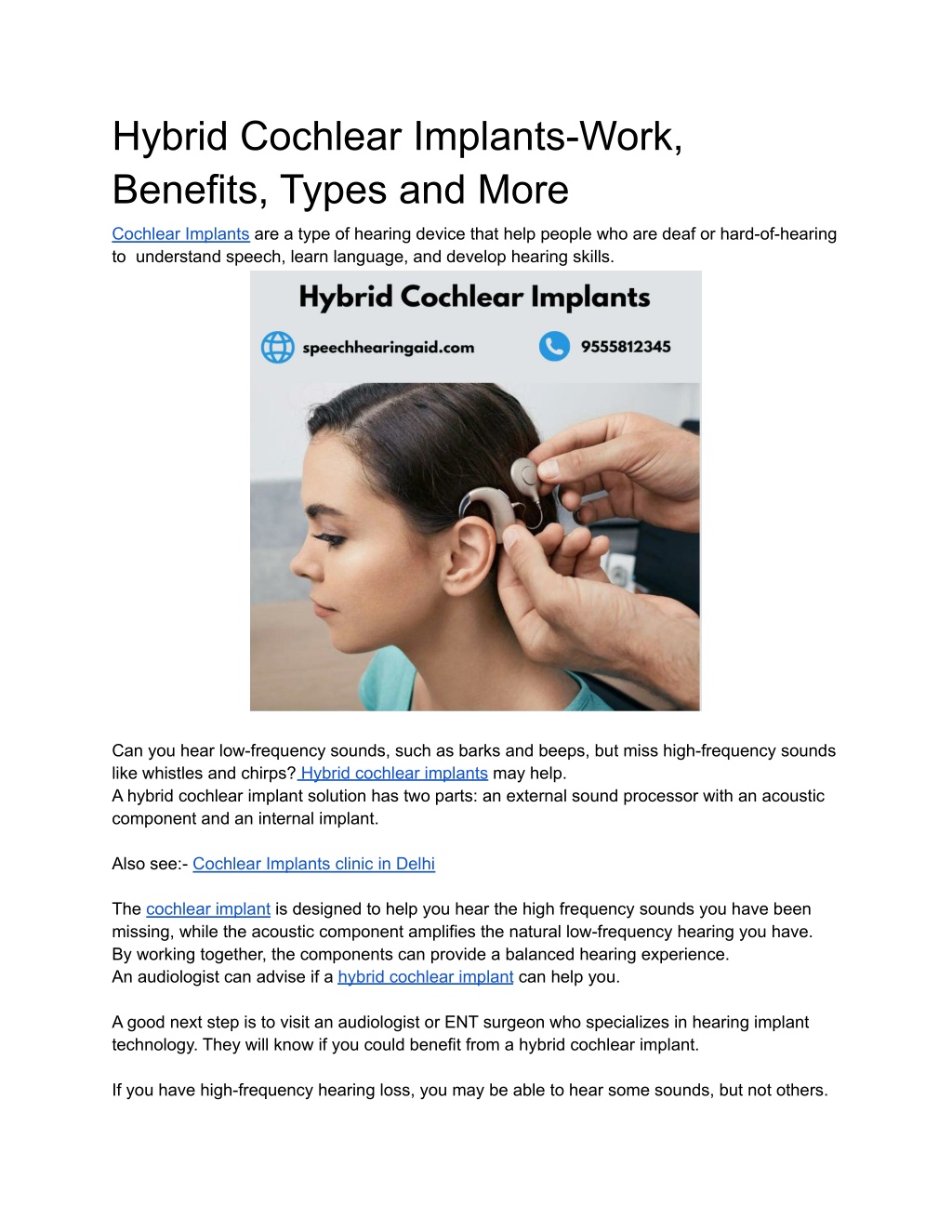
Some patients possess significant residual low-frequency hearing but lack high-frequency clarity. A Hybrid system uses a shorter electrode array combined with an acoustic component (a traditional hearing aid speaker) to provide both electric stimulation for high-frequency sounds and acoustic amplification for low-frequency sounds.
- Advantages: This "bimodal" approach preserves natural sound quality for the lower frequencies while providing the necessary stimulation for the frequencies where the patient is profoundly deaf.
- Suitability: Candidates must meet specific audiometric criteria regarding their remaining natural hearing capacity.
Comparative Overview of Device Configurations
The following table summarizes the practical differences between these design types to assist in identifying the most suitable configuration for a specific lifestyle.
| Feature Type | BTE (Behind-the-Ear) | OTE (Off-the-Ear) | Hybrid (Electro-Acoustic) |
|---|---|---|---|
| Physical Profile | Visible behind the ear | Low-profile / Hidden | Visible behind the ear |
| Best For | Power, Connectivity | Aesthetics, Comfort | Partial Hearing Preservation |
| Battery Life | Typically longest | Moderate to Long | Variable |
| Microphone Placement | Behind the ear | On the scalp | Combined (Acoustic + Electric) |
Technical Considerations and Signal Processing
While the external processor design is the most visible difference, the internal "type" is defined by the manufacturer’s signal processing strategy. Manufacturers like Cochlear, Advanced Bionics, and MED-EL each utilize proprietary coding strategies to map sound to the auditory nerve.
- Electrode Array Depth: Some implants feature longer electrode arrays designed to reach the apex of the cochlea, while others utilize shorter arrays designed specifically for surgical preservation of natural hearing structures.
- Stimulation Rate: Higher stimulation rates, measured in pulses per second, allow for more precise timing cues. Users with specific neurological profiles may benefit more from higher stimulation rates, which require advanced, high-efficiency processor chips.
Prerequisites for Candidacy
Not all individuals are candidates for all types of implants. The selection process is strictly dictated by medical and audiological assessment:
- Audiometric Testing: Specialists perform comprehensive hearing tests to determine the degree of sensorineural hearing loss.
- Anatomical Imaging: High-resolution CT or MRI scans are necessary to evaluate the cochlea’s anatomy. If the cochlea is malformed or ossified, certain types of electrode arrays may not be suitable.
- General Health: Because the installation of a cochlear implant requires general anesthesia, the patient's overall ability to tolerate surgery must be evaluated by a medical team.
Medical and Financial Context
In 2026, cochlear implantation is considered a standard-of-care procedure for severe-to-profound sensorineural hearing loss. However, it is not a "cure." It is a transformative, assistive technology. Costs vary significantly based on jurisdictional insurance coverage, the specific model chosen, and the post-operative rehabilitation required.
- Consultation Requirements: Always consult with an otolaryngologist (ear, nose, and throat surgeon) and an audiologist. They serve as the gatekeepers for device selection, ensuring the chosen implant aligns with your specific biological and auditory needs.
- Limitations: No implant perfectly replicates natural human hearing. Patients should expect a "re-learning" phase where the brain adapts to electrical signals that differ from the acoustic sounds they previously understood.
Frequently Asked Questions
Are there wireless options for cochlear implants? Yes. Modern processors in 2026 are highly advanced and support Bluetooth Low Energy (LE) and proprietary wireless protocols. This allows users to stream phone calls, music, and audio directly from smartphones and TV transmitters to their processors, regardless of the BTE or OTE style.
Can I switch between BTE and OTE processors? Often, yes. If you use a system from a major manufacturer, the internal implant may be compatible with both BTE and OTE processors. This allows users to upgrade or swap their external hardware as their lifestyle needs change over time.
Do cochlear implants require replacement? The internal implant is designed for long-term use and is intended to last for decades. The external processor, however, contains the battery and computer hardware; it is typically upgraded every 5 to 7 years to take advantage of improvements in software and battery efficiency.
Is surgery required for all cochlear implant types? Yes. The internal receiver-stimulator and the electrode array must be implanted into the temporal bone and the cochlea, respectively, via surgical procedure. There is no non-surgical version of a cochlear implant.
How long is the adaptation period after surgery? The adaptation period is highly individual. While the device is "activated" a few weeks after surgery, the brain requires time—often several months—of consistent auditory training to interpret the new electrical signals as recognizable speech and sound.
Next Actions for Prospective Candidates
If you or a loved one are considering a cochlear implant, the most critical next step is to schedule an appointment with a cochlear implant center that performs a multidisciplinary evaluation. Do not attempt to choose a device brand or type based on online forums or marketing materials alone. Request a consultation with an audiologist who specializes in cochlear implants to review your specific audiogram and anatomical scans.
Ensure that your insurance or healthcare provider covers the entire continuum of care, including the device, the surgery, and the essential post-operative speech-language therapy.
Image Gallery