Understanding Asset Classes for Investment: A Strategic Framework
Asset classes for investment represent the fundamental categories into which financial instruments are grouped based on their shared characteristics, legal structures, and behavior within the broader market. By categorizing holdings in...
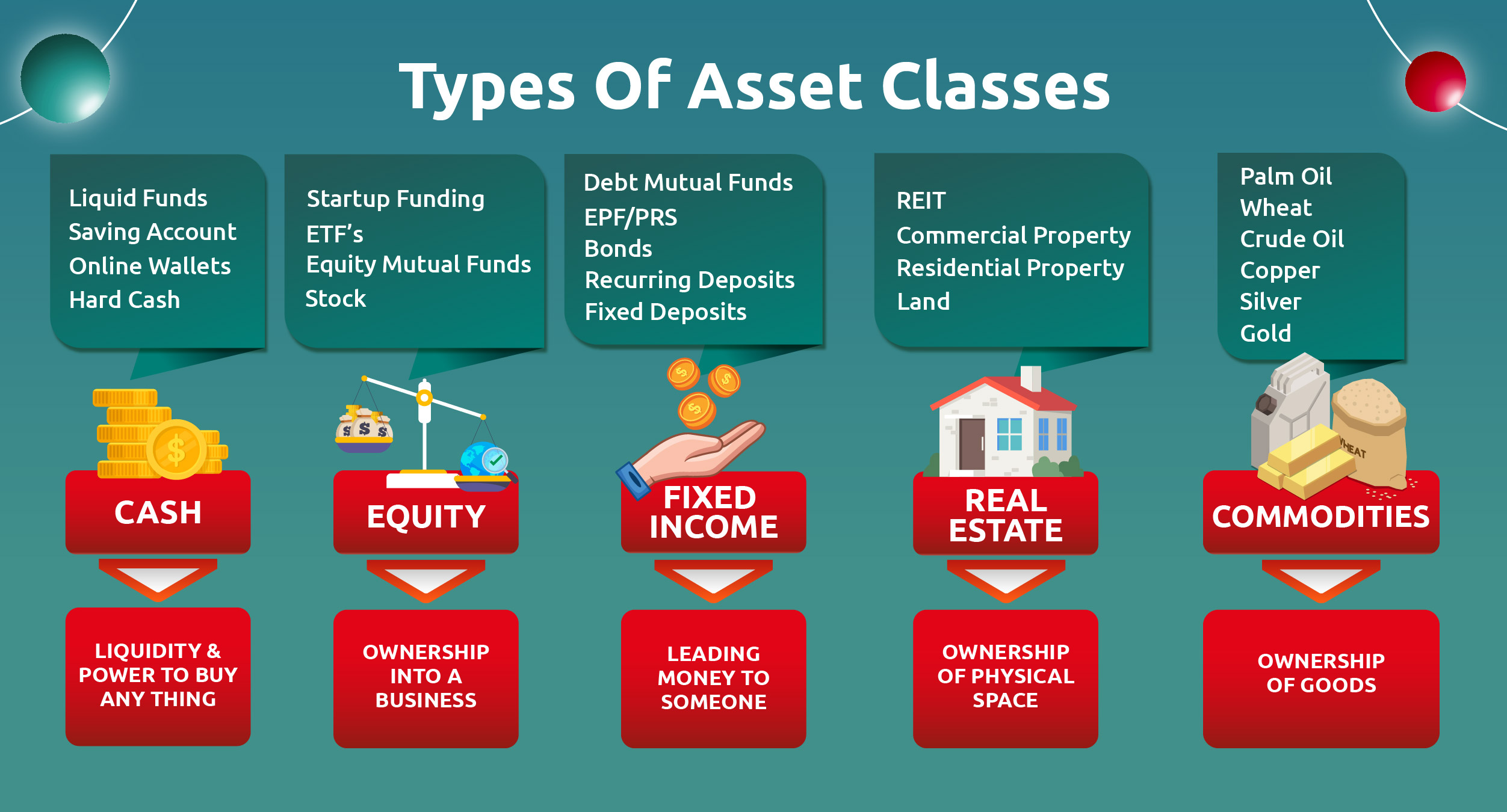
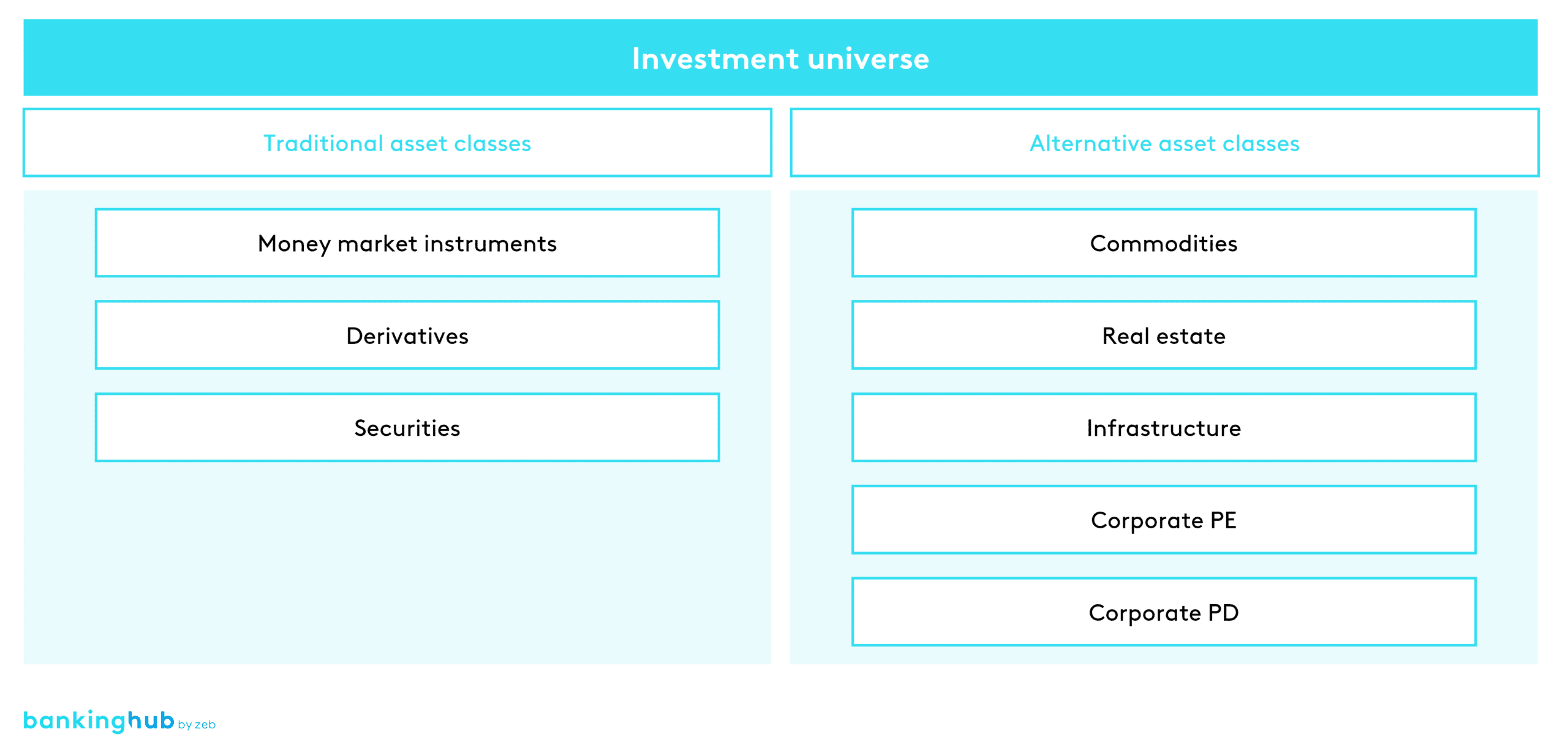
Asset classes for investment represent the fundamental categories into which financial instruments are grouped based on their shared characteristics, legal structures, and behavior within the broader market. By categorizing holdings into distinct buckets—primarily equities, fixed income, cash equivalents, real estate, and alternative investments—investors can better manage risk, achieve diversification, and align their portfolio performance with long-term financial objectives.
Contents
Defining the Core Asset Classes
To construct a robust portfolio, an investor must first understand the primary mechanics of each asset class. These are not merely labels but definitions of how an asset generates returns and how it reacts to macroeconomic pressures such as inflation, interest rate shifts, and geopolitical volatility.
1. Equities (Stocks)
Equities represent ownership in a corporation. When you purchase a share of stock, you are buying a proportional claim on the company’s assets and future earnings. Equities are generally categorized by market capitalization (large, mid, and small-cap), geography (domestic versus international), and style (growth versus value). Historically, equities have provided higher long-term returns compared to other asset classes, but they carry significantly higher volatility.
2. Fixed Income (Bonds)
Fixed income assets are essentially loans made by an investor to an entity, such as a government or a corporation. In exchange for the capital, the issuer agrees to pay interest—the "coupon"—over a specified timeframe and return the principal at maturity. These are often viewed as a defensive component of a portfolio, providing regular income streams and relative price stability, though they remain sensitive to interest rate fluctuations and credit risk.
3. Cash and Cash Equivalents
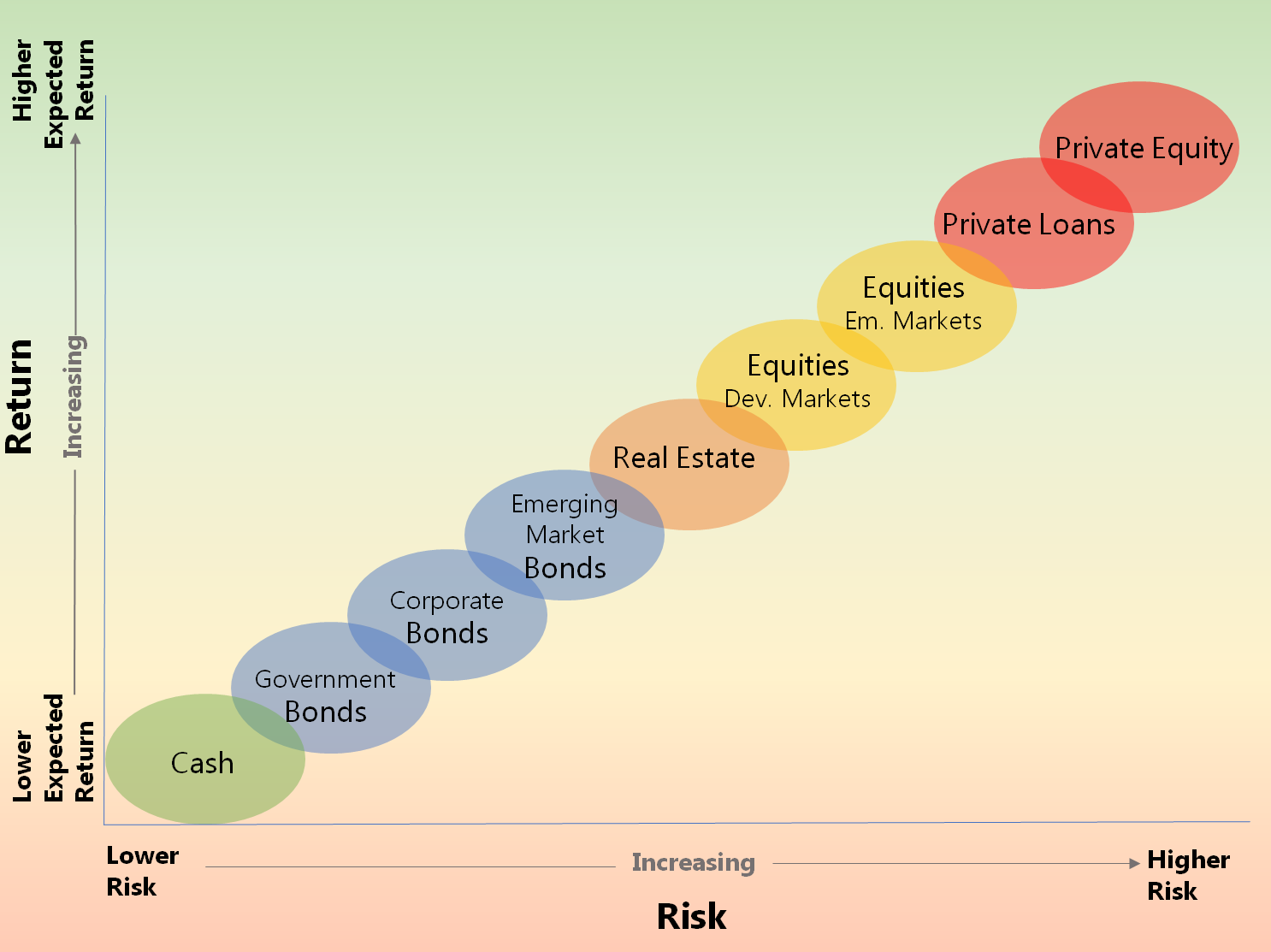
This class includes highly liquid, short-term instruments such as Treasury bills, certificates of deposit (CDs), and money market funds. Cash equivalents are designed for capital preservation and liquidity. While they offer the lowest risk of principal loss, they also provide the lowest expected return, often failing to outpace inflation over extended periods.
4. Real Estate and Tangible Assets
Real estate involves physical or financial ownership of property. Investors may hold physical commercial or residential properties, or access the market through Real Estate Investment Trusts (REITs). These assets often provide a hedge against inflation because property values and rental income tend to rise alongside the general cost of living.
5. Alternative Investments
This category encompasses assets that do not fit neatly into the traditional boxes of stocks or bonds. This includes private equity, hedge funds, commodities (gold, oil, industrial metals), and digital assets. Alternatives often exhibit low correlation with traditional markets, meaning they may perform well when stocks are declining, though they frequently come with lower liquidity and higher management fees.
Comparative Overview of Major Asset Classes
The following table summarizes the primary risk-return profile and the typical role each class plays within a diversified investment strategy.
| Asset Class | Primary Goal | Liquidity | Risk Level | Inflation Hedge |
|---|---|---|---|---|
| Equities | Capital Appreciation | High | High | Moderate |
| Fixed Income | Income Generation | High | Low to Moderate | Low |
| Cash | Capital Preservation | Very High | Very Low | None |
| Real Estate | Income & Growth | Low | Moderate | High |
| Alternatives | Diversification | Low | High | Variable |
The Role of Correlation in Portfolio Construction
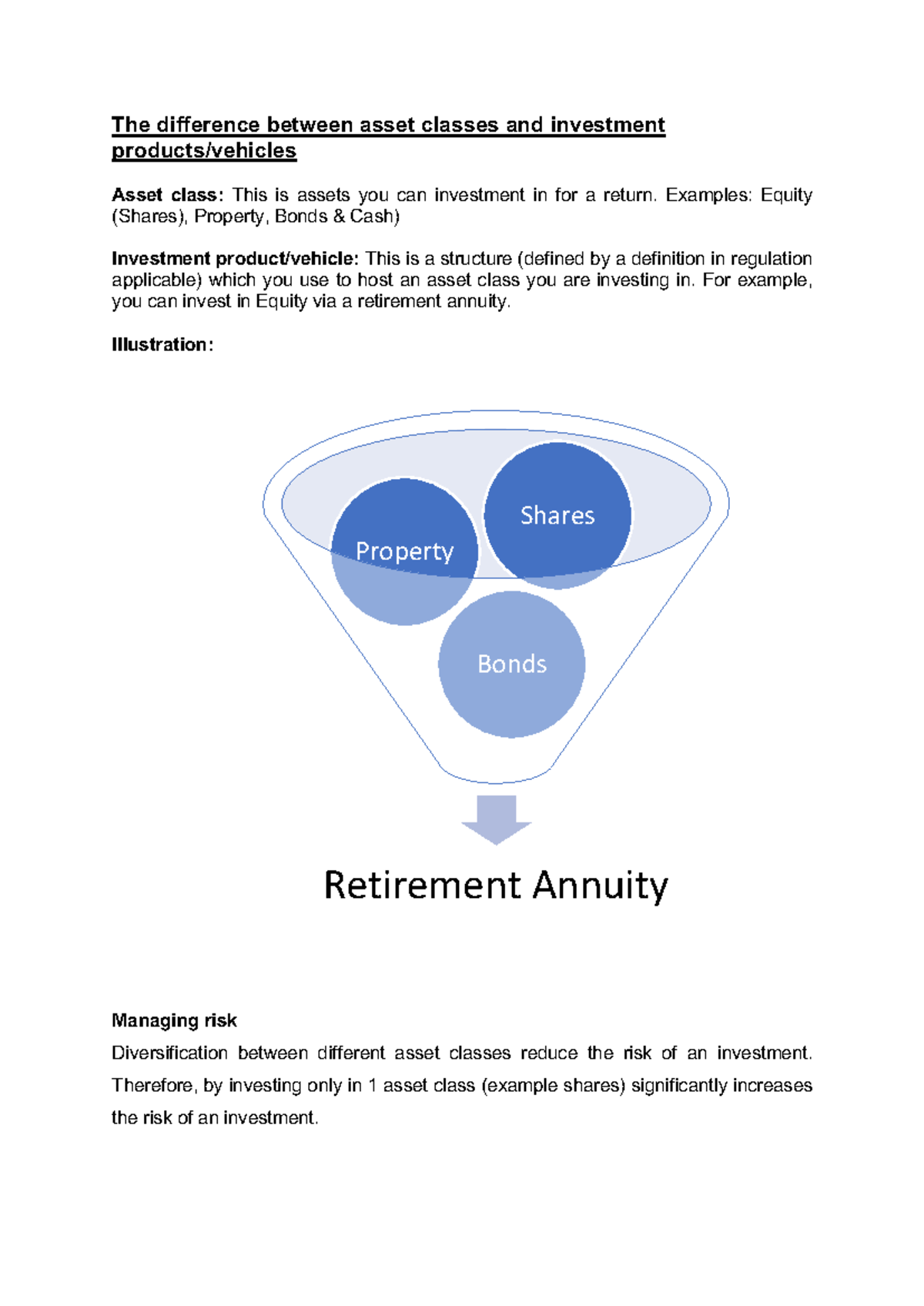
The primary reason for distinguishing between these asset classes is to exploit the lack of correlation between them. Correlation measures how two assets move in relation to one another. If an investor holds only equities, a broad market crash will devalue their entire net worth. If that investor introduces fixed income or commodities—which may react differently to the same economic news—they reduce the total volatility of their portfolio.
Modern Portfolio Theory (MPT) suggests that for any given level of risk, there is an optimal mix of assets that provides the highest possible expected return. In 2026, many institutional investors continue to emphasize that the allocation between these classes (e.g., 60% equities, 40% bonds) is a more significant determinant of long-term success than the selection of individual stocks or bonds within those classes.
Prerequisites for Strategic Asset Allocation
Before diversifying across asset classes, an investor must establish three fundamental pillars:
- Investment Horizon: The time until you need the capital. A longer horizon allows an investor to withstand the volatility of equities, whereas a short horizon necessitates a higher allocation to cash and fixed income.
- Risk Tolerance: This is both an emotional and financial capacity. Can you psychologically handle a 20% decline in portfolio value without selling? If not, a high-equity allocation is unsuitable regardless of historical performance.
- Liquidity Requirements: Unexpected expenses or known future obligations (such as tuition or property taxes) should be funded by liquid assets (cash equivalents) to prevent the forced sale of long-term investments during a market downturn.
Common Mistakes and Implementation Challenges
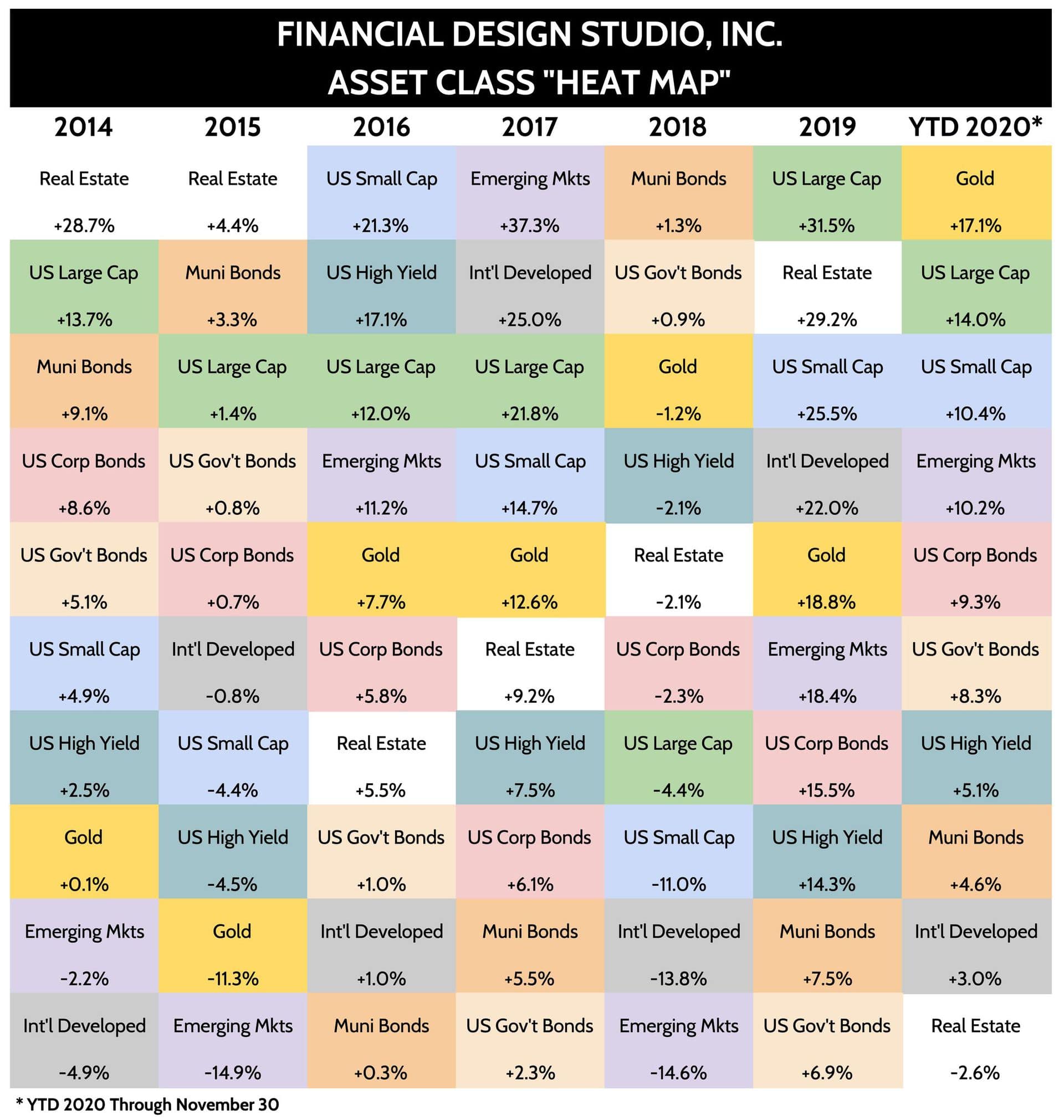
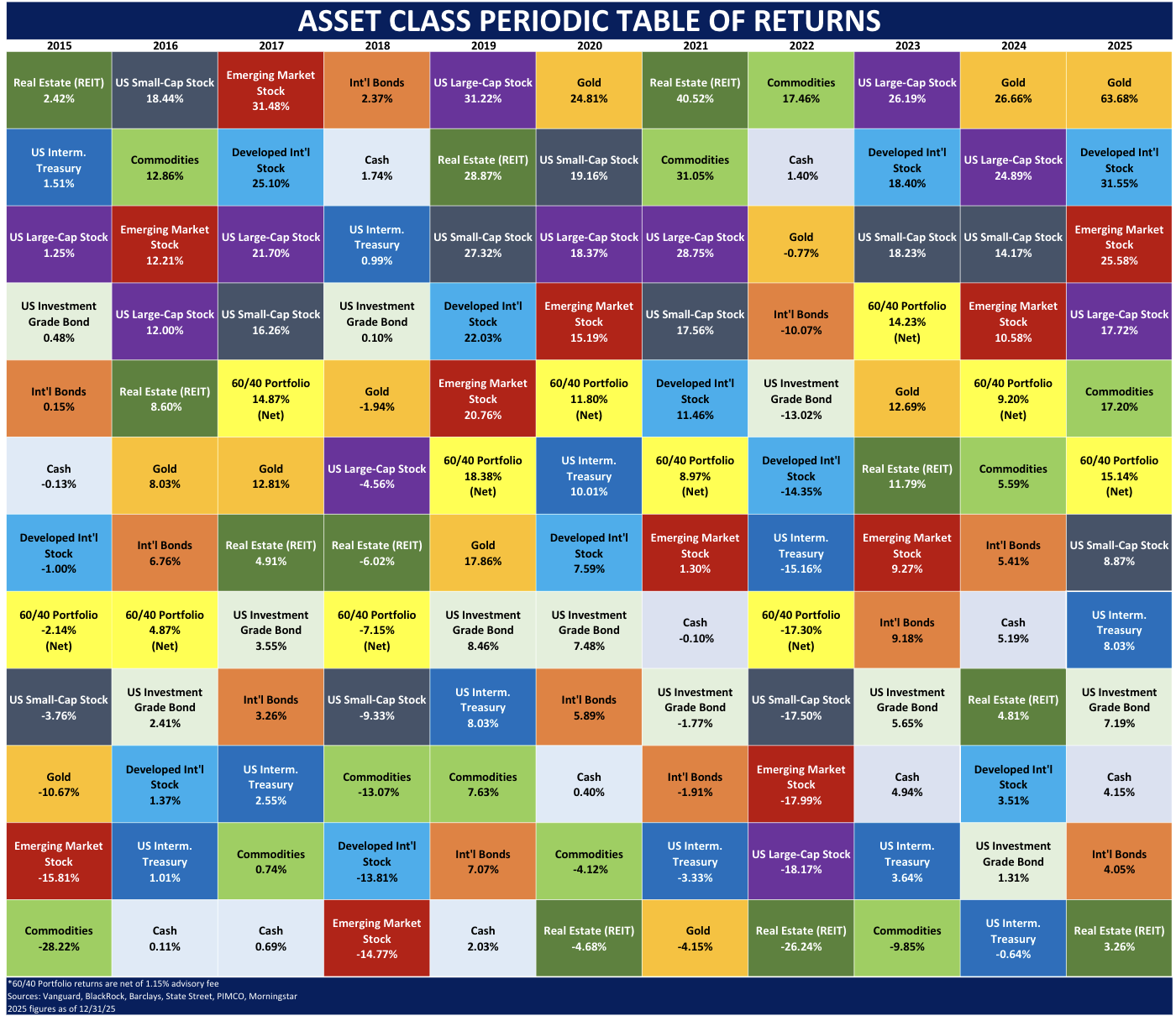
One of the most frequent errors investors make is "performance chasing." This occurs when an investor moves assets into a class that has recently performed exceptionally well, often buying at the peak. A disciplined approach involves setting a "target allocation" for each asset class and periodically rebalancing back to that target. Rebalancing forces the investor to sell assets that have grown large (often at a profit) and buy assets that have underperformed, effectively enforcing a "buy low, sell high" strategy.
Another challenge is the management of transaction costs and taxes. In taxable accounts, frequent rebalancing can trigger capital gains taxes. Investors should prioritize tax-advantaged accounts (such as IRAs or 401(k) plans) for assets that generate high dividend income or frequent trades, while holding long-term, tax-efficient equity index funds in taxable brokerage accounts.
Frequently Asked Questions
Why are alternative investments often considered higher risk? Alternatives such as private equity or hedge funds typically involve longer "lock-up" periods where your capital cannot be withdrawn. They often lack the transparency of publicly traded stocks and may carry higher management fees that can erode long-term gains.
How does inflation impact different asset classes? Inflation erodes the purchasing power of cash and fixed-income coupons. Equities can provide a buffer if the underlying companies have the "pricing power" to pass costs to consumers, while real estate and commodities generally serve as better hedges because their intrinsic value is physically linked to the economy.
Is there a "perfect" asset allocation for everyone? No. An optimal portfolio is entirely dependent on the individual’s unique age, income stability, and financial goals. A retiree primarily focused on income will have a drastically different allocation than a young professional with a 30-year accumulation horizon.
What is the minimum amount needed to start diversifying? With the prevalence of fractional shares and low-cost exchange-traded funds (ETFs) in 2026, investors can start diversifying across multiple asset classes with very little capital. You no longer need thousands of dollars to gain exposure to real estate or international markets.
Should I include digital assets as an asset class? Many institutional platforms now recognize digital assets (such as Bitcoin) as a distinct speculative class. While they exhibit characteristics of a store of value, they lack a historical long-term track record compared to stocks or bonds and are subject to regulatory uncertainty.
Next Steps for Implementation
To build your portfolio, start by auditing your current holdings to identify your current "de facto" allocation. Determine if your split between equities, fixed income, and cash aligns with your timeline and risk tolerance. If you find your portfolio is heavily skewed toward one class, gradually rebalance over several months to minimize tax impact. Consult with a qualified financial advisor to ensure your strategy accounts for your specific tax jurisdiction and estate planning needs.
Image Gallery