Mastering Sally’s Baking Addiction Gingerbread Bars: A Comprehensive Guide
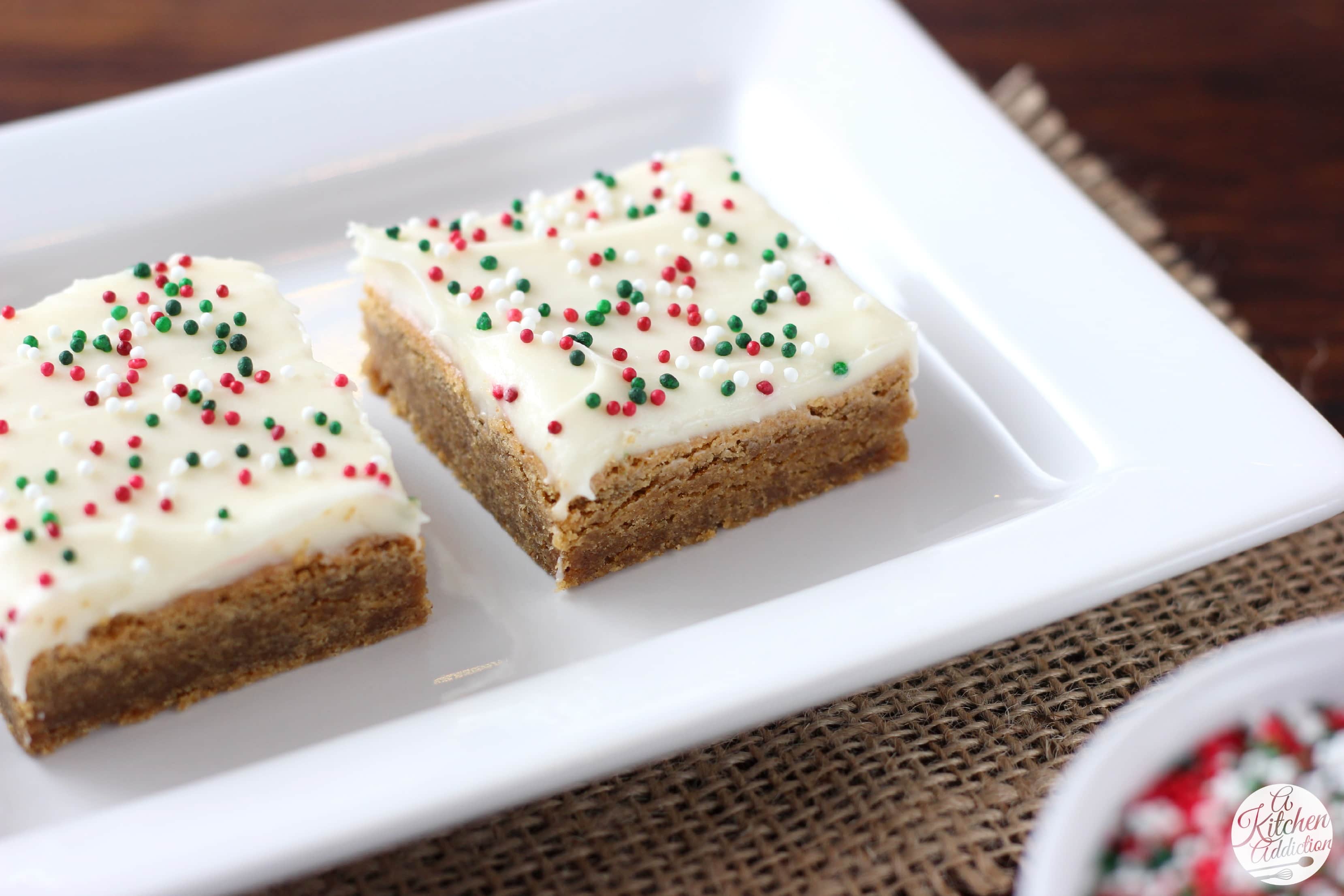
Sally’s Baking Addiction gingerbread bars represent a refined, bar-format evolution of traditional gingerbread, offering a chewy, spiced, and portable alternative to the classic cookie. By utilizing a dense, blondie-style base rich in...
Sally’s Baking Addiction gingerbread bars represent a refined, bar-format evolution of traditional gingerbread, offering a chewy, spiced, and portable alternative to the classic cookie. By utilizing a dense, blondie-style base rich in molasses and warm spices, these bars provide the quintessential holiday flavor profile with a significantly more efficient preparation method than rolling and cutting individual cookies.
Contents
Understanding the Gingerbread Bar Concept
Unlike traditional gingerbread men or cut-out cookies which require rolling, chilling, and stamping dough, gingerbread bars are designed as a "pour-and-bake" recipe. The primary appeal of this specific variety lies in its texture; it bridges the gap between a moist blondie and a soft gingerbread cake. The chemical interaction between the acidity in the molasses and the leavening agents—specifically baking soda—is what creates the characteristic rise and deep, dark color.
When approaching a recipe sourced from the Sally’s Baking Addiction platform, the primary goal is precision in measurement. Because baking is a science, the hydration level of the dough is controlled by the ratio of molasses to butter and flour. Deviating from these measurements can result in a bar that is either too cakey or overly tough.
Essential Ingredients and Their Functions
To successfully replicate these bars, one must understand how each component contributes to the final structure. The ingredient list is typically stable, yet each item serves a specific purpose in the chemical architecture of the bake.
- Molasses: The heartbeat of the recipe. Ensure you use unsulphured "mild" or "fancy" molasses. Avoid blackstrap molasses, as its high mineral content results in a bitter flavor profile that will overwhelm the delicate balance of spices.
- Brown Sugar: Provides moisture and a hint of caramel notes. The sugar content also aids in the "chew" factor; as the sugars melt during baking, they create a soft, tacky crumb.
- Warm Spices: A blend of ginger, cinnamon, cloves, and nutmeg. It is imperative that these spices are fresh. Spices lose potency over time; using ground ginger that has been in the pantry for two years will result in a muted, flat flavor.
- Butter: Typically used in its melted form for this recipe, the butter provides the necessary fat to coat the flour proteins, preventing excessive gluten development. This ensures the bars remain tender rather than bread-like.
Preparation and Technical Execution
The workflow for baking these bars is straightforward, but the technical execution—specifically regarding the mixing process and bake time—is where most errors occur.
- Preparation of the Pan: Line your baking pan with parchment paper, leaving an overhang on the sides. This acts as a sling, allowing you to lift the entire block of bars out of the pan once they have cooled. This is critical for achieving clean, sharp edges when slicing.
- Mixing Strategy: Creaming the butter and sugars (or simply whisking them, depending on the specific variation) ensures a uniform distribution. When adding the eggs, do so one at a time, ensuring each is fully incorporated before adding the next. This emulsion creates a stable batter.
- The "Doneness" Test: The greatest risk with gingerbread bars is overbaking. Because the molasses darkens the batter naturally, visual cues like "golden brown" are unreliable. Instead, rely on the touch test: the center should spring back slightly when pressed, and a toothpick inserted into the middle should come out with a few moist crumbs, not raw batter.
Comparative Analysis of Bar Variations
To assist in your decision-making process, the following table compares the typical characteristics of gingerbread bars against common alternative holiday baked goods.
| Feature | Gingerbread Bars | Traditional Cookies | Brownies |
|---|---|---|---|
| Preparation Effort | Low (One bowl/pan) | High (Chill/Roll/Cut) | Low (One bowl/pan) |
| Texture | Chewy/Dense | Crisp/Soft | Fudgy/Dense |
| Flavor Profile | Intense Spices | Balanced/Sweet | Chocolate-forward |
| Storage Life | 5–7 Days | 3–5 Days | 4–6 Days |
Troubleshooting Common Issues
Even with a reliable recipe, environmental factors can occasionally impact results.
- The Bars are Too Dry: This usually occurs if the flour was measured by scooping directly with the measuring cup rather than using the "spoon and level" method. Packing the flour can result in up to 25% more flour than required. Always weigh your ingredients using a digital scale if possible for maximum accuracy.
- The Bars are Sinking in the Middle: This often points to an issue with the leavening agents. Ensure your baking soda is active. You can test this by adding a small amount to vinegar; if it does not fizz immediately, it is expired and should be discarded.
- Uneven Baking: If your oven has "hot spots," the edges of the bars may bake significantly faster than the center. Rotate the pan 180 degrees halfway through the baking time to ensure consistent heat distribution.
Storage and Shelf Life Management
Gingerbread bars are excellent candidates for advance preparation. Because they contain fat and sugar—both of which act as preservatives—they maintain their texture well at room temperature for several days.
- Room Temperature: Store in an airtight container for up to five days. Place a small piece of parchment paper between layers if stacking to prevent sticking.
- Freezing: These bars freeze exceptionally well. Wrap the unsliced block tightly in plastic wrap, followed by a layer of aluminum foil. They can be frozen for up to three months. To serve, thaw them overnight in the refrigerator or on the counter for a few hours before slicing.
Frequently Asked Questions
Can I replace the molasses with maple syrup? No. Molasses provides a specific viscosity and acidity that maple syrup lacks. Using maple syrup will result in a thinner, sweeter product that will not achieve the depth of flavor or the chewy structure expected of a gingerbread bar.
How do I get clean slices without the bars crumbling? The secret is the temperature. Never slice the bars while they are warm. Allow the pan to cool completely to room temperature, then chill the pan in the refrigerator for at least 30 minutes before cutting. Use a sharp, non-serrated knife, and wipe the blade clean with a damp cloth between each cut.
Can I add mix-ins like white chocolate chips? Yes, white chocolate or even chopped candied ginger can be folded into the batter. Ensure that you do not exceed a total of 1/2 cup of add-ins to maintain the integrity of the base structure of the bars.
Should I frost these bars? While delicious on their own, a simple cream cheese glaze or a vanilla bean icing complements the spice profile well. If adding a glaze, wait until the bars are completely cool, otherwise, the heat will melt the glaze into the top of the bars.
Can I reduce the sugar in this recipe? Reducing sugar in baked goods like these bars affects more than just sweetness; it alters the structure, moisture, and preservation. If you reduce the sugar, the bars will likely become dry and brittle. It is recommended to follow the provided ratios for the best result.
Next Action: Perfecting Your Technique
To master these bars, start by verifying your dry ingredients are measured by weight (grams) rather than volume (cups). For your first attempt in 2026, focus on the "doneness" of the bake. Begin checking the pan at the earliest suggested time in the recipe. If the center feels firm, remove them immediately; the residual heat from the pan will finish the cooking process, ensuring the bars remain moist and chewy rather than dry.
Image Gallery