The Significance of the Janet Jackson and René Elizondo Jr. Relationship
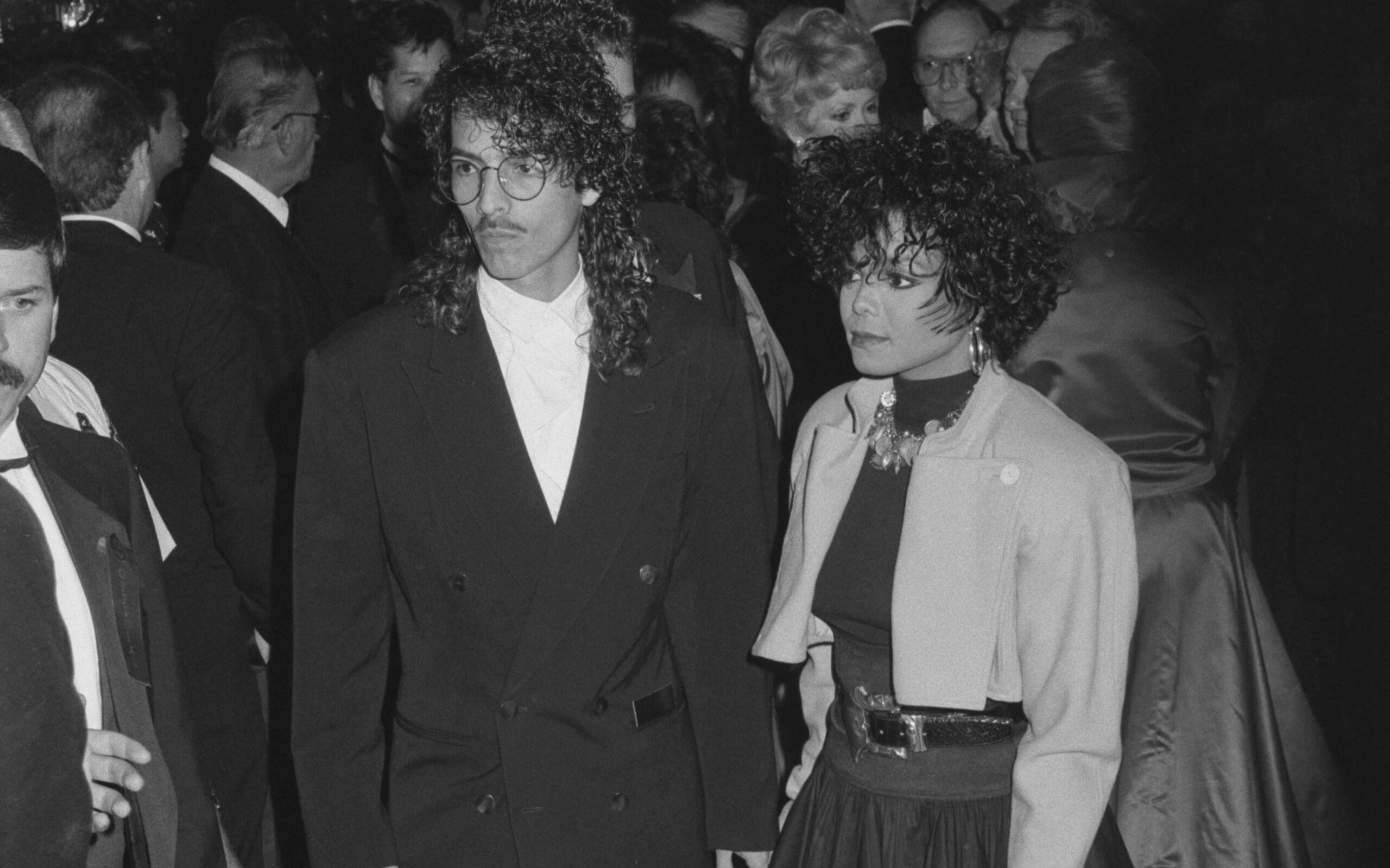
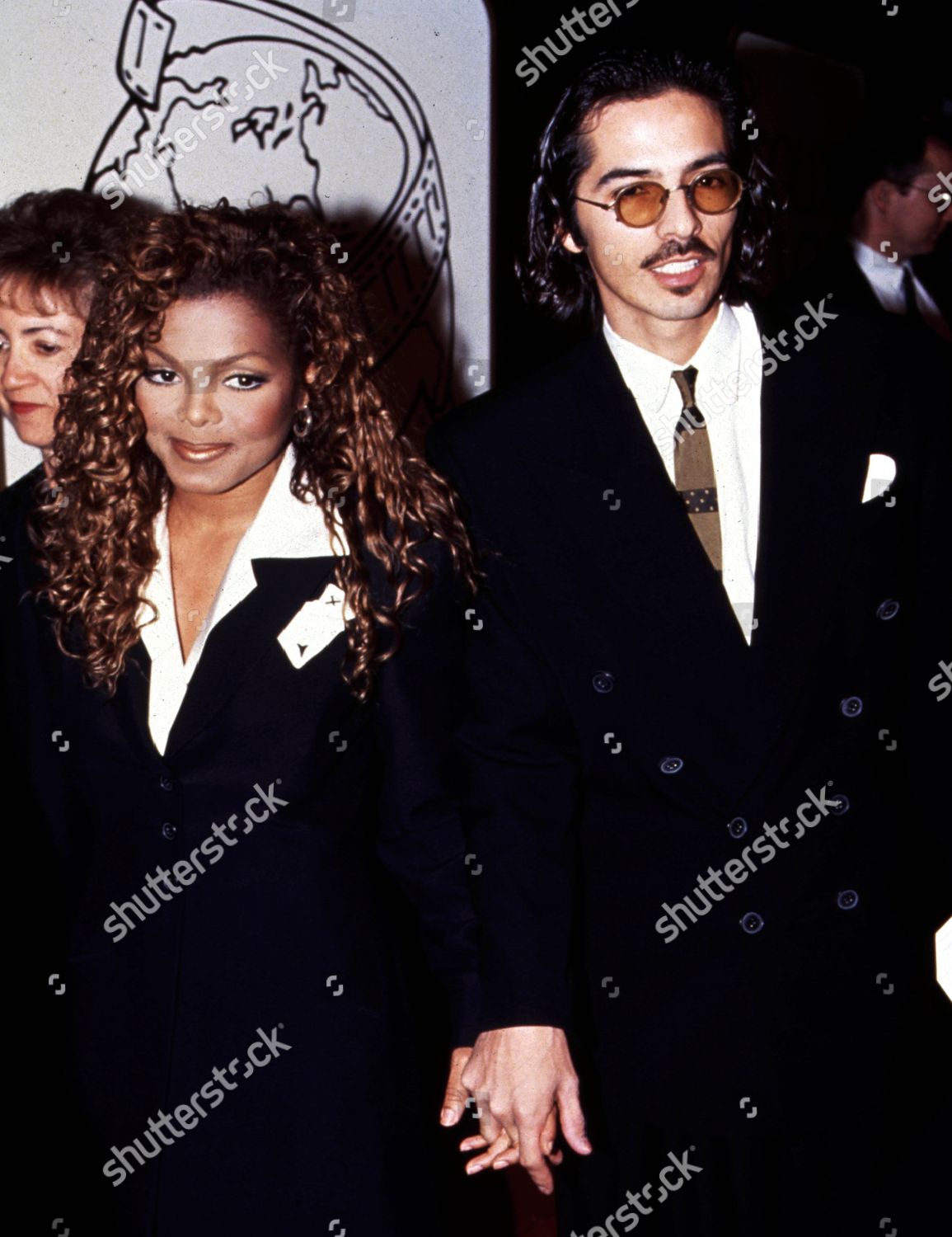
The partnership between Janet Jackson and René Elizondo Jr. remains a seminal study in the intersection of private intimacy and high-stakes creative collaboration. As a long-term songwriter, director, and creative partner, Elizondo pla...
The partnership between Janet Jackson and René Elizondo Jr. remains a seminal study in the intersection of private intimacy and high-stakes creative collaboration. As a long-term songwriter, director, and creative partner, Elizondo played a foundational role in shaping Jackson’s artistic identity throughout the 1990s, while their clandestine marriage highlights the immense pressures of maintaining a personal life within the intense scrutiny of global superstardom.
Contents
The Dynamics of a Hidden Partnership
René Elizondo Jr. entered Janet Jackson’s orbit as a music video dancer, but his role rapidly expanded into one of the most critical creative collaborations in pop music history. Throughout the 1990s, when Jackson was producing some of the most influential albums of her career—including janet. (1993) and The Velvet Rope (1997)—Elizondo was an omnipresent, albeit largely invisible, partner.
Their marriage, which began in 1991 and remained secret from the public until their divorce proceedings in 2000, illustrates the extreme lengths to which major pop icons of the era felt compelled to go to protect their personal autonomy. For Jackson, the secrecy was not merely about privacy; it was a strategy to maintain a distinct public persona that was not defined by her marital status. This period of secrecy allowed Jackson to cultivate an aura of mystery and independence that was central to the thematic content of her music during that decade.
Creative Contributions and Artistic Direction
Elizondo’s influence on Jackson’s work went far beyond the domestic sphere. He was credited as a songwriter on numerous tracks and directed several of her most iconic music videos. His involvement provided Jackson with a sounding board that understood the specific demands of her brand and the aesthetic she wished to project.
During the janet. era, the music reflected a more liberated, overtly sexualized, and self-assured identity. Elizondo’s role in directing visual media during this time helped cement the imagery associated with these songs, ensuring that the visual component was as tightly controlled and conceptually sound as the audio. By the time The Velvet Rope was released in 1997, the collaboration had deepened to include more introspective, vulnerable songwriting, dealing with themes of depression, self-discovery, and domestic tension—a direct reflection of the complexities they were navigating in private.
The Legal and Public Fallout
The significance of their relationship became most apparent when it dissolved. In 2000, the filing of divorce papers brought the reality of their decade-long union into the public domain. This event was a turning point in the discourse surrounding celebrity privacy.
The ensuing legal dispute over a spousal support claim and the division of assets served as a cautionary tale for high-net-worth entertainers regarding the importance of formal legal protections. The public revelation of their marriage shifted the narrative surrounding Jackson, forcing a re-evaluation of her career milestones through the lens of a partnership that the public had been unaware of for years. It demonstrated that even the most carefully guarded secrets have a shelf life and that the contractual realities of marriage can have significant financial and personal implications for global stars.
Comparative Influence in Creative Partnerships
To understand why the Jackson-Elizondo dynamic matters, it is helpful to compare their structure to other legendary creative-romantic pairings in the music industry.
| Partnership | Primary Roles | Nature of Collaboration | Public Awareness |
|---|---|---|---|
| Janet Jackson & René Elizondo | Music, Directing, Writing | Deeply integrated/Hidden | Secret (1991–2000) |
| Ike & Tina Turner | Performance, Production | Hierarchical/Public | Public |
| Gwen Stefani & Gavin Rossdale | Songwriting/Lifestyle | Peer-based/Public | Public |
| Beyoncé & Jay-Z | Music, Business, Brand | Peer-based/Strategic | Public |
As evidenced by this comparison, the Jackson-Elizondo dynamic was unique in its sustained commitment to total obfuscation. While other power couples utilized their relationship to build a unified brand identity, Jackson and Elizondo chose to separate their domestic reality from the product that was "Janet Jackson."
The Lessons for Modern Celebrity
The legacy of their relationship serves as an early case study in "brand management" as it relates to personal life. In the mid-2020s, with social media providing a constant window into the lives of stars, the concept of a secret marriage seems almost impossible to replicate. However, the questions they raised remain relevant:
- Ownership of Narrative: To what extent can an artist control how much of their life is public versus private?
- Creative Integrity: How does a romantic partner impact the creative direction of an artist's output?
- Legal Risk Management: Why is it vital to distinguish between professional creative collaboration and legal marital contracts?
Frequently Asked Questions
Why did Janet Jackson and René Elizondo hide their marriage? The secrecy was driven by a desire to keep Jackson’s professional persona separate from her personal life. At the peak of her fame, Jackson sought to maintain a sense of autonomy and mystery, believing that the public’s perception of her as an independent force would be diluted if her marriage were common knowledge.
What specific creative works did René Elizondo contribute to? Elizondo was a key contributor to Jackson’s creative output during the 1990s, particularly on the janet. and The Velvet Rope albums. He co-wrote several songs and directed various music videos, contributing to the visual and sonic aesthetic that defined Jackson’s work during that decade.
How did the divorce impact Janet Jackson’s career? The divorce forced a public re-evaluation of her previous decade of work. Once the marriage was revealed, critics and fans alike viewed her albums from that period through a new lens, recognizing the personal influences and struggles that had been hidden behind the "Janet Jackson" brand.
Is there a lasting legacy of this relationship? Yes, the relationship remains a reference point for discussions on the intersection of celebrity, privacy, and intellectual property. It highlighted the risks and rewards of mixing personal relationships with high-level professional careers.
Why does this matter in 2026? The dynamics of celebrity privacy have shifted dramatically since the 1990s. The Jackson-Elizondo era represents a distinct period before the digital age of total transparency, making it a critical historical touchstone for understanding how fame was managed in the pre-social media era.
Final Recommendation
For those interested in the history of music industry management and the evolution of celebrity privacy, the Jackson-Elizondo story is essential reading. It serves as a reminder that the "image" presented by an artist is often a curated selection of reality, and that the behind-the-scenes reality—including creative partnerships—can be far more complex than the headlines suggest. To further understand this period, analyze the technical credits on The Velvet Rope in parallel with the timeline of their separation to see how personal turmoil influenced the creative output of the album.
Image Gallery