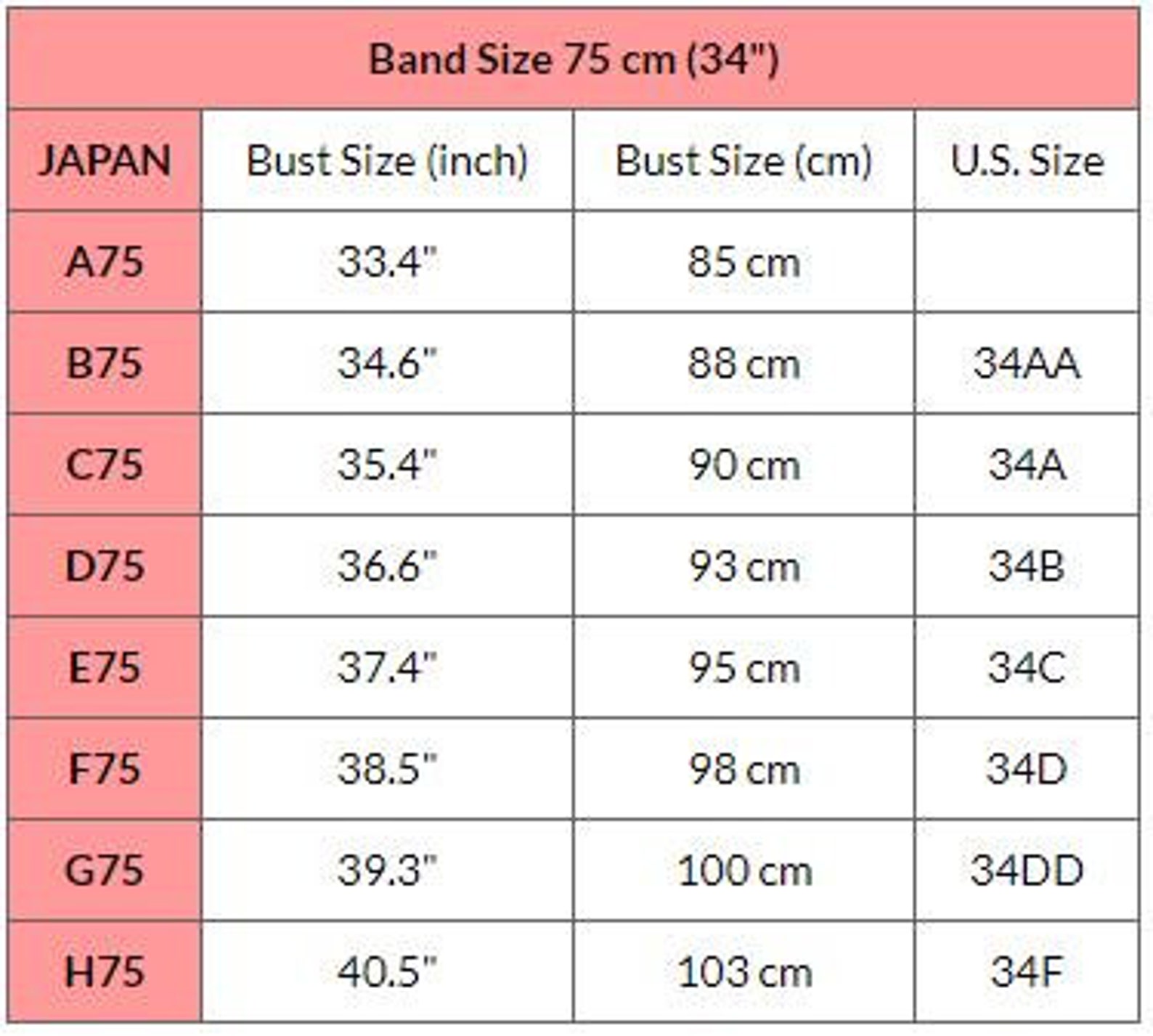
Understanding the Visual Cup Size Chart for Accurate Bra Fitting
Achieving an accurate bra fit requires moving beyond simplified visual charts, which often lack the necessary technical nuance to account for variations in breast shape, tissue density, and band-to-cup ratios. By combining precise phys...
Achieving an accurate bra fit requires moving beyond simplified visual charts, which often lack the necessary technical nuance to account for variations in breast shape, tissue density, and band-to-cup ratios. By combining precise physical measurements—specifically the underbust and overbust—with an understanding of your unique anatomy, you can identify a size that offers both structural support and physical comfort.
Contents
The Limitations of Visual Cup Size Charts
Visual cup size charts are frequently marketed as universal tools for determining bra size. However, these charts often rely on outdated methodologies, such as the "add four inches" rule, which was developed in the mid-20th century to compensate for the limited elasticity of fabrics available at the time. In the modern garment industry of 2026, synthetic fibers and elastane blends provide significantly more stretch, rendering these legacy calculations largely inaccurate for many individuals.
A visual cup size chart is best viewed as a starting point rather than a final authority. These charts struggle to account for the "sister size" phenomenon, where the volume of the cup remains constant even as the band size changes. For instance, a 32D, 34C, and 36B often hold the same volume of breast tissue. When relying solely on a visual chart, you risk ignoring how your rib cage structure interacts with your breast root—the area where your breast tissue attaches to the chest wall.
Prerequisites for Accurate Fitting
Before consulting a chart, you must establish a baseline through manual measurement. Do not measure over an existing bra, as the lift provided by the padding or wire will result in a distorted measurement.
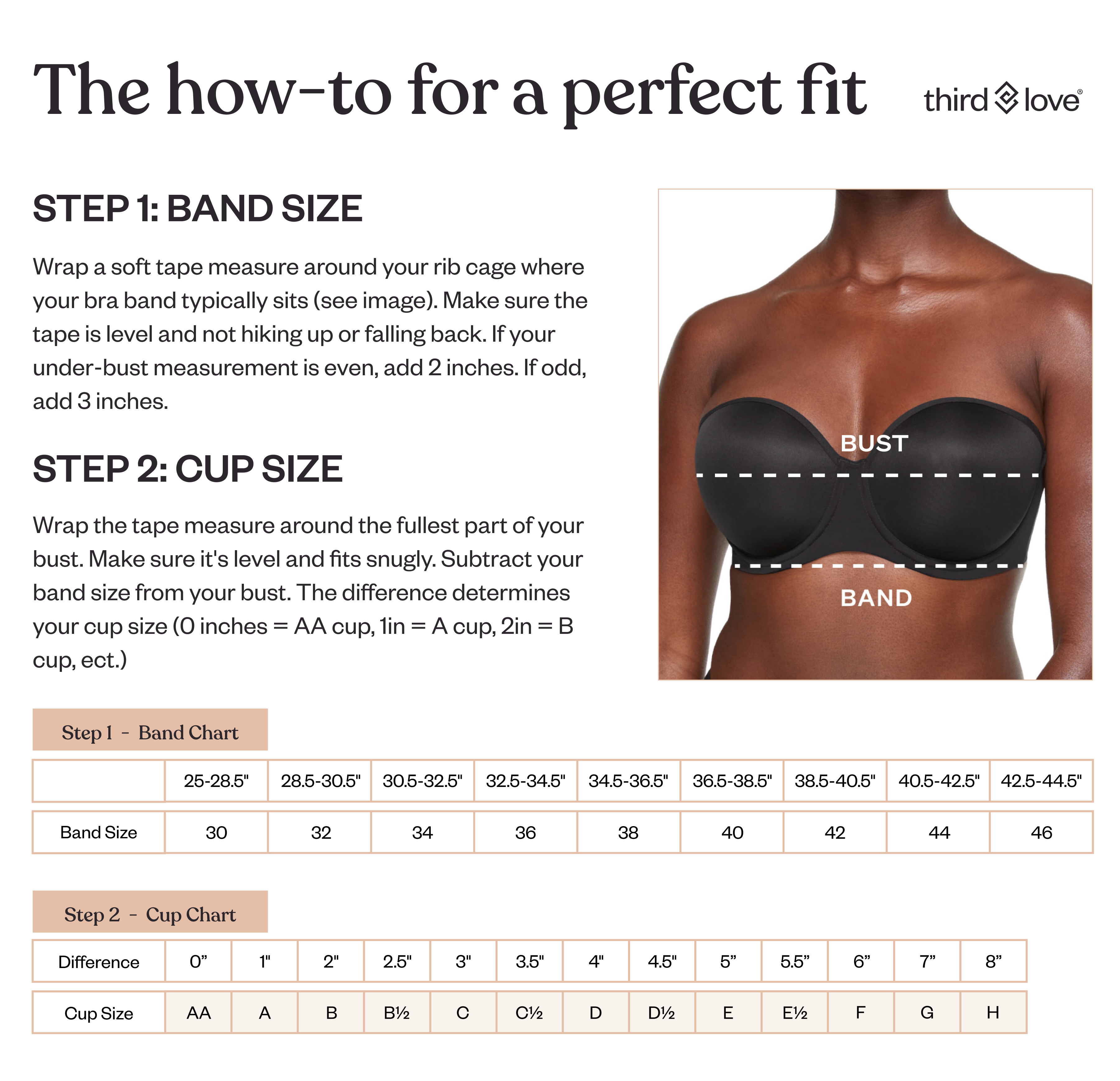
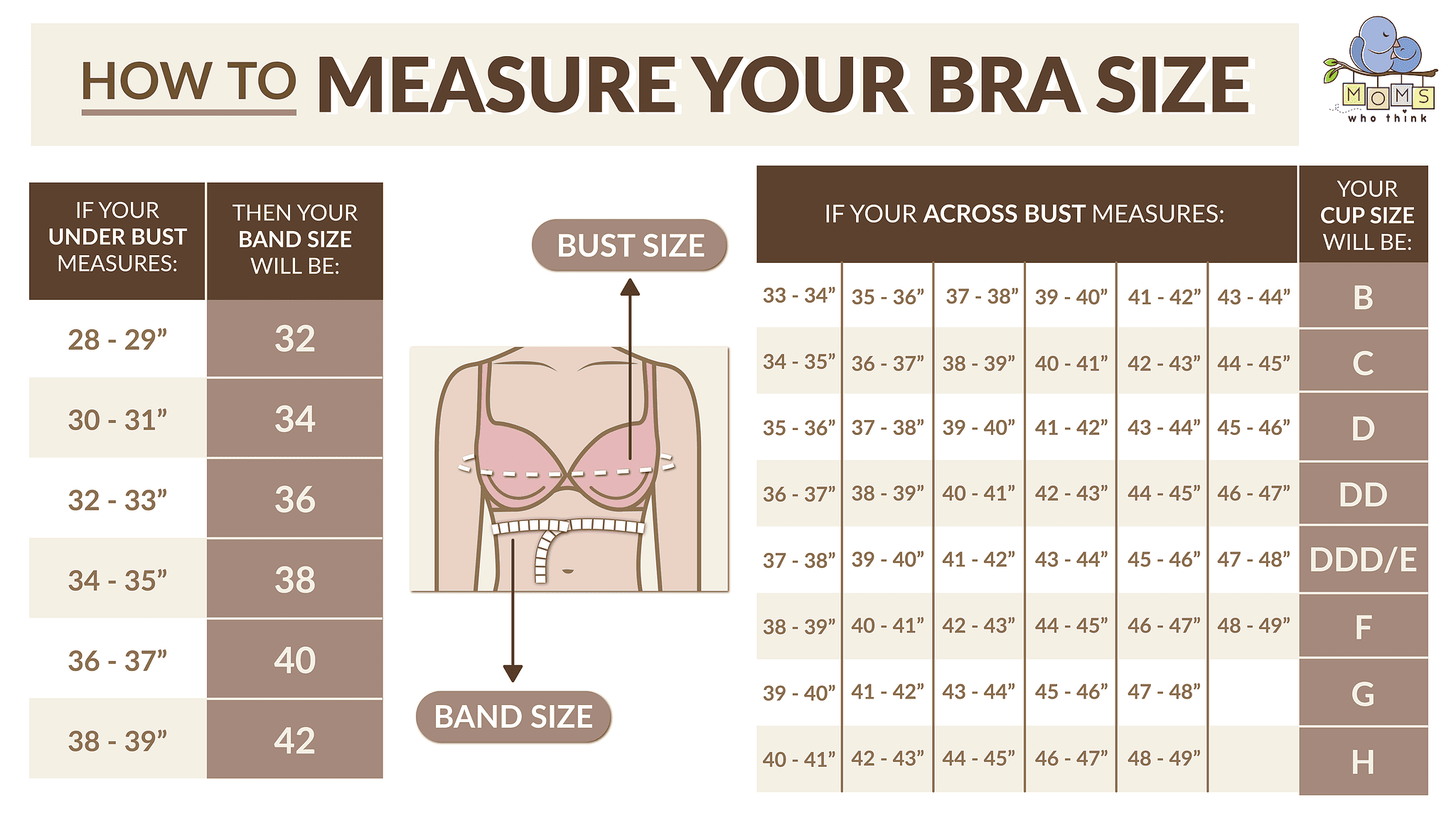
- Underbust Measurement: Using a soft measuring tape, measure snugly around your rib cage directly beneath the breast tissue. Ensure the tape is parallel to the floor. Exhale and record the measurement in inches. This figure is your primary band size.
- Overbust (Bust) Measurement: Measure around the fullest part of the bust. If you have significant soft tissue or pendulous breasts, lean forward at a 90-degree angle so gravity pulls the tissue away from the chest wall. This provides a more accurate representation of total volume than standing upright.
- The Difference Calculation: Subtract your underbust measurement from your overbust measurement. Each inch of difference generally corresponds to one cup size (e.g., 1 inch = A, 2 inches = B, 3 inches = C, and so on).
Understanding Cup Volume and Breast Shape
A common misunderstanding is that cup size is an absolute measurement of breast size. In reality, the cup letter represents the ratio between your rib cage and your bust measurement. Two people labeled as a "34C" may have drastically different breast shapes, such as shallow, conical, or full-on-top.
Key Anatomical Factors
- Root Width: Some individuals have a wide, shallow root, meaning their breast tissue spreads across a larger area of the chest. Others have a narrow, projected root. A bra with the correct cup volume may still feel ill-fitting if the wire width is too narrow or too wide for your root.
- Tissue Density: Firmer tissue tends to remain stable in different cup shapes, while softer, more malleable tissue may require specific bra construction, such as full-coverage cups or side-support panels, to remain contained throughout the day.
- Symmetry: Most individuals possess one breast larger than the other. When using a visual chart, always fit to the larger breast. You can adjust the fit of the smaller side using a removable insert or by choosing a bra with stretchy lace panels that accommodate minor size variations.
Troubleshooting Common Fit Issues
If your visual chart indicates a size that feels uncomfortable, consult this list of common diagnostic symptoms to determine if you need to adjust your sizing strategy.
| Symptom | Probable Cause | Corrective Action |
|---|---|---|
| Band rides up the back | Band is too large | Decrease band size, increase cup size |
| Underwire digging into tissue | Cup is too small or narrow | Increase cup size, check for wider wires |
| Spilling over the top (quad-boob) | Cup volume is insufficient | Increase cup size |
| Gaping at the top of the cup | Cup is too large or shape mismatch | Decrease cup size or try a different style |
| Straps falling off shoulders | Band is too large or straps are too wide-set | Decrease band size; try a racerback style |
Interpreting Manufacturer Discrepancies
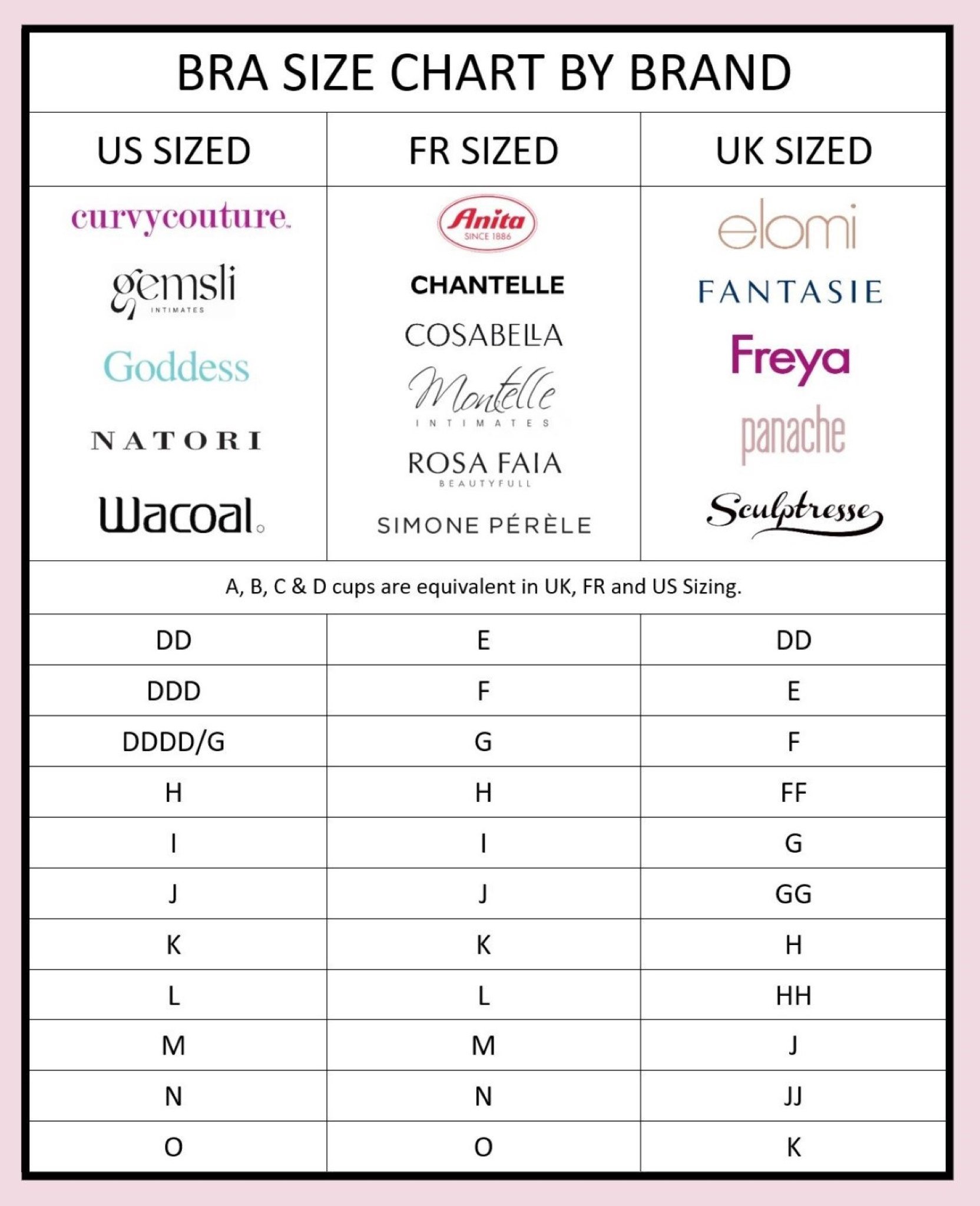
It is critical to recognize that bra sizing is not standardized globally. A 34C in a European brand may differ significantly from a 34C in a North American brand. Furthermore, different styles—such as t-shirt bras, balconettes, and plunge bras—are engineered to lift, round, or minimize the breasts. A "T-shirt bra" typically provides more coverage and may require a different size than a "Plunge" style, which is designed to sit lower on the sternum.
When testing a new size, always use the loosest hook on the band. A bra should feel secure and snug when new, as the elastic will naturally degrade over time with wear and laundering. If you can pull the band away from your back by more than two inches, the band is likely too loose to provide adequate support.
Addressing Structural Support
The vast majority of the support in a bra should come from the band, not the straps. If you feel the need to tighten your straps significantly to achieve lift, your band size is likely too large, forcing the straps to do the work that the band should be handling.
Additionally, check the "tack" of the gore—the central piece of fabric between the cups. In an underwire bra, the gore should lie flat against your sternum. If it hovers or presses painfully against the bone, it is an indicator that the cup volume is likely too small, causing the breasts to push the wire away from the body.
Frequently Asked Questions
1. Why does my bra size vary between different brands? Bra manufacturing lacks universal standardization. Variations occur due to regional sizing systems (EU vs. UK vs. US), the specific materials used, and the intended silhouette of the bra style. Always consult the specific brand’s fit guide rather than a generic chart.
2. Should I measure my breasts while wearing a bra? No. Measuring over a bra, especially one that fits poorly, introduces errors. You must measure your body directly to get an accurate starting point.
3. Does pregnancy or weight fluctuation affect cup size? Yes. Hormonal changes, weight gain, or loss significantly alter both breast volume and rib cage dimensions. It is recommended to re-measure every six months or whenever you notice the band or cups no longer resting flush against your skin.
4. What is a "sister size"? A sister size is a cup-and-band combination that provides the same cup volume but a different band tightness. For example, if a 34C is too loose in the band, you might try a 32D, which has the same cup volume but a tighter, more supportive band.
5. How can I tell if a bra is the right shape for me? Aside from the cup letter, the shape of the cup must match the projection and fullness of your breasts. If you have "bottom-heavy" breasts, a balconette may provide a better fit than a full-coverage bra, which may gap at the top.
Next Steps for a Perfect Fit
To finalize your search for the correct size, gather your measurements as described above and visit a professional lingerie boutique if available. Professional fitters use their experience to identify how specific brands and styles accommodate different breast shapes—a variable no static visual chart can capture. If you prefer online shopping, order two sizes: your calculated size and one sister size. Always test the band comfort first, then evaluate the cup fit by ensuring the wire encapsulates the breast tissue completely without resting on breast matter. By focusing on these technical details rather than just the label on the tag, you will ensure long-term comfort and optimal support.
Image Gallery