Penny Marshall Is Deceased and Her Legacy Lives On: A Retrospective of a Hollywood Icon
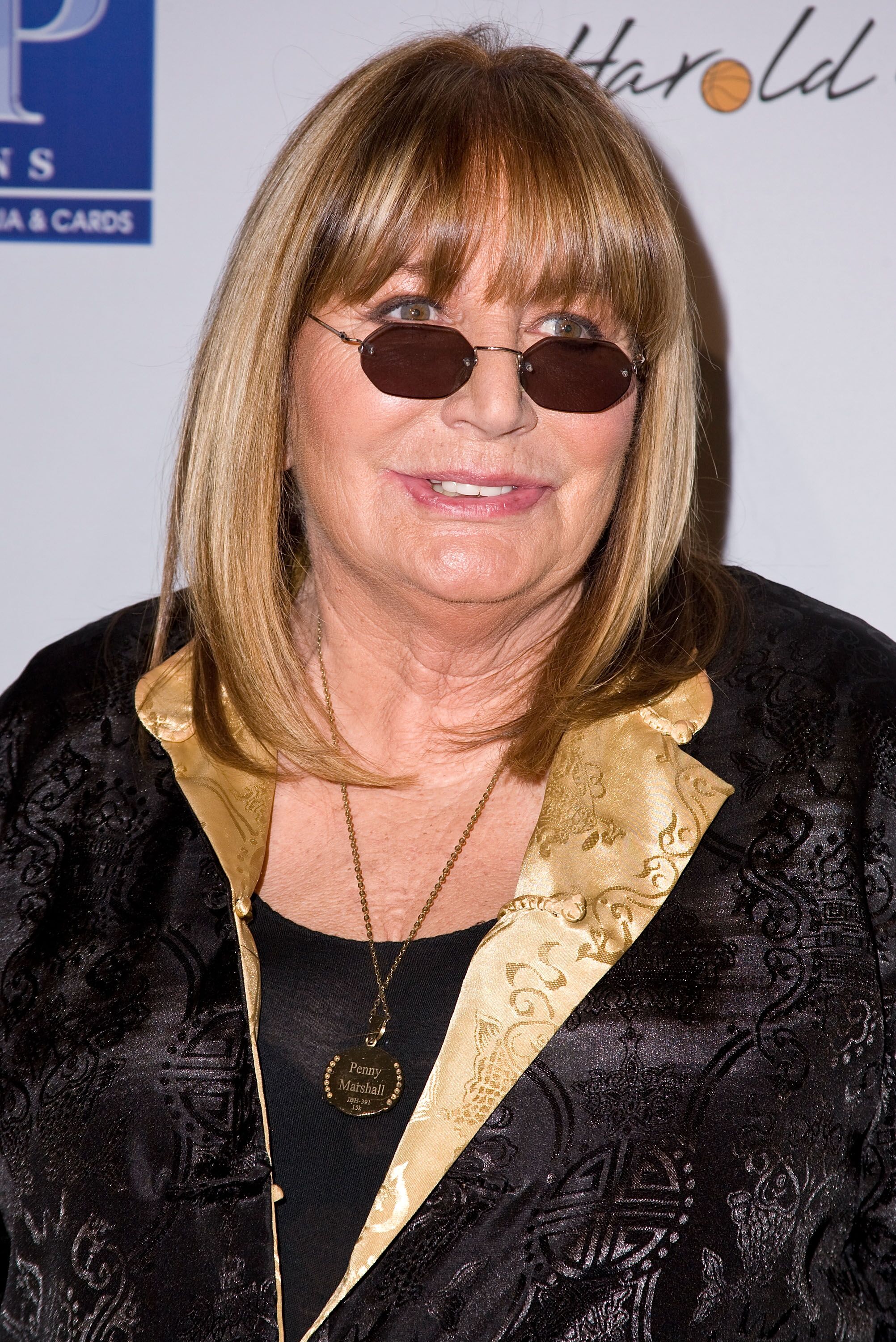
Penny Marshall, the pioneering actress, director, and producer, passed away on December 17, 2018, due to complications from diabetes. While her physical presence is no longer with the entertainment industry, her legacy remains profound...
Penny Marshall, the pioneering actress, director, and producer, passed away on December 17, 2018, due to complications from diabetes. While her physical presence is no longer with the entertainment industry, her legacy remains profoundly influential, defined by her transition from a beloved television sitcom star to one of the most successful female directors in the history of cinema. Her career broke significant gender barriers, paved the way for future generations of female filmmakers, and left an indelible mark on American popular culture.
Contents
The Early Years and Rise to Stardom
Penny Marshall’s journey into the spotlight began in the Bronx, New York, where she was born in 1943 into a family steeped in the entertainment industry. Her father, Anthony Marshall, was a director and producer, and her mother, Marjorie, taught dance. Despite her early exposure to the arts, Penny did not initially plan for a career in acting; she actually began as a dance instructor.
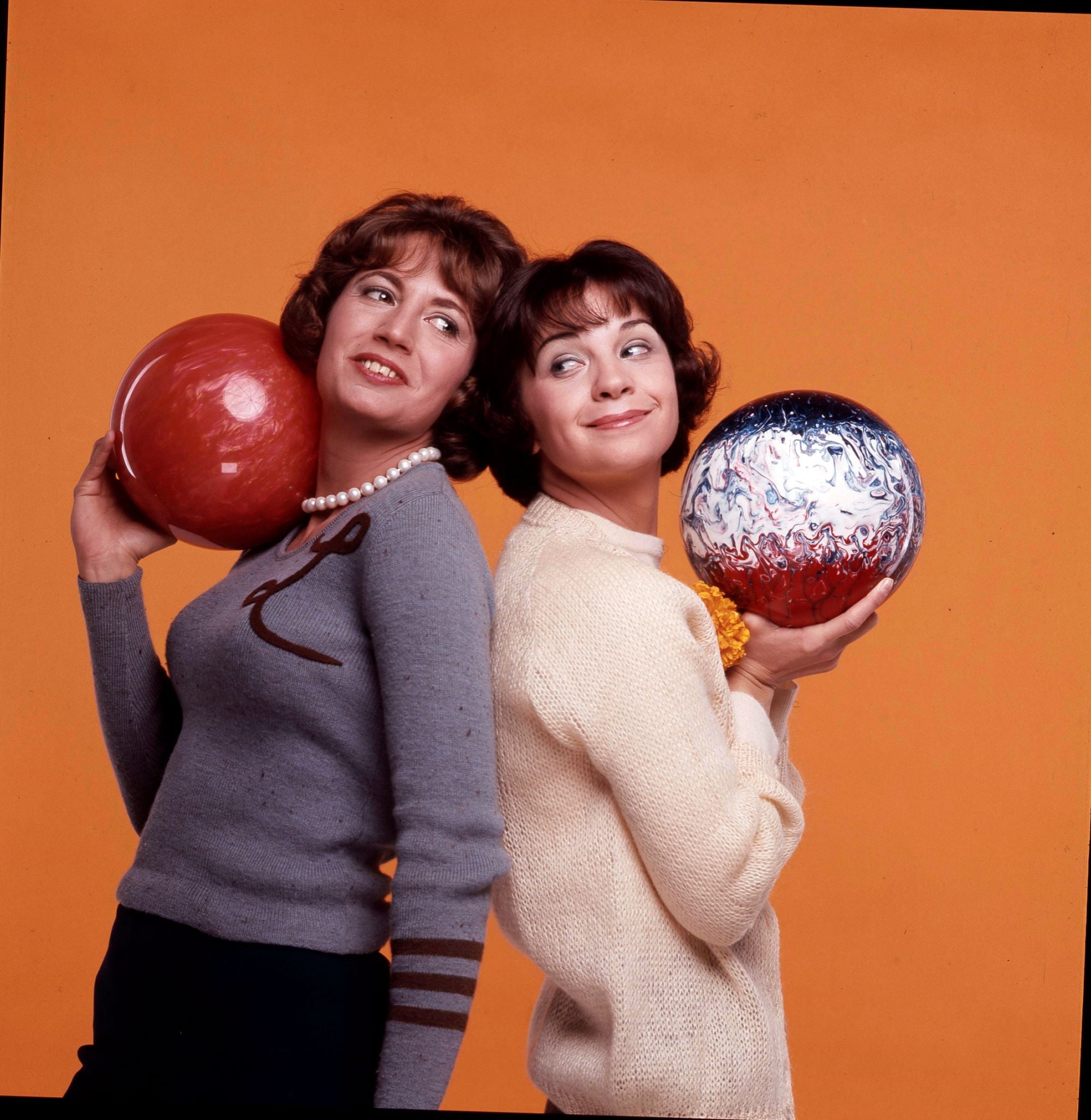
Her breakthrough arrived through television commercials, eventually leading to appearances on The Odd Couple, where her brother Garry Marshall was a producer. However, it was her iconic role as Laverne DeFazio in the hit sitcom Laverne & Shirley (1976–1983) that propelled her to national stardom. As the tough-talking, milk-and-Pepsi-loving factory worker, Marshall embodied a distinct brand of blue-collar humor that resonated with millions of viewers. The show’s massive success provided her with the platform and industry capital to pursue her true ambition: directing.
Breaking the Glass Ceiling in Directing
In the 1980s, the director’s chair was almost exclusively occupied by men. Penny Marshall’s transition behind the camera was met with skepticism, but her work quickly silenced critics. After making her directorial debut with Jumpin' Jack Flash (1986), she achieved monumental success with Big (1988), starring Tom Hanks.
Big was a cultural phenomenon and a box office smash, becoming the first film directed by a woman to gross over $100 million at the U.S. box office. This achievement was not merely a personal milestone; it served as a systemic proof-of-concept that female directors could helm high-budget, commercially successful, and critically acclaimed studio features. She followed this success with the Oscar-nominated Awakenings (1990) and the beloved baseball classic A League of Their Own (1992).
Key Directorial Milestones
The following table highlights the significant impact of her major films:
| Film Title | Release Year | Significance |
|---|---|---|
| Jumpin' Jack Flash | 1986 | Directorial debut; demonstrated transition from TV to film. |
| Big | 1988 | First film directed by a woman to gross $100M+ domestically. |
| Awakenings | 1990 | Nominated for Best Picture; displayed dramatic range. |
| A League of Their Own | 1992 | Cultural touchstone; preserved in the National Film Registry. |
The Enduring Influence of Her Work
Even in 2026, over seven years after her passing, Marshall’s influence is felt through both her filmography and the industry standards she helped shift. She possessed an innate ability to balance sentimentality with gritty, character-driven comedy. Her films were often centered on the "outsider"—the woman in the male-dominated world of professional baseball, the child struggling to navigate adulthood, or the institutionalized patient seeking human connection.
Her approach to filmmaking prioritized authentic performances over technical artifice. This focus helped launch and elevate the careers of stars like Tom Hanks, Rosie O'Donnell, and Geena Davis. By creating a collaborative set environment, she moved away from the more dictatorial directing styles prevalent at the time, fostering a creative atmosphere that many contemporary directors now cite as an industry standard.
Challenges and Professional Persistence
Marshall’s career was not without its hurdles. She navigated an era where female directors were often sidelined or restricted to "women's pictures." By choosing projects that were broadly appealing, she intentionally bypassed the "niche" label that was often used to marginalize female creators. She insisted on maintaining creative control and high production values, frequently fighting for budgets that studios were initially hesitant to grant a woman.
Beyond the challenges of the studio system, Marshall also battled personal health issues, including a long-term struggle with diabetes. She remained famously resilient, continuing to work on independent projects and mentoring younger directors until her health ultimately declined. Her persistence in an unforgiving industry serves as a blueprint for professional longevity for current creative leaders.
Legacy and Cultural Preservation
The Library of Congress recognized the historical and cultural significance of A League of Their Own in 2012 by adding it to the National Film Registry. This honor cemented Marshall's place in the history of American art. Today, in 2026, her work continues to be studied in film schools, and her sitcom roots remain a staple of syndicated television.
Beyond her specific films, Marshall’s legacy lives on in the increased representation of women in executive and directorial roles. She was a bridge between the classic studio era and the modern streaming and independent landscape, providing a path forward for others to demand equal pay, equal screen time, and equal creative authority.
Frequently Asked Questions
What was the cause of Penny Marshall’s death?
Penny Marshall passed away due to complications from diabetes. She had struggled with the condition for several years prior to her death in 2018.
Why is Penny Marshall considered a pioneer for female directors?
She was the first woman to direct a film that grossed more than $100 million at the domestic box office. Her success in the late 1980s and early 1990s proved that female filmmakers could deliver blockbuster returns, which opened studio doors for future generations.
Did Penny Marshall direct television as well as film?
Yes. Before and during her film career, she directed several episodes of Laverne & Shirley. Her transition from the small screen to the big screen was a testament to her versatile understanding of narrative structure and comedic timing.
How many Academy Award nominations did her films receive?
Her films received numerous accolades. Notably, Awakenings was nominated for Best Picture, Best Actor, and Best Adapted Screenplay at the 63rd Academy Awards, showcasing her ability to handle complex, prestige-level storytelling.
Where can I watch her most famous work today?
In 2026, the majority of her major films, including Big and A League of Their Own, are available across various digital streaming platforms and for physical purchase via standard retail outlets. Check local listings for region-specific availability.
Next Steps for Fans and Researchers
For those interested in exploring her legacy further, the best starting point is a chronological review of her directorial work. Watching Big followed by A League of Their Own provides a clear view of her stylistic progression and her ability to weave human emotion into mainstream entertainment. Additionally, her autobiography, My Mother Was Nuts, provides firsthand insight into the upbringing and personal philosophy that informed her professional choices. Whether you are a student of film or a long-time fan, her body of work serves as a masterclass in resilient, compassionate, and highly successful storytelling.
Image Gallery