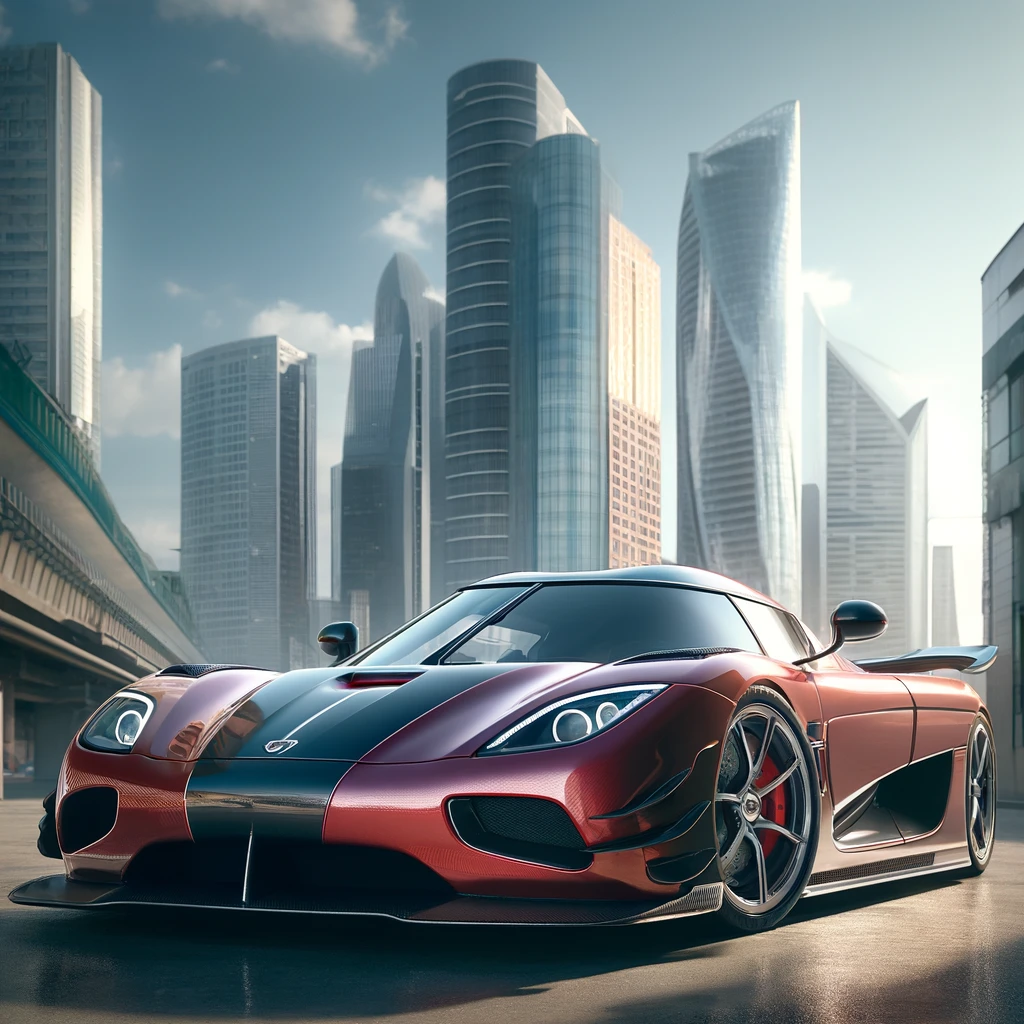
Understanding the Agera RS Price for Buyers in the Current Market
The Koenigsegg Agera RS, produced between 2015 and 2018, is one of the most sought-after hypercars in modern automotive history. Because production was strictly limited to 25 units, there is no "list price" or MSRP in 2026. Instead, bu...
The Koenigsegg Agera RS, produced between 2015 and 2018, is one of the most sought-after hypercars in modern automotive history. Because production was strictly limited to 25 units, there is no "list price" or MSRP in 2026. Instead, buyers must navigate a volatile private market where pricing is determined by provenance, vehicle history, mileage, and unique specifications, typically ranging from $5 million to over $10 million depending on the individual vehicle's auction history or private treaty terms.
Contents
The Rarity and Provenance of the Agera RS
To understand the pricing of an Agera RS, one must first recognize its position in the Koenigsegg lineage. Launched at the 2015 Geneva Motor Show, the Agera RS acted as the final iteration of the Agera platform, blending the lightweight construction of the Agera R with the track-focused aerodynamics of the One:1.
For a buyer in 2026, the vehicle is no longer a commercial product but a blue-chip asset. The "price" is not a reflection of the initial manufacturer invoice but a function of scarcity. With only 25 units ever produced, many of which are held in private collections or by the original owners, the market is characterized by extreme illiquidity. When a unit does come to market, the price is heavily influenced by the "pedigree" of the chassis. Vehicles that hold historical significance—such as those that set official world speed records—command a massive premium over "standard" Agera RS builds.
Factors Influencing the Market Value
Valuation for an Agera RS is rarely straightforward. Unlike mass-produced luxury vehicles, these hypercars do not follow standard depreciation curves. Instead, they operate on a collectors’ market logic:
- Chassis History: An Agera RS that has documented race track history or served as a factory development car carries higher prestige than a unit that has remained in climate-controlled storage.
- Factory Upgrades and Bespoke Options: Many Agera RS units were customized during production. Features like exposed carbon fiber weaves, gold-leaf accents, or specific aerodynamic packages (such as the 1MW engine upgrade) significantly elevate the final sale price.
- Maintenance Records and Factory Certification: Koenigsegg operates a rigorous service protocol. A vehicle that has been maintained exclusively by authorized Koenigsegg service centers or the factory itself, with a complete, unbroken service history, is exponentially more valuable than a unit with gaps in its documentation.
- Currency Fluctuations and Global Demand: Because these cars are often traded internationally, the exchange rate between the seller’s local currency and the buyer’s currency can impact the final transaction figure, especially when dealing with high-value cross-border sales.
Navigating the Acquisition Process
Acquiring an Agera RS requires a specialized approach. These vehicles rarely appear on traditional public listing sites. Instead, the process usually unfolds through three main channels:
- Specialized Hypercar Brokers: Firms that specialize in the secondary market for marques like Koenigsegg, Pagani, and Bugatti act as the primary gatekeepers. These brokers maintain private lists of owners willing to sell and potential buyers looking to acquire.
- High-End Auction Houses: Occasionally, a collector will opt to list an Agera RS through auction houses such as RM Sotheby’s or Gooding & Company. These public sales set the "price benchmarks" for the rest of the market.
- Private Treaty Sales: Many of the most significant transactions for an Agera RS happen off-market. This preserves the privacy of the parties involved and allows for more complex negotiations regarding the transfer of ownership, export logistics, and vehicle inspection.
Technical Considerations for Prospective Buyers
Before agreeing to a price, a buyer must account for the substantial "soft costs" associated with ownership. The Agera RS is a highly technical machine featuring a twin-turbocharged 5.0L V8 engine. Prospective buyers should verify:
- Software and ECU Status: As these vehicles age, ensuring that the proprietary Koenigsegg engine management software is up-to-date and compatible with current diagnostic tools is vital.
- Tire Life and Components: The bespoke tires developed for the Agera RS are expensive and have a limited shelf life. A buyer must evaluate the cost of replacing tires and carbon-ceramic brake components, which are often non-negotiable items during the pre-purchase inspection (PPI).
- Logistics and Importation: Moving an Agera RS across international borders involves specialized transport, climate-controlled shipping, and significant customs duties. These costs are often excluded from the headline "sale price" and can add hundreds of thousands of dollars to the total acquisition cost.
Comparative Market Analysis Table
| Factor | Standard Hypercar | Agera RS (Asset Status) |
|---|---|---|
| Availability | Accessible via dealer order | Extremely limited (25 units) |
| Pricing Model | Manufacturer MSRP | Private treaty/Auction premium |
| Depreciation | Expected | Appreciation/Asset value |
| Maintenance | Local authorized centers | Factory-specific expertise |
| Documentation | Standard title/service book | Full, documented history essential |
Frequently Asked Questions
Why is there no official retail price for the Agera RS in 2026? The Agera RS production ended in 2018. All units currently on the market are pre-owned. Since these are highly collectible assets, the price is determined entirely by market demand, collector interest, and the specific history of the individual chassis.
How does an engine upgrade affect the resale value? Factory-applied upgrades, such as the 1MW (one megawatt) engine package, generally increase the value of an Agera RS. Because these were installed by Koenigsegg, they are documented, maintaining the car's provenance and performance certification.
Should I hire an independent inspector for a Koenigsegg purchase? Yes. You should engage an inspector or a technician who is specifically certified or highly experienced with the Koenigsegg Agera platform. General luxury car mechanics lack the specialized diagnostic equipment and deep technical knowledge required to assess the condition of a Koenigsegg chassis.
What is the most significant cost after the purchase price? Aside from insurance, which is specialized and high-premium, the most significant ongoing costs involve scheduled service intervals that require proprietary factory tools or travel to a specialized Koenigsegg facility.
Can the Agera RS be driven on public roads globally? The Agera RS was homologated for various markets, but specific road-legality depends on the local jurisdiction’s emission and safety regulations. Potential buyers should verify if the specific chassis they are interested in is compliant with the import and registration laws of their country.
Next Steps for Serious Buyers
If you are currently evaluating an Agera RS for acquisition, your first step should be to establish a relationship with a reputable hypercar broker who has a documented history of transacting in the Koenigsegg market. Do not rely on speculative online forum prices; instead, request a formal "condition report" and a "provenance folder" for any chassis you are considering. Ensure your legal counsel reviews the transfer of title and international export documentation, as these are often the most complex parts of the transaction. Finally, budget for a comprehensive factory-level inspection before finalizing any wire transfers.
Image Gallery