Is Coca-Cola İçecek Worth the Calorie Load? A Comprehensive Nutritional Evaluation
Deciding if a beverage from the Coca-Cola İçecek portfolio is worth the calorie load depends entirely on your metabolic goals, daily activity levels, and the specific product chosen. While classic sodas provide high "empty calories" fr...
Deciding if a beverage from the Coca-Cola İçecek portfolio is worth the calorie load depends entirely on your metabolic goals, daily activity levels, and the specific product chosen. While classic sodas provide high "empty calories" from sugar, the brand's 2026 lineup of zero-sugar and functional drinks offers alternatives that provide flavor and hydration without the caloric cost.
Contents
Understanding the Coca-Cola İçecek Portfolio in 2026
To answer whether the "calorie load" is worth it, one must first identify what Coca-Cola İçecek (CCI) represents. CCI is one of the largest bottlers in the Coca-Cola system, operating across Turkey, Pakistan, Central Asia, and the Middle East. It does not produce a single drink called "İçecek" (which simply means "beverage" in Turkish); rather, it manages a massive portfolio including Coca-Cola, Fanta, Sprite, Schweppes, Cappy juices, Fuse Tea, and energy brands like Burn and Monster.
In 2026, the evaluation of "worth" has shifted. Consumers are no longer just looking at raw calorie counts but are examining the quality of ingredients, the presence of non-nutritive sweeteners, and the functional benefits of the drink. Whether you are consuming a beverage in Istanbul, Islamabad, or Almaty, the caloric impact of these products remains a primary concern for health-conscious individuals managing weight or blood glucose levels.
The Caloric Anatomy of Classic CCI Beverages
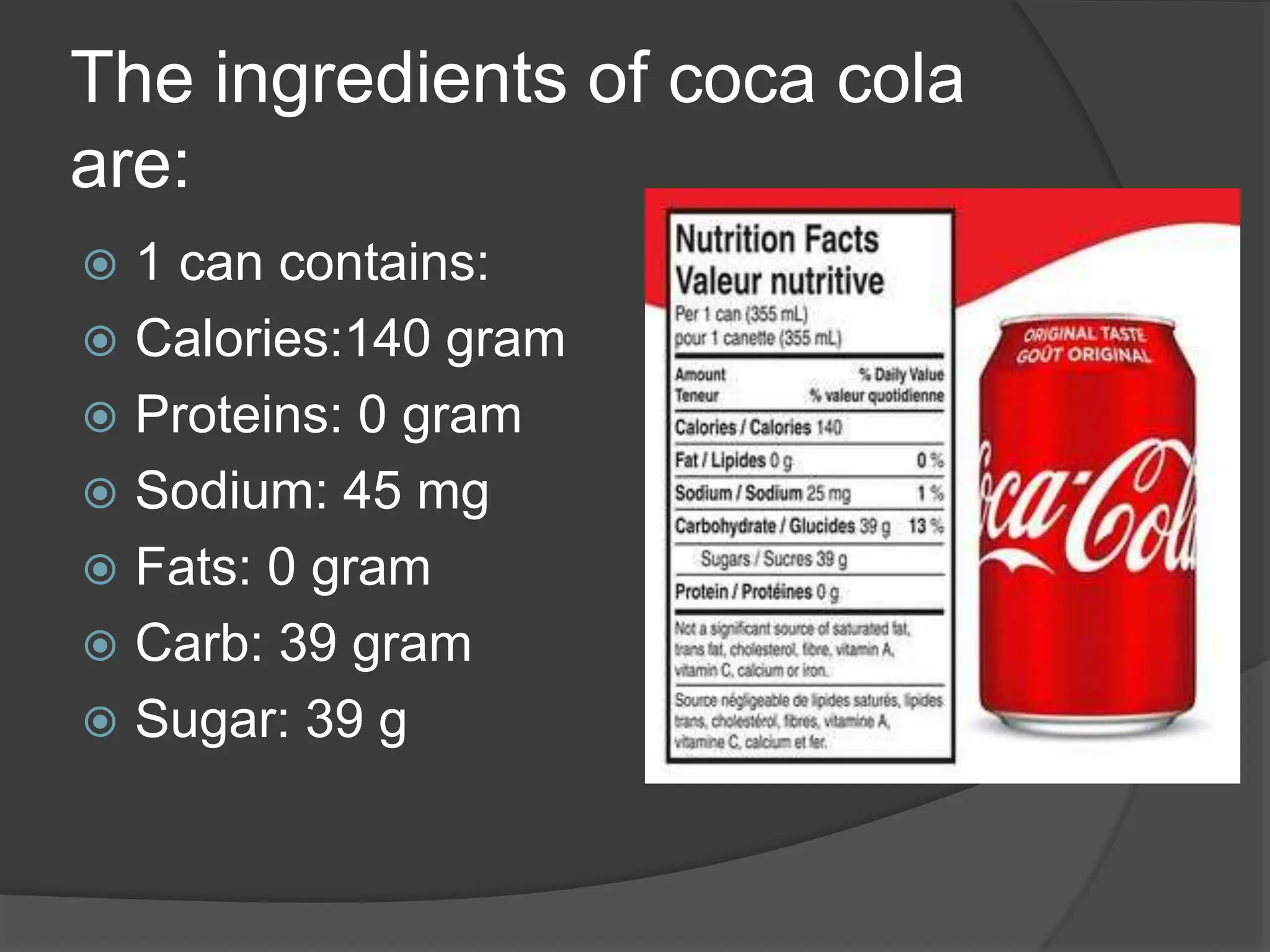
The primary "cost" of traditional beverages produced by Coca-Cola İçecek is derived from sucrose or high-fructose syrup. A standard 330ml can of Coca-Cola Classic typically contains approximately 139 to 140 calories, all of which come from sugar (roughly 35–39 grams).
The Concept of Empty Calories
Nutritionally, these are defined as "empty calories" because they provide energy without accompanying fiber, protein, healthy fats, or significant vitamins and minerals. When you consume 140 calories from a liquid source, the body processes it much differently than 140 calories from solid food, such as an apple or a handful of almonds.
Liquid Sugar and Insulin Response
The speed of absorption is the critical factor. Liquid sugar enters the bloodstream almost immediately, causing a rapid spike in blood glucose. In response, the pancreas releases a surge of insulin to shuttle that glucose into cells. If the cells do not need that energy immediately (e.g., if you are sedentary), the excess is often converted into triglycerides and stored as fat. For many, this metabolic "price" makes the classic calorie load difficult to justify as a daily habit.
Evaluating the "Worth": Sensory Pleasure vs. Metabolic Impact
The question of "worth" is subjective and often hinges on the psychological and sensory satisfaction a drink provides. In the 2026 market, sensory science has advanced, but the fundamental appeal of a carbonated, chilled, and sweetened beverage remains a powerful "reward" mechanism in the brain.
The Dopamine Factor
Sweetness triggers dopamine release in the brain's reward center. For many individuals, the "worth" of a Coca-Cola or a Fanta lies in the temporary mood elevation and refreshment it provides during a break or a social gathering. If this consumption is occasional, the 140-calorie load can be integrated into a balanced 2,000-calorie daily diet without significant harm.
Satiety and Overconsumption
The primary reason liquid calories are often deemed "not worth it" by nutritionists is the lack of satiety. Clinical studies consistently show that the human body does not "register" liquid calories the same way it does solid ones. If you drink 300 calories with a meal, you are unlikely to reduce your food intake by 300 calories to compensate. This leads to an overall caloric surplus, which is the primary driver of weight gain.
Are Zero-Calorie Alternatives the Better Choice?
As of 2026, Coca-Cola İçecek has significantly expanded its "Zero Sugar" and "No Calorie" segments. Brands like Coca-Cola Zero Sugar, Diet Coke, and Sprite Zero allow consumers to enjoy the sensory experience of a soda with near-zero caloric impact.
The Role of Artificial and Natural Sweeteners
CCI products often utilize blends of aspartame, acesulfame potassium (Ace-K), or stevia. From a strictly caloric perspective, these are infinitely "worth it" because they provide the desired flavor for 0–2 calories per serving.
However, the debate in 2026 continues regarding the "cephalic phase insulin response"—the theory that tasting something sweet, even without calories, might trigger a minor insulin release or affect the gut microbiome. While current consensus suggests that non-nutritive sweeteners are a powerful tool for weight management and sugar reduction, they are best used as a bridge to water or unsweetened tea rather than a total replacement for hydration.
Functional Beverages: When Calories Provide Value
Not all caloric beverages in the CCI portfolio are "empty." The company also produces and distributes juices and sports drinks where the caloric load is accompanied by functional nutrients.
- Cappy Juices: These contain natural fruit sugars (fructose). While the calorie count can be similar to or higher than soda (approx. 45–55 kcal per 100ml), they often provide Vitamin C and other antioxidants. Whether these are "worth it" depends on if you need those specific micronutrients and can't get them from whole fruit.
- Sports Drinks (e.g., Powerade): These contain calories from carbohydrates (sugars) designed for rapid absorption during intense physical activity. In the context of a 90-minute workout, these calories are highly "worth it" because they replenish glycogen stores and provide electrolytes (sodium, potassium) to maintain performance.
- Fuse Tea: This tea-based beverage offers a lower caloric profile than traditional sodas but still contains sugar unless the "Zero" version is selected. It provides a small amount of polyphenols from tea extracts.
Practical Comparison: Caloric Load of CCI Portfolio
The following table breaks down the caloric and sugar content for several major products distributed by Coca-Cola İçecek. Values are based on standard 330ml servings (approximate for the 2026 regional market).
| Product | Calories (per 330ml) | Sugar (g) | Primary Sweetener | Best Used For |
|---|---|---|---|---|
| Coca-Cola Classic | 139 kcal | 35g | Sucrose/HFCS | Occasional Treat |
| Coca-Cola Zero Sugar | ~1 kcal | 0g | Aspartame/Ace-K | Daily Refreshment |
| Fanta Orange | 160 kcal | 40g | Sucrose/HFCS | High-Energy Reward |
| Sprite | 129 kcal | 32g | Sucrose/Stevia Blend | Crisp Refreshment |
| Fuse Tea (Peach) | 96 kcal | 23g | Sucrose/Stevia | Lighter Alternative |
| Cappy Orange Juice | 152 kcal | 33g | Fruit Fructose | Micronutrient Boost |
| Monster Energy | 158 kcal | 36g | Sucrose/Glucose | Cognitive/Physical Task |
| Powerade | 80 kcal | 19g | High-Dextrose | Athletic Recovery |
Strategic Consumption: How to Decide if it’s Worth It
To determine if a Coca-Cola İçecek product is worth the caloric investment in your specific case, consider the following three-step framework:
1. Identify Your Metabolic Window
Calories from a sugary Fanta or Coca-Cola are most "useful" to the body immediately following intense physical exertion. During this window, your muscles are primed to absorb glucose to replenish glycogen. Conversely, consuming these calories while sitting at a desk or before bed is the least efficient use of that energy, as it is more likely to be stored as adipose tissue.
2. Assess the "Sugar Budget"
The World Health Organization (WHO) suggests that free sugars should ideally make up less than 5% of total energy intake. For an average adult, this is roughly 25 grams (6 teaspoons) per day. A single can of Coca-Cola Classic (35g) exceeds this daily limit. If you have already consumed sugar through fruit, yogurt, or sauces, the additional "calorie load" from a soda is likely not worth the metabolic strain.
3. Consider the Volume vs. Satisfaction
If you are thirsty, water or a zero-calorie sparkling water is always the superior choice. If you are seeking a specific flavor experience, consider the "Zero" variants first. In 2026, the taste gap between "Classic" and "Zero" has narrowed significantly due to better flavoring technology. If the Zero version provides 90% of the satisfaction for 0% of the calories, the Classic version loses its "worth" for most health-conscious consumers.
Potential Limitations and Considerations
It is important to note that nutritional guidelines can vary based on regional regulations in the countries where Coca-Cola İçecek operates. Some jurisdictions have implemented "sugar taxes," which have led to reformulated recipes with lower sugar content (often substituted with Stevia). Always check the local label for the most accurate caloric information.
Furthermore, individuals with specific health conditions, such as Type 2 diabetes, insulin resistance, or metabolic syndrome, should generally view high-calorie sugary beverages as "not worth it" due to the acute risk of hyperglycemia. For these populations, the CCI water portfolio (like Damla) or zero-sugar options are the only medically sound choices.
Final Recommendation
Whether Coca-Cola İçecek products are "worth the calorie load" depends on the specific product and the context of consumption.
- Classic Sodas (Coke, Fanta, Sprite): These are generally not worth the caloric load for daily consumption. The high sugar-to-nutrient ratio contributes to systemic inflammation and weight gain when used as a primary hydration source.
- Zero-Sugar Options: These are highly worth it for those who enjoy the sensory experience of soda but wish to maintain a caloric deficit or stable blood sugar.
- Functional/Sports Drinks: These are worth it only during/after intense exercise where the sugar and electrolytes serve a physiological purpose.
For most consumers in 2026, the optimal strategy is to utilize CCI’s extensive water and zero-sugar portfolio for routine hydration, reserving high-calorie beverages for rare, intentional treats or specific athletic requirements.
Image Gallery