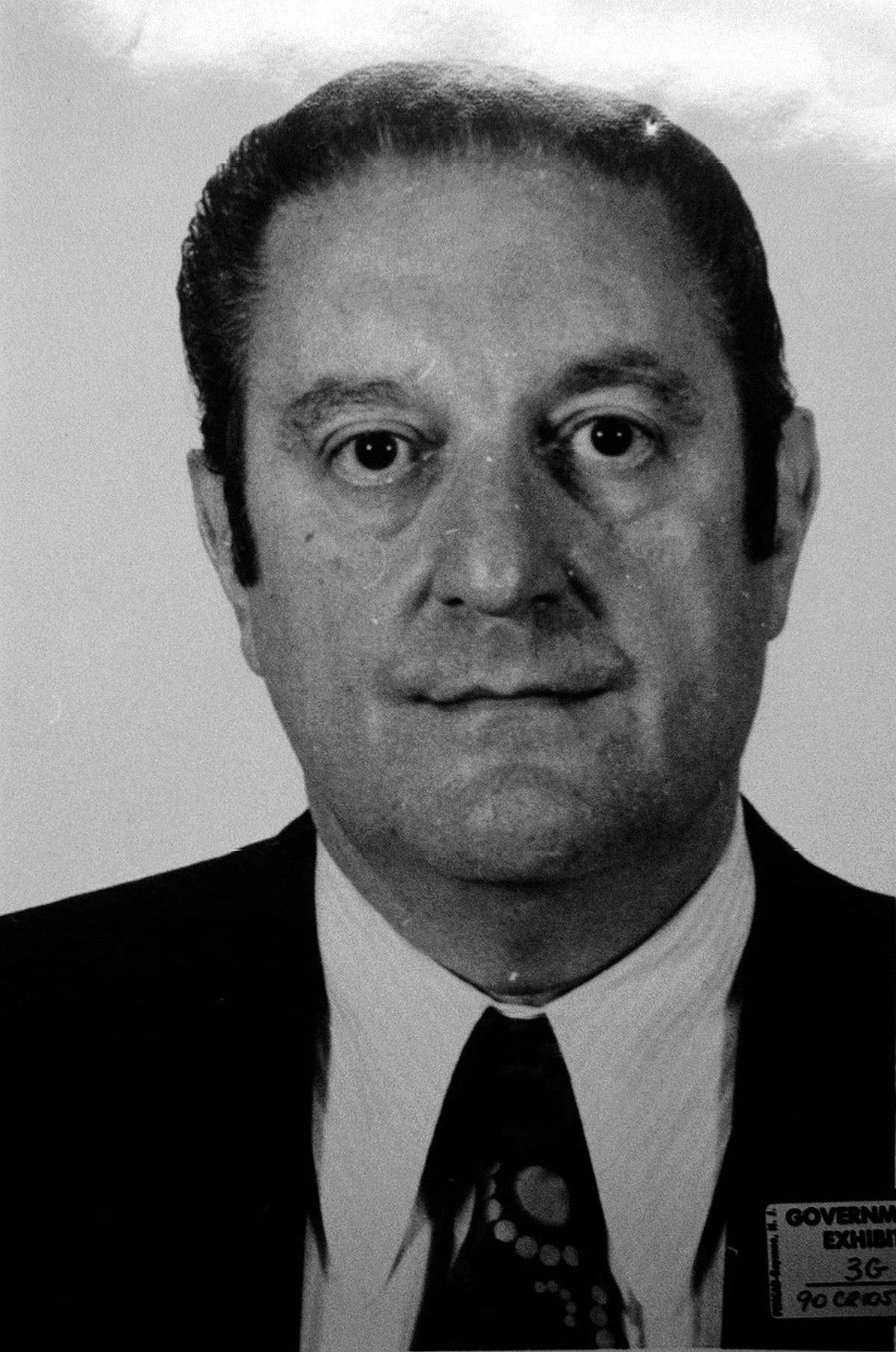
Paul Castellano and Gloria Olarte: The Domestic Scandal That Toppled a Mafia Kingpin
Gloria Olarte was the Colombian domestic worker for Paul Castellano whose romantic involvement with the Gambino crime family boss provided the FBI with crucial intelligence and eroded his authority within the Mafia. Their relationship,...
Gloria Olarte was the Colombian domestic worker for Paul Castellano whose romantic involvement with the Gambino crime family boss provided the FBI with crucial intelligence and eroded his authority within the Mafia. Their relationship, which flourished in the early 1980s, became a central theme in the federal investigation that dismantled the "Commission" and served as a catalyst for Castellano's 1985 assassination.
Contents
The history of the American Mafia is replete with tales of betrayal, violence, and greed, but rarely does a domestic relationship play such a pivotal role in the collapse of a criminal empire. In the case of Paul "Big Paul" Castellano, the successor to Carlo Gambino, the traditional boundaries of Mafia "omertà" and "respect" were breached not by a rival gang, but by his own household affairs. As of 2026, historians and criminologists continue to analyze the Castellano-Olarte dynamic as a masterclass in how personal indiscretion can compromise even the most sophisticated security apparatus.
The "White House" on Todt Hill
To understand the impact of Gloria Olarte, one must first understand the environment she entered. Paul Castellano lived in a massive, 17-room neo-classical mansion at 177 Benedict Road on Staten Island. Known locally as "The White House" due to its resemblance to the presidential residence, the estate was a symbol of Castellano's wealth and his detachment from the "street" elements of the mob.
Castellano was not a traditional "boots on the ground" mobster; he viewed himself as a businessman, a "CEO of CEOs." However, his isolation in the Staten Island mansion made him vulnerable. He rarely left the premises, preferring to have his captains and subordinates come to him. This created a need for a domestic staff that could maintain the sprawling estate while remaining invisible to the law.
Gloria Olarte arrived at the mansion in the late 1970s as a young immigrant from Colombia. Initially hired as a maid to assist Castellano’s wife, Nina, Olarte’s role quickly evolved. While Nina Castellano was often preoccupied or away, Paul began to find companionship in the young woman who prepared his meals and tended to his daily needs.
The Evolution of the Relationship
The relationship between Paul Castellano and Gloria Olarte was a violation of the strict, though often hypocritical, moral codes of the American Mafia. While "goomahs" (mistresses) were common, they were expected to be kept entirely separate from the family home. Bringing a mistress into the same house as one’s wife—and a domestic worker at that—was seen as a profound sign of disrespect to the institution of marriage and the "family" structure.
As the relationship deepened, Castellano began to confide in Olarte. He spoke to her about his health, his stresses, and occasionally, the people who visited him. For a man who was increasingly paranoid about FBI surveillance, he ironically felt safe within the walls of his own home, believing that his staff was loyal and that the FBI could not penetrate his private sanctuary.
The Penile Implant Scandal
One of the most damaging aspects of the affair, in terms of Castellano’s reputation among his soldiers, was his pursuit of a penile implant. Suffering from diabetes and circulatory issues, Castellano underwent surgery to maintain his physical relationship with Olarte.
In the hyper-masculine culture of the Gambino family, news of the "Boss of Bosses" requiring a medical device to perform sexually with his maid was met with ridicule. When the FBI later leaked or shared details of these domestic struggles, it served to de-mystify Castellano. He was no longer a terrifying figure of power; he was an aging man obsessed with a servant, a narrative that his rival, John Gotti, used effectively to build a coalition against him.
The FBI’s Unexpected Golden Opportunity
The FBI’s New York Office, specifically agents Joseph O’Brien and Andris Kurins, had been struggling to build a case against Castellano. The Gambino boss was cautious, rarely speaking about crimes over the phone and conducting business in the middle of his vast lawn to avoid bugs.
However, the agents discovered a "weakness" in the household security: the domestic routine. Through a combination of surveillance and a daring surreptitious entry, the FBI managed to plant a sophisticated listening device inside the Castellano kitchen in 1983. This bug, known as "Source W," became one of the most productive intercepts in the history of organized crime.
What the Bug Captured
The FBI did not just hear about mob hits and racketeering; they heard the intimate, often mundane details of Castellano’s life with Gloria Olarte.
- Vulnerability: Castellano often complained to Olarte about his "ungrateful" captains.
- Health Issues: Discussions about his medical procedures and his reliance on Olarte for physical care.
- Interpersonal Conflict: The tension between Olarte and Nina Castellano, which created a volatile atmosphere in the house.
Crucially, because Olarte was often in the room or nearby when Castellano met with high-level mobsters like Aniello Dellacroce or Thomas Bilotti, the bug captured the context of these meetings. The FBI learned the hierarchy of the Gambino family and the tensions between the "Manhattan faction" (Gotti) and the "Staten Island faction" (Castellano).
The Internal Collapse of the Gambino Family
By 1984 and 1985, the Gambino family was in a state of soft civil war. John Gotti and his crew viewed Castellano as a "closet Don" who took a large percentage of their earnings while living in luxury and ignoring the "rules" of the street.
The Olarte affair was the final straw for many. The fact that Castellano was seemingly more interested in his maid than in the legal defense of his captains—who were then being targeted in the Mafia Commission Trial—created a vacuum of leadership. The "maid story" became a tool for Gotti to paint Castellano as "unfit" for the position of boss.
Comparison of Mob Dynamics: Castellano vs. Gotti Factions
| Feature | Castellano Faction (The "Businessmen") | Gotti Faction (The "Street") |
|---|---|---|
| Primary Base | Staten Island (The White House) | Queens (Bergin Hunt & Fish Club) |
| Income Source | Construction, Meat, Unions | Hijacking, Narcotics, Gambling |
| Philosophy | Low profile, corporate structure | High profile, "tough guy" image |
| View on Olarte | Private domestic matter | A sign of weakness and disrespect |
| FBI Interaction | Bugged via kitchen/domestic life | Bugged via social club/street talk |
The Legal Aftermath and the Commission Trial
When the FBI finally moved to arrest the heads of the Five Families in 1985, the transcripts from the "White House" bug were instrumental. While Olarte was not a criminal mastermind, her presence in the transcripts provided the "connective tissue" for the prosecution. She was eventually called to testify, though her testimony was less about the crimes themselves and more about confirming the identities of the people who visited the house and the nature of the meetings.
Olarte’s role in the trial was harrowing for her personally. She was caught between a federal government that wanted her cooperation and a criminal organization that viewed her as a liability. Her presence in the courtroom humanized the case for the jury, showing the domestic reality behind the "Godfather" mythos.
The Assassination at Sparks Steak House
On December 16, 1985, Paul Castellano was gunned down outside Sparks Steak House in Midtown Manhattan. While the primary reasons for the hit were Gotti’s fear of being killed by Castellano and his desire for power, the "Gloria Olarte factor" cannot be ignored.
The assassination was a rejection of the "Castellano way." By removing Paul, Gotti wasn't just taking over the Gambino family; he was "restoring" what he believed to be the traditional values of the mob—values that he claimed Castellano had abandoned in favor of a life of domestic indulgence with a maid.
What Happened to Gloria Olarte?
Following the death of Castellano and her participation in the legal proceedings, Gloria Olarte largely disappeared from the public eye. Unlike the mobsters who sought fame or the agents who wrote best-selling books (such as O'Brien and Kurins' Boss of Bosses), Olarte sought anonymity.
As of 2026, she remains a footnote in most history books, yet her impact on the trajectory of the American Mafia remains profound. She was the "unintentional insider." Her relationship with Castellano demonstrated that the most significant threat to a criminal organization isn't always a rival’s bullet; sometimes, it is the simple human desire for companionship and the hubris that comes with thinking one is above the rules.
Frequently Asked Questions
Did Gloria Olarte help the FBI plant the bug?
No. There is no evidence that Gloria Olarte was a willing informant at the time the bug was planted. The FBI utilized a "black bag job" (a surreptitious entry) to install the device while the family was away. Olarte's role was that of an unwitting participant whose conversations and presence facilitated the recording of incriminating evidence.
Was Gloria Olarte injured during the assassination of Castellano?
No. Gloria Olarte was not with Paul Castellano when he was killed. Castellano was accompanied by his driver and underboss, Thomas Bilotti. The hit was a professional execution carried out in public, specifically targeting the Gambino leadership.
What happened to the "White House" on Staten Island?
The mansion at 177 Benedict Road changed hands several times after Castellano’s death. It remains a private residence and is frequently cited on "mafia tours" of New York City. Despite various renovations over the decades, it still retains its imposing presence on Todt Hill.
Did Castellano’s wife, Nina, know about the affair?
Yes. It was an open secret within the household. The tension between Nina Castellano and Gloria Olarte was palpable and was even captured on the FBI surveillance tapes. Nina eventually moved out of the master bedroom, and the domestic arrangement became a point of significant scandal within the Gambino family.
How old was Gloria Olarte during her time with Castellano?
Gloria Olarte was significantly younger than Paul Castellano. At the time of the investigation in the early 1980s, Castellano was in his late 60s, while Olarte was in her early 20s. This age gap further fueled the "dirty old man" narrative used by his rivals to undermine his authority.
Final Perspective
The story of Paul Castellano and Gloria Olarte serves as a reminder that the downfall of powerful figures often begins in the most private of spaces. For the Gambino family, the maid was more than just an employee; she was the crack in the armor that allowed the FBI to listen in and gave John Gotti the moral "cover" he needed to seize power. In the history of organized crime, the "White House" bug remains a landmark achievement of surveillance, made possible by the domestic complications of a man who thought he was untouchable.
Image Gallery