Foundation Repair in East Lansing: Costs, Methods, and 2026 Local Market Guide
In 2026, foundation repair in East Lansing typically costs between $3,500 and $15,000, depending on whether the issue involves minor cracking or significant structural settlement. Most homeowners choose between helical piers for stabil...
In 2026, foundation repair in East Lansing typically costs between $3,500 and $15,000, depending on whether the issue involves minor cracking or significant structural settlement. Most homeowners choose between helical piers for stabilization or carbon fiber straps for bowing walls, driven largely by the region’s expansive clay soils and intense Michigan freeze-thaw cycles.
Contents
Foundation integrity is a critical concern for property owners in East Lansing, Michigan. The combination of aging housing stock—particularly in neighborhoods surrounding Michigan State University—and the challenging geological conditions of the Grand River and Red Cedar River basins creates a unique set of structural risks. By 2026, advancements in diagnostic technology and repair materials have provided homeowners with more precise choices, but the core challenges of Lansing’s "heavy" soils remain the primary driver for repair needs.
Understanding the East Lansing Landscape: Why Foundations Fail
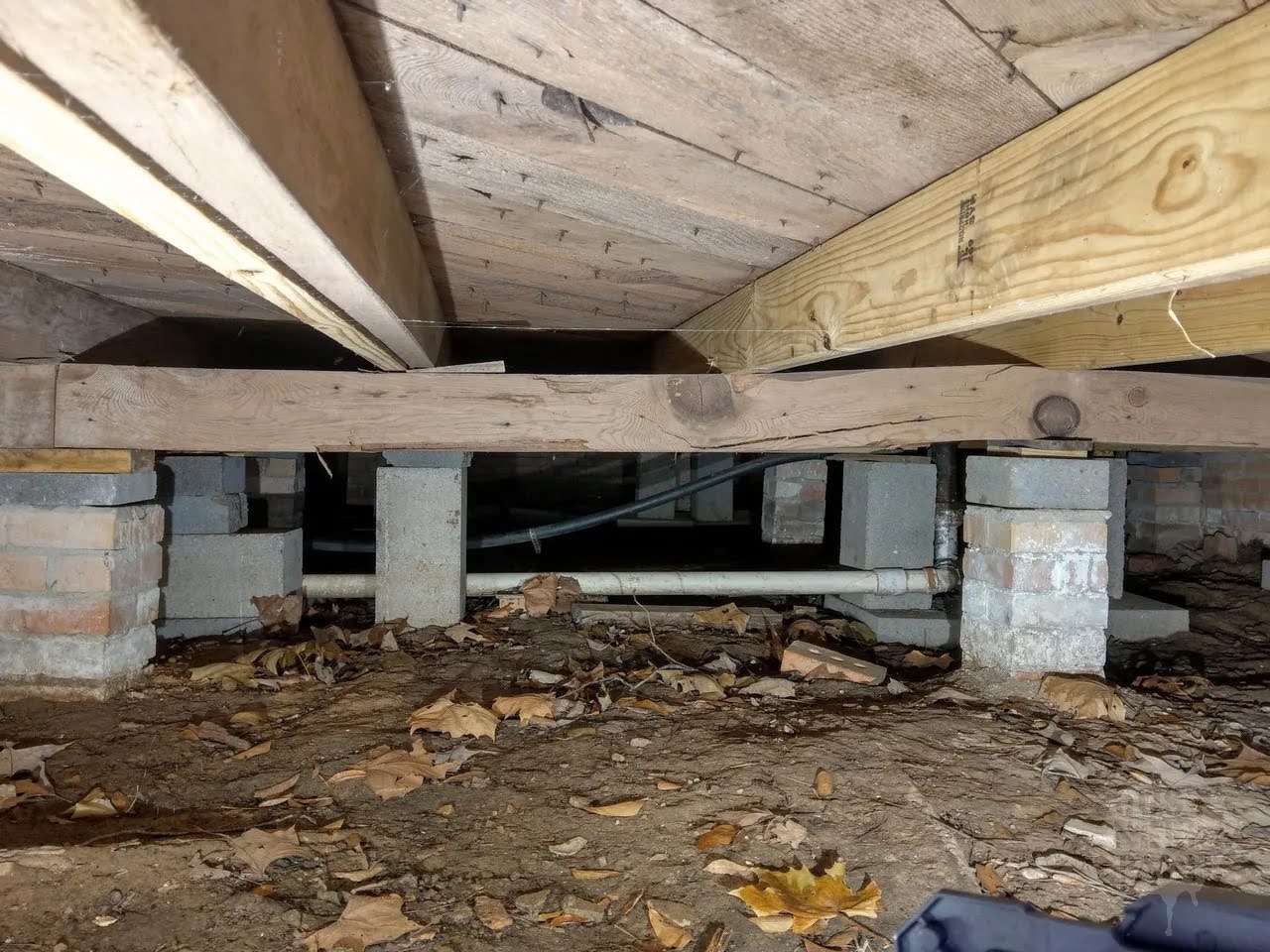
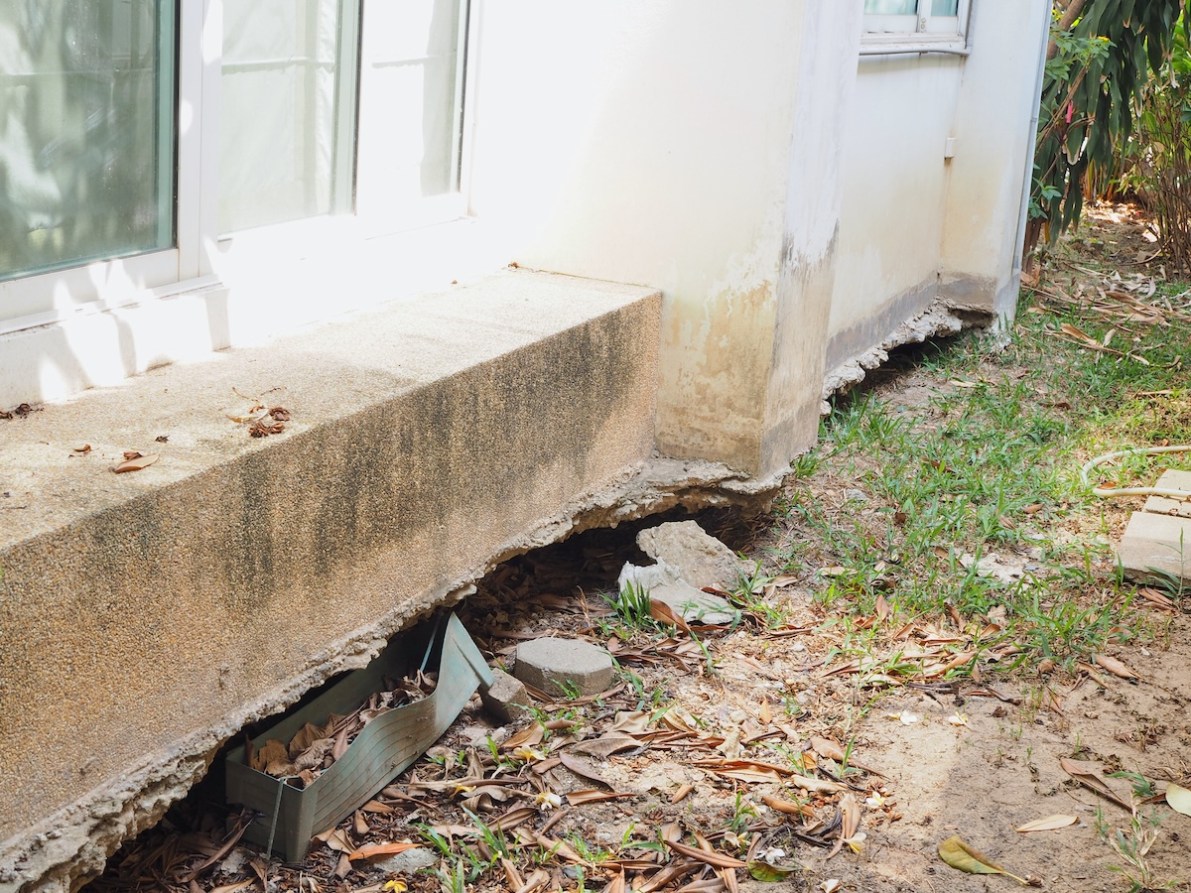
The geological profile of East Lansing is characterized by a high concentration of expansive clay and silt. These materials are highly reactive to moisture. During Michigan’s wet springs and humid summers, the clay absorbs water and expands, exerting tremendous "hydrostatic pressure" against basement walls. Conversely, during dry spells or late summer droughts, the soil shrinks, leaving voids that cause foundations to settle or shift.
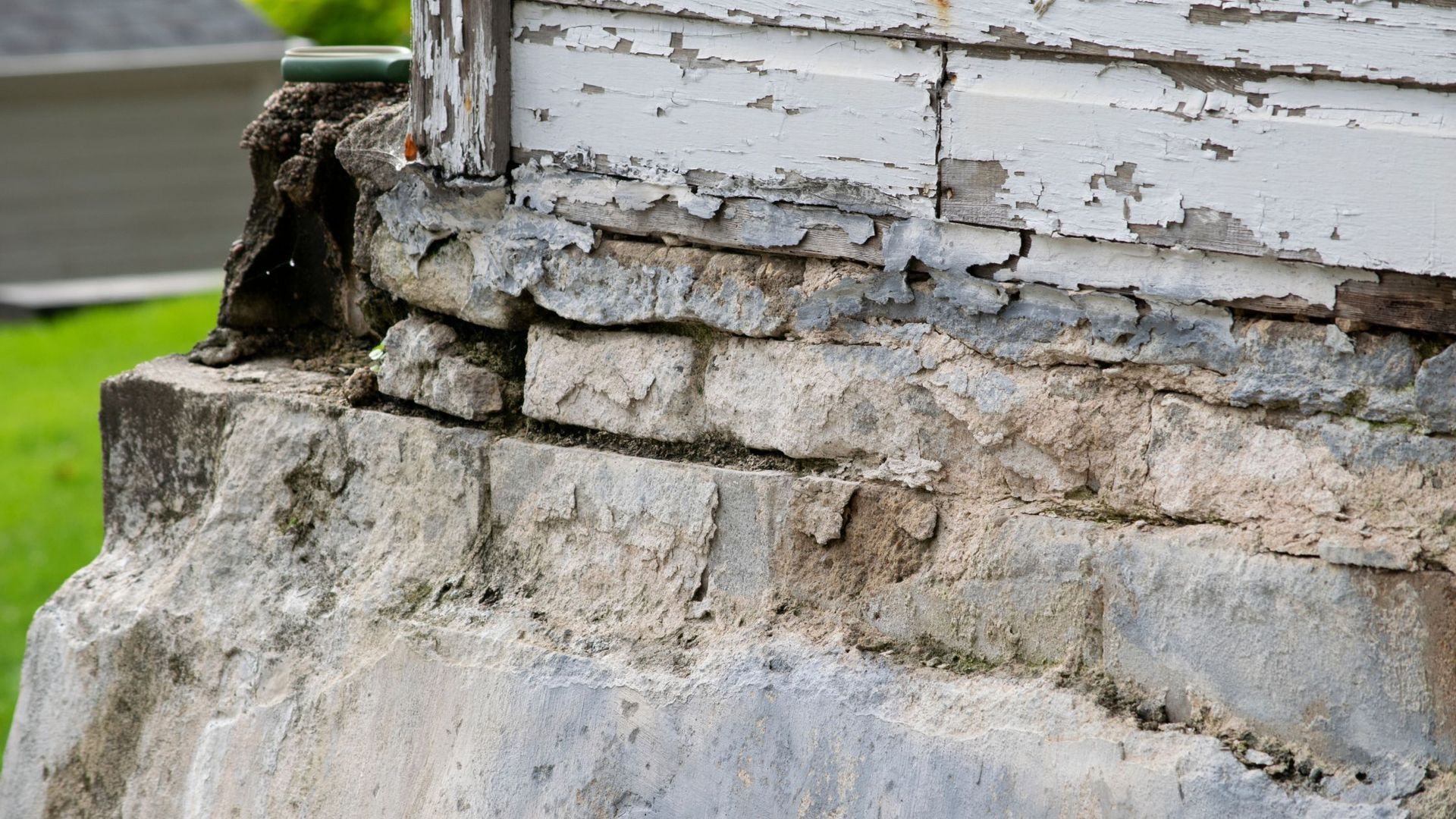
The freeze-thaw cycle is the second major factor. In East Lansing, the frost line typically reaches 42 inches. If water saturates the soil near the foundation and then freezes, the resulting "ice lenses" can lift concrete slabs or push basement walls inward. Over decades, this repetitive motion fatigues the concrete and masonry units (CMU), leading to the cracks and bows familiar to local residents.
Furthermore, many older homes in the Glencairn or Flowerpot neighborhoods were built using construction standards that did not account for the long-term drainage requirements of modern heavy rainfall events. As climate patterns in 2026 continue to show increased volatility, managing water runoff has become as essential as the structural repair itself.
Identifying Foundation Issues in Your Home
Before selecting a repair method or obtaining quotes, it is vital to distinguish between cosmetic flaws and structural failures. In the East Lansing market, home inspections are increasingly rigorous, and identifying these issues early can prevent a significant loss in property value.
Vertical vs. Horizontal Cracks
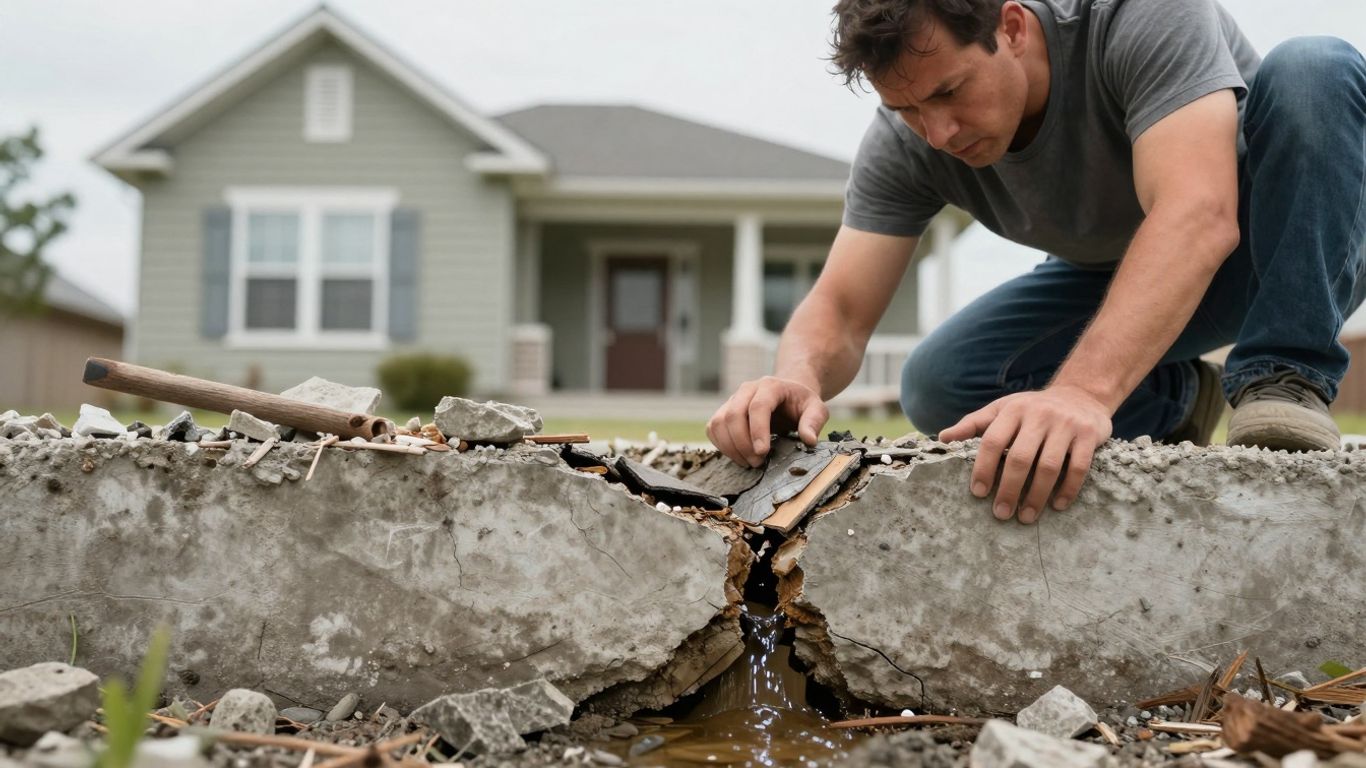
Vertical cracks are often the result of "settlement," where one part of the foundation drops faster than another. In many cases, these are caused by the initial curing of the concrete or minor soil compaction. However, horizontal cracks are almost always a sign of structural distress. A horizontal crack located mid-way up a basement wall indicates that hydrostatic pressure is forcing the wall to bow inward. By 2026 standards, any horizontal crack wider than 1/8th of an inch is considered a priority for professional evaluation.
Stair-Step Cracking
Common in brick veneer or concrete block foundations, stair-step cracks follow the mortar lines. These are classic indicators of differential settlement. In East Lansing’s clay-rich soil, these often appear near the corners of the home where drainage is often poorest.
Interior Indicators
Structural issues are not always found in the basement. Homeowners should look for:
- Doors or windows that stick or refuse to latch properly.
- Gaps between the wall and the ceiling or floor.
- Cracks in the drywall, especially those radiating from the corners of door frames.
- Sloping or "bouncy" floors in the upper levels of the home.
Comparison of Foundation Repair Methods and Choices
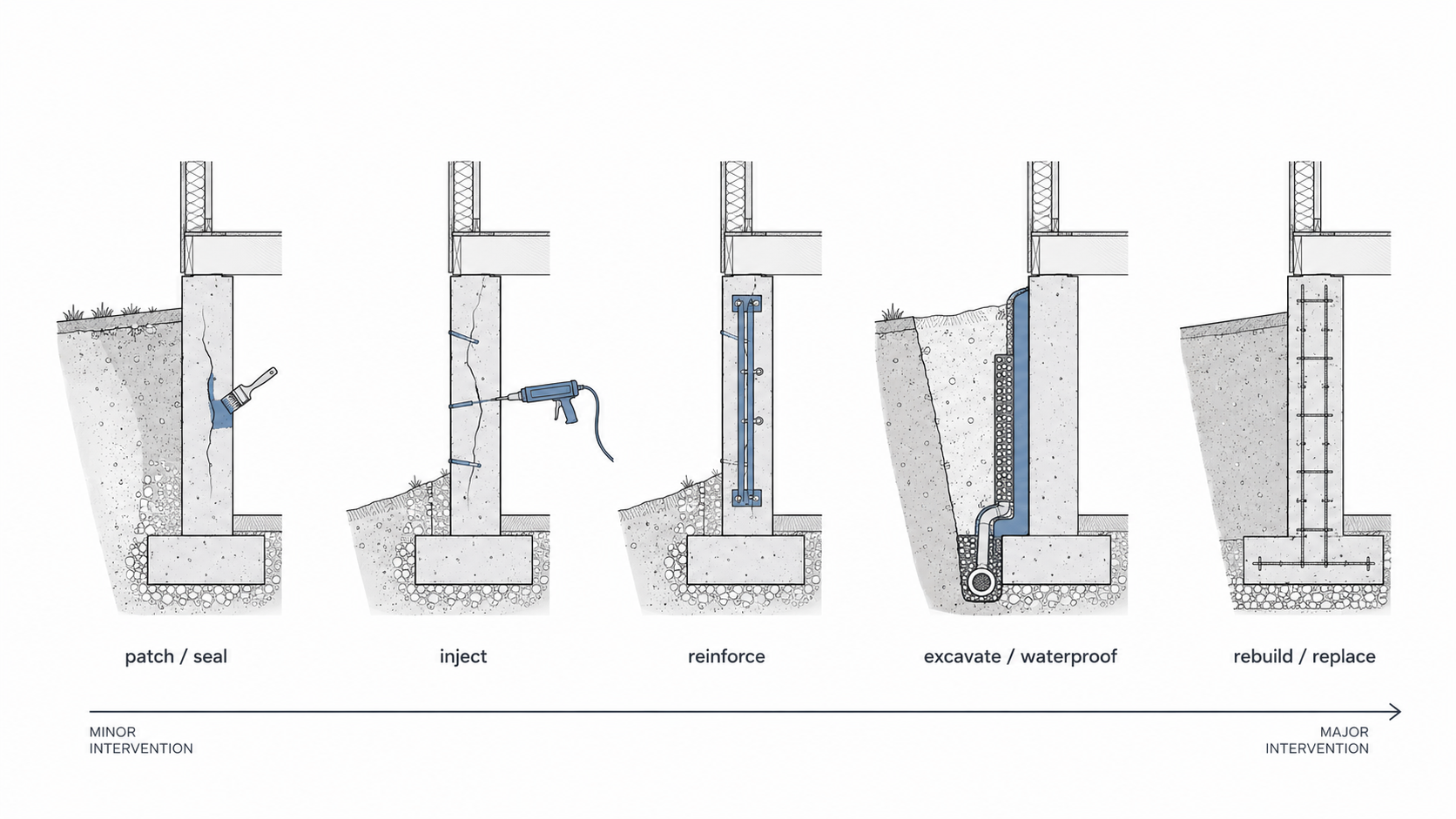
The "choice" in foundation repair refers to the engineering solution used to counteract the specific force damaging the home. In 2026, the industry has moved toward minimally invasive techniques that prioritize long-term stability over temporary "patching."
Piering Systems (Push and Helical)
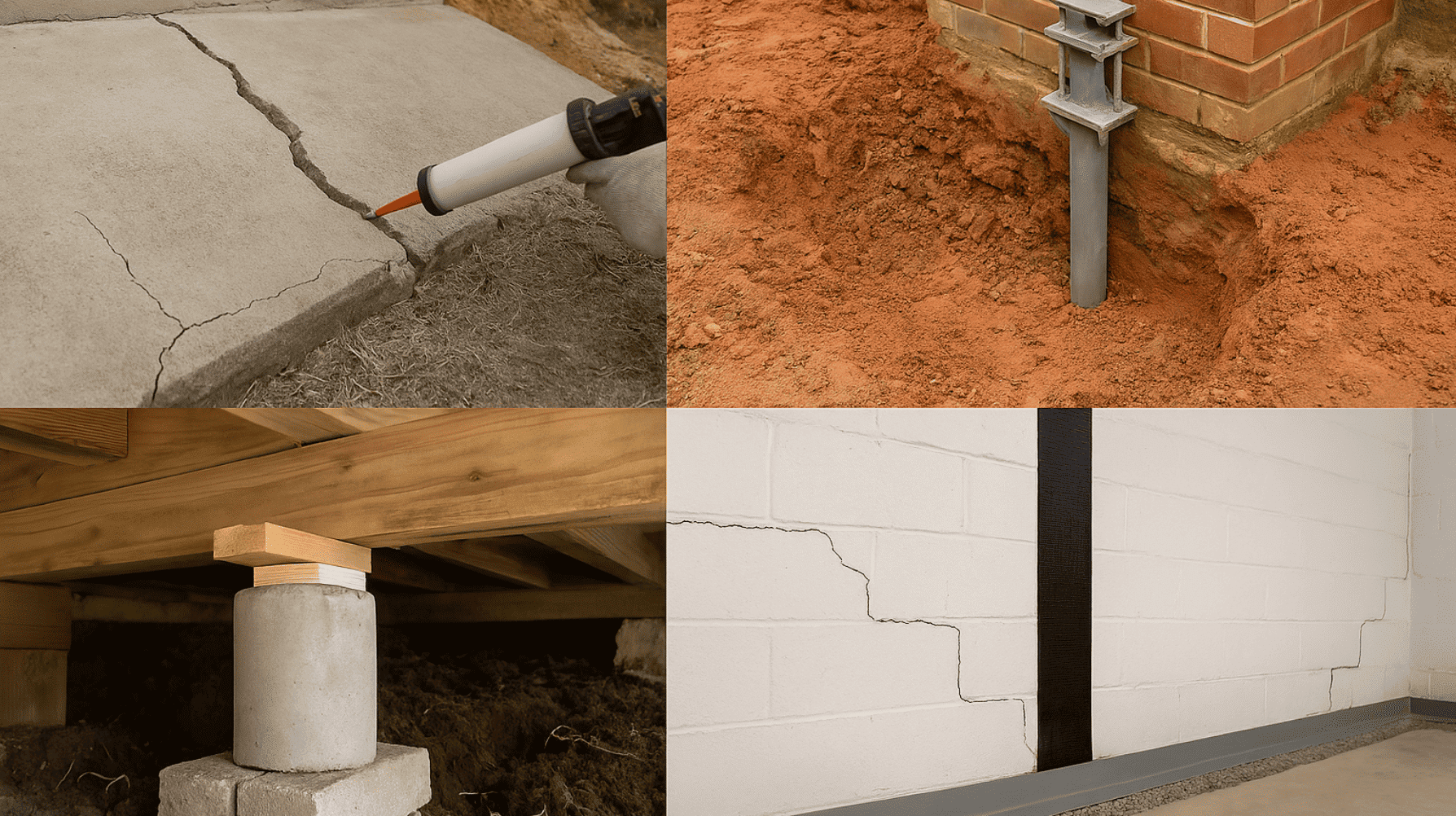
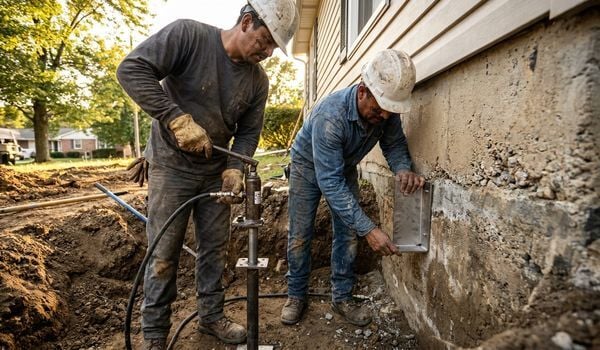
Piering is the gold standard for fixing a sinking foundation. Push piers use the weight of the structure to drive steel tubes deep into the earth until they hit load-bearing strata or bedrock. Helical piers, which look like large screws, are mechanically "threaded" into the ground. In East Lansing, helical piers are often preferred for lighter structures or areas with high water tables, as they provide immediate load-bearing capacity without relying on the home's weight.
Wall Stabilization (Carbon Fiber and Wall Anchors)
For bowing walls, homeowners generally choose between carbon fiber straps and steel wall anchors. Carbon fiber straps are a non-invasive choice; they are bonded to the interior of the basement wall using high-strength epoxy. They are nearly flush with the wall and can be painted over, making them ideal for finished basements. Wall anchors, however, are required for more severe bowing (usually over 2 inches). They involve burying an "anchor" plate in the yard and connecting it to a plate on the interior wall via a steel rod, which is then tightened to pull the wall back toward its original position.
Concrete Leveling and Polyjacking
For sinking sidewalks, driveways, or garage floors, "mudjacking" has largely been replaced by polyjacking (polyurethane foam injection). This 2026-standard method involves drilling small holes (the size of a penny) and injecting a high-density foam that expands to lift the concrete. It is lighter than the old sand-and-cement slurries and does not add additional weight to the already stressed East Lansing soil.
2026 Cost Estimates for East Lansing Foundation Repair
Costs in 2026 reflect both the specialized labor required and the price of high-grade steel and polymers. While every home is unique, the following table provides a breakdown of what East Lansing residents can expect to pay for common repairs.
| Repair Method | Primary Use Case | 2026 Estimated Cost |
|---|---|---|
| Helical Piers | Correcting foundation settlement/sinking | $1,800 – $3,200 per pier |
| Push Piers | Stabilizing heavy residential structures | $1,600 – $2,800 per pier |
| Carbon Fiber Straps | Reinforcing walls with minor bowing (< 2") | $600 – $1,100 per strap |
| Wall Anchors | Correcting severely bowing walls (> 2") | $1,000 – $1,850 per anchor |
| Epoxy Crack Injection | Sealing non-structural basement leaks | $450 – $950 per crack |
| Polyjacking | Leveling sinking concrete slabs/patios | $1,200 – $3,800 per project |
| Basement Waterproofing | Diverting water to prevent future damage | $5,000 – $12,000 (average) |
Note: Most major piering projects require a minimum of 5 to 8 piers to ensure the structural load is distributed safely, meaning total project costs for settlement often start at $10,000.
Local Regulations and Permitting in East Lansing
Performing structural repairs in East Lansing requires compliance with the City of East Lansing Building Department. As of 2026, a building permit is mandatory for any project involving piering, wall anchors, or structural alterations.
The city requires that any structural repair plan be reviewed and often stamped by a Licensed Professional Engineer (PE). This adds an upfront cost of approximately $500 to $1,500 but ensures that the contractor's proposed solution is scientifically sound for the specific soil conditions on the property. Furthermore, if the repair involves excavation within the public right-of-way or near utility lines (common in the densely packed areas near the MSU campus), additional "MISS DIG 811" clearances and municipal inspections are required.
Choosing a Foundation Repair Specialist
Given the high stakes of foundation work, homeowners should vet contractors based on more than just the lowest bid. In the Mid-Michigan area, several factors should influence the choice:
- Transferable Warranty: A foundation repair is an investment in the home's resale value. Ensure the warranty is "life of the structure" and can be transferred to the next buyer.
- Soil Knowledge: Ask the contractor how they account for the "Lansing clay." A company that treats Michigan soil the same as Arizona soil is a red flag.
- In-House Engineering: Some larger 2026 firms have in-house engineers, which can streamline the permitting process, though independent third-party inspections are still recommended for unbiased verification.
- Basement Finishing Compatibility: If you plan to finish your basement, prioritize carbon fiber reinforcements or low-profile anchors that won't interfere with framing and drywall.
Frequently Asked Questions
Does homeowners insurance cover foundation repair in East Lansing?
Generally, standard homeowners insurance policies do not cover foundation repair if the damage is caused by "earth movement" or "hydrostatic pressure," which are the most common causes in Michigan. However, if the foundation damage was a direct result of a sudden event, such as a plumbing burst or a covered disaster, you might have a claim. Always review your specific policy for "Sewer Backup and Sump Pump Failure" endorsements, which are highly recommended for East Lansing residents.
How long does a typical foundation repair take?
Most residential foundation repairs in East Lansing are completed within 2 to 5 days. Piering and wall anchoring are relatively fast once the excavation is complete. Polyjacking for a driveway or garage floor can often be finished in just a few hours, with the surface ready for use immediately.
Can I sell my house if it has foundation issues?
Yes, but you are legally required to disclose known structural defects in the Michigan Seller's Disclosure Statement. In 2026, many buyers will either require the repair to be completed before closing or demand a significant price reduction. Having a professional repair with a transferable warranty often allows you to maintain your home’s full market value.
Why is my basement leaking even after the cracks were "fixed"?
If a contractor only used a surface-level patch or a standard caulk, the natural movement of the soil will quickly reopen the gap. Structural cracks must be addressed at the source—either by stabilizing the movement or by using high-pressure epoxy/polyurethane injections that penetrate the full thickness of the wall.
Is East Lansing's proximity to the Red Cedar River a factor?
Yes. Properties located in lower-lying areas near the river often have a higher water table. This leads to more frequent saturation of the soil, higher hydrostatic pressure, and a greater need for robust interior and exterior drainage systems (like French drains and high-capacity sump pumps) alongside structural repairs.
Final Recommendation for Homeowners
If you suspect foundation trouble, the most prudent next step is to schedule a structural assessment. In 2026, the cost of waiting almost always exceeds the cost of early intervention. A minor horizontal crack can be addressed with carbon fiber for a few thousand dollars; however, if left until the wall begins to shear at the base, the cost can triple as heavy steel beams and extensive excavation become necessary.
Start by clearing debris away from your foundation walls and ensuring your gutters discharge at least 10 feet away from the home. If cracks persist or grow, contact a local specialist who understands the specific geological nuances of Ingham County.
Image Gallery