How Many Lanternflies Are in the US? Current Statistics and Spread in 2026
While an exact census of individual insects is impossible to conduct, entomologists estimate there are billions of spotted lanternflies currently inhabiting the United States. As of 2026, established populations have been confirmed in...
While an exact census of individual insects is impossible to conduct, entomologists estimate there are billions of spotted lanternflies currently inhabiting the United States. As of 2026, established populations have been confirmed in over 17 states, with active infestations spanning the Northeast, Mid-Atlantic, and parts of the Midwest.
Contents
The spotted lanternfly (Lycorma delicatula), an invasive planthopper native to China, India, and Vietnam, was first detected in Berks County, Pennsylvania, in September 2014. In the twelve years since its arrival, the species has transitioned from a localized concern to a significant national agricultural threat. Because these insects reproduce rapidly—with a single female laying up to two egg masses containing 30 to 50 eggs each—population numbers fluctuate seasonally but remain on a distinct upward trajectory across the continental U.S.
The Challenge of Quantifying an Invasive Surge
Quantifying the number of spotted lanternflies (SLF) involves measuring geographic distribution and density rather than counting individual insects. Unlike migratory birds or large mammals, insects are surveyed through "detection sites" and "infestation zones." By 2026, the United States Department of Agriculture (USDA) and the Animal and Plant Health Inspection Service (APHIS) have shifted focus from eradication in established zones to containment and "slow-the-spread" initiatives.
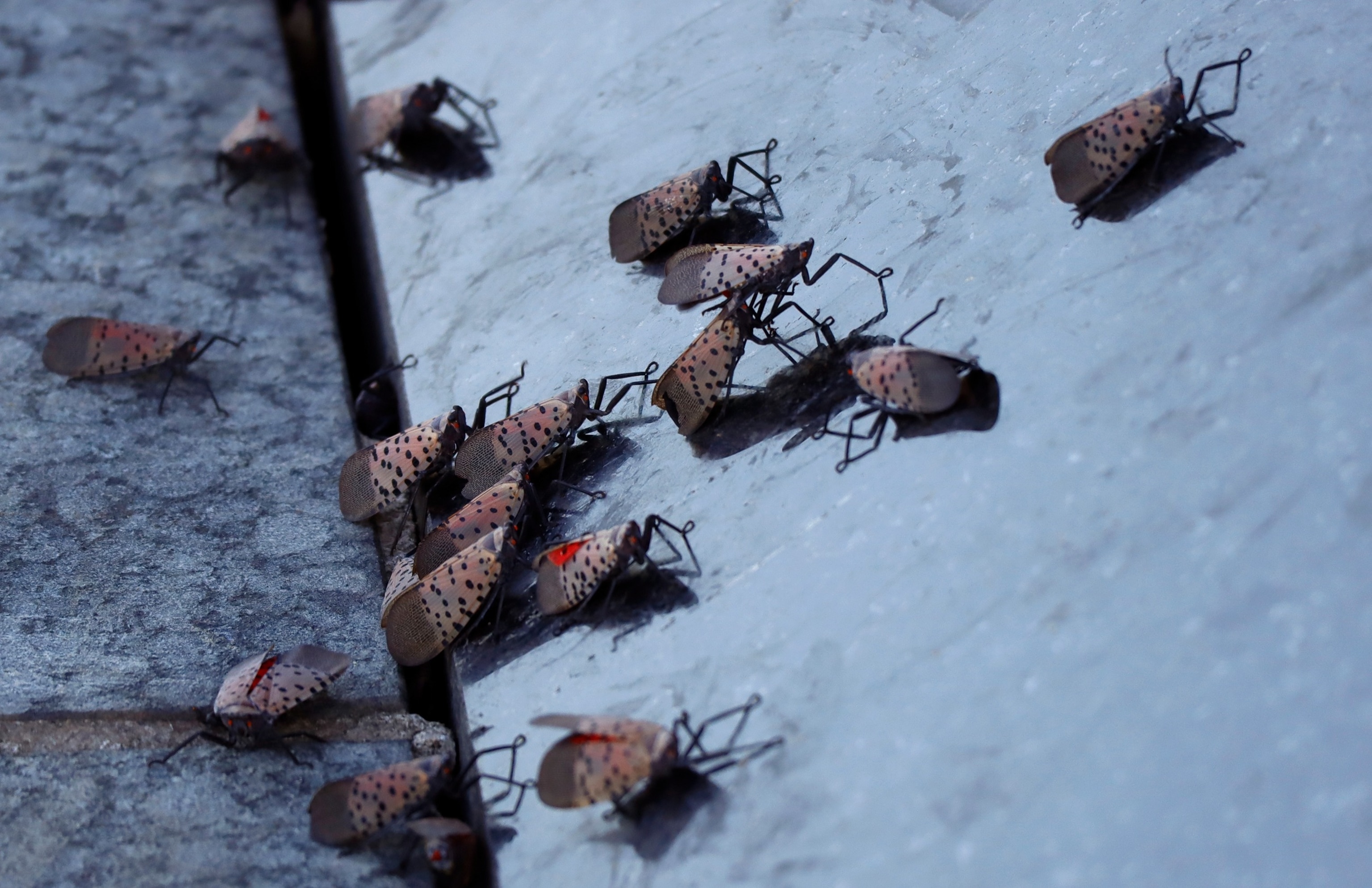
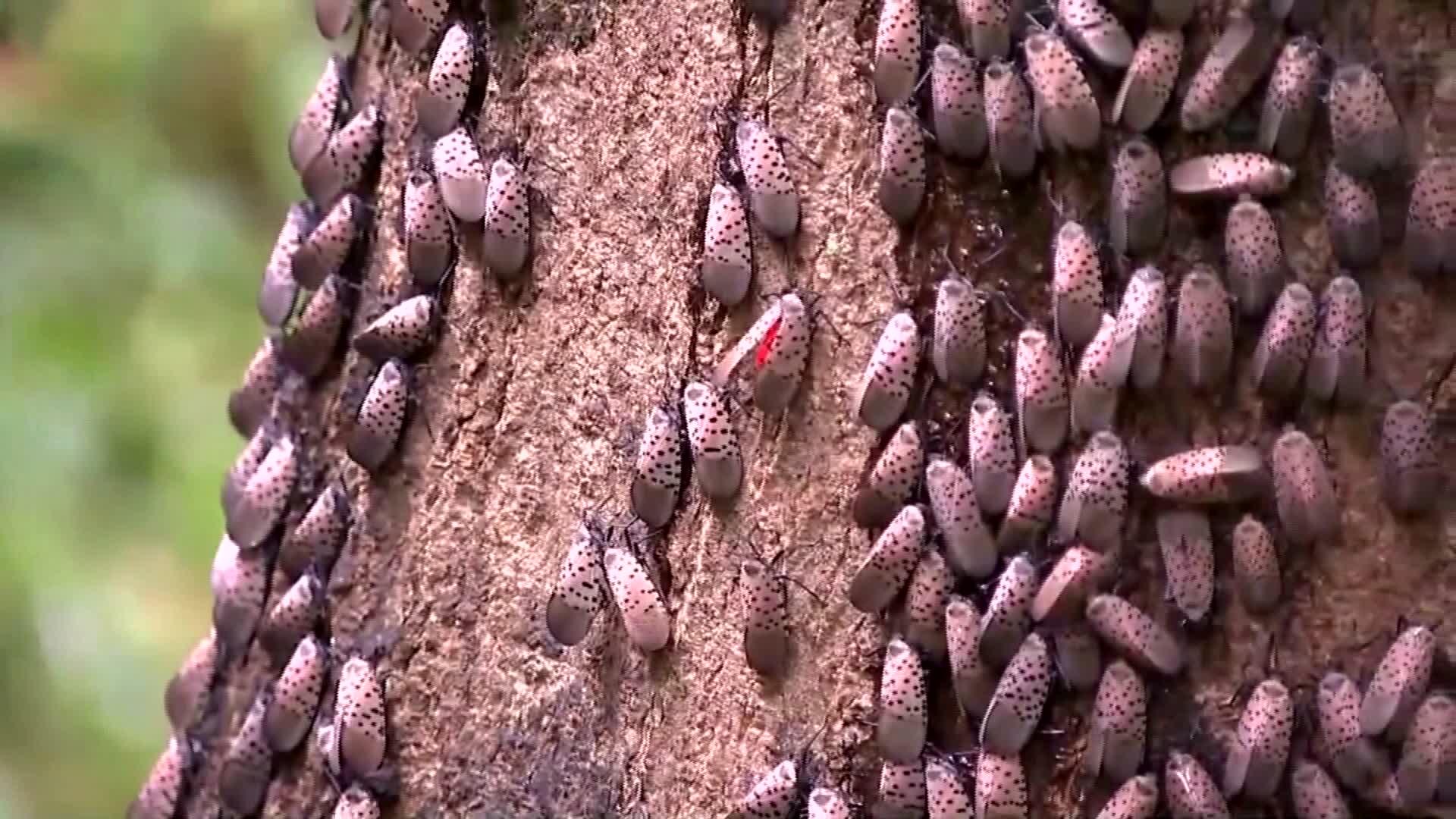
The sheer volume of the population is best understood through the lens of agricultural impact. In heavily infested areas of Pennsylvania, New Jersey, and New York, researchers have documented thousands of nymphs per individual host tree during the late spring months. When these nymphs mature into adults in late summer, they congregate in swarms that can cover the trunks of preferred host trees, such as the invasive Tree of Heaven (Ailanthus altissima), making them virtually unquantifiable at the local level.
Geographic Distribution and Status by State (2026)
The population is not evenly distributed across the country. Instead, it exists in "pockets" of high density that gradually merge as the insects hitchhike on vehicles, shipping containers, and nursery stock. The following table outlines the current status of the infestation across the most heavily impacted regions as of early 2026.
| State | Year of First Detection | Current Infestation Status | Primary Counties/Regions Impacted |
|---|---|---|---|
| Pennsylvania | 2014 | Widespread / Established | All counties; heaviest in Southeast and Central |
| New Jersey | 2018 | Widespread | Statewide; significant pressure on vineyards |
| New York | 2020 | Widespread | NYC Metro, Hudson Valley, Finger Lakes |
| Maryland | 2018 | Established | Northern and Central Maryland |
| Virginia | 2018 | Established | Shenandoah Valley and Northern Virginia |
| Ohio | 2020 | Localized / Growing | Cleveland, Cincinnati, and Youngstown areas |
| Connecticut | 2020 | Established | Fairfield, New Haven, and Hartford counties |
| Indiana | 2021 | Localized | Switzerland and Huntington counties |
| Michigan | 2022 | Localized | Oakland and Wayne counties |
| Illinois | 2023 | Localized | Cook County and surrounding shipping hubs |
Biological Factors Driving Population Growth
The explosion in the number of lanternflies in the U.S. is driven by several biological advantages the species enjoys in the North American ecosystem. Understanding these factors explains why the population has reached the billions so quickly.
Lack of Natural Predators
In its native range in Asia, the spotted lanternfly population is kept in check by parasitic wasps and specific predatory insects. In the United States, native birds and spiders have been slow to adapt to the SLF as a food source. While some species, such as the praying mantis and certain wheel bugs, do prey on them, they do not consume enough to impact the overall population trajectory significantly.
Reproductive Efficiency
The lifecycle of the lanternfly is perfectly synced with the temperate climate of the U.S. Eastern Seaboard. Eggs are laid in late fall and are remarkably resilient, protected by a grey, mud-like secretion that camouflages them against tree bark, stones, and outdoor furniture. These egg masses can survive harsh winters, leading to a high survival rate for the first-instar nymphs that emerge in May and June.
The Host Plant Synergy
The spread of the spotted lanternfly is inextricably linked to the Tree of Heaven (Ailanthus altissima). This tree is itself an invasive species that has spread across almost every state in the U.S., often thriving in disturbed soils along highways and railways. Because the Tree of Heaven is the lanternfly's preferred host for mating and egg-laying, the presence of these trees acts as a "green highway," allowing the insects to migrate across state lines with ease.
Economic Impact: Why the Numbers Matter
The primary reason government agencies track SLF numbers so closely is the catastrophic potential for economic damage. The lanternfly is a "phloem feeder," meaning it uses a piercing-sucking mouthpart to drink the sap from plants and trees. This weakens the host, making it susceptible to disease and environmental stress.
- Viticulture (Grapes and Wine): This is the most critically impacted sector. In heavily infested areas of Pennsylvania and New York, some vineyards have reported a 100% loss of vines. The insects excrete a sticky substance called honeydew, which encourages the growth of black sooty mold. This mold covers leaves, prevents photosynthesis, and ruins the fruit.
- Timber and Forestry: Lanternflies feed on over 70 species of plants, including valuable timber such as black walnut, maple, and oak. By 2026, the forestry industry has observed significant declines in sapling survival rates in high-density SLF zones.
- Hops and Orchards: While lanternflies prefer grapes, they also feed on hops and fruit trees (apple and peach). The increased cost of pest management for farmers has led to higher consumer prices for these commodities.
Current Management and "Slow the Spread" Efforts
As we move through 2026, the strategy has moved beyond simple "stomping" campaigns—though citizen participation remains vital. The USDA and various state departments of agriculture have implemented multi-layered management programs to curb the billions-strong population.
Quarantine Zones
States with established populations have implemented strict quarantine regulations. Businesses moving products out of these zones must undergo training and obtain permits to ensure they are not accidentally transporting egg masses or live insects. This has been particularly critical for the trucking and rail industries, which are the primary vectors for long-distance "hitchhiking."
Biological Control Research
Researchers are currently evaluating the effectiveness of two Asian wasps, Anastatus orientalis and Dryinus browni, as potential biological control agents. These wasps specialize in attacking SLF eggs and nymphs. However, the release of these agents requires years of testing to ensure they do not harm native North American insect species.
Chemical and Mechanical Control
In 2026, the use of systemic insecticides (like dinotefuran or imidacloprid) on "trap trees" remains the most effective way to kill large numbers of adult lanternflies. Trap trees are typically male Ailanthus altissima trees that have been treated with insecticide; when the lanternflies congregate to feed, they ingest the toxin and die before they can reproduce.
Frequently Asked Questions
Are spotted lanternflies dangerous to humans or pets?
No, spotted lanternflies do not bite, sting, or transmit diseases to humans or animals. They are strictly plant pests. However, their excrement (honeydew) can attract stinging insects like wasps and bees to your property, and the resulting sooty mold can be a nuisance on outdoor furniture and decks.
Do lanternflies live through the winter?
Adult lanternflies cannot survive the first few hard frosts of winter. However, their egg masses are extremely hardy and survive the cold months easily. This is why the population "resets" every spring, with a new generation of nymphs hatching in late May.
How many eggs does a single lanternfly lay?
A single female can lay one or two egg masses during the autumn months. Each mass contains between 30 and 50 eggs. This exponential reproductive rate is why a small, undetected population can explode into a massive infestation within just two or three growing seasons.
What should I do if I find a lanternfly in a new area?
If you are in a region where lanternflies have not yet been established, you should take a photo, note the location, and report it to your state’s Department of Agriculture or local Extension office immediately. Afterward, you should kill the insect. Reporting helps officials track the leading edge of the invasion.
Why can't we just spray pesticides everywhere to kill them all?
Broad-scale pesticide application is generally avoided because it would kill beneficial insects, including pollinators like honeybees and butterflies. Management focuses on targeted treatments, such as treating specific host trees or using "circle traps" that capture nymphs as they climb up tree trunks.
Recommendation for Residents and Property Owners
As of 2026, the most effective way to manage the lanternfly population on your own property is a combination of host management and vigilance. First, identify and remove any Ailanthus altissima (Tree of Heaven) on your land, as this deprives the insects of their primary breeding ground. Second, during the winter and early spring, inspect all flat surfaces—including tree bark, stones, and the undersides of vehicles—for egg masses. Scrape these masses into a container of rubbing alcohol or hand sanitizer to kill them before they hatch. By destroying just one egg mass, you prevent up to 50 new insects from entering the population the following year.
Image Gallery