Instant Auto Insurance Quote Allstate: A Comprehensive Guide for 2026
Obtaining an instant auto insurance quote from Allstate in 2026 involves using their digital platform to input vehicle data, driver information, and desired coverage levels. This streamlined process leverages AI-driven data retrieval t...
Obtaining an instant auto insurance quote from Allstate in 2026 involves using their digital platform to input vehicle data, driver information, and desired coverage levels. This streamlined process leverages AI-driven data retrieval to provide a personalized premium estimate within minutes, allowing prospective policyholders to compare options before committing to a final underwriting agreement.
Contents
The landscape of personal finance and risk management has evolved significantly, yet the necessity of reliable vehicle protection remains constant. Allstate, one of the largest publicly held personal lines insurers in the United States, has refined its digital quoting interface to meet the demands of modern consumers who prioritize speed and accuracy. An "instant" quote is no longer just a rough estimate; in 2026, it is a highly calibrated figure based on real-time data integration. This guide explores the mechanics of the Allstate quoting system, the information required to ensure accuracy, and the various factors that influence the final price.
Understanding the Allstate Digital Quoting Infrastructure
Allstate’s "instant" quoting system is built upon a sophisticated backend that connects to various data silos. When a user initiates a quote, the system does more than just record the numbers entered into the fields. It interacts with credit bureaus, motor vehicle departments (MVDs), and historical claims databases to build a risk profile. This connectivity is what allows for the speed of the "instant" quote.
By 2026, Allstate has integrated advanced machine learning models that can predict a driver's risk category more accurately with fewer manual inputs. For instance, in many jurisdictions, entering a name and address allows the system to pre-fill vehicle identification numbers (VINs) for cars currently registered at that household. This reduces user error and ensures that the quote is based on the actual safety features and repair costs associated with the specific vehicle model.
However, users should understand that a "quote" is an offer to provide insurance based on the information available at that moment. It is not a binding contract until the underwriting process—where Allstate’s experts verify all details—is completed. The accuracy of your "instant" quote depends heavily on the transparency of the data you provide and the records Allstate retrieves.
Prerequisites: Information Needed for an Accurate Quote
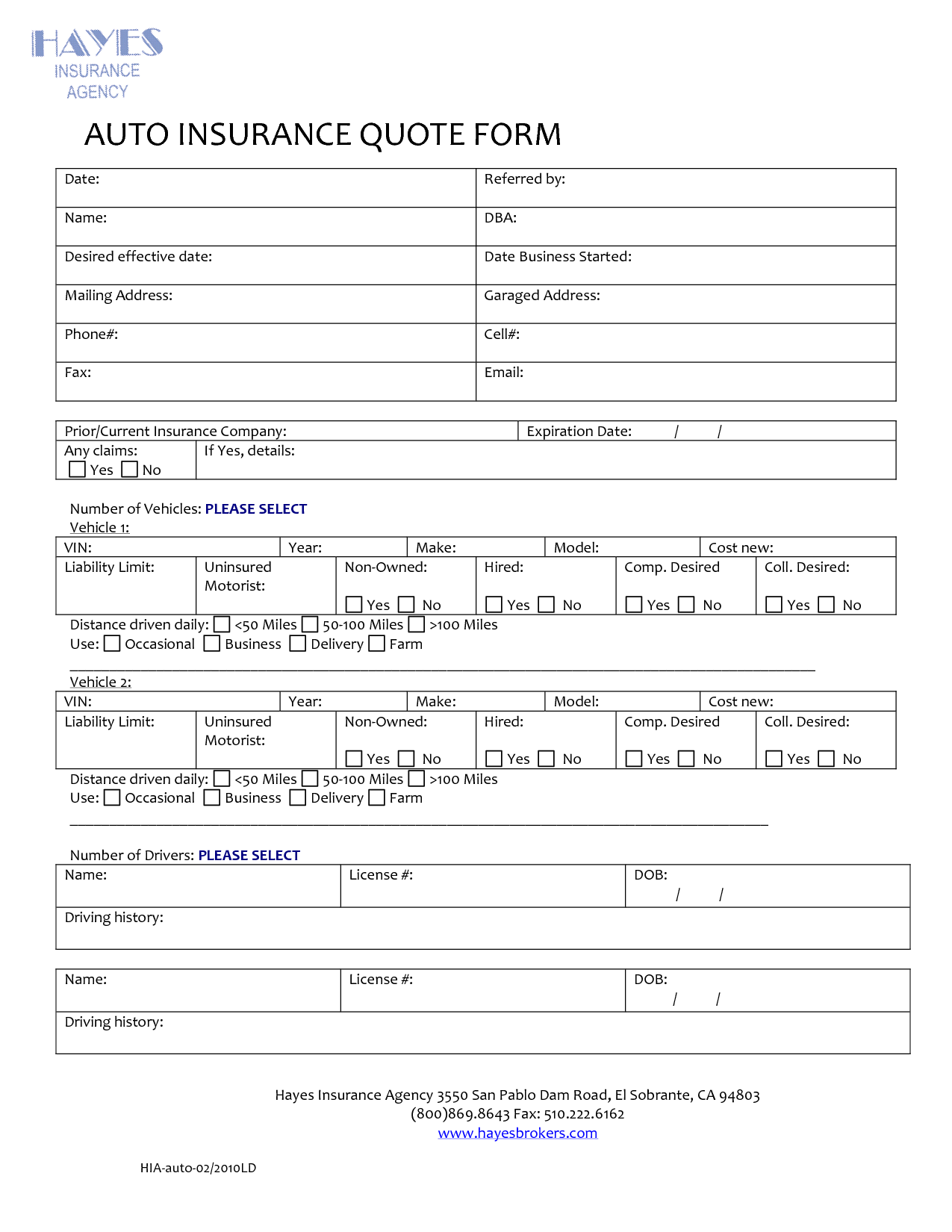
To get the most accurate result from the Allstate quoting tool, you should have specific documentation and details ready. While the system can pull a significant amount of data automatically, manual verification ensures you are getting all eligible discounts and the correct coverage limits.
Vehicle Information
The specific vehicle you drive is a primary determinant of your premium. You will need:
- The Vehicle Identification Number (VIN): This 17-digit code provides the most accurate data regarding safety features, engine size, and theft rates.
- Current Odometer Reading: Annual mileage is a key factor in risk assessment.
- Safety Features: While many are identified via VIN, manual entry of aftermarket security systems or telematics devices can lower the quote.
Driver Details
Allstate requires information for every licensed driver in the household:
- Driver’s License Numbers: Used to pull driving records, including accidents, speeding tickets, and DUIs.
- Occupation and Education: Some professions or degree levels may qualify for "affinity" discounts.
- Social Security Numbers (Optional but Recommended): In most states, insurance providers use credit-based insurance scores to determine rates. Providing a SSN allows for a more precise "instant" quote.
Current Policy Information
If you are currently insured, having your "Declarations Page" handy is helpful. This document lists your current coverage limits (e.g., $100,000/$300,000 for liability). Comparing your Allstate quote against your current limits ensures you are making an "apples-to-apples" comparison.
The Step-by-Step Quoting Process
Navigating the Allstate website or mobile app is designed to be intuitive. As of 2026, the process typically follows these five stages:
- Initial Identification: You begin by entering your zip code. This is crucial because insurance regulations and base rates vary significantly by state and even by neighborhood (due to theft rates or weather risks).
- Personal Information: You enter your name, date of birth, and address. At this stage, Allstate’s AI often attempts to find your vehicle and other household members to speed up the process.
- Vehicle and Usage Selection: You confirm the vehicles to be insured and specify how they are used—whether for commuting, pleasure, or business (such as ridesharing). If you use your vehicle for Uber or Lyft, it is vital to disclose this, as standard personal policies often exclude commercial activities.
- Coverage Customization: This is the most technical part of the process. You will choose your limits for Liability, Collision, and Comprehensive coverage. You can also add optional protections like Roadside Assistance or New Car Replacement.
- Review and Discount Application: The final screen displays the estimated premium. Here, you can toggle different deductibles to see how they impact the monthly cost. You will also see a list of applied discounts, such as "Smart Student" or "Full Pay."
Evaluating Coverage Options and Add-ons
A quote is only useful if it provides the protection you actually need. Allstate offers several tiers of coverage that can be adjusted during the quoting process.
| Coverage Type | What it Protects | Importance Level |
|---|---|---|
| Bodily Injury Liability | Medical expenses for others if you are at fault. | Mandatory in most states. |
| Property Damage Liability | Damage to someone else's property (cars, fences). | Mandatory in most states. |
| Collision Coverage | Repairs to your own car after an accident. | High (Often required for financed cars). |
| Comprehensive Coverage | Damage from theft, fire, or natural disasters. | High (Often required for financed cars). |
| Medical Payments/PIP | Your own medical bills regardless of fault. | Varies by state law. |
| Uninsured Motorist | Protection if the other driver has no insurance. | Highly recommended. |
| Roadside Assistance | Towing, flat tires, and battery jumps. | Optional convenience. |
In 2026, Allstate has also expanded its Milewise and Drivewise options. These are telematics-based programs where your actual driving behavior (speed, braking, and time of day) or the number of miles you drive directly influences your quote. If you are a low-mileage driver or a very safe driver, choosing these options during the quote phase can result in a significantly lower "instant" price compared to a traditional policy.
Factors That Influence Your Allstate Quote
Several variables can cause your quote to fluctuate. Understanding these can help you adjust your expectations and your coverage choices.
Geographic Location
Where you park your car matters. Urban areas with high traffic density generally see higher premiums than rural areas. Additionally, regions prone to hailstorms, floods, or wildfires will have higher comprehensive coverage costs. Allstate uses historical weather data and crime statistics for 2026 to calibrate these risks.
Credit-Based Insurance Scores
In states where it is legally permitted, Allstate uses your credit history to help predict the likelihood of a claim. Drivers with higher credit scores often receive lower quotes. If you receive a quote that seems high, it may be worth checking your credit report for errors.
The Deductible Relationship
The deductible is the amount you pay out-of-pocket before insurance kicks in. A higher deductible (e.g., $1,000) will lower your monthly premium, while a lower deductible (e.g., $250) will increase it. The Allstate quote tool allows you to slide these values back and forth to find your financial "sweet spot."
Vehicle Safety Ratings
Allstate rewards drivers of vehicles with high safety ratings. Features like automatic emergency braking, lane-departure warnings, and advanced airbag systems can reduce the cost of personal injury or collision coverage. You can check your vehicle's safety ratings at the National Highway Traffic Safety Administration (NHTSA) to see how it might be viewed by insurers.
Common Mistakes to Avoid During the Quoting Process
To ensure the "instant" quote remains valid through the underwriting phase, avoid these common pitfalls:
- Underestimating Annual Mileage: If you tell Allstate you drive 5,000 miles a year but your records show 15,000, your premium will be adjusted upward after the policy is issued.
- Omitting Household Members: You must list all licensed drivers living in your home. Failure to do so can be considered material misrepresentation, leading to a denied claim later.
- Ignoring the "Fine Print" on Discounts: Some discounts, like the "Paperless" discount, require you to maintain specific settings in your account. If you opt out of digital communications later, your rate may increase.
- Selecting State Minimums Only: While the cheapest quote might come from selecting the minimum legal requirements, this often leaves you underinsured. In a major accident, state minimums are rarely enough to cover modern medical or repair costs.
Troubleshooting: What to Do if You Can't Get an Instant Quote
Occasionally, the Allstate system may be unable to provide an immediate price. This usually happens for one of three reasons:
- Complex Driving History: If you have multiple major violations or a recent DUI, the system may flag your application for manual review by an underwriter.
- High-Value Vehicles: Extremely expensive or rare vehicles (exotics) often require specialized quoting that the standard online tool cannot handle.
- Data Mismatch: If your address or license info doesn't match public records, you may be prompted to call an Allstate agent to verify your identity.
If you encounter a "Call for Quote" message, it is usually best to speak directly with an agent. They can often find credits or clarify data discrepancies that the automated system cannot resolve.
Frequently Asked Questions
Does getting an Allstate quote affect my credit score?
No. Allstate uses a "soft pull" of your credit report during the quoting process. Unlike a "hard pull" used for credit card or mortgage applications, a soft pull does not impact your credit score.
Can I save my quote and finish it later?
Yes. When you start an Allstate quote, you are typically given a reference number or invited to create a login. Your progress is saved for a set period (usually 30 to 60 days), allowing you to return and finalize the purchase without re-entering all your data.
How do I get the "Full Pay" discount mentioned in the quote?
During the final stage of the quote, you will be given payment options. Choosing to pay your entire six-month or annual premium upfront, rather than in monthly installments, triggers a significant discount on the total cost.
Is the online quote the same as what an agent would give me?
In most cases, yes. Allstate uses the same underlying rating engine for both online quotes and agent-led quotes. However, an agent may be able to identify specific "affinity" discounts (like those for certain professional organizations) that you might overlook online.
What is the difference between Milewise and a standard Allstate quote?
A standard quote provides a fixed monthly or semi-annual premium. Milewise is a pay-per-mile program. Your quote will consist of a low daily base rate plus a per-mile rate. This is ideal for people who drive less than 8,000 miles per year.
Practical Recommendation
Before finalizing your Allstate auto insurance quote, it is advisable to gather your current policy’s "Declarations Page" and a copy of your driving record. Use the Allstate mobile app to take advantage of the integrated document scanning features, which can significantly speed up data entry. If you are comfortable with telematics, opting into the Drivewise program during the quote process is often the most effective way to secure a lower rate in 2026, provided you maintain safe driving habits. Always aim for liability limits that protect your total net worth, rather than just meeting the state's legal minimum.
Image Gallery