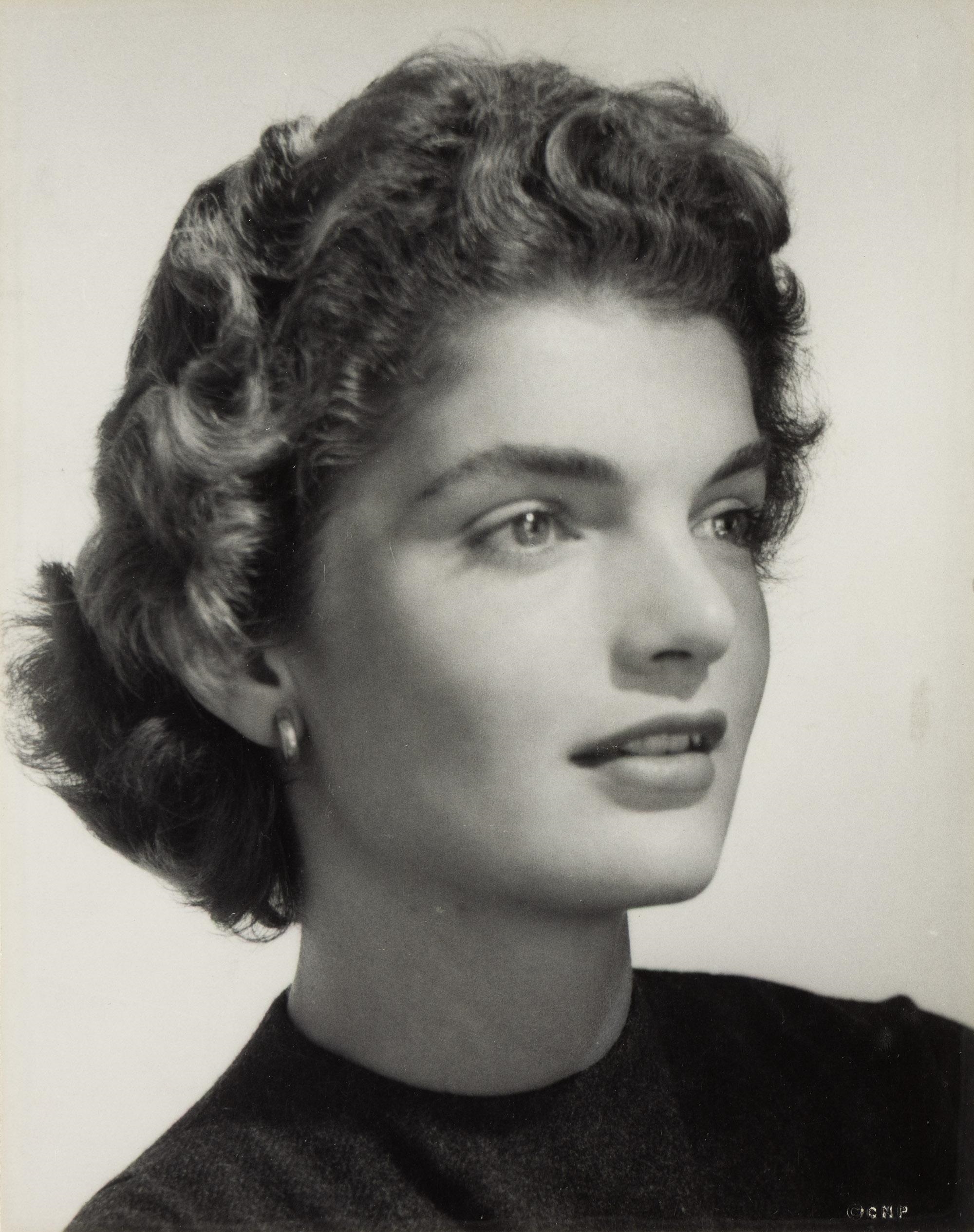
Jacqueline Bouvier’s Legacy in Detroit Culture: History and Impact
Jacqueline Bouvier Kennedy Onassis left a permanent mark on Detroit culture through her high-profile 1960 campaign appearances, her profound influence on mid-century design trends in the automotive capital, and her enduring status as a...
Jacqueline Bouvier Kennedy Onassis left a permanent mark on Detroit culture through her high-profile 1960 campaign appearances, her profound influence on mid-century design trends in the automotive capital, and her enduring status as a symbol of elegance within Michigan’s cultural institutions. Her legacy in Detroit is preserved through museum collections, architectural associations, and the collective memory of the city’s ethnic enclaves.
Contents
The 1960 Presidential Campaign: Jacqueline Bouvier in the Motor City
The most direct and documented interaction between Jacqueline Bouvier Kennedy and Detroit occurred during the pivotal 1960 presidential campaign. At the time, Detroit was the undisputed industrial powerhouse of the United States, and the labor vote in Michigan was critical for John F. Kennedy’s narrow victory. Jacqueline’s presence in Detroit served as a sophisticated counterpoint to the grit of the city’s assembly lines, bridging the gap between the working-class electorate and the "Camelot" mystique.
On Labor Day in 1960, Jacqueline accompanied her husband to a massive rally at Cadillac Square. While the Senator focused on labor rights and the economy, Jacqueline’s role was cultural and symbolic. She navigated the immense crowds with a poise that captivated the local press, helping to soften the Kennedy image for Detroit’s conservative Catholic voters and its diverse immigrant populations.
The Hamtramck Connection and Ethnic Appeal
Perhaps the most culturally significant moment of her Detroit-area visits was her reception in Hamtramck, the historically Polish enclave surrounded by Detroit. In 1960, the Kennedy campaign recognized that winning the hearts of "ethnic" voters was essential. Jacqueline, though of French and Irish descent, became a figure of intense fascination for Polish-American women in Detroit.
Her ability to project an image of traditional family values while maintaining an avant-garde fashion sense resonated deeply in Hamtramck. During her visits, she was often greeted by thousands of residents lining Joseph Campau Avenue. This connection helped solidify the Kennedy family as icons within the city's Catholic and Eastern European communities, a status that persisted for decades and is still visible today in the vintage photographs and memorabilia found in Detroit’s older social clubs.
The "Jackie Look" and Detroit’s Mid-Century Aesthetic
Beyond personal appearances, Jacqueline Bouvier’s cultural impact on Detroit was filtered through the city’s primary industry: automotive design. As the First Lady, her preference for clean lines, French couture (later adapted by American designers like Oleg Cassini), and a "less is more" philosophy mirrored the transition occurring in Detroit’s design studios.
Influence on Automotive Design and Marketing
During the late 1950s, Detroit car design was characterized by excessive chrome and massive tailfins (the "Tailfin Era"). However, as Jacqueline Bouvier entered the national stage, there was a measurable shift toward what historians call "the linear look." This aesthetic favored elegance, subdued color palettes, and balanced proportions—qualities that Jacqueline epitomized.
The marketing departments of General Motors, Ford, and Chrysler frequently invoked the "First Lady of Fashion" aesthetic to sell the new generation of luxury sedans. For instance, the marketing for the 1961 Lincoln Continental—the car that would eventually become synonymous with the Kennedy administration—emphasized a "quiet elegance" that was directly inspired by the social shift Jacqueline led. She was not just a political figure; she was a catalyst for the refinement of Detroit’s most famous export.
Architectural and Cultural Patronage in Detroit
Jacqueline Kennedy’s dedication to historical preservation and the arts had a ripple effect that reached Detroit’s cultural institutions. Her work in restoring the White House set a precedent for historical conservation that Detroit’s civic leaders sought to emulate during the city's mid-century urban renewal projects.
The Detroit Institute of Arts (DIA) and Historical Society
While her primary focus was on Washington D.C., her influence empowered local Detroit organizations. The Detroit Institute of Arts (DIA) and the Detroit Historical Society saw an increased interest in decorative arts and American history during the 1960s, fueled by the national conversation Jacqueline started regarding the importance of cultural heritage.
In the decades following her time in the White House, the DIA has hosted various retrospectives and fashion-focused exhibitions that highlight her impact. Her influence is also felt in the preservation of Detroit’s Lafayette Park, a neighborhood designed by Mies van der Rohe. The neighborhood’s modernist, "International Style" philosophy was the architectural equivalent of the Bouvier-Kennedy aesthetic: sophisticated, functional, and elite yet accessible.
The Henry Ford Museum and the Kennedy Limousine
A somber but essential part of Jacqueline Bouvier’s legacy in Detroit culture is housed at The Henry Ford Museum in Dearborn. The museum is the permanent home of the SS-100-X, the 1961 Lincoln Continental limousine in which President Kennedy was assassinated.
The presence of this vehicle in the Detroit metropolitan area serves as a physical link between the city’s industrial output and the tragedy that ended the Kennedy era. For visitors, the car is not just a piece of automotive history; it is a relic of the moment Jacqueline Bouvier’s role shifted from a cultural icon to a figure of national mourning. The museum’s curation of this artifact focuses heavily on the historical context of the era, ensuring that Jacqueline’s dignity and the "Camelot" she helped build remain part of the region's educational landscape.
| Event / Entity | Location | Cultural Significance in Detroit |
|---|---|---|
| 1960 Labor Day Rally | Cadillac Square, Detroit | Formalized the Kennedy connection with Detroit’s labor unions. |
| Hamtramck Campaign Stop | Hamtramck, MI | Established Jacqueline as a hero for Detroit’s Polish-American community. |
| SS-100-X Limousine | The Henry Ford Museum | A permanent artifact linking Detroit manufacturing to the Kennedy legacy. |
| Mid-Century Design Shift | Detroit Auto Studios | The transition from "chrome excess" to the "Jackie-inspired" linear elegance. |
| "The White House Years" | Traveling Exhibitions | Major cultural events in Detroit showcasing her fashion and preservation work. |
Cultural Perceptions of Jacqueline Bouvier in 2026 Detroit
In 2026, Jacqueline Bouvier remains a touchstone for Detroiters interested in the intersection of fashion, politics, and urban history. As Detroit continues its 21st-century revitalization, the "Jackie Kennedy" standard of excellence is often cited by local designers and urban planners who look back at the 1960s as a high-water mark for the city's international prestige.
Her influence is visible in:
- Boutique Fashion: The resurgence of "Detroit Classic" style in the Cass Corridor and downtown shopping districts frequently references the pillbox hats and shift dresses made famous by Bouvier.
- Civic Preservation: The ongoing efforts to save Detroit’s historic mansions in districts like Boston-Edison and Indian Village draw inspiration from her early-60s push for national historical stewardship.
- Media and Education: Local historical documentaries and school curricula in the Detroit Public Schools Community District use her 1960 visit as a primary example of how national politics interacted with local labor culture.
Frequently Asked Questions
Did Jacqueline Bouvier ever live in Detroit?
No, Jacqueline Bouvier never lived in Detroit. She was born in New York and lived primarily in the Northeast. Her connection to Detroit was established through political campaigning, her influence on the automotive design industry, and the presence of significant Kennedy-related artifacts in local museums like The Henry Ford.
What was Jacqueline Kennedy’s impact on the Detroit auto industry?
Her impact was primarily aesthetic and marketing-based. During the early 1960s, Detroit car designers shifted away from the flashy, chrome-heavy styles of the 1950s toward more understated, elegant designs that mirrored Jacqueline’s personal style. This "linear look" helped define the 1961-1967 era of American luxury vehicles.
Is there a memorial to Jacqueline Kennedy in Detroit?
While there is no standalone statue of her, she is a central figure in various historical exhibits at the Detroit Historical Museum and The Henry Ford. These exhibits focus on her 1960 campaign visit and her role in the broader 20th-century American cultural landscape.
How did the Polish community in Detroit view Jacqueline Bouvier?
The Polish community in Hamtramck and Detroit viewed her with immense respect. As a devout Catholic and a woman of high social standing who still valued traditional family structures, she became a role model for many immigrant families. Her visits to Hamtramck in 1960 are still remembered as some of the most significant events in the neighborhood's history.
Which Detroit museum has the most information on the Kennedy family?
The Henry Ford Museum in Dearborn offers the most comprehensive collection related to the Kennedy family in the Detroit area. In addition to the presidential limousine, the museum archives contain significant photographs and documents related to the family's interactions with Detroit’s industrial leaders.
Practical Recommendation for Researchers
For those looking to explore the tangible history of Jacqueline Bouvier in Detroit culture, a visit to The Henry Ford is the most effective starting point. Researchers should also consult the digital archives of the Detroit Historical Society and the John F. Kennedy Presidential Library and Museum for specific newspaper clippings and photographs of her 1960 Labor Day appearances. When visiting local historical sites, focus on the architecture of the 1960s to see how the "First Lady’s" aesthetic preferences were translated into the city's physical landscape.
Image Gallery