Invisibility is Real: The Science and Technology of Modern Cloaking
While the "invisibility cloaks" of science fiction remain elusive in a perfect, universal form, invisibility is real in some cases through the application of advanced metamaterials, active camouflage, and stealth technology. By manipul...
While the "invisibility cloaks" of science fiction remain elusive in a perfect, universal form, invisibility is real in some cases through the application of advanced metamaterials, active camouflage, and stealth technology. By manipulating the way electromagnetic waves—including visible light, radar, and infrared—interact with objects, scientists and engineers have developed functional methods to render items undetectable to specific sensors or the human eye under controlled conditions.
Contents
The concept of invisibility has transitioned from the realm of mythology into a rigorous field of applied physics. In 2026, we recognize that "visibility" is simply the interaction of light (or other electromagnetic radiation) with an object and a detector (like an eye or a camera). If we can prevent that interaction or redirect the radiation around the object so it reaches the detector as if the object were never there, we have achieved a state of functional invisibility. This achievement is not a single "magic" discovery but a collection of distinct technologies tailored for specific environments and wavelengths.
The Physics of Light Manipulation and Metamaterials
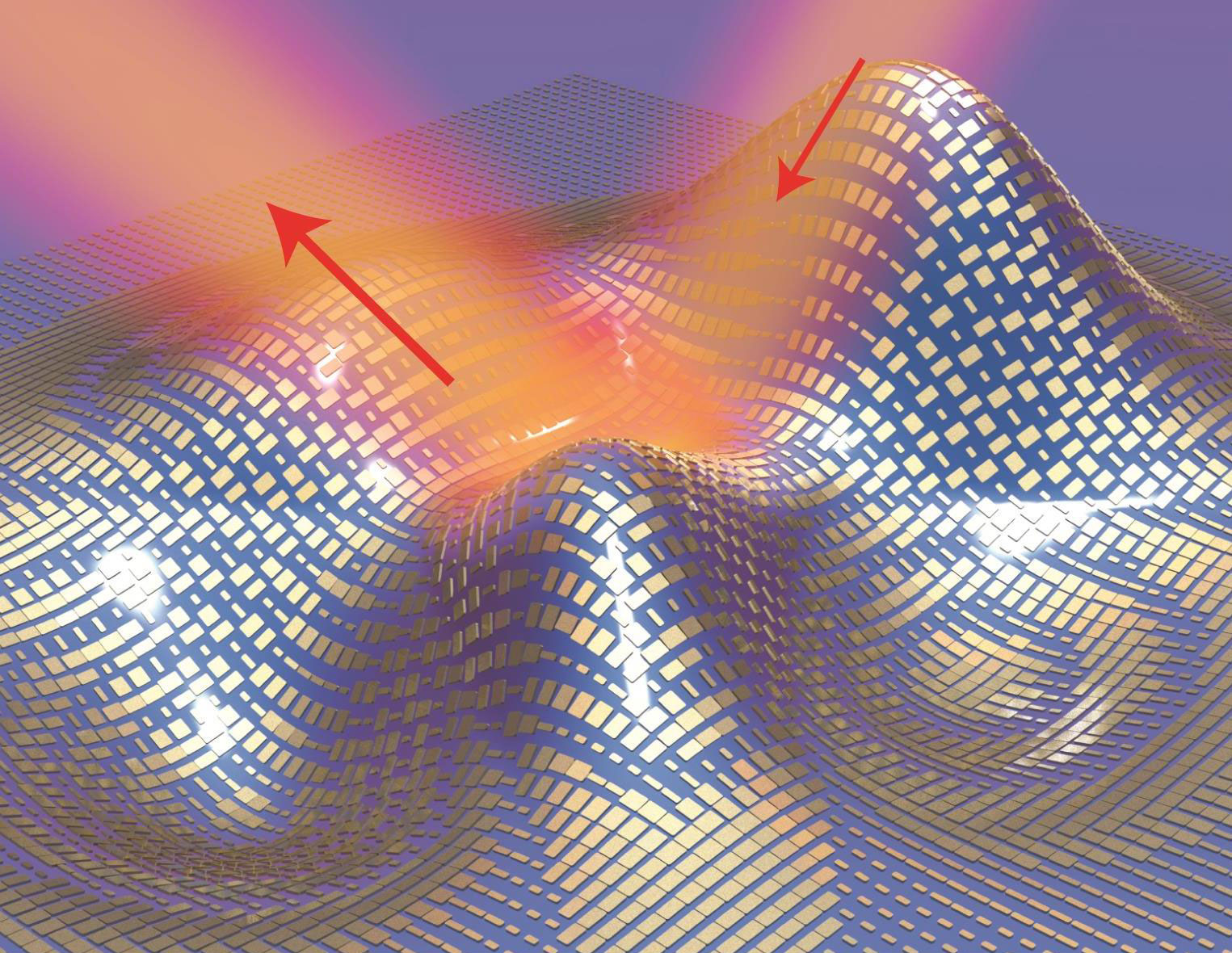
The most promising path toward true optical invisibility lies in the development of metamaterials. These are synthetic composite materials engineered to have properties not found in naturally occurring substances. Specifically, metamaterials are designed with microscopic structures—smaller than the wavelength of the light they are intended to manipulate—that can bend light in unconventional ways.
Negative Refractive Index
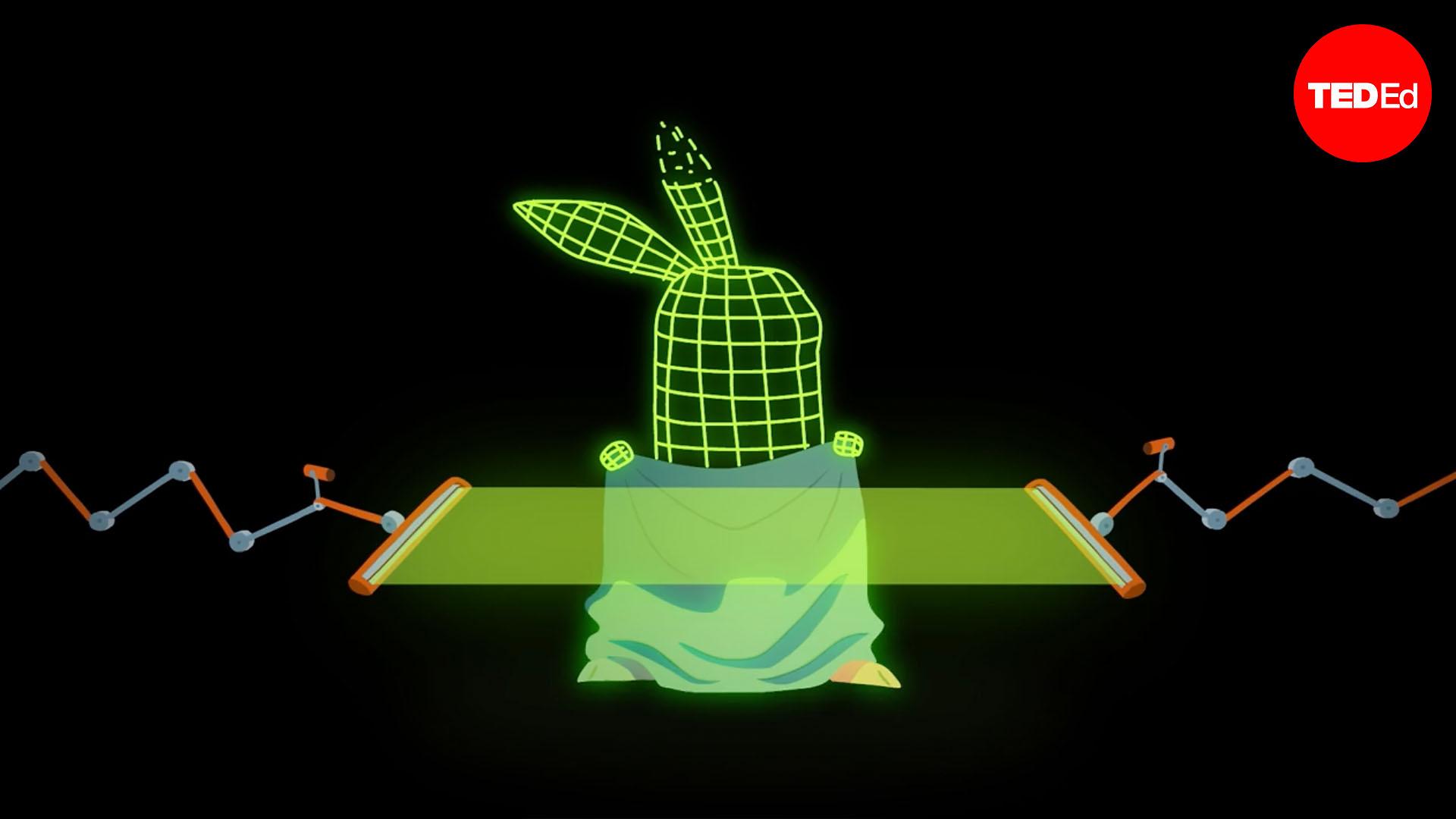
In nature, materials like water or glass have a positive refractive index, meaning they bend light toward a specific angle when it enters the medium. Metamaterials can be engineered to have a negative refractive index. This allows light to be guided around an object and returned to its original path on the other side. To an observer, it appears as though the light traveled through empty space, effectively rendering the object in the center "invisible."
By 2026, researchers have moved beyond the "toy models" of the early 2010s. Early experiments were often limited to two dimensions or worked only for microwave frequencies. Current advancements focus on nanostructured metasurfaces that are thin enough to be applied like a film. While "perfect" 360-degree invisibility for all visible colors remains a laboratory challenge, significant progress has been made in cloaking objects from monochromatic (single-color) light and specific infrared signatures.
Active Camouflage: The "Digital" Invisibility
While metamaterials focus on the passive bending of light, active camouflage (also known as optical camouflage) uses a technological "trick" to achieve invisibility. This method involves a system of sensors and projectors that capture the image of the background behind an object and display it on the object’s front surface.
Retro-Reflective Projection
One of the most established methods is the use of retro-reflective materials. A camera behind the person or vehicle captures the scene in real-time. This image is then processed and projected onto a garment or surface coated with thousands of tiny beads that reflect light directly back to the source. From the perspective of a viewer standing near the projector, the person appears transparent.
Adaptive LED Skin
In 2026, the defense sector has seen the integration of high-resolution, flexible OLED panels onto armored vehicles. These "active skins" use artificial intelligence to analyze the surrounding environment—be it a forest, desert, or urban ruins—and adjust the vehicle's external pattern and luminance to match perfectly. This creates a "predator-like" shimmer that makes the vehicle nearly impossible to detect with the naked eye at distances exceeding 100 meters.
Stealth Technology: Invisibility Beyond the Visible Spectrum
In many professional and military contexts, being invisible to the human eye is less important than being invisible to radar or infrared (thermal) sensors. This is where stealth technology excels.
Radar Cross-Section (RCS) Reduction
Traditional stealth aircraft, such as the B-21 Raider (highly active in 2026 fleets), use geometric shaping to bounce radar waves away from the source rather than back to the receiver. Furthermore, Radar Absorbent Material (RAM) coatings convert the energy of incoming electromagnetic waves into heat, effectively "swallowing" the signal.
Thermal Cloaking
Invisibility is also real in the thermal spectrum. Systems like BAE Systems' ADAPTIV use hexagonal pixels that can rapidly change temperature. By mimicking the thermal signature of the background or even a different object (like a civilian car instead of a tank), a vehicle becomes "invisible" to thermal imaging cameras. This is a crucial form of invisibility in modern night-combat scenarios.
Natural Invisibility: Biological Lessons
Nature has utilized "invisibility" long before human intervention. In many deep-sea environments, creatures have evolved to be almost entirely transparent.
- Transparency: Larval eels and certain species of jellyfish have bodies that allow nearly 100% of light to pass through them. This is achieved by having very thin tissues and a lack of pigments or reflective surfaces (like scales).
- Counter-Illumination: Animals like the hatchetfish have light-producing organs on their undersides. By matching the intensity and color of the sunlight filtering down from above, they eliminate their silhouette, becoming invisible to predators looking up from the depths.
- Cephalopod Mimicry: Octopuses and cuttlefish utilize chromatophores—pigment-filled sacs—and iridophores to change their skin's color and texture in milliseconds. This is a biological version of active camouflage that remains more sophisticated than most human-made equivalents.
Comparison of Invisibility Technologies
| Technology | Primary Mechanism | Current Status (2026) | Primary Use Case |
|---|---|---|---|
| Metamaterials | Bending light (Negative Refraction) | Specialized/Lab-based | Microscopic cloaking, niche optics |
| Active Camouflage | Image projection/OLED skins | Field-testing (Defense) | Vehicle concealment, urban stealth |
| Stealth (Radar) | Geometric deflection/RAM | Fully Operational | Aircraft, naval vessels, drones |
| Thermal Cloaking | Temperature modulation | Operational (Elite units) | Night operations, heat signature masking |
| Optical Lenses | Ray-tracing redirection | Consumer/Educational | Hiding objects in stationary view-ports |
Practical Challenges and Limitations
Despite the reality of these technologies, "perfect" invisibility faces three primary hurdles:
- The Shadow Problem: Even if an object is invisible, it may still cast a shadow if it blocks light from a different angle. Solving this requires the cloak to not just bend light around the object but to perfectly replicate the light's intensity and phase on the other side.
- Angle Dependency: Many current cloaking devices only work when viewed from a specific angle. If the observer moves even a few degrees to the side, the illusion breaks down, often revealing a distorted or "mirage-like" effect.
- Energy and Heat: Active systems require significant power. For a human-sized cloak, the battery weight and the heat generated by thousands of tiny screens or projectors can make the system impractical for long-term use.
Frequently Asked Questions
Is there a real invisibility cloak I can buy?
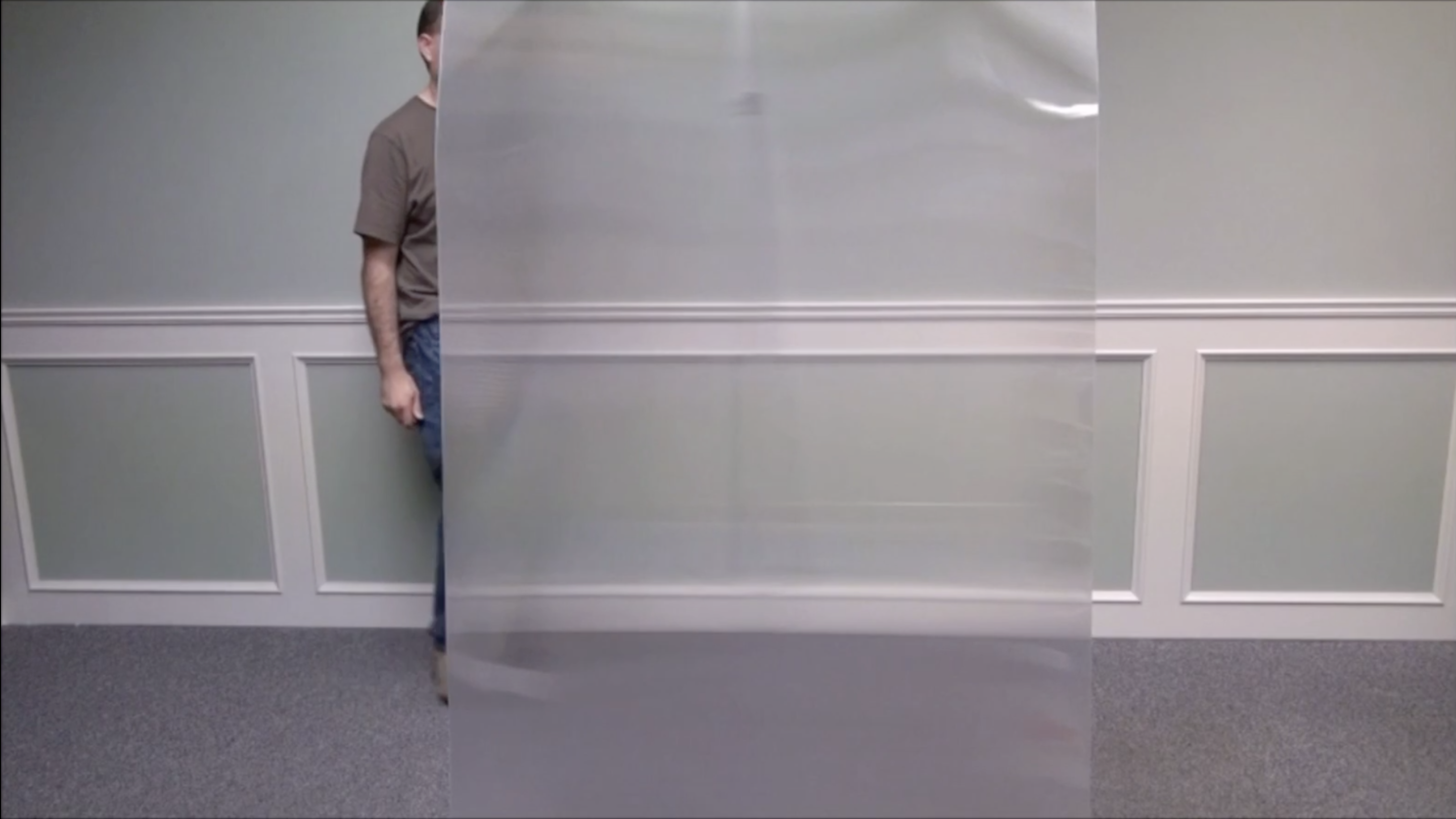
In 2026, you cannot buy a "Harry Potter" style cloak that works in all environments. However, "invisibility shields" using lenticular lenses are available for purchase. These are large, transparent panels that use optical geometry to blur out a person standing directly behind them while keeping the background relatively clear. They are stationary and limited by viewing angle but provide a functional form of optical concealment for hobbyists and privacy seekers.
How do metamaterials make things invisible?
Metamaterials work by having a physical structure that is smaller than the wavelength of light. Because they are so small, they don't reflect light in the traditional sense. Instead, they act as a "traffic controller" for light waves, forcing the waves to travel through a path that avoids the object inside the cloak. It is essentially an engineered detour for electromagnetic radiation.
Can radar-invisible planes be seen by the human eye?
Yes. Traditional stealth technology is designed to hide from radar (radio waves), not visible light. A B-2 Spirit or F-35 is clearly visible to the human eye during the day. True "multi-spectral" invisibility—hiding from radar, infrared, and the human eye simultaneously—is the current "holy grail" of defense research and is only partially achieved by the most advanced experimental prototypes in 2026.
Does water affect invisibility?
Water significantly complicates invisibility. Because water has its own refractive index (about 1.33), any cloaking device designed for air will fail underwater. To achieve invisibility in the ocean, a device must be specifically calibrated to match the optical and acoustic properties of saltwater, which is why "sonar stealth" is a separate and highly specialized field of submarine engineering.
Summary and Next Steps
Invisibility is real in some cases, particularly when defined as the successful evasion of specific detection methods. Whether through the redirection of light waves via metamaterials, the digital mirroring of environments via active camouflage, or the deflection of radar in stealth aircraft, the ability to hide objects in plain sight has moved from fiction to functional reality.
For those interested in exploring this field further:
- Research Optical Engineering: Study the "Rochester Cloak" experiments for a low-cost introduction to how lenses can create "pockets" of invisibility.
- Monitor Defense Contracts: Follow developments from organizations like DARPA or private entities like BAE Systems, which are at the forefront of thermal and active concealment.
- Explore Materials Science: If you are a student or professional, look into the sub-field of nanophotonics, which is the foundational science behind future metamaterial breakthroughs.
Image Gallery