How Infrastructure Shapes Modern Supply Chains
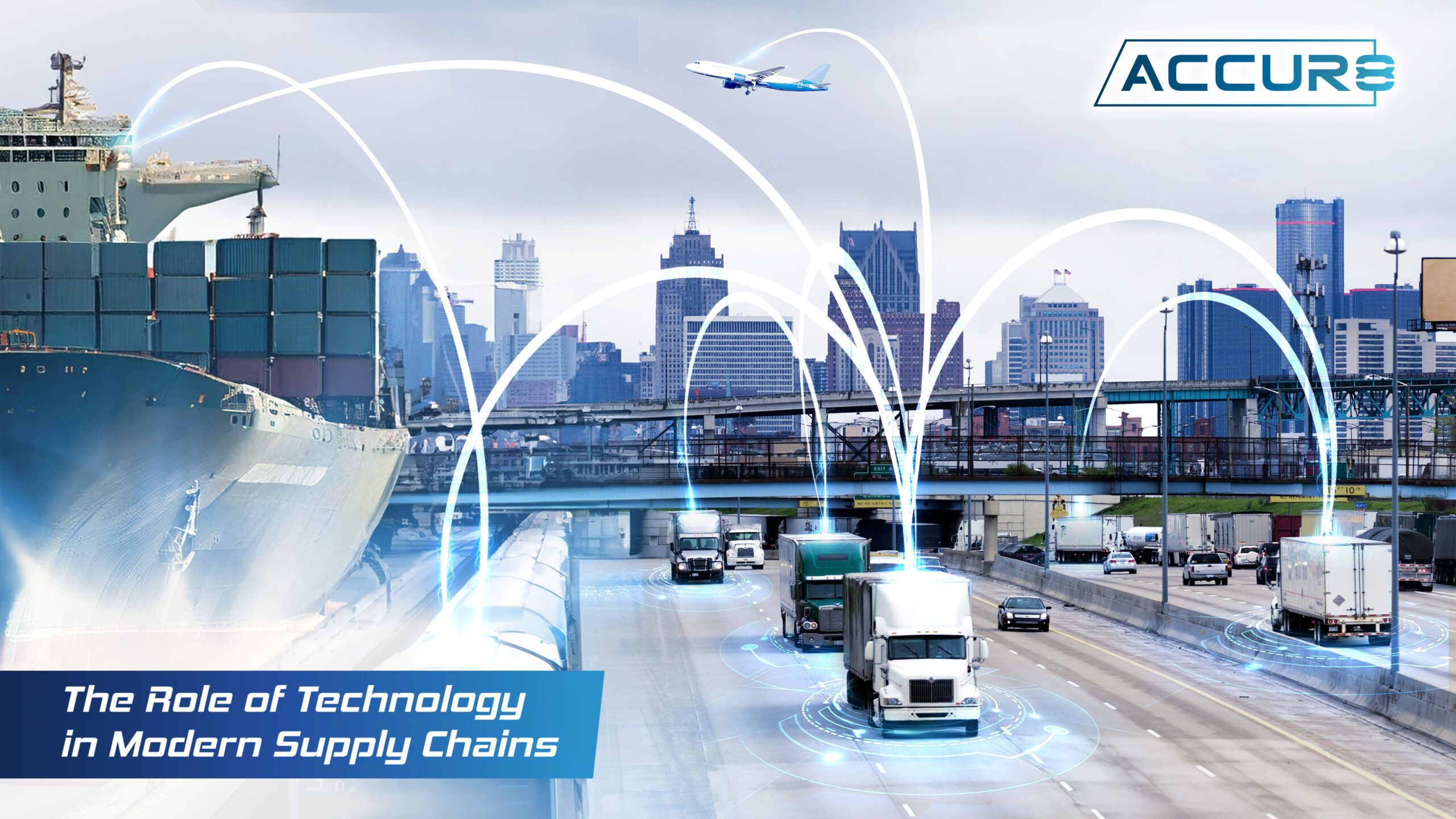
Infrastructure serves as the physical and digital skeletal system of global commerce, determining the speed, cost, and reliability of goods movement. By 2026, the convergence of smart ports, decarbonized energy grids, and high-capacity...
Infrastructure serves as the physical and digital skeletal system of global commerce, determining the speed, cost, and reliability of goods movement. By 2026, the convergence of smart ports, decarbonized energy grids, and high-capacity digital networks has transitioned supply chains from rigid, reactive pipelines into fluid, data-driven ecosystems capable of navigating global volatility.
Contents
The Multi-Dimensional Definition of Modern Infrastructure
In the context of 2026, infrastructure is no longer defined solely by concrete, asphalt, and steel. It is a tripartite framework consisting of physical connectivity, digital architecture, and energy systems. Each layer must function in harmony to prevent bottlenecks that can ripple through global markets.
Physical infrastructure—comprising ports, railways, highways, and bridges—remains the foundation. However, the modern supply chain is equally dependent on "soft" or digital infrastructure, such as 5G-Advanced networks, cloud computing clusters, and blockchain-enabled customs interfaces. Furthermore, as the world moves toward aggressive decarbonization targets, energy infrastructure has become a primary driver of logistics strategy. Without a robust grid capable of supporting fleet electrification and green hydrogen production, physical and digital assets cannot meet modern sustainability mandates.
When infrastructure fails to keep pace with trade volumes, the result is "frictional cost." This includes demurrage fees at ports, increased fuel consumption due to congestion, and the opportunity cost of delayed inventory. Conversely, regions that have invested heavily in multimodal hubs—where rail, road, and sea meet seamlessly—see a direct correlation with GDP growth and manufacturing investment.
Physical Connectivity: Ports, Rail, and the Intermodal Revolution
The efficiency of a supply chain is often limited by its slowest node. Historically, these nodes have been deep-water ports and border crossings. In 2026, the emphasis has shifted from mere expansion to intelligent optimization of physical assets.
Automated Maritime Gateways
Modern ports, such as the Port of Rotterdam or the automated terminals in Shanghai, demonstrate how infrastructure shapes throughput. By utilizing automated guided vehicles (AGVs) and quay cranes powered by remote operators, these ports have reduced vessel turnaround times by approximately 20% compared to traditional manual operations. This infrastructure allows for "mega-ship" handling, which provides economies of scale necessary for keeping consumer prices stable.
Rail and Inland Waterways
Rail infrastructure serves as the crucial link between maritime gateways and inland distribution centers. In the United States, the long-term impacts of the Infrastructure Investment and Jobs Act (IIJA) are now visible in 2026 through modernized rail corridors and bridge reinforcements that support higher weight tolerances. This allows for increased "double-stacking" of containers, effectively doubling the capacity of a single train journey and significantly lowering the carbon footprint per ton-mile compared to long-haul trucking.
The Last-Mile Challenge
Urban infrastructure is currently undergoing a radical transformation to accommodate the "last-mile" delivery explosion. Modern supply chains now rely on micro-fulfillment centers integrated into urban zoning. Cities that have invested in dedicated loading zones and "low-emission zones" have forced supply chains to adapt their physical fleets to smaller, electric vans or cargo bikes, reshaping how inventory is staged near end-consumers.
Digital Infrastructure: The Invisible Backbone of Visibility
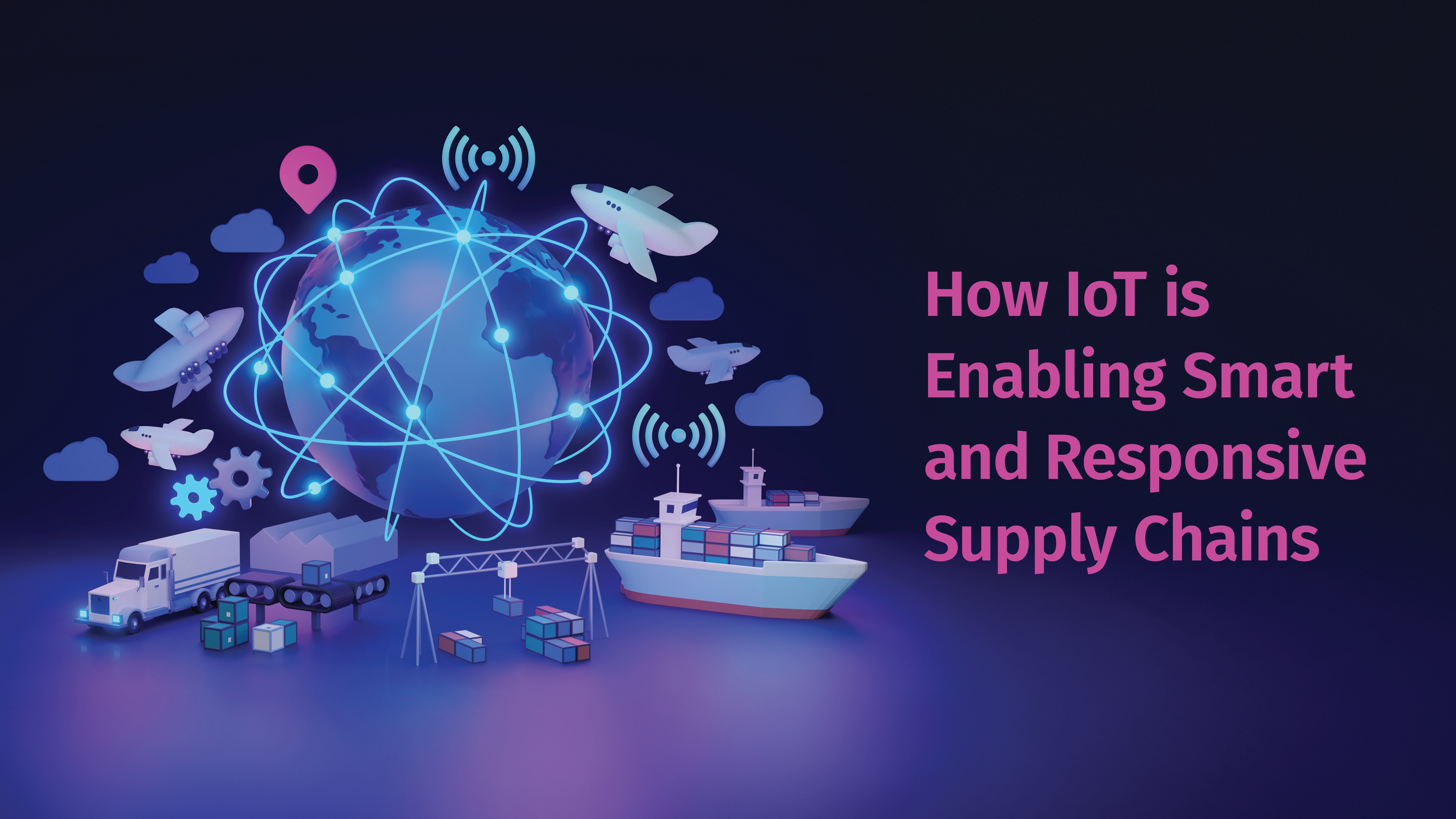
Data is the fuel of the modern supply chain, but it requires a high-speed "pipeline" to be useful. Digital infrastructure—specifically 5G, low-earth orbit (LEO) satellite constellations, and IoT (Internet of Things) sensors—has eliminated the "black holes" in the supply chain where cargo used to disappear from view.
Real-Time Telemetry and IoT
By 2026, the deployment of 5G-Advanced has enabled the massive IoT (mIoT) environment. Infrastructure now includes sensors embedded in pallets, containers, and even the road surfaces themselves. This allows supply chain managers to monitor the "health" of their cargo—temperature, humidity, and vibration—in real-time. If a cold-chain shipment of pharmaceuticals experiences a refrigeration failure, the infrastructure automatically triggers a rerouting or intervention, preventing total loss.
Digital Twins of Physical Assets
Infrastructure now includes the "digital twin"—a virtual replica of the entire supply chain. By 2026, many national governments and large-scale logistics providers have mapped their physical assets into these digital environments. This allows for predictive stress-testing. Before a hurricane hits a coastal region, logistics planners can simulate the impact on road networks and port closures, proactively shifting inventory to safer nodes. This level of resilience is impossible without the underlying server capacity and high-bandwidth connectivity that characterizes modern digital infrastructure.
Energy Infrastructure and the Transition to Green Logistics
The "greening" of the supply chain is an infrastructure problem at its core. As of 2026, many jurisdictions have implemented strict emissions standards that make traditional diesel-reliant logistics prohibitively expensive or legally untenable in certain corridors.
Electrification and Grid Stability
The transition to electric heavy-duty trucks requires a massive overhaul of the electrical grid. Infrastructure now includes megawatt charging systems (MCS) at highway rest stops and logistics hubs. Supply chains are no longer just moving goods; they are managing energy cycles. Companies now choose warehouse locations based not only on proximity to highways but on the availability of high-voltage grid connections and on-site renewable energy generation, such as solar arrays and battery energy storage systems (BESS).
The Hydrogen Corridor
For long-haul shipping and heavy rail, where battery weight is a limiting factor, hydrogen infrastructure is emerging as a critical shaper of supply chains. In 2026, "hydrogen hubs" located near major ports allow for the refueling of fuel-cell vessels and locomotives. This infrastructure dictates the "green corridors" through which carbon-neutral trade flows, effectively creating new trade routes that bypass regions lacking clean energy investments.
Comparison of Infrastructure Types and Their Impact on Supply Chain Performance
The following table outlines how different infrastructure categories directly influence key performance indicators (KPIs) in modern logistics.
| Infrastructure Category | Primary Component | Supply Chain KPI Impact | 2026 Innovation Level |
|---|---|---|---|
| Transport | Automated Ports & Rail | Reduces Dwell Time & Landed Cost | High: Full Automation in Major Hubs |
| Digital | 5G-Advanced & LEO Satellites | Increases Visibility & Reduces Lead Time | Very High: Ubiquitous Coverage |
| Energy | Charging Grids & Hydrogen Hubs | Lowers Scope 3 Emissions | Medium: Expanding Regional Networks |
| Warehousing | Micro-fulfillment Centers | Enhances Last-Mile Speed | High: Urban Integration |
| Regulatory | Unified Customs Platforms | Reduces Border Friction | Medium: Blockchain Maturation |
Economic and Geopolitical Implications of Infrastructure Investment
Infrastructure is a tool of statecraft. The "New Silk Road" and various Western alternatives have created a landscape where supply chains are often shaped by geopolitical alliances expressed through infrastructure financing.
When a nation invests in deep-water ports or cross-border rail, it essentially "anchors" global supply chains to its territory. For businesses, this means that infrastructure quality is now a primary factor in site selection. A manufacturing plant located in a region with aging, congested infrastructure faces a "hidden tax" in the form of delays and higher insurance premiums. In 2026, we see a flight of capital toward regions that offer "resilient infrastructure"—those that have invested in redundant power grids and climate-hardened transport links.
The World Bank’s Logistics Performance Index (LPI) continues to show a widening gap between infrastructure-rich and infrastructure-poor nations. This gap forces modern supply chains to be bifurcated: highly automated and efficient in "Tier 1" corridors, while remaining manual and fragmented in regions where infrastructure investment has lagged.
Frequently Asked Questions
How does aging infrastructure affect supply chain costs?
Aging infrastructure acts as a bottleneck that increases "total landed cost." When bridges have weight limits or roads are congested, carriers must use smaller loads or take longer routes, increasing fuel and labor costs. In 2026, the cost of "friction" from subpar infrastructure is estimated to add 10-15% to the final price of consumer goods in neglected regions.
Can digital infrastructure replace physical infrastructure?
Digital infrastructure cannot move physical goods, but it can "expand" the capacity of existing physical assets. By using AI-driven orchestration to schedule truck arrivals at ports (appointment systems), digital infrastructure allows a port to handle more cargo without physical expansion. It optimizes the use of the concrete and steel already in place.
What is the role of 5G in 2026 supply chains?
5G-Advanced provides the low-latency communication required for autonomous yard tractors and drones. More importantly, it allows for "network slicing," where a logistics company can reserve a dedicated portion of the cellular spectrum to ensure their tracking data is never delayed by consumer traffic, ensuring constant visibility of high-value assets.
Why is energy infrastructure now considered part of the supply chain?
Because modern logistics is rapidly electrifying. A warehouse without sufficient charging infrastructure for a fleet of 50 electric delivery vans is effectively obsolete. As companies aim for "Net Zero" by 2030-2050, the ability to access green energy directly impacts their legal right to operate in many markets, such as the European Union.
How do smart borders impact international trade?
Smart borders utilize digital infrastructure—biometrics, OCR for container codes, and automated manifest verification—to allow goods to cross frontiers without stopping. This "frictionless" trade is only possible when both sides of a border share a compatible digital infrastructure, making it a key factor in regional trade agreement success.
Strategic Recommendation for 2026
To thrive in this infrastructure-dependent landscape, supply chain leaders must move beyond viewing logistics as a procurement task and instead treat it as a geospatial strategy.
- Prioritize Multimodal Flexibility: Do not rely on a single infrastructure type. Design supply chains that can pivot between rail, sea, and air depending on localized infrastructure failures or congestion.
- Invest in Digital Integration: Ensure your internal ERP systems can "talk" to the smart infrastructure at ports and border crossings. Real-time data is only valuable if your systems can process it to make automated decisions.
- Audit Energy Access: When selecting new warehouse or manufacturing sites, prioritize locations with redundant power grids and existing EV charging capacity. The energy infrastructure of a site is now as important as its proximity to the highway.
Infrastructure is the primary differentiator between a supply chain that is a cost center and one that is a competitive advantage. As we move through 2026, those who align their physical movements with the realities of digital and energy infrastructure will lead the global market.
Image Gallery