Understanding the Onboarding Process for New Hires: A Comprehensive Guide
The onboarding process for new hires is a strategic, multi-stage transition that integrates an employee into an organization’s culture, systems, and performance expectations. Unlike simple orientation, it begins the moment an offer is...
The onboarding process for new hires is a strategic, multi-stage transition that integrates an employee into an organization’s culture, systems, and performance expectations. Unlike simple orientation, it begins the moment an offer is accepted and typically continues for 90 days to a year to ensure long-term retention and productivity.
Contents
Effective onboarding is no longer a luxury of high-end corporations; in 2026, it is a foundational requirement for organizational stability. As the global workforce continues to navigate hybrid models and AI-integrated workflows, the "sink or swim" approach has been replaced by structured, data-driven integration. Understanding the onboarding process requires a deep dive into its phases, its psychological impact on the employee, and the technical infrastructure that supports it.
The Strategic Importance of Onboarding
The primary objective of onboarding is to transform a "new hire" into a "functioning team member." This transformation is not instantaneous. According to longstanding research from organizations like the Society for Human Resource Management (SHRM), employees who experience a structured onboarding program are 69% more likely to remain with a company for three years.
In 2026, the cost of turnover remains one of the highest invisible expenses for businesses. Replacing a mid-level manager can cost up to 150% of their annual salary when accounting for recruitment, lost productivity, and training. Onboarding mitigates these risks by addressing three core areas:
- Operational Readiness: Ensuring the employee has the tools, access, and knowledge to perform.
- Social Integration: Building the relationships necessary for collaboration and belonging.
- Strategic Alignment: Helping the employee understand how their specific role contributes to the company’s mission and bottom line.
The Chronological Phases of Onboarding
A robust onboarding process is chronological and cumulative. Each phase serves a specific purpose in the employee’s journey from outsider to insider.
Phase 1: Pre-boarding (The "Ghosting" Prevention Phase)
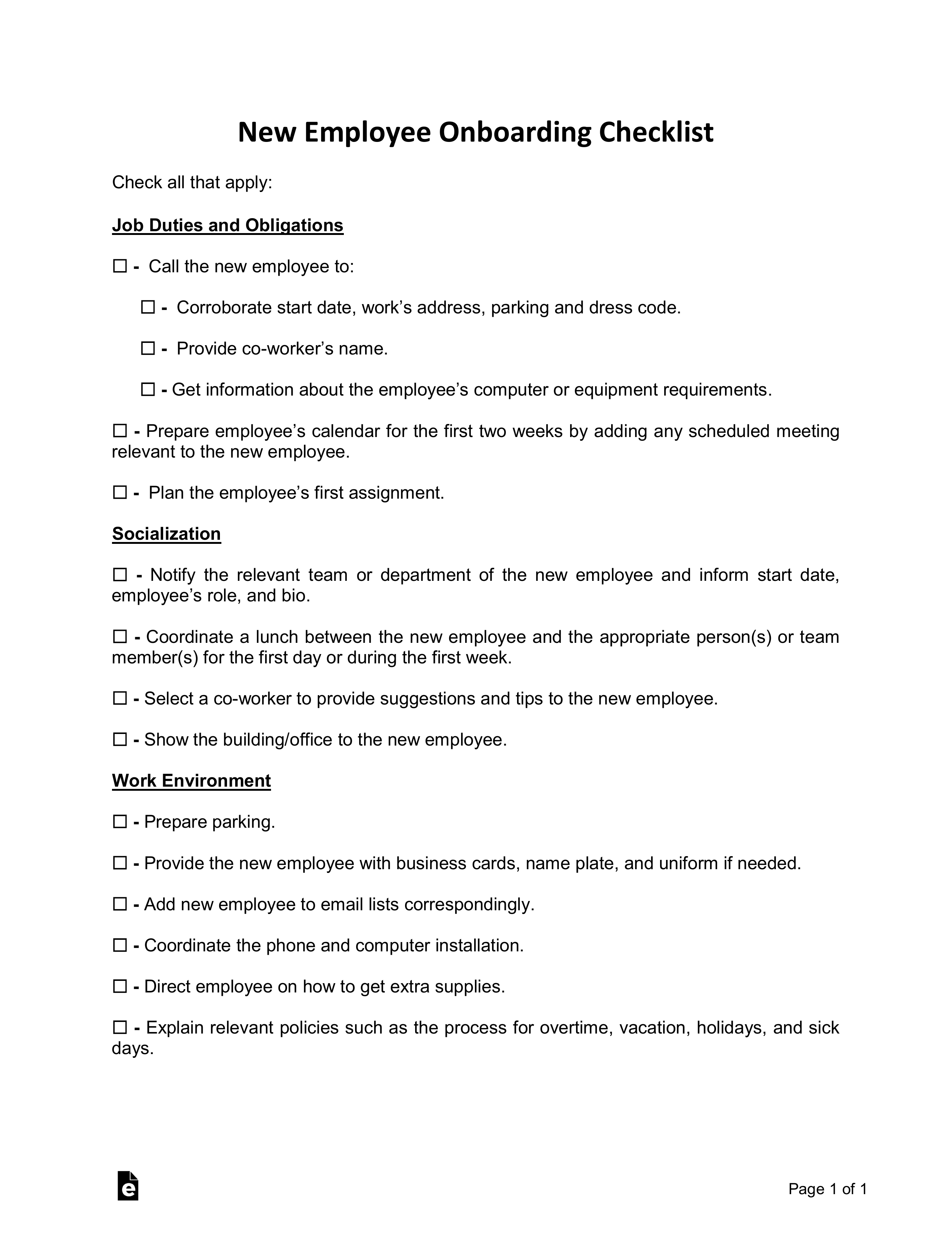
Pre-boarding begins the moment the candidate signs the offer letter and ends on their first day. This is a high-anxiety period for new hires. Organizations use this time to handle administrative hurdles so the first day can be focused on people, not paperwork.
- Documentation: Digital signatures for contracts, non-disclosure agreements (NDAs), and tax forms.
- IT Preparation: Setting up hardware, software licenses, and security credentials.
- The Welcome Experience: Sending a welcome kit or a personalized video from the team to build excitement and reduce "buyer’s remorse."
Phase 2: The First Day (The "Impression" Phase)
The first day sets the tone for the entire tenure. In 2026, the focus has shifted away from dry presentations toward high-touch interaction.
- Logistics: A clear schedule of the day prevents the "new person" feeling of being lost.
- The Buddy System: Assigning a peer mentor who is not the manager provides a safe space for the new hire to ask "silly" questions.
- Value Immersion: Introducing the company’s core values through storytelling rather than a handbook.
Phase 3: The First Week (The "Assimilation" Phase)
By the end of the first week, the employee should understand the "rhythm of business." This includes knowing when meetings happen, how communication flows (Slack, Teams, or AI-integrated platforms), and where to find internal resources.
- Role-Specific Training: Beginning the deep dive into the technical aspects of the job.
- Stakeholder Introductions: Setting up 15-minute "get to know you" calls with key cross-functional partners.
Phase 4: The First 90 Days (The "Integration" Phase)
The 90-day mark is the most critical period for retention. This is where the employee moves from learning to contributing.
- The 30-60-90 Day Plan: A roadmap with clear, achievable goals that evolve from learning (30 days) to collaborating (60 days) to owning projects (90 days).
- Feedback Loops: Regular check-ins to identify roadblocks before they become reasons for quitting.
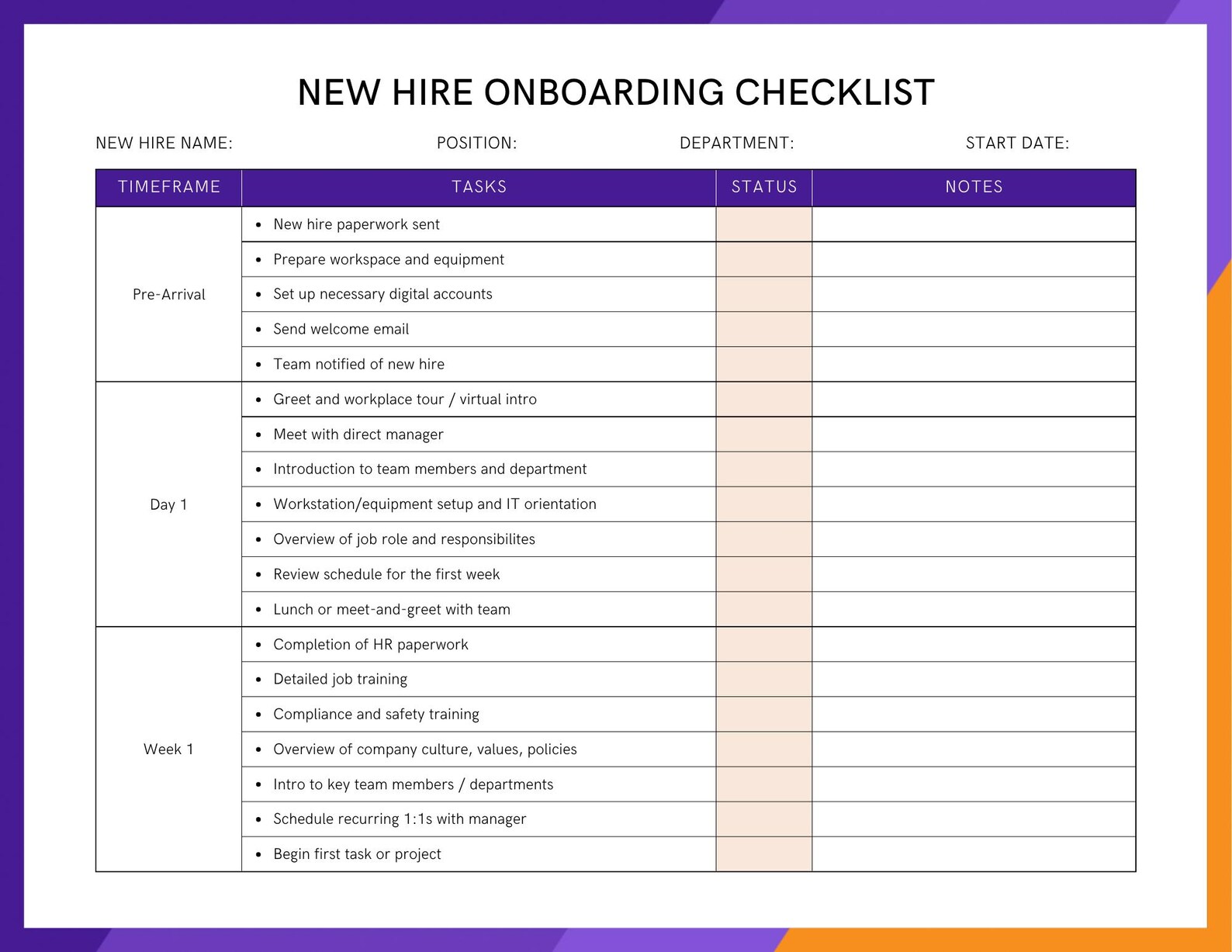
| Stage | Primary Focus | Key Deliverable |
|---|---|---|
| Pre-boarding | Compliance & Logistics | Signed contracts, active credentials |
| First Day | Culture & Welcome | Introduction to team and values |
| First Week | Tools & Processes | Mastery of internal communication |
| First 90 Days | Performance & Impact | Completion of first independent project |
| First Year | Growth & Retention | Full professional development plan |
The Four Pillars of a Successful Onboarding Framework
To understand the mechanics of onboarding, one must look at the "Four Cs" framework, originally popularized by Dr. Talya Bauer at the Northwest Foundation.
1. Compliance
This is the baseline level. It includes teaching employees basic legal and policy-related rules and regulations. While often seen as boring, it is the foundation of employee safety and organizational legality. In 2026, this increasingly includes data privacy training and AI ethics guidelines.
2. Clarification
Clarification ensures that employees understand their new jobs and all related expectations. Ambiguity is the enemy of productivity. A successful process defines what "success" looks like in the role, including the Key Performance Indicators (KPIs) that will be used during reviews.
3. Culture
This is a broad category that includes providing employees with a sense of organizational norms—both formal and informal. It involves understanding the company’s "language," its history, and its unwritten rules of engagement.
4. Connection
Connection refers to the vital interpersonal relationships and information networks that new employees must establish. Without connection, employees feel isolated, which is the leading cause of early-stage turnover in remote work environments.
Modern Trends: Onboarding in 2026
The landscape of work in 2026 has introduced new nuances to the onboarding process. High-performing organizations have adapted to these three specific trends:
AI-Augmented Personalized Learning
Generic training videos have been replaced by AI-driven learning paths. Based on a new hire's previous experience and their specific role, the onboarding platform curates content. If a developer already knows Python, the system skips the basics and moves directly to the company's specific codebase standards.
The "Remote-First" Immersion
With a significant portion of the workforce remaining hybrid or fully remote, onboarding has become more intentional. Digital "office tours" using VR (Virtual Reality) and asynchronous video greetings have become standard to bridge the physical gap. Companies now prioritize "social capital" by scheduling non-work-related coffee chats early in the process.
Focus on Psychological Safety
Modern onboarding prioritizes the mental health of the new hire. This includes clear communication regarding work-life boundaries, mental health benefits, and an "open-door" digital policy. Employees are encouraged to bring their authentic selves to work from day one, which fosters immediate loyalty.
Common Pitfalls to Avoid
Understanding the onboarding process also means recognizing where it frequently fails. Avoiding these mistakes can save an organization thousands in lost talent.
- Information Overload: Dumping three years of company history and fifty software tutorials into the first 48 hours leads to cognitive burnout.
- The "Paperwork" Trap: Using the first day exclusively for administrative tasks. This deflates the excitement of a new job.
- Lack of Manager Involvement: Onboarding is often mistakenly viewed as "an HR thing." In reality, the direct manager is the most influential person in a new hire's success.
- Ending Too Soon: Many companies stop onboarding after the first week. True integration takes months, and stopping early leaves the employee feeling abandoned once the "honeymoon phase" ends.
Frequently Asked Questions
What is the difference between orientation and onboarding?
Orientation is an event—typically a one-day session focused on administrative tasks, benefits, and company policies. Onboarding is a process—a comprehensive, long-term strategy that integrates the employee into the social and professional fabric of the company. While orientation is a component of onboarding, it is only the beginning.
How long should the onboarding process actually last?
While many companies believe a week is sufficient, HR experts and research suggest that onboarding should last at least 90 days. Some high-retention organizations extend the "onboarding" umbrella to a full year, incorporating professional development and long-term goal setting into the final phases of the process.
How can we measure the success of an onboarding program?
Success can be measured through both quantitative and qualitative data. Key metrics include the "Time to Productivity" (how long it takes for a new hire to reach full output), turnover rates within the first six months, and "New Hire Net Promoter Scores" (NPS), which are gathered via surveys at the 30, 60, and 90-day marks.
How do you handle onboarding for remote employees?
Remote onboarding requires higher levels of intentionality. It involves shipping hardware well in advance, providing a "digital map" of where files and people are located, and scheduling frequent, short video check-ins to replace the organic "desk-side" help that happens in a physical office.
What role does the "buddy" play in onboarding?
An onboarding buddy is a peer who helps the new hire navigate the informal culture of the company. They provide guidance on things not found in the handbook, such as how people typically communicate in Slack, who to go to for specific technical issues, and the general social norms of the team.
Final Recommendation
To build a world-class onboarding process in 2026, organizations must view it as a strategic investment rather than a checklist of chores. Begin by auditing your current "Day One" experience: is it focused on paperwork or people? Transition toward a 90-day roadmap that balances technical training with cultural immersion. By prioritizing the human element of the transition and leveraging AI for administrative efficiency, you create an environment where new hires don't just survive their first month—they thrive long-term.
Image Gallery