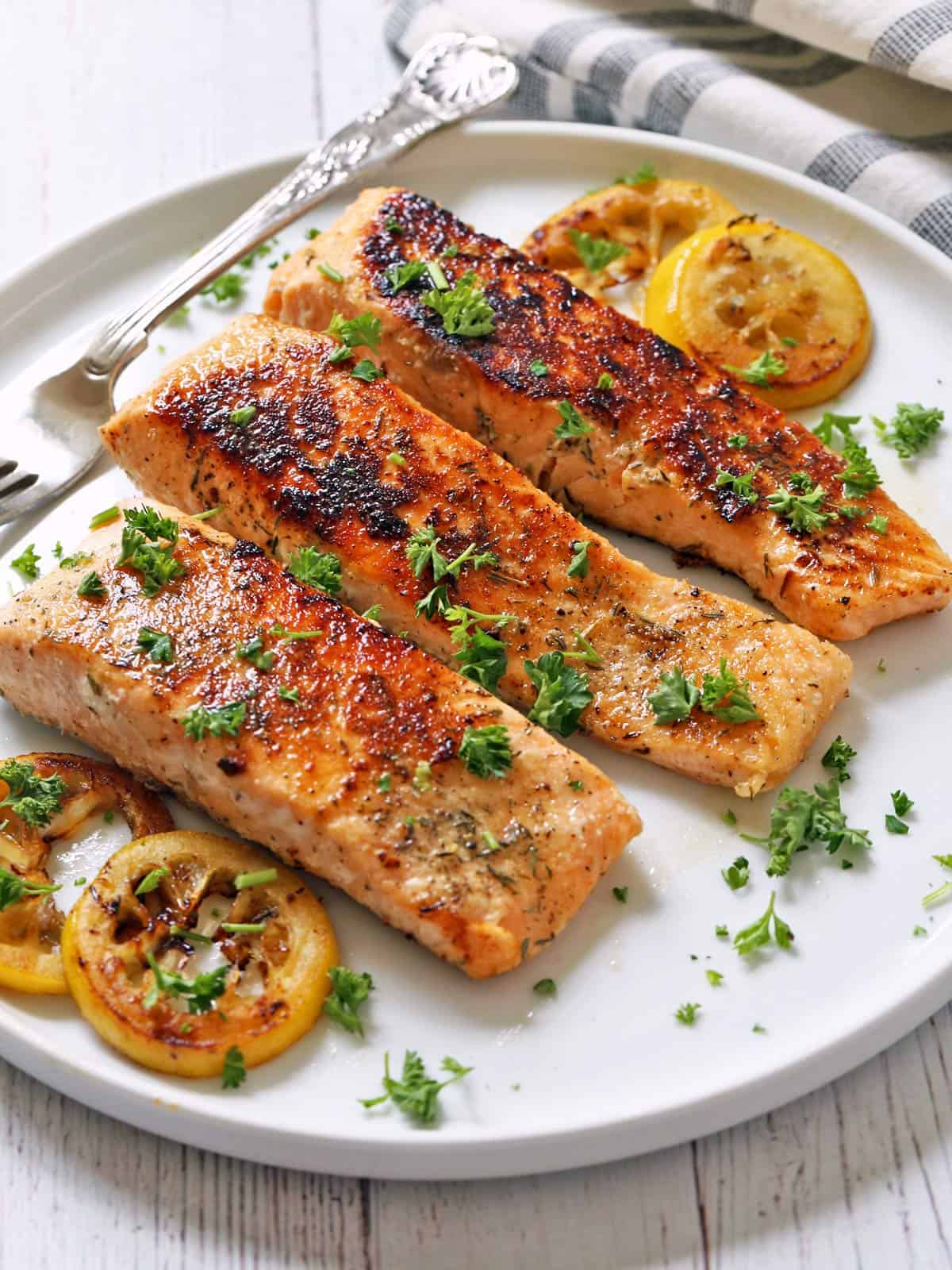
Mastering Pan Cooked Salmon Recipes in the Kitchen: A Complete 2026 Guide
Pan cooking salmon is the most efficient way to achieve restaurant-quality crispy skin and a tender, flaky interior at home. By using high heat, a heavy-bottomed skillet, and precise timing, you can prepare diverse recipes—ranging from...
Pan cooking salmon is the most efficient way to achieve restaurant-quality crispy skin and a tender, flaky interior at home. By using high heat, a heavy-bottomed skillet, and precise timing, you can prepare diverse recipes—ranging from classic lemon-garlic to honey-soy glazes—all within a 15-minute timeframe in any modern kitchen.
Contents
The Foundation of Exceptional Pan Cooked Salmon
Before selecting a specific recipe, understanding the mechanics of the pan-cooking process is essential. Pan-searing relies on the Maillard reaction, a chemical reaction between amino acids and reducing sugars that gives browned food its distinctive flavor. When cooking salmon in the kitchen, the goal is to facilitate this reaction on the exterior while maintaining a moist, buttery texture on the inside.
As of 2026, culinary standards emphasize sustainability and precision. Whether you are using a gas range, an induction cooktop, or an electric stove, the principles of heat distribution remain the same. The "pan" in these recipes typically refers to a heavy-duty skillet—preferably cast iron or stainless steel—which retains heat more effectively than thin aluminum alternatives.
Selecting the Right Cut
The success of your pan-cooked salmon recipe begins at the fish counter. Different varieties of salmon offer different fat contents and textures:
- King (Chinook) Salmon: Known for the highest fat content and a rich, buttery texture. It is the most forgiving during pan-cooking because the fat prevents it from drying out quickly.
- Sockeye (Red) Salmon: A leaner, firmer fish with a deep red color. It requires shorter cooking times and careful monitoring to avoid a chalky texture.
- Atlantic Salmon (Farmed): Most commonly found in grocery stores. It has high fat-marbling and a mild flavor, making it excellent for beginners practicing their searing technique.
- Coho (Silver) Salmon: A middle-ground option with moderate fat content and a subtle flavor profile.
For the best results in a kitchen setting, look for fillets that are uniform in thickness (about 1 to 1.5 inches). This ensures that the entire piece of fish reaches the desired internal temperature simultaneously.
Essential Tools and Preparation Steps
To execute these recipes successfully, your kitchen must be equipped with a few non-negotiable tools. A heavy-bottomed skillet is the most important. Cast iron is favored for its heat retention, while stainless steel (Tri-ply or 5-ply) is preferred by professional chefs for its ability to show the "fond" (the browned bits) and its responsiveness to temperature changes.
The Importance of Surface Moisture
The single most common mistake in pan cooking salmon is attempting to sear a wet fillet. Moisture creates steam, and steam prevents browning. Before any seasoning or oil touches the fish, you must use paper towels to pat the salmon completely dry on all sides.
In 2026, many high-end kitchens utilize specialized "dry-aging" bags for fish, but for the average home cook, a 15-minute rest on a wire rack in the refrigerator after patting dry will yield a significantly crispier skin.
Choosing Your Cooking Fat
Not all fats are created equal for high-heat cooking. You need an oil with a high smoke point to prevent the development of bitter flavors and kitchen smoke.
| Oil Type | Smoke Point | Flavor Profile | Best Use |
|---|---|---|---|
| Avocado Oil | 520°F (270°C) | Neutral | High-heat searing / Professional finish |
| Grapeseed Oil | 420°F (215°C) | Neutral | Everyday pan-searing |
| Clarified Butter (Ghee) | 450°F (232°C) | Nutty/Rich | High-heat searing with butter flavor |
| Extra Virgin Olive Oil | 375°F (190°C) | Robust/Peppery | Low to medium heat / Finishing |
| Butter (Unsalted) | 350°F (175°C) | Creamy | Basting only (at the end) |
Recipe 1: The Classic Crispy Skin Pan-Seared Salmon
This recipe focuses on the "Skin-Side Down" method, which is the gold standard for kitchen-cooked salmon. By keeping the skin in contact with the hot pan for 80% of the cooking time, you create a crispy, edible barrier that protects the delicate flesh.
Ingredients:
- 2 (6-oz) salmon fillets, skin-on
- 1 tbsp avocado oil
- Fine sea salt and freshly cracked black pepper
Instructions:
- Preheat the Pan: Place your skillet over medium-high heat for 3 to 4 minutes. You want the pan to be hot enough that the oil shimmers but does not smoke.
- Seasoning: Season the salmon only right before it hits the pan. Salting too early can draw out moisture, ruining the sear.
- The Initial Sear: Place the salmon skin-side down. Use a flexible fish spatula to press down firmly on each fillet for about 15 seconds. This prevents the skin from curling and ensures even contact with the heat.
- The Wait: Let the salmon cook undisturbed for about 5 to 6 minutes. You will see the color of the flesh change from translucent pink to opaque beige, moving upward from the bottom.
- The Flip: Once the cooked color has reached about three-quarters of the way up the side, flip the salmon. Cook for an additional 1 to 2 minutes on the flesh side for a medium-rare to medium finish (internal temperature of 125°F to 130°F).
Recipe 2: Lemon Butter Garlic Basted Salmon
This recipe utilizes a French technique called arroser (basting). It adds deep flavor and a luxurious mouthfeel without overcooking the fish.
Ingredients:
- 2 salmon fillets
- 2 tbsp unsalted butter
- 3 cloves garlic, smashed
- 2 sprigs fresh thyme or rosemary
- Half a lemon, sliced into rounds
Instructions:
- Follow the searing steps from the Classic Recipe until you flip the fish.
- Once flipped, reduce the heat to medium.
- Add the butter, smashed garlic, and herbs to the "empty" side of the pan.
- As the butter melts and begins to foam, tilt the pan slightly so the butter pools with the aromatics.
- Use a large spoon to continuously pour the hot, flavored butter over the salmon fillets. This "basting" cooks the top of the fish gently and infuses it with the garlic and herb essence.
- Finish with a squeeze of fresh lemon juice directly into the butter before serving.
Recipe 3: Honey Soy Glazed Salmon (The Sweet & Savory Approach)
When cooking with glazes containing sugar (like honey or maple syrup), the primary challenge is preventing the glaze from burning before the fish is cooked.
Ingredients:
- 2 salmon fillets (skinless or skin-on)
- 2 tbsp soy sauce (or liquid aminos)
- 1 tbsp honey
- 1 tsp grated fresh ginger
- 1 tsp toasted sesame oil
Instructions:
- Whisk the soy sauce, honey, ginger, and sesame oil in a small bowl.
- Sear the salmon in a hot pan with a neutral oil for about 4 minutes on the first side.
- Flip the salmon and immediately reduce the heat to medium-low.
- Pour the glaze into the pan. The liquid will bubble and begin to reduce.
- Use a spoon to coat the salmon in the thickening glaze. Cook for another 3 to 4 minutes.
- If the glaze becomes too thick or starts to smell like burnt sugar, add a teaspoon of water to loosen it. The result should be a sticky, mahogany coating.
Troubleshooting Common Kitchen Errors
Even with a perfect recipe, pan-cooking salmon can present challenges. Here is how to resolve the most frequent issues encountered in the kitchen.
The Salmon is Sticking to the Pan
If the salmon won't budge when you try to flip it, do not force it. Usually, this means the proteins haven't finished searing. Once the Maillard reaction is complete, the fish will naturally "release" from the pan. If it’s truly stuck, your pan might not have been hot enough, or your pan's surface wasn't clean.
White Gunk Appearing on the Surface
That white substance is albumin, a protein that gets pushed out of the muscle fibers when the fish is cooked too quickly or at too high a temperature. While perfectly safe to eat, it indicates the salmon is beginning to overcook. To minimize albumin, cook the salmon more gently on the skin side and don't exceed an internal temperature of 140°F.
The Outside is Burnt but the Inside is Raw
This happens when the pan is too hot. The exterior char occurs before the heat can penetrate the center. If this happens, remove the pan from the heat, add a splash of water or white wine, cover it with a lid for 60 seconds, and let the residual steam finish the interior.
Internal Temperature Guidelines for 2026
The USDA officially recommends an internal temperature of 145°F (63°C), but many culinary experts and modern kitchen standards suggest lower temperatures for better texture.
- Rare: 110°F to 115°F (Translucent and cool center)
- Medium-Rare: 120°F to 125°F (The "Chef's Standard" - flaky but very moist)
- Medium: 130°F to 135°F (Firm but still juicy)
- Well-Done: 145°F+ (Opaque throughout, often dry)
Using a digital instant-read thermometer is the only way to guarantee consistency. Insert the probe into the thickest part of the fillet to get an accurate reading.
Frequently Asked Questions
Should I cook salmon with the lid on or off?
Generally, you should cook salmon with the lid off. Cooking with a lid creates a steaming environment which softens the skin and prevents the desired crispiness. The only time to use a lid is if you have a very thick fillet (over 2 inches) and need to trap heat to cook the center without burning the exterior.
Can I pan-cook salmon directly from the freezer?
It is not recommended. For a successful pan-sear, the salmon should be thawed completely. Cooking from frozen results in an uneven texture—the outside will be overcooked and tough by the time the center thaws. For the best results, thaw salmon in the refrigerator overnight.
Do I need to remove the grey fat under the skin?
The greyish-brown layer between the skin and the pink flesh is called the lateral line. It is rich in Omega-3 fatty acids and is entirely edible. Some people find the flavor stronger than the rest of the fish; if you prefer a milder taste, you can gently scrape it away after the fish is cooked, but leaving it intact provides significant nutritional benefits.
Is it better to use a non-stick pan for salmon?
Non-stick pans are excellent for skinless fillets or delicate recipes where you are worried about sticking. However, they cannot withstand the very high heat required for truly crispy skin. For a restaurant-style sear, cast iron or stainless steel is superior.
How do I prevent the "fishy" smell in my kitchen?
The smell often comes from the oil breaking down or old fish. Use fresh salmon, high-smoke-point oils, and ensure your kitchen ventilation is on high. Additionally, cleaning the pan immediately after it cools prevents lingering odors from the residual fat.
Final Recommendation for Home Cooks
To achieve the best results with pan cooked salmon recipes in the kitchen, prioritize consistency over complexity. Start with the Classic Crispy Skin method using a cast-iron skillet and avocado oil. Once you have mastered the timing—specifically the 5-minute skin-side sear—you can begin experimenting with more complex glazes and butter-basting techniques. Always invest in a high-quality instant-read thermometer; it is the single most important tool for preventing dry, overcooked fish.
Image Gallery