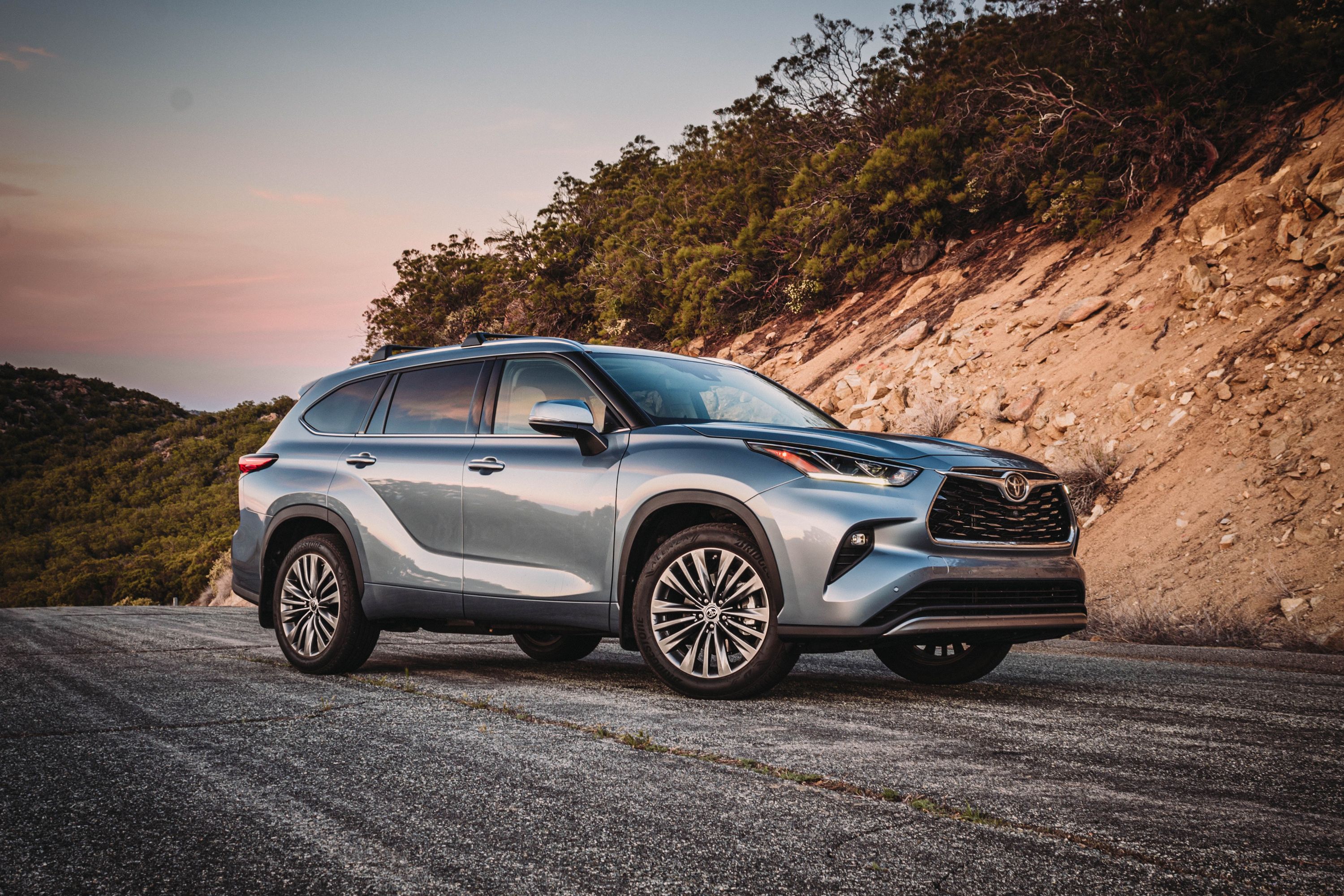
Understanding Toyota Highlander Length and Its Practical Implications
The Toyota Highlander is a midsize three-row crossover SUV, and its exterior length varies by generation and specific trim level, generally ranging from approximately 184 inches for early models to roughly 197.4 inches for the current...
The Toyota Highlander is a midsize three-row crossover SUV, and its exterior length varies by generation and specific trim level, generally ranging from approximately 184 inches for early models to roughly 197.4 inches for the current 2026 production cycle. Understanding these dimensional specifications is essential for garage storage, parking maneuverability, and assessing interior passenger and cargo volume.
Contents
Evolution of Highlander Dimensions Across Generations
The Toyota Highlander, first introduced to the North American market in 2001, has undergone significant design shifts. While many drivers perceive the SUV as a constant presence in the midsize market, its physical footprint has expanded to accommodate consumer demand for more interior space and enhanced safety structures.
Early models, produced between 2001 and 2007 (the XU20 generation), were relatively compact by modern SUV standards, measuring approximately 184.6 inches in length. As the platform matured, Toyota moved toward a more robust architecture. By the third generation (2014–2019), the length had stretched to approximately 191.1 inches. The fourth generation, which includes the current 2026 models built on the TNGA-K platform, standardized the length at 194.9 inches for standard trims, with the Grand Highlander variant extending significantly further to accommodate a larger cabin.
Specifications for the 2026 Model Year
For the 2026 model year, it is critical to distinguish between the standard Highlander and the Grand Highlander, as their physical footprints are substantially different. Choosing the correct variant requires an accurate assessment of where the vehicle will be housed and how it will be used.
The standard 2026 Toyota Highlander maintains a consistent exterior length of 194.9 inches across most trims. This dimension accounts for the front bumper to the rear bumper, including standard factory-installed rear spoilers or trim-specific bumper accents. In contrast, the 2026 Grand Highlander, designed to provide a more spacious third row and increased cargo capacity, measures 201.4 inches in length. This 6.5-inch difference significantly impacts the turning radius and the clearance required for residential garages or urban parking structures.
Impact of Length on Practical Ownership
The primary constraint dictated by vehicle length is storage. Many standard residential garages in North America are designed with a depth of approximately 20 to 22 feet (240 to 264 inches). While both the standard Highlander and the Grand Highlander fit within a typical garage, the available margin for error diminishes with the larger model. If you store workbenches, bicycles, or garden equipment in your garage, the extra 6.5 inches of the Grand Highlander may require reconfiguring your storage layout to ensure the garage door can close safely.
Beyond parking, length affects the vehicle's maneuverability. A longer wheelbase generally provides a smoother ride on highways due to increased stability, but it creates a wider turning circle in tight spaces. For drivers who frequently navigate narrow city streets, multi-level parking garages with tight spirals, or congested suburban shopping centers, the standard Highlander’s 194.9-inch length offers a more nimble experience compared to the larger Grand Highlander.
Comparison Table: 2026 Model Dimensions
The following table highlights the dimensional differences between the current standard Highlander and the Grand Highlander, aiding in your selection process based on physical constraints.
| Feature | 2026 Toyota Highlander | 2026 Toyota Grand Highlander |
|---|---|---|
| Exterior Length | 194.9 inches | 201.4 inches |
| Wheelbase | 112.2 inches | 116.1 inches |
| Turning Circle (Curb-to-Curb) | 37.4 feet | 39.4 feet |
| Parking Suitability | Standard Urban/Suburban | Requires Extended Depth |
Considerations for External Accessories
When evaluating the length of your vehicle, you must also consider post-purchase additions. Owners often install rear-mounted accessories, such as bike racks, cargo carriers, or trailer hitches. These attachments can extend the effective length of the vehicle by 12 to 24 inches or more.
If you plan to use a rear-mounted bicycle rack, ensure that the total length—including the rack—does not exceed the clearance capacity of your garage or the safety limits of your parking space. Many modern parking sensors can be recalibrated or deactivated when using rear-mounted accessories; failure to account for this added length is a common cause of minor low-speed collisions in confined spaces.
Balancing Length, Cargo, and Passengers
The decision between the standard length and the Grand length often centers on the trade-off between exterior footprint and interior utility. While the standard 194.9-inch length provides sufficient room for most families, the third row is often described as tight for adults over extended periods. The Grand Highlander, at 201.4 inches, repurposes that additional length into legroom for the third row and significantly deeper cargo space behind those seats.
If your primary objective is maximizing interior capacity without upgrading to a full-size SUV like the Toyota Sequoia, the additional length of the Grand Highlander is a functional necessity. However, if you rarely use the third row and value ease of parking, the standard Highlander remains the more efficient choice.
Frequently Asked Questions
Does the trim level change the length of the 2026 Highlander? No, for the 2026 model year, the exterior length remains consistent across the trim levels within each model line. Whether you choose a base LE trim or a top-tier Platinum, the bumper-to-bumper measurement remains 194.9 inches for the standard Highlander and 201.4 inches for the Grand Highlander.
Will the extra length of the Grand Highlander affect my insurance premiums? Insurance premiums are generally based on repair costs, safety ratings, and the cost of the vehicle itself rather than length alone. While the Grand Highlander is a more expensive vehicle, the length difference does not typically act as a standalone variable for policy pricing.
Can I shorten the vehicle length by removing bumpers or spoilers? It is not recommended or practical to modify the exterior body panels of a vehicle to change its length. Doing so can compromise the structural integrity of the vehicle, void factory warranties, and interfere with the operation of safety systems, such as rear-impact sensors and rearview cameras.
What is the minimum garage depth required for a 2026 Highlander? A garage depth of at least 210 inches is recommended for a standard Highlander. This allows for the vehicle’s 194.9-inch length plus a safety buffer for the front and rear, ensuring you have enough space to walk around the vehicle and clear the garage door.
How does vehicle length affect towing stability? A longer wheelbase, found in the Grand Highlander, often provides better stability when towing a trailer. The increased distance between the front and rear axles helps reduce "sway" during highway driving, provided the trailer weight is within the manufacturer's specified towing capacity for your specific trim.
Final Recommendation
To determine which Highlander length is appropriate for your needs, first measure your primary parking space, including the total depth from the garage wall to the door. If your space is restricted, the standard 194.9-inch Highlander offers a proven balance of utility and maneuverability. If your lifestyle involves frequent long-distance travel with a full passenger load and significant luggage, the 201.4-inch Grand Highlander is the superior choice, provided your storage facilities can accommodate the additional footprint. Always consult your local dealership to confirm exact dimensions if you are balancing your decision against tight garage clearances or specialized parking lifts.
Image Gallery