Understanding the Valuation and Financial History of Too Faced
Determining the net worth of Too Faced involves examining its evolution from a boutique cosmetics brand to a major asset within The Estée Lauder Companies (ELC) portfolio. As of 2026, Too Faced does not maintain an independent public v...
Determining the net worth of Too Faced involves examining its evolution from a boutique cosmetics brand to a major asset within The Estée Lauder Companies (ELC) portfolio. As of 2026, Too Faced does not maintain an independent public valuation, as its financial results are consolidated into the broader reporting of its parent corporation following a landmark acquisition in 2016.
Contents
The Origins and Growth of Too Faced
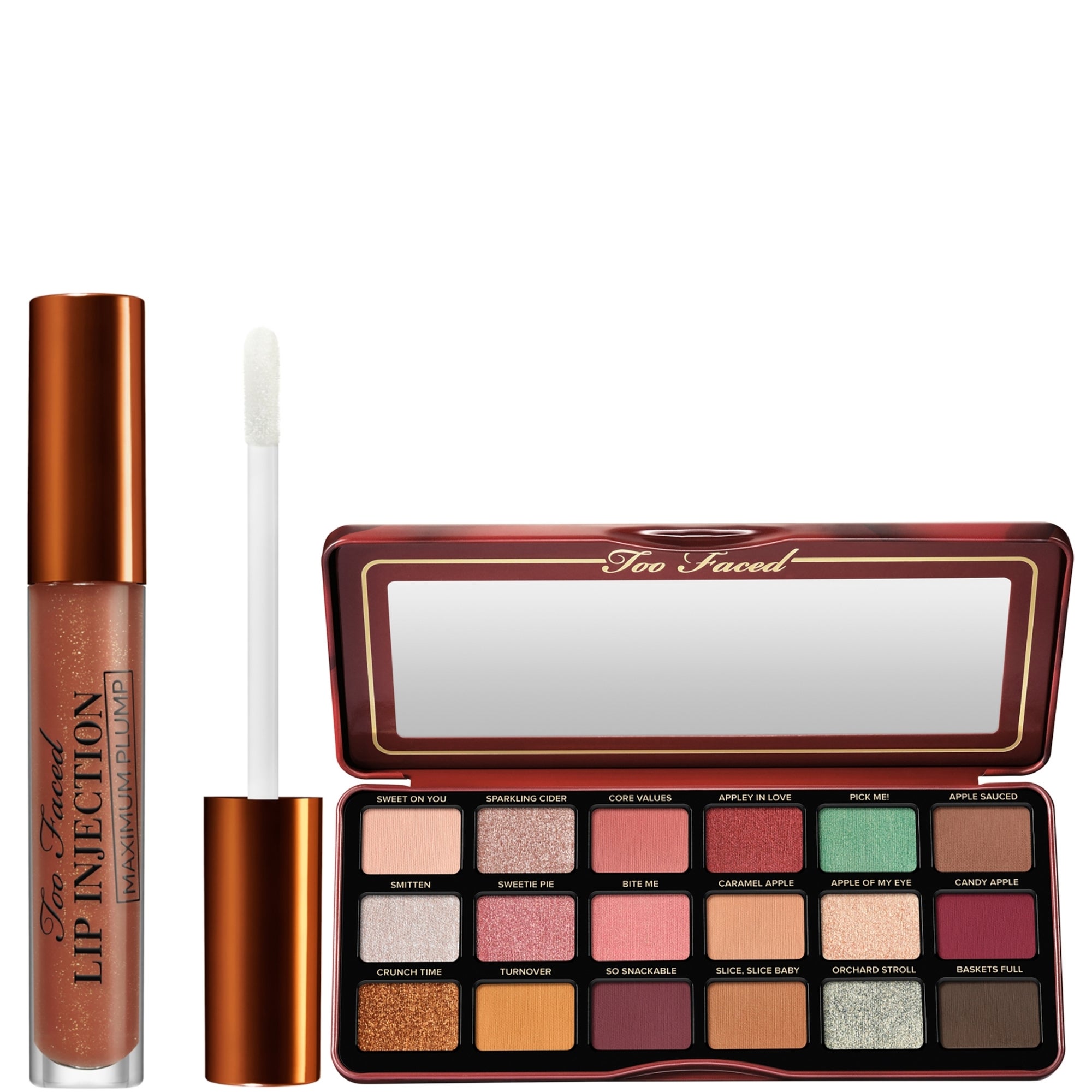
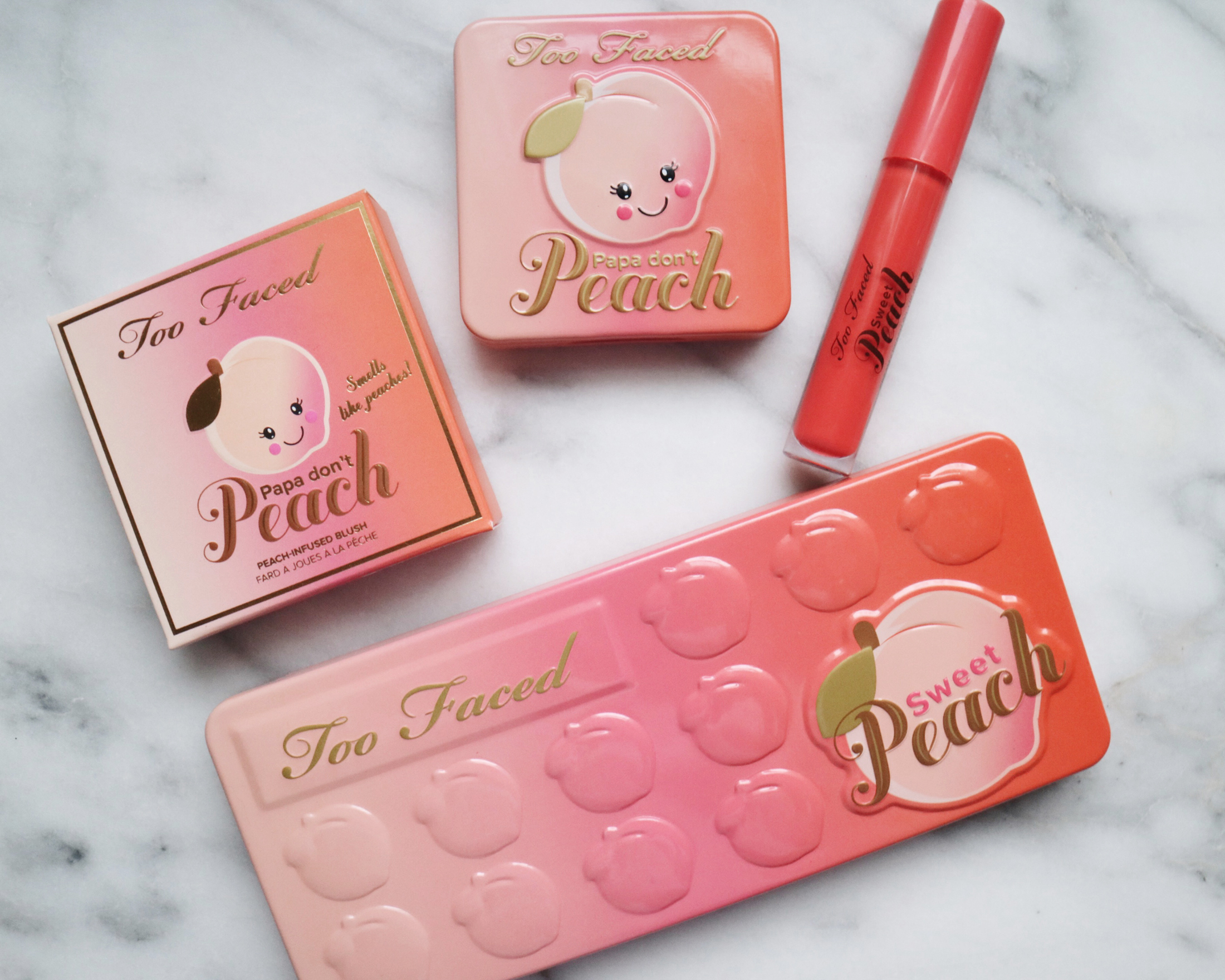
Founded in 1998 by Jerrod Blandino and Jeremy Johnson, Too Faced emerged during a time when the beauty industry was dominated by somber, minimalist aesthetics. The founders sought to inject humor, creativity, and unapologetic femininity into the market. By prioritizing high-pigment formulations and iconic, whimsical packaging—exemplified by products like the "Chocolate Bar" eyeshadow palette—the brand captured a significant share of the prestige makeup market.
This unique positioning allowed the company to scale rapidly. Unlike many indie brands of the era, Too Faced focused on cult-favorite staples that fostered high customer loyalty. Throughout the early 2010s, the brand became a case study in social media marketing, leveraging early beauty influencers to drive demand. By the time it reached the mid-2010s, the company had become a prime target for strategic acquisition by global beauty conglomerates looking to bolster their presence among younger demographics.
The 2016 Acquisition: A Financial Milestone
The defining moment for the financial valuation of Too Faced occurred in November 2016, when The Estée Lauder Companies announced it would acquire the brand for approximately $1.45 billion. This transaction was one of the largest in the history of the prestige beauty industry at that time.
At the point of sale, the price tag represented a significant valuation of the brand's growth potential. ELC’s interest was driven by the brand's double-digit annual growth rates and its massive digital footprint. For investors, this acquisition served as a benchmark for the "net worth" of independent beauty labels that successfully bridge the gap between boutique creative branding and mass-market retail scalability.
Valuation Dynamics Within a Parent Organization
In the current financial landscape of 2026, it is technically inaccurate to discuss a standalone "net worth" for Too Faced in the sense of a public market capitalization. Since the 2016 acquisition, the brand’s assets, revenue, and liabilities are integrated into the financial statements of The Estée Lauder Companies.
When analyzing the brand’s financial health today, analysts look at its performance within the ELC "Makeup" category. Factors that influence its contribution to the parent company’s value include:
- Market Penetration: The brand’s ability to maintain its shelf space in major retailers like Sephora and Ulta Beauty.
- Product Innovation Cycles: The cost-to-profit ratio of launching new, trendy collections versus sustaining heritage products.
- Operating Efficiency: How well the brand leverages the global supply chain and distribution network of ELC compared to its previous independent operations.
Comparative Valuation Factors in the Prestige Beauty Sector
The prestige beauty industry often assigns value based on revenue multiples rather than traditional asset-based accounting. Brands that demonstrate strong "stickiness"—where customers repeatedly purchase core items—are valued higher during acquisition periods.
| Feature | Pre-Acquisition (2016) | Post-Acquisition (Current) |
|---|---|---|
| Primary Valuation Metric | Market share & Growth potential | EBITDA contribution to ELC |
| Ownership | Private (Founder-led) | Corporate (The Estée Lauder Companies) |
| Growth Strategy | Agile, trend-driven, influencer-led | Omnichannel distribution & global scaling |
| Reported Finances | Private disclosure | Consolidated within parent reporting |
Why Independent Valuations Are Complex
For consumers and business observers, the lack of a specific "net worth" figure for Too Faced can be confusing. However, this is standard procedure for brands owned by publicly traded entities. When a brand is acquired, its "worth" is converted into the stock value of the acquiring company. Consequently, the success of Too Faced now directly influences the ELC share price, rather than standing as an independent financial entity.
Furthermore, the "worth" of a brand like Too Faced is not merely physical assets such as inventory or manufacturing equipment. It is heavily comprised of intangible assets, including:
- Brand Equity: The recognition and emotional connection consumers have with the Too Faced name.
- Intellectual Property: Proprietary formulas, design patents, and trademarked product names.
- Data Capital: The proprietary knowledge of customer preferences and digital marketing efficacy gained over decades.
Challenges to Brand Valuation
Even as part of a giant conglomerate, Too Faced faces ongoing challenges that impact its total contribution to corporate value. The beauty market is increasingly saturated with celebrity-led lines and "clean beauty" startups, which can fragment the customer base. Maintaining the brand's original "fun and fearless" identity while operating under the more conservative, institutional structure of a large corporation requires a delicate balance. If a brand loses its identity, its market value diminishes, regardless of its parent company’s size.
Frequently Asked Questions
Is Too Faced a publicly traded company? No. Too Faced is a subsidiary of The Estée Lauder Companies, which is publicly traded on the New York Stock Exchange under the ticker symbol EL. You cannot purchase shares of Too Faced independently.
What was the value of the Too Faced acquisition? The Estée Lauder Companies acquired Too Faced in 2016 for approximately $1.45 billion. This amount was paid primarily to acquire the brand's equity and growth trajectory in the prestige makeup sector.
How does Too Faced impact Estée Lauder's stock price? As a portfolio brand, Too Faced contributes to the overall revenue and profit growth of The Estée Lauder Companies. Its performance—measured by sales volume and margin efficiency—is one of many factors that influence investor sentiment and, by extension, the parent company's stock valuation.
Does Too Faced still operate as an independent entity? While Too Faced maintains its own creative identity, marketing, and product development teams, it operates as part of the broader ELC infrastructure. This means it benefits from centralized distribution, global supply chain management, and corporate financial oversight.
Why is it difficult to find the current net worth of the brand? Public companies like ELC report consolidated financial results for the entire organization rather than providing granular, per-brand valuations. The "net worth" of an individual brand becomes obscured within the total assets and revenue reports of the parent corporation.
Professional Financial Disclaimer
The information provided regarding the financial structure and history of Too Faced is for educational purposes only. It does not constitute financial, investment, or legal advice. Investors interested in the financial performance of beauty brands should review the official SEC filings (10-K and 10-Q forms) of The Estée Lauder Companies for verified, comprehensive financial data.
Next Steps for Research
If you are analyzing the company for investment or business research purposes, the most reliable next step is to examine the "Makeup" segment of the most recent annual report published by The Estée Lauder Companies. These documents provide the clearest view of how the brand contributes to the parent company’s growth targets, margins, and regional performance. Avoid relying on third-party "net worth" calculators, as they often rely on speculative formulas that do not account for the complexities of corporate consolidations and intangible brand assets.
Image Gallery