Shopping’s Best Practices: A Strategic Overview for Digital Retailers
Optimizing your product data and consumer touchpoints through structured shopping campaigns requires a systematic approach to feed quality, automated bidding, and audience segmentation. By aligning product information with search engin...
Optimizing your product data and consumer touchpoints through structured shopping campaigns requires a systematic approach to feed quality, automated bidding, and audience segmentation. By aligning product information with search engine algorithms and maintaining high inventory accuracy, retailers can maximize return on ad spend (ROAS) while delivering relevant results to high-intent shoppers across global search platforms.
Contents
The Foundation of Shopping Feed Management
The backbone of any successful shopping strategy is the data feed. In the context of modern digital commerce, your feed is the bridge between your warehouse management system and the consumer interface. If the data within this feed is incomplete, inaccurate, or improperly categorized, the search algorithms cannot effectively match your products with relevant user queries.
Structuring Product Data for Maximum Visibility
To achieve optimal performance, retailers must move beyond the basic requirements. While platforms like Google Merchant Center or Bing Merchant Center enforce specific mandatory attributes—such as id, title, description, link, image_link, and price—the competitive edge lies in the optional, yet critical, attributes.
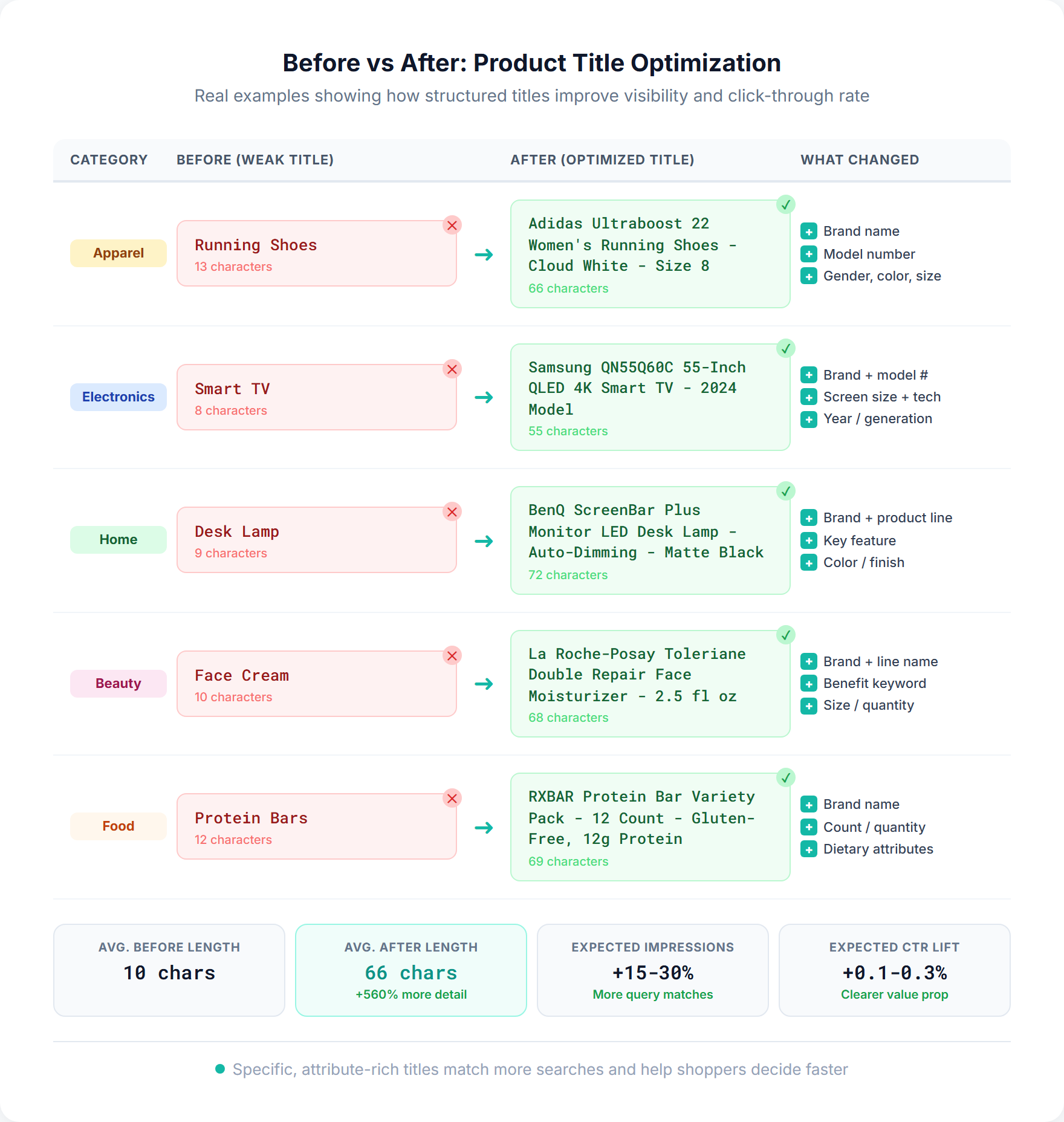
- Title Optimization: Use descriptive titles that include the brand, product name, and primary identifying features (e.g., color, size, material). Place the most important keywords at the beginning of the string to ensure they are not truncated on mobile interfaces.
- Category Taxonomy: Adhering to the platform's specific product taxonomy ensures your items appear in the correct filtered searches. Inaccurate mapping is a leading cause of low impression share.
- High-Quality Imagery: Visual consistency is non-negotiable. Images must be high-resolution, free of promotional overlays, and accurately represent the item being sold to reduce return rates and increase click-through rates (CTR).
Strategic Bidding and Campaign Architecture
Once your data feed is robust, the next phase involves campaign architecture. Strategic oversight requires a balance between manual control and automated machine learning. In 2026, most high-performing retailers utilize a hybrid model: using automated bidding strategies for scale while maintaining segmented control over high-value inventory.
Implementing Smart Bidding
Modern advertising platforms rely on conversion tracking data to power automated bidding. Strategies such as Target ROAS (Return on Ad Spend) or Target CPA (Cost Per Acquisition) require a significant volume of conversion data to function correctly. Without historical data, machine learning models struggle to find the right audience, often resulting in erratic spending or wasted budget.
Campaign Segmentation Techniques
Segmenting campaigns by product performance is a foundational best practice. By grouping products into tiers—such as "Top Sellers," "High Margin," and "Low Performers"—retailers can allocate budget more effectively.
- High-Priority Campaigns: Dedicate higher bids to products with high conversion rates and strong margins.
- Catch-All Campaigns: Use lower bids for the remainder of the inventory to ensure broad coverage without compromising efficiency.
Comparison of Strategic Shopping Approaches
The following table highlights the differences between common management strategies used to maintain competitive standing in search results.
| Strategy Component | Standard Manual Bidding | Automated/Smart Bidding | Hybrid Approach |
|---|---|---|---|
| Control Level | High | Low | Balanced |
| Data Requirement | Low | Very High | Moderate |
| Management Time | Intensive | Low | Moderate |
| Best For | New/Niche Stores | Established Brands | Scaling Retailers |
Ensuring Inventory Accuracy and Compliance
Operational failures in the digital storefront are a primary driver of poor user experience and wasted advertising spend. If a user clicks an ad for an item that is out of stock, the platform experiences a "friction event," which negatively impacts your quality score and can lead to account-level suspensions.
Automating Inventory Updates
Real-time integration between your Point of Sale (POS) system and the advertising platform is essential. Using an API connection rather than manual file uploads ensures that pricing changes, stock level updates, and promotional availability are reflected within minutes rather than days.
Compliance and Policy Adherence
Retailers must strictly follow platform policies regarding prohibited content and data accuracy. Frequent discrepancies between the landing page price and the feed price are common grounds for account suspension. Periodic audits of your landing pages to ensure that structured data markup (Schema.org) aligns with your feed data are vital for sustained visibility.
Common Challenges and Troubleshooting
Even with a well-constructed feed, issues often arise. The most frequent points of failure occur at the intersection of technical configuration and market competition.
Managing Low Impression Share
If your products are not appearing despite having a sufficient budget, the issue is often tied to "Ad Rank." Ad Rank is calculated based on bid amount, expected CTR, and landing page experience. If your impression share is low, focus on increasing the relevance of your titles and descriptions to improve the anticipated CTR, or optimize the landing page load time to improve the user experience score.
High Cost, Low Conversion
When traffic is high but conversions are low, the problem usually lies in the landing page or pricing strategy. Conduct an A/B test on the product page layout. Ensure that the price reflected in the ad matches the price at the cart, as "price shock" is a significant contributor to cart abandonment.
Frequently Asked Questions
1. How often should I update my shopping feed? You should aim for at least daily updates. If your inventory fluctuates rapidly, use an API-based connection to sync in near real-time. This prevents ads from running for out-of-stock items.
2. Is it better to bid on individual products or categories? Start with category-level bidding to gather initial performance data, then shift to individual product-level bidding for your highest-margin items to gain granular control over performance metrics.
3. Why is my Google Merchant Center account suspended? Suspensions are usually triggered by policy violations such as inaccurate contact information, mismatched pricing between the feed and the website, or missing checkout security. Review the "Issues" tab in your dashboard for specific error codes.
4. How does product photography impact shopping performance? Higher-quality imagery is heavily weighted by algorithms. Images that are clear, well-lit, and conform to the platform's white-background requirements generally receive significantly higher engagement than cluttered, low-resolution photos.
5. What is the role of Negative Keywords in shopping? Unlike traditional search campaigns, you cannot target specific keywords in standard shopping ads. You must use negative keywords to prevent your products from appearing for irrelevant search queries, thereby saving budget and improving ROI.
Next Steps for Retail Optimization
To improve your current performance, perform a comprehensive audit of your product feed this week. Start by cross-referencing your top 20 products with their current landing page data to ensure total price and availability synchronization. Once confirmed, shift your budget toward the "High Margin" segment identified in your previous month's report to prioritize profitability.
Image Gallery