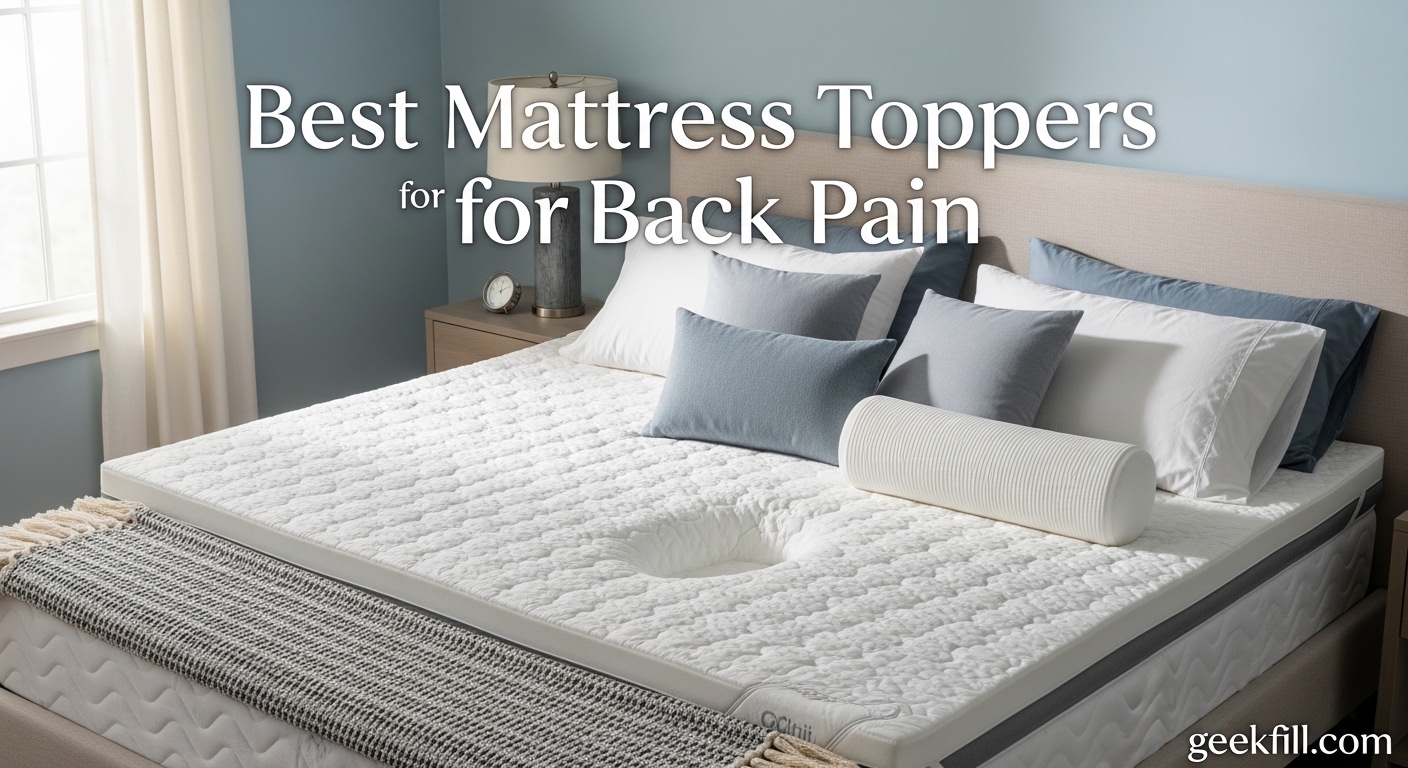
A Comprehensive Guide to Selecting the Right Mattress Topper for Back Pain
A mattress topper can effectively alleviate back pain by providing an additional layer of targeted pressure relief and postural support, potentially bridging the gap between a worn-out mattress and the need for a full replacement. Choo...
A mattress topper can effectively alleviate back pain by providing an additional layer of targeted pressure relief and postural support, potentially bridging the gap between a worn-out mattress and the need for a full replacement. Choosing the right material—whether memory foam, latex, or specialized polyfoam—depends on your specific sleep position, body weight, and the underlying cause of your discomfort.
Contents
The Role of a Mattress Topper in Spinal Alignment
The primary objective of a mattress topper regarding back health is the maintenance of a neutral spine. When you lie down, your spine should maintain its natural "S" curve. If a mattress is too firm, it may create pressure points at the shoulders and hips, causing the spine to curve unnaturally. Conversely, if a mattress is too soft, the hips may sink, leading to lumbar strain.
A mattress topper acts as a corrective interface. By adding a layer of material that contours to your body, a topper can fill in gaps that your current mattress leaves unsupported. For side sleepers, this means cradling the shoulders and hips to prevent spinal twisting. For back sleepers, it means ensuring the lower back remains supported while allowing the heavier parts of the body to sink just enough to maintain alignment.
Identifying Your Back Pain Trigger
Before purchasing a topper, it is essential to distinguish between symptoms caused by a lack of support and those caused by excessive pressure.
- Pressure-Related Pain: Often characterized by soreness in the shoulders or hips, this typically indicates that the mattress is too firm. A plush, contouring topper like memory foam can redistribute your body weight, alleviating these high-pressure zones.
- Support-Related Pain: If you experience lower back pain or a "sinking" sensation in the middle of the bed, your mattress is likely too soft or sagging. In this case, a soft topper will only exacerbate the issue. You require a high-density, firmer topper that provides a resilient surface to prevent spinal misalignment.
Material Comparison for Back Support
The material composition of your topper dictates how it responds to body heat, movement, and weight. Understanding these differences is critical for long-term comfort.
| Material Type | Primary Benefit | Best For | Potential Drawback |
|---|---|---|---|
| Memory Foam | Superior pressure relief and contouring. | Side sleepers with hip/shoulder pain. | Can retain heat; limited "push-back" support. |
| Latex | High responsiveness and natural buoyancy. | Back/stomach sleepers needing alignment. | Often heavier and more expensive. |
| Polyfoam | Versatile firmness options; cost-effective. | Budget-conscious buyers. | Tends to degrade faster than other materials. |
| Wool/Cotton | Added plushness without significant support. | Adding comfort to an already supportive bed. | Does not correct structural sagging. |
Memory Foam
Memory foam is a viscoelastic material, meaning it softens in response to body heat. For individuals with chronic back pain, its ability to mold to the spine is its greatest strength. It excels at distributing pressure evenly, which can reduce the inflammation of soft tissue around the spine. However, avoid "low-density" memory foam, as it lacks the structural integrity to provide the necessary support for heavier individuals, often leading to a "quicksand" feeling that can strain the back muscles.
Latex
Latex is derived from rubber tree sap (natural) or synthesized (synthetic). It is significantly more responsive than memory foam. If you feel "stuck" in your bed when trying to roll over, a latex topper provides the necessary buoyancy to change positions without straining your core or back muscles. Its naturally firmer profile makes it ideal for back sleepers who need to keep their hips elevated.
Guidelines for Installation and Maintenance
Once you have selected a topper, correct placement is essential for safety and efficacy. Always clear your mattress of dust and debris before laying the topper down. Ensure the topper matches the dimensions of your mattress precisely; a topper that hangs over the edge can cause uneven surface tension, which may worsen back strain.
Most modern toppers in 2026 come with straps or non-slip backing. Utilize these features to prevent the topper from shifting during the night. A shifting surface requires your muscles to subconsciously stabilize your body, which can lead to morning stiffness or muscle spasms.
Maintenance involves regular rotation. Every three months, rotate the topper 180 degrees to prevent indentations from forming in high-pressure areas. If your topper is removable, clean the cover according to the manufacturer’s instructions, but never submerge memory foam or latex cores in water, as this can degrade the material’s structural integrity and lead to mold growth.
Common Mistakes to Avoid
- Covering up a sagging mattress: If your base mattress has deep structural indentations (visible sagging), a topper will not fix it. The topper will simply conform to the sag, and the underlying lack of support will persist.
- Overestimating firmness needs: Some buyers purchase the firmest option available, believing it is "better for the back." However, if a surface is too hard, it creates new pressure points that can be just as damaging as a soft, sagging bed. Aim for the "Goldilocks" zone—supportive enough to hold your hips up, soft enough to cradle your shoulders.
- Ignoring heat retention: Excessive heat can lead to restless sleep and frequent tossing and turning. Constant movement throughout the night prevents your back muscles from fully relaxing, which can hinder recovery from existing pain. If you sleep hot, look for ventilated foam or open-cell structures.
Medical Disclaimer
While a mattress topper can assist in managing comfort, it is not a medical device. If your back pain is acute, follows a recent injury, or is accompanied by numbness, tingling, or radiating pain down the legs, consult a medical professional or physical therapist. These symptoms may indicate underlying conditions such as herniated discs or nerve impingement that require clinical intervention rather than a bedding adjustment.
Frequently Asked Questions
How long should a mattress topper last? A high-quality memory foam or latex topper typically lasts between three to five years. Factors such as your body weight, the frequency of rotation, and the quality of the base mattress will influence this timeframe.
Will a topper help if my mattress is old? Only if the mattress is still structurally sound. If the springs are broken or the foam core is completely depleted, a topper will provide only a temporary, ineffective fix. If you can feel the floor or the bed frame through your mattress, it is time for a full replacement.
Should I choose a thick or thin topper? Thickness ranges from one to four inches. For back pain, two to three inches is generally recommended. Anything thinner provides insufficient cushioning, while anything thicker than four inches may create instability, causing you to lose the support of the underlying mattress.
Does sleeping position affect my choice of material? Yes. Side sleepers generally benefit from thicker, softer memory foam to cushion the hip. Back sleepers benefit from medium-firm latex or high-density foam that maintains the natural lumbar curve.
Final Recommendation
For those suffering from persistent back pain, start by assessing your current mattress. If the mattress is in good condition but lacks specific pressure relief, a two-to-three-inch high-density memory foam topper is a reliable starting point. For those who need more support to prevent sinking, look for a responsive, medium-firm latex topper. Always prioritize return policies that allow for a trial period, as individual comfort remains highly subjective.
Image Gallery