What’s Your Rockwell Worth? A 2026 Price Guide for Norman Rockwell Collectibles
Determining the value of a Norman Rockwell collectible depends primarily on its medium and rarity. As of 2026, original oil paintings can command between $1 million and $50 million, while signed limited-edition lithographs typically ra...
Determining the value of a Norman Rockwell collectible depends primarily on its medium and rarity. As of 2026, original oil paintings can command between $1 million and $50 million, while signed limited-edition lithographs typically range from $1,500 to $15,000. Conversely, mass-produced items like collector plates and figurines often hold a modest resale value of $5 to $50.
Contents
Norman Rockwell remains the preeminent chronicler of American life, his work spanning more than six decades and capturing the nuances of the 20th century. For collectors and heirs, the question "What is my Rockwell worth?" is multifaceted. The market in 2026 is highly stratified; while the "Masterworks" tier continues to break records at major auction houses, the secondary market for mid-century giftware remains saturated. Understanding where your specific item fits within this hierarchy is the first step toward an accurate valuation.
The Hierarchy of Norman Rockwell Values
To understand the price of a Rockwell, one must first identify the category of the object. Rockwell was a prolific creator, but his output was distributed through very different channels, ranging from one-of-a-kind canvases to millions of porcelain plates.
Original Oil Paintings and Sketches
The pinnacle of the Rockwell market consists of the original oils used for magazine covers, advertisements, and story illustrations. These are the "blue-chip" assets of the American art world. In the current 2026 market, major works—particularly those featured on the cover of the Saturday Evening Post—are treated as historical monuments.
- Masterworks: Iconic paintings such as "Saying Grace" or "The Gossips" are valued in the tens of millions. These rarely come to market, and when they do, they are handled by elite institutions like Sotheby’s or Christie’s.
- Study Sketches and Charcoal Drawings: Before committing to oil, Rockwell produced detailed charcoal drawings and color studies. These are highly sought after by collectors who cannot afford the multi-million dollar price tags of finished oils but want a unique piece of the artist's hand. These typically range from $20,000 to $150,000 depending on the complexity and subject.
Limited-Edition Signed Lithographs
In the 1970s, Rockwell collaborated with various ateliers to produce hand-signed, limited-edition lithographs. These are not to be confused with modern "giclée" prints or posters. A true Rockwell lithograph was printed using traditional stones or plates and was personally inspected and signed in pencil by the artist.
Valuation for these pieces in 2026 remains stable. Collectors look for the "A.P." (Artist Proof) designation or low edition numbers (e.g., 1/200). Popular themes, such as "The Doctor and the Doll" or "Triple Self-Portrait," command higher prices. If the signature is bold and the paper shows no signs of "foxing" (brown spotting caused by age and humidity), these pieces regularly sell for $2,500 to $12,000.
The Saturday Evening Post Magazines
Between 1916 and 1963, Rockwell illustrated 323 covers for the Saturday Evening Post. For many, owning an original magazine is the most authentic way to collect his work.
- Complete Magazines: A full magazine in "Near Mint" condition is significantly more valuable than a cut-out cover. Issues from the 1910s and 1920s are rarer and more expensive, often reaching $300 to $600.
- Condition Matters: Collectors look for the absence of address labels, crisp edges, and vibrant colors. Magazines with heavy creasing or missing pages may only be worth $10 to $20 as "decorator" pieces.
The "Collectibles" Boom: Plates, Figurines, and Ornaments
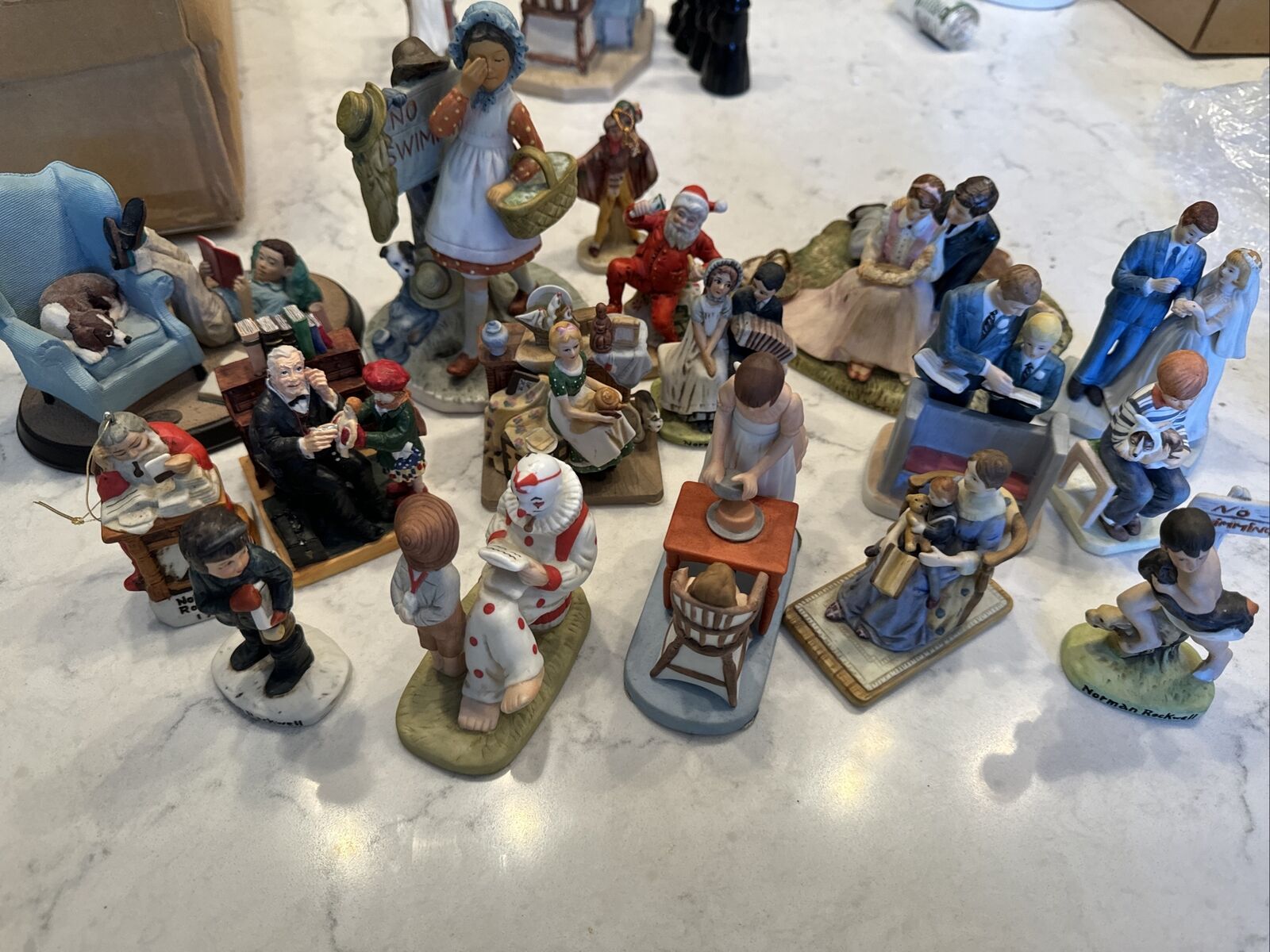
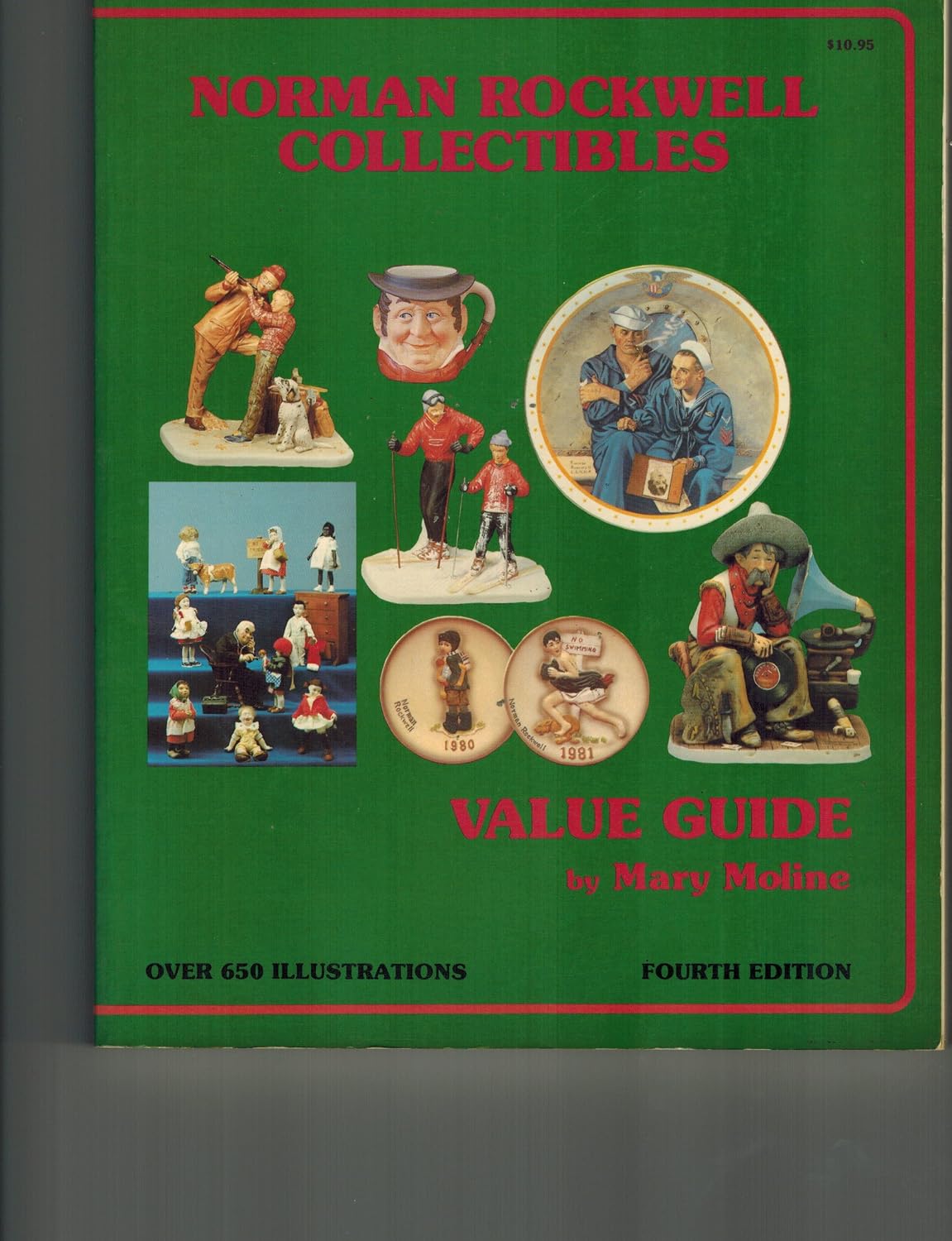
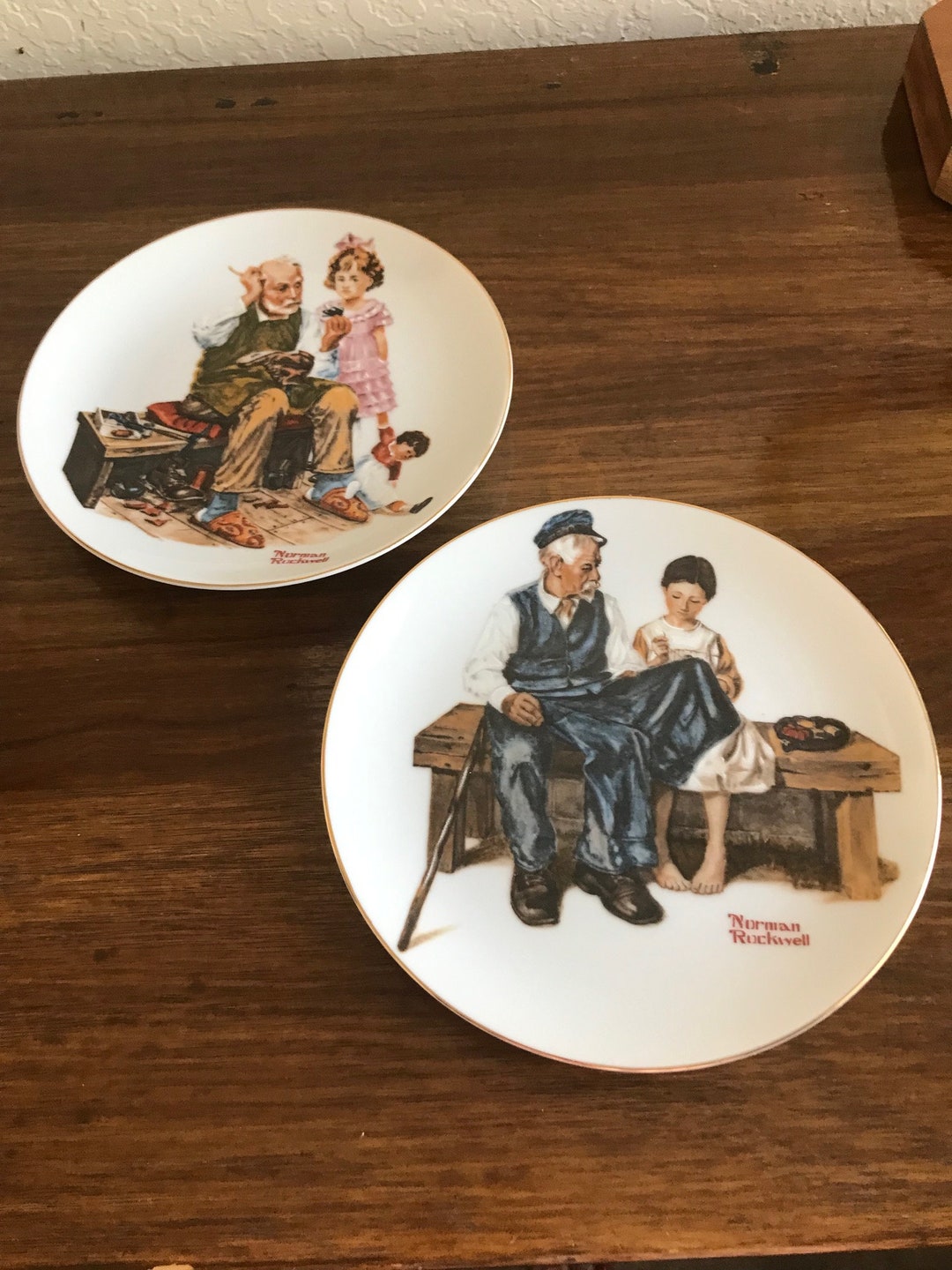
During the 1970s and 1980s, companies like the Bradford Exchange, Gorham, and the Danbury Mint produced millions of Rockwell-themed items. While these were marketed as "limited editions," the production runs were actually quite large, often numbering in the hundreds of thousands.
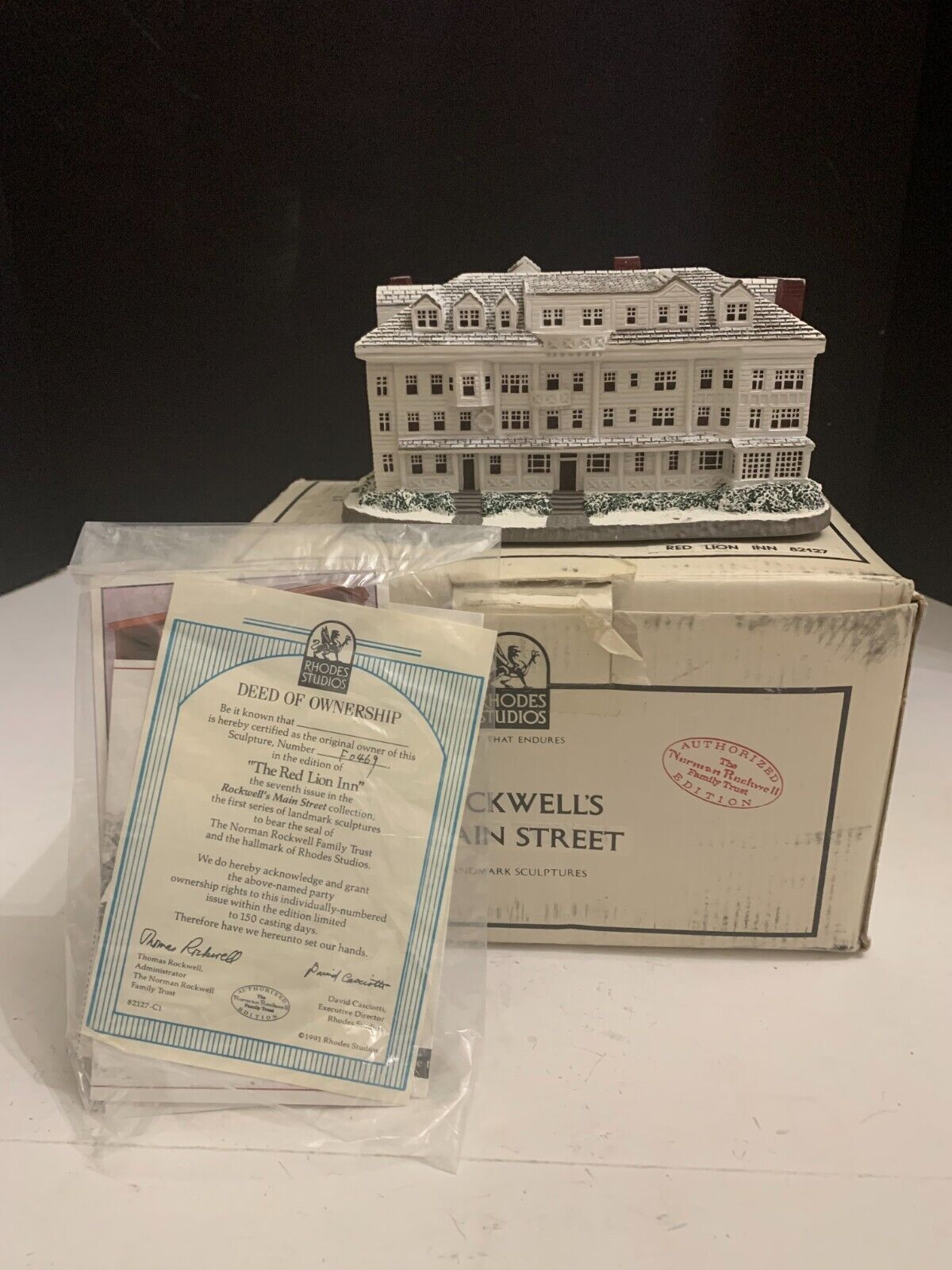
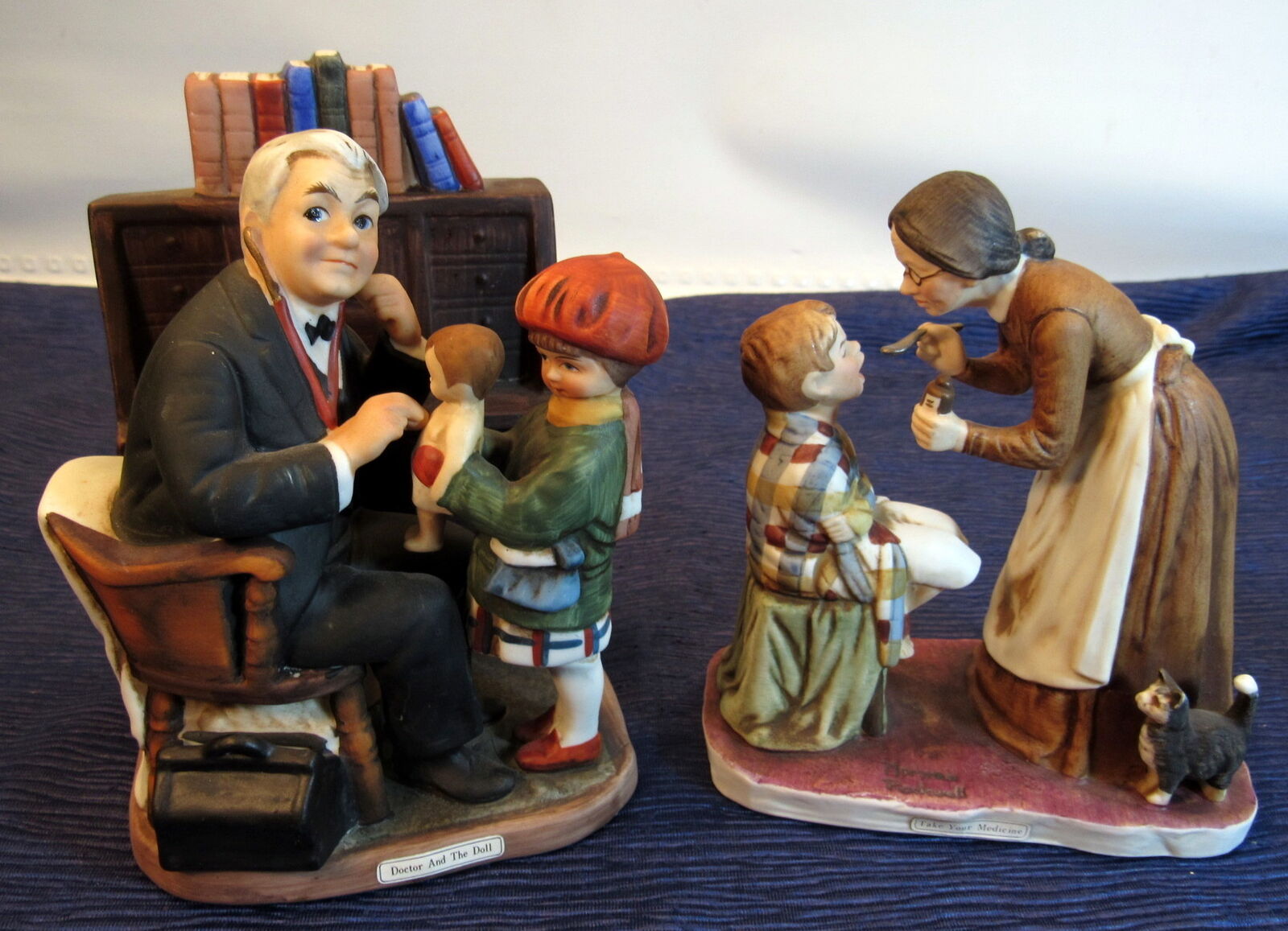
As of 2026, the secondary market for these items is heavily oversupplied. Most collector plates, even those in their original boxes with certificates of authenticity, sell for $5 to $15 at estate sales and online auctions. Figurines by Gorham or the Norman Rockwell Museum series generally fare slightly better, often fetching $15 to $40, but they are not considered high-growth investments. The value in these items lies almost entirely in their sentimental or decorative appeal rather than their financial appreciation.
Key Factors Influencing Market Value in 2026
When assessing a Rockwell item, professional appraisers look at four primary "Value Drivers." If you are trying to estimate a price, evaluate your item against these criteria.
1. Subject Matter and "The Rockwell Factor"
Not all Rockwell subjects are created equal. The market favors "classic" Rockwell—scenes of childhood innocence, family gatherings, and humorous everyday dilemmas.
- High Value Subjects: Children, grandfathers, holiday scenes (especially Thanksgiving and Christmas), and patriotic themes.
- Lower Value Subjects: Somber portraits, technical advertisements for industrial products, or less-recognizable magazine story illustrations.
2. Provenance and Authentication
For high-value items (paintings and signed prints), provenance—the documented history of ownership—is essential. Because Rockwell’s work is so famous, forgeries exist. Authentication often requires a review by the Norman Rockwell Museum or a specialized art historian. A piece with a documented trail back to the artist’s studio or a reputable gallery will always command a premium.
3. Physical Condition
Condition is the most volatile variable in art valuation. For paper-based collectibles (magazines and lithographs), the following defects can reduce value by 50% to 90%:
- Foxing: Acidic brown spots on the paper.
- Fading: Light damage from UV exposure, which is irreversible.
- Trimming: When a magazine cover has been cut down to fit a frame, it loses its collector value.
- Restoration: Amateur repairs to porcelain or oil canvases can actually lower the value compared to leaving the piece in its "honest" aged state.
4. Rarity and Edition Size
In the world of 2026 collectibles, "limited edition" is a relative term. A print edition of 50 is rare; an edition of 5,000 is not. Always check the bottom of the piece or the certificate for the total number produced.
| Category | Typical 2026 Price Range | Key Value Factor |
|---|---|---|
| Original Oil Painting | $1,000,000 - $50,000,000+ | Subject matter & provenance |
| Original Charcoal/Sketch | $15,000 - $150,000 | Level of detail & signature |
| Signed Ltd. Edition Litho | $1,500 - $15,000 | Condition & edition size |
| Early Saturday Evening Post | $100 - $600 | Grade/Condition & Year |
| Late Saturday Evening Post | $15 - $75 | Address label presence |
| Gorham/Danbury Figurines | $10 - $50 | Complexity of the mold |
| Collector Plates | $5 - $20 | Box & Certificate (COA) |
How to Verify and Appraise Your Collection
If you believe you have a high-value Rockwell item, the following steps are recommended to ensure you receive a fair market price.
- Search the Catalog Raisonné: The "Norman Rockwell: A Definitive Catalogue" by Laurie Norton Moffatt is the official record of every known Rockwell work. If an oil painting is not in this book, its authenticity will be questioned.
- Professional Appraisal: For insurance or estate purposes, hire an appraiser certified by the Appraisers Association of America (AAA) or the International Society of Appraisers (ISA).
- Check Auction Realized Prices: Do not rely on "asking prices" on sites like eBay. Instead, look at "sold" listings or databases like Heritage Auctions or Artnet to see what buyers actually paid in 2025 and 2026.
- Avoid "Cleaning" the Item: Never attempt to clean an oil painting or a rare magazine yourself. Improper chemicals can strip the paint or dissolve the paper fibers, effectively destroying the asset's value.
Where to Buy and Sell Rockwell Collectibles
The venue you choose for selling will depend entirely on the item's tier.
For High-End Originals, the major auction houses (Sotheby's, Christie's, Heritage) are the only appropriate venues. They have the global reach to find the few individuals capable of spending seven or eight figures on a single canvas.
For Mid-Range Lithographs and Rare Magazines, specialized art galleries or reputable online auction platforms are effective. Ensure the buyer or auctioneer understands the specific nuances of the Rockwell market.
For Mass-Produced Collectibles, local options like antique malls, estate liquidators, or Facebook Marketplace are often the best route. Because shipping costs for heavy porcelain plates often exceed the item's value, selling locally avoids the logistical "net loss" of online shipping.
Common Mistakes Collectors Make
One of the most frequent errors is confusing a "collotype" or a high-quality "offset lithograph" with a hand-signed lithograph. Millions of high-quality prints were made for the mass market; while they look beautiful, they lack the "pencil signature" that denotes a true investment-grade piece.
Another mistake is overestimating the value of a "Certificate of Authenticity" (COA). In the 2026 market, a COA is only as good as the company that issued it. Many defunct companies issued COAs for mass-produced items that have no actual standing in the professional art world.
Frequently Asked Questions
Is a Norman Rockwell signature always valuable?
A signature is only as valuable as the medium it is on. A hand-signed lithograph is valuable because it represents the artist's approval of the print. However, a "printed" signature on a poster or a plate does not add financial value, as it is simply a reproduction of the original signature.
Does the original box increase the value of Rockwell figurines?
Yes, but only marginally. In the 2026 market, having the original box and the Certificate of Authenticity (COA) might increase a $20 figurine to $30. It makes the item easier to sell to a "completionist" collector but does not fundamentally change the asset class of the item.
Are Rockwell's Boy Scout calendars worth anything?
Yes, these are a niche but strong market. Rockwell had a long-standing relationship with the Boy Scouts of America. Original calendars from the 1920s through the 1940s in good condition can sell for $50 to $200. Later versions from the 1960s are more common and usually trade for under $30.
How do I know if my Saturday Evening Post is an original or a reprint?
Original issues have the specific date on the cover and contain all the original advertisements and period-specific articles inside. Many "reprints" were issued in the 1970s as commemorative editions; these usually have a different paper feel (glossier) and lack the interior 1920s-1940s advertisements.
What is the most expensive Norman Rockwell ever sold?
The record was set by "Saying Grace," which sold for $46 million at Sotheby's in 2013. In the years leading up to 2026, several other major works have crossed the $20 million threshold, reflecting Rockwell’s transition from a "commercial illustrator" to a "fine artist" in the eyes of the global market.
Next Steps for Owners
If you are sitting on a collection of Norman Rockwell items in 2026, your first action should be categorization. Separate the paper (magazines and prints) from the porcelain (plates and figurines). If you find a pencil signature on a large print or have an actual painting on canvas, seek a professional appraisal immediately. For everything else, enjoy the artwork for its historical and aesthetic value, recognizing that while its financial "worth" may be modest, its cultural value remains immeasurable.
Image Gallery