How to Perform a Katy Perry Teenage Dream Cover: A Comprehensive Guide
Performing a professional-grade cover of Katy Perry’s 2010 pop anthem "Teenage Dream" requires a balanced approach to vocal technicality, instrumental arrangement, and legal awareness regarding copyright. This guide covers the essentia...
Performing a professional-grade cover of Katy Perry’s 2010 pop anthem "Teenage Dream" requires a balanced approach to vocal technicality, instrumental arrangement, and legal awareness regarding copyright. This guide covers the essential steps from selecting a musical arrangement and preparing your vocal delivery to understanding the legal requirements for publishing your performance online.
Contents
Understanding the Original Composition
"Teenage Dream," written by Katy Perry, Lukasz Gottwald, Max Martin, Benjamin Levin, and Bonnie McKee, is built upon a foundation of shimmering synth-pop production and a distinctive driving drum beat. To successfully cover the track, you must first deconstruct its core elements: the verse’s rhythmic vocal delivery, the build-up of the pre-chorus, and the anthemic, soaring melody of the chorus.
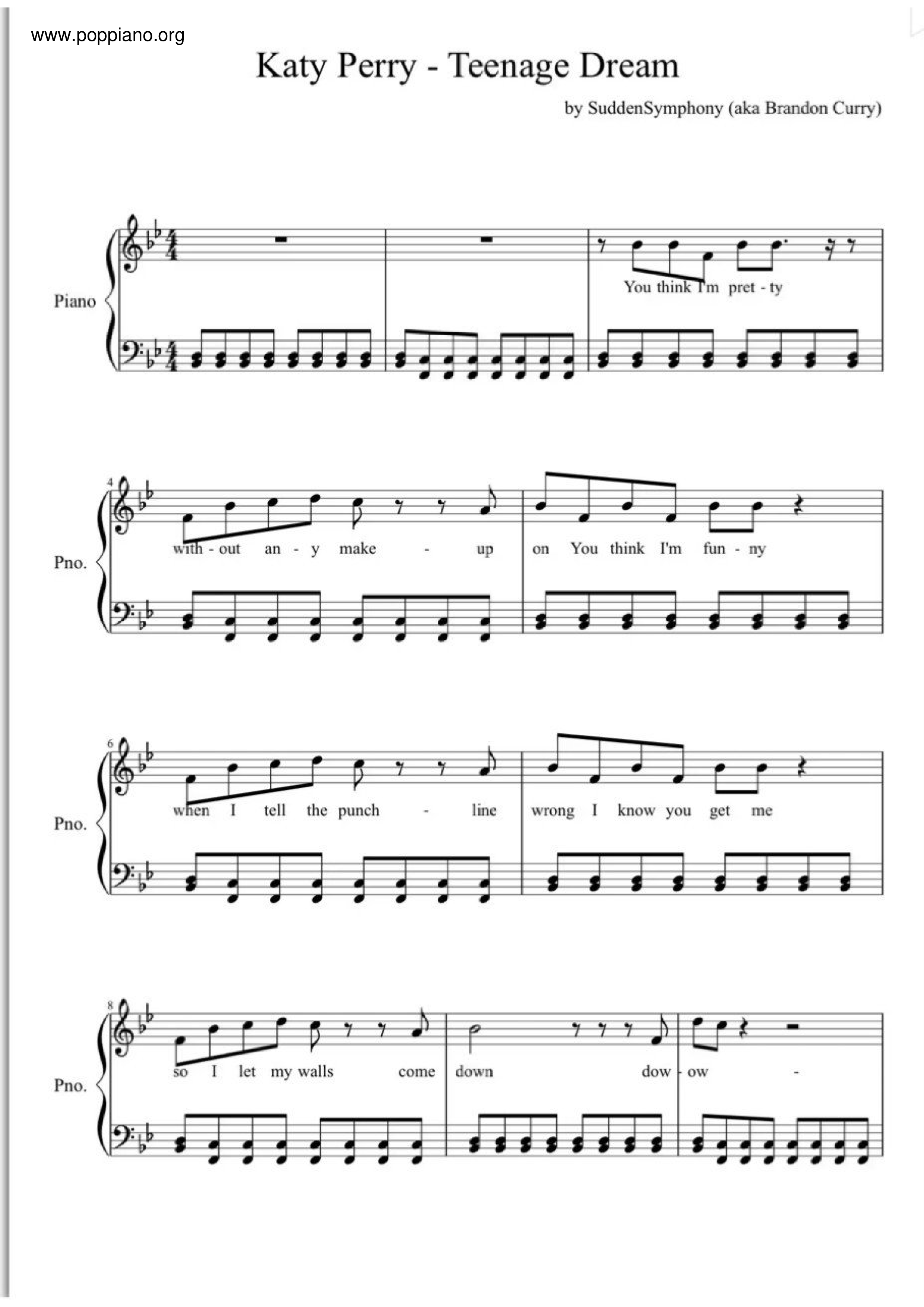
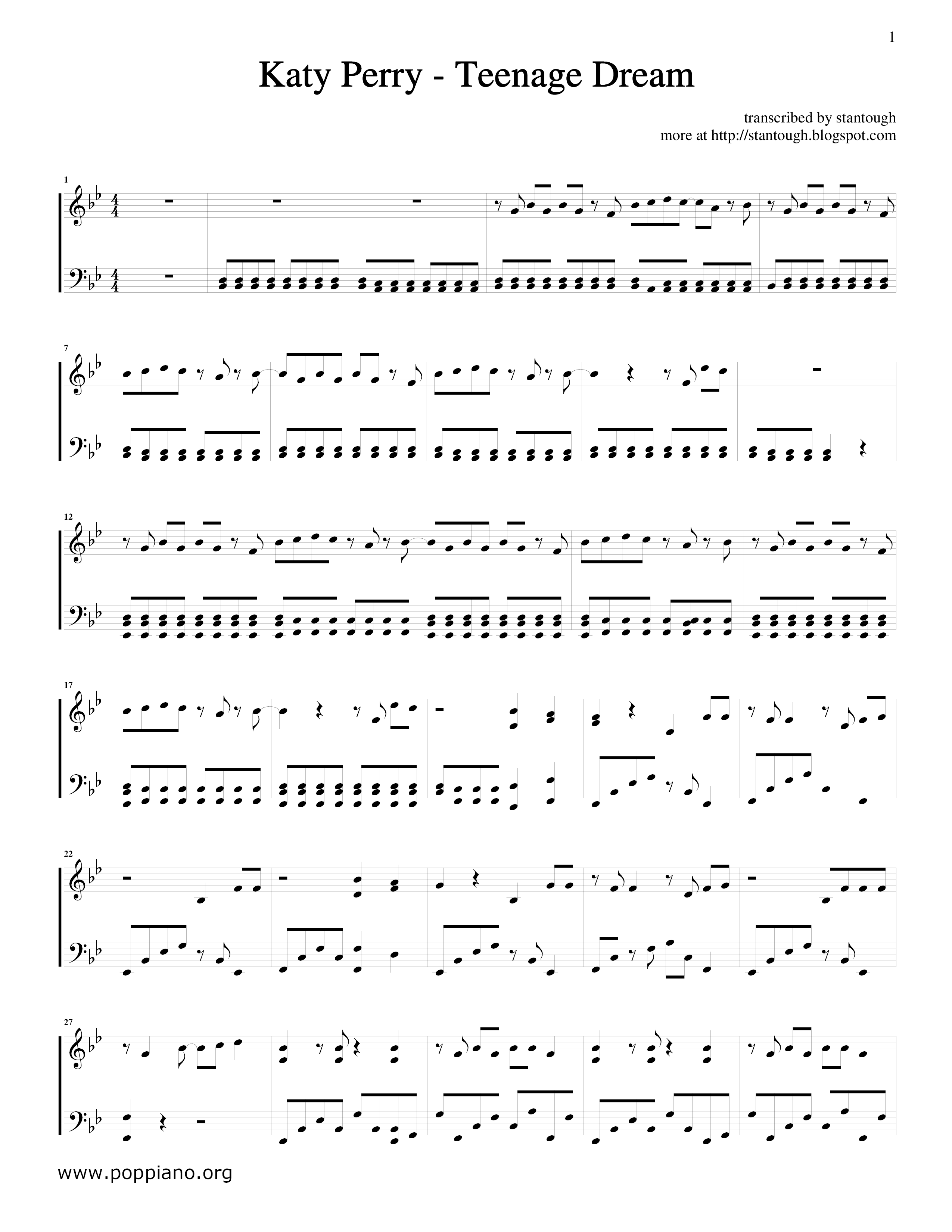
Before you begin arranging, familiarize yourself with the original key, which is B Major. Understanding the chord progression—primarily I–V–vi–IV—is critical for adapting the song to your own vocal range or a different instrumentation style, such as an acoustic piano or guitar-based interpretation.
Preparing Your Vocal Performance
The vocal performance in "Teenage Dream" is defined by a blend of conversational, breathy tones in the verses and powerful, head-voice-dominant belts in the chorus.
Vocal Range and Transposition
If the original key of B Major feels uncomfortable, do not hesitate to transpose the song to a key that suits your natural range. Using a digital audio workstation (DAW) or a simple online transposition tool can help you identify a key that allows you to hit the high notes of the chorus without straining your vocal cords. Maintaining vocal health is paramount; if you are forcing your voice, you risk long-term fatigue or injury.
Phrasing and Diction
Katy Perry’s delivery relies heavily on "vocal fry" and rhythmic precision. Pay close attention to how she clips the ends of words in the verses to create a percussive effect. Practicing with a metronome is essential to master the timing of the pre-chorus, where the lyrical density increases.
Choosing Your Arrangement Style
Your choice of arrangement will dictate the "vibe" of your cover. There are three common approaches to reinterpreting this track:
- The Acoustic Retelling: By stripping the song down to a single instrument, you highlight the melody and lyrical content. This is the most common approach for YouTube and social media platforms.
- The Electronic Expansion: If you have production experience, creating a modern EDM or ambient version allows you to showcase technical skills. Use modern synthesizer plugins to emulate the "dreamy" soundscape of the original.
- The Jazz/Lounge Fusion: Reimagining the song with complex chords and a swing rhythm can turn a pop hit into a sophisticated performance piece.
Instrumentation Comparison
| Arrangement Style | Primary Instruments | Difficulty Level | Emotional Tone |
|---|---|---|---|
| Acoustic | Piano/Guitar | Low | Intimate/Raw |
| Full Production | Synths/Drums/Bass | High | Anthemic/Modern |
| Lounge/Jazz | Piano/Upright Bass | Medium | Sophisticated |
Navigating Copyright and Licensing
Recording a cover song is legally distinct from recording an original composition. In many jurisdictions, including the United States, you are performing a "derivative work."
Understanding Mechanical Licenses
When you distribute a cover song through digital service providers (DSPs) like Spotify or Apple Music, you need a mechanical license to pay royalties to the original songwriters. Services such as DistroKid or TuneCore often provide a checkbox process during upload that automatically handles the procurement of these licenses for a small annual fee.
YouTube and Social Media (Content ID)
If you are uploading your performance to YouTube, the platform’s Content ID system will likely automatically flag your video. In most cases, the copyright owners (the publishers) will allow the video to remain live, but they may claim the ad revenue generated by that specific video. You generally do not need a separate license for a simple cover video on YouTube, provided you are not claiming to be the songwriter.
Technical Requirements for Recording
High-quality audio is more important than high-resolution video for a music cover. If you are recording at home in 2026, ensure you have the following baseline setup:
- Large-Diaphragm Condenser Microphone: Essential for capturing the nuance in the vocal performance.
- Audio Interface: A reliable interface (such as a Focusrite Scarlett or similar 2026-standard hardware) will ensure low-latency monitoring.
- Acoustic Treatment: If your room is echoing, use soft furnishings or portable acoustic panels to dampen the sound. Professional results are rarely achieved in "live" (echo-heavy) rooms.
Production and Mixing Tips
Once you have tracked your vocals and instruments, mixing is the process of balancing the elements. For "Teenage Dream," the vocals should sit "on top" of the mix. Use subtle compression to ensure that your softest whispers in the verse are audible, while your loudest belt in the chorus does not clip the digital signal.
Common Mistakes to Avoid:
- Over-processing: Do not over-rely on pitch correction (Auto-Tune). If the performance is shaky, re-record the take rather than trying to fix it digitally.
- Excessive Reverb: While the song is "dreamy," too much reverb can muddy the mix and make the vocals sound distant.
- Ignoring the Metronome: Even if your style is "loose," the underlying rhythm of a pop song must remain consistent to keep the listener engaged.
Frequently Asked Questions
Do I need permission from Katy Perry to cover the song?
No. You do not need personal permission from the original artist to cover their song, as long as you pay the mandatory mechanical royalties through a distribution service or obey the platform-specific rules for video hosting.
Can I change the lyrics in my cover?
Changing lyrics technically creates a "derivative work" that may require special permission from the publisher. It is highly recommended to keep the original lyrics to avoid legal complications or copyright strikes.
What if my video gets a copyright strike?
A copyright strike usually occurs if you use the original artist’s actual master recording (the backing track) rather than playing the instruments yourself. Always record your own instrumentation. If you use a karaoke track, ensure you have a license for that specific track.
Is it better to record the video and audio simultaneously?
For a raw, "live" feel, recording simultaneously is effective. However, for a polished, commercial-quality sound, record your instruments first, then layer your vocals over them. This allows you to focus on the technical precision of each track.
Should I release my cover on streaming platforms?
Yes, if you believe the quality is high enough. Using a reputable music distributor will handle the royalty payments for you, making the process straightforward for independent artists in 2026.
Next Action
Start by choosing your arrangement style—either acoustic or electronic—and practicing the vocal melody in a comfortable key. Once you have a clean, metronome-synced recording, review the distribution guidelines of your chosen platform to ensure you have secured the necessary mechanical licenses before publishing.
Image Gallery