Chappell Roan’s Bold Makeup Choice Explained: Aesthetic Identity and Theatrical Drag
Chappell Roan’s signature bold makeup is a deliberate extension of her artistic persona, blending high-concept camp, traditional drag influence, and Midwestern goth sensibilities. By utilizing exaggerated silhouettes, heavy color block...
Chappell Roan’s signature bold makeup is a deliberate extension of her artistic persona, blending high-concept camp, traditional drag influence, and Midwestern goth sensibilities. By utilizing exaggerated silhouettes, heavy color blocking, and precise, theatrical application, Roan uses her face as a canvas to construct a narrative of self-reinvention that distinguishes her performance art from standard pop-star aesthetics.
Contents
The Philosophical Underpinnings of the “Roan” Look
To understand Chappell Roan’s makeup, one must first recognize that the artist, born Kayleigh Rose Amstutz, treats her identity as a project of meticulous design. In the context of her rise to prominence in the mid-2020s, her aesthetic serves as a visual manifestation of her music—a marriage of intimate, vulnerable songwriting and hyper-theatrical, larger-than-life presentation.
The makeup is not merely a tool for beautification; it is a tool for characterization. Drawing heavily from the lexicon of drag performance, Roan’s look incorporates structural elements such as extreme contouring, overdrawn lips, and heavily emphasized eyes. By embracing these techniques, she creates a physical distance between the performer and the private individual, providing a protective, empowering layer that allows for full creative expression on stage.
Key Components of the Chappell Roan Aesthetic
Roan’s makeup routine is characterized by a commitment to high-contrast visual elements. Unlike the "no-makeup" makeup trends that dominated the early 2020s, her approach is unabashedly maximalist.
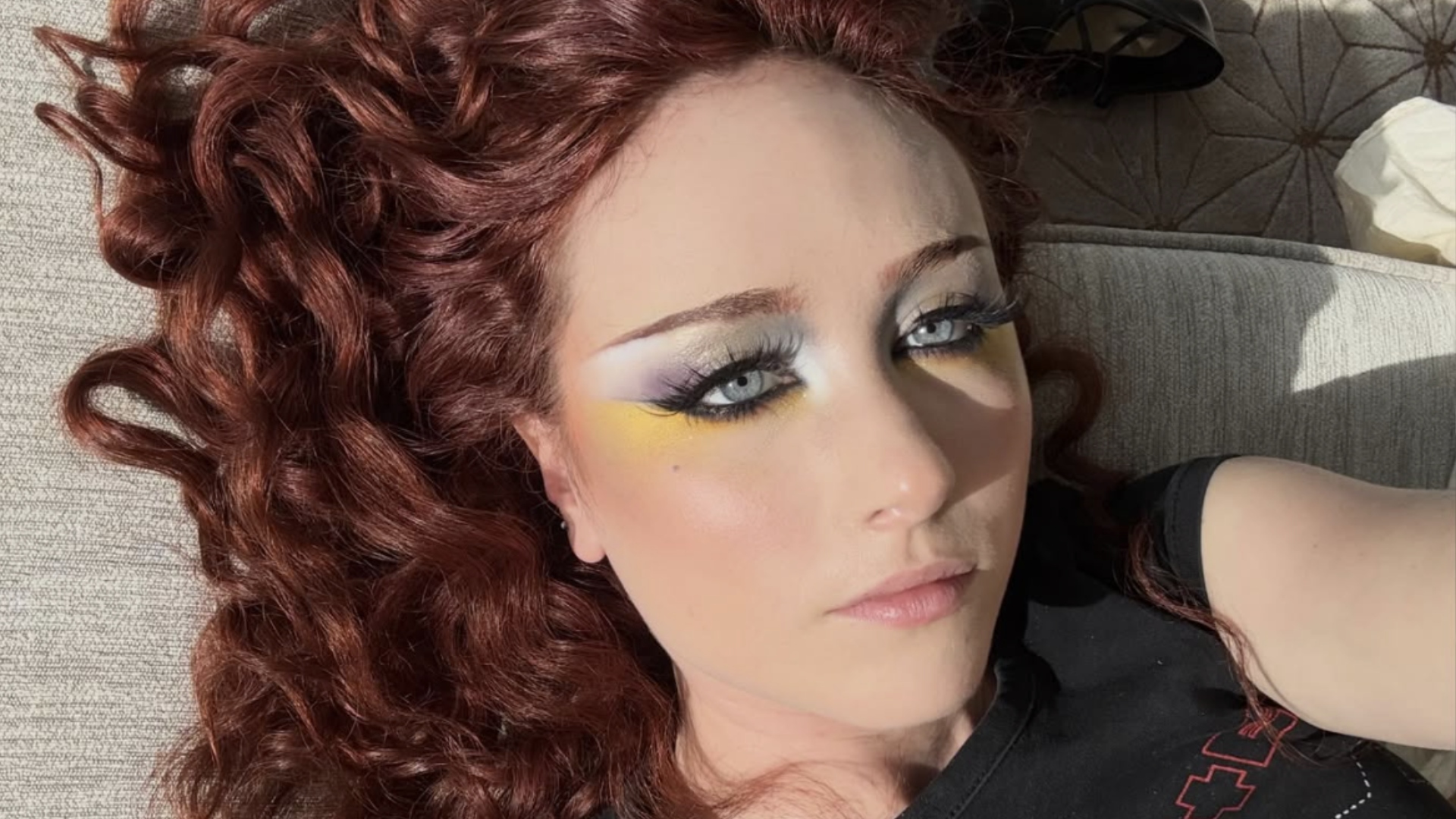
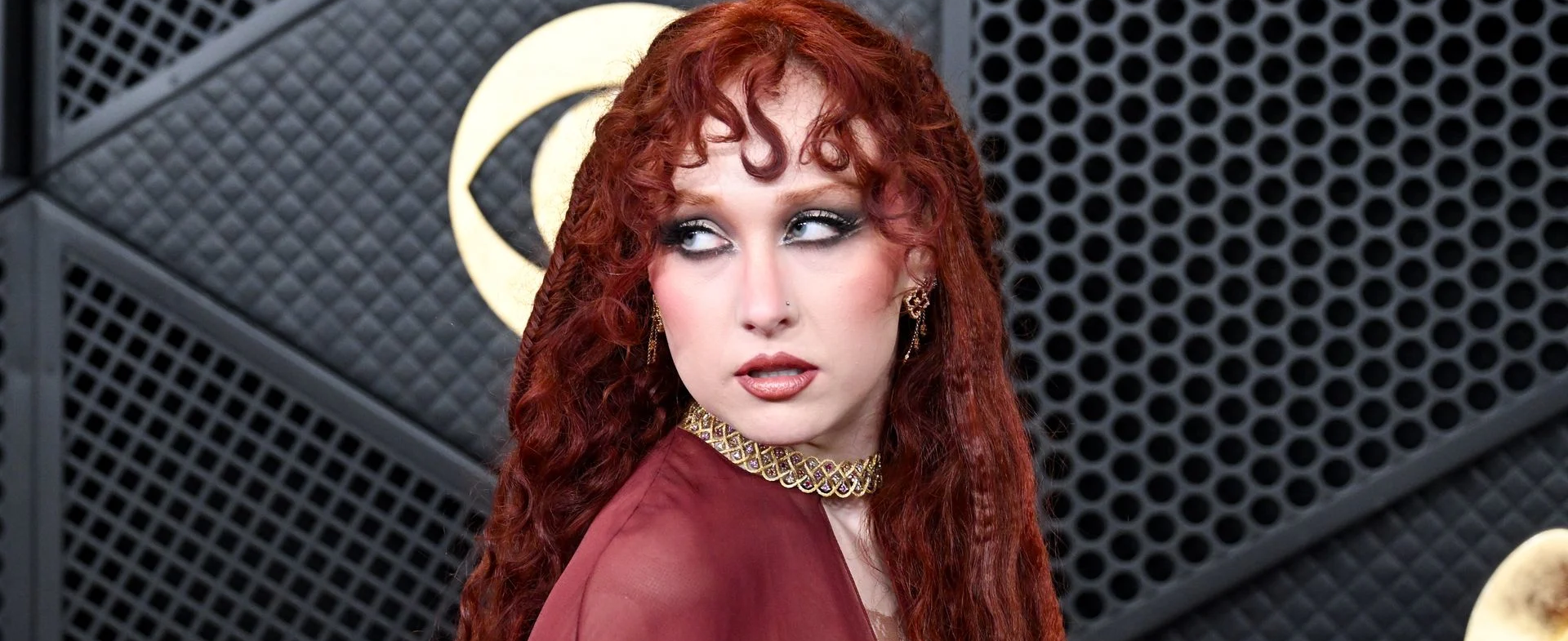
- Architectural Eyeshadow: Roan frequently utilizes bold, graphic shapes rather than traditional blending. Sharp wings, floating creases, and extended geometric lines near the temples give her eyes a feline, otherworldly appearance.
- Theatrical Liner: Black liquid liner is used with precision to create depth and drama. The use of negative space and heavy-handed application mimics the stage-lighting requirements of theater and cabaret, ensuring that her facial expressions remain visible to an audience even from a distance.
- Color Theory and Blocking: She often incorporates unconventional colors—deep blues, vibrant reds, or stark whites—that complement her period-inspired costumes. This color blocking is intentional, designed to evoke specific eras such as the 1980s or the Victorian gothic period, albeit filtered through a modern lens.
- Strategic Embellishment: Rhinestones, glitter, and facial prosthetics are common, adding a tactile, three-dimensional quality to her look. These elements are not applied randomly; they are placed to catch stage lights, emphasizing the performance-centric nature of her work.
Drag Culture as an Artistic Catalyst
The most significant influence on Roan’s makeup is the art of drag. Her association with the drag community is not merely aesthetic—it is foundational to her identity as a performer. By adopting techniques like "blocking" eyebrows to create a new brow shape or using highlight and shadow to redefine her facial structure, she acknowledges the transformative power of cosmetics.
In drag culture, the face is sculpted to communicate a persona. Roan utilizes this by constantly shifting her makeup style to match the evolving themes of her eras. This fluidity prevents the audience from tethering her to a single "natural" look, ensuring that the persona of Chappell Roan remains the central focus, rather than her baseline physical appearance. This creates a fascinating dynamic where the makeup becomes a secondary skin, allowing the artist to inhabit a version of herself that is bolder and more experimental than her off-stage self.
Technical Execution: Comparison of Aesthetics
The following table outlines the distinct differences between standard contemporary pop beauty standards and the highly specific aesthetic chosen by Chappell Roan.
| Feature | Standard Pop Aesthetic | Chappell Roan’s Aesthetic |
|---|---|---|
| Primary Goal | Flawless, "natural" enhancement | Theatrical character creation |
| Brow Style | Fluffy, laminated, natural | Blocked, arched, or stylized |
| Eyeshadow | Soft, blended, neutral tones | Graphic, high-contrast, bold blocks |
| Lip Application | Overlined for volume (nude) | Sharp, dark, or neon for drama |
| Inspiration | Everyday lifestyle trends | Drag, cabaret, and goth history |
| Texture | Dewy, skin-like finish | Matte, stage-ready, structured |
Prerequisite Skills for Theatrical Application
Achieving a look of this caliber requires more than standard cosmetic proficiency; it demands an understanding of stage lighting and facial architecture. Roan’s makeup artists—and Roan herself, when applying her own makeup—must account for "washout," a phenomenon where bright stage lighting flattens facial features.
To counter this, she employs heavy shading and highlighting. High-contrast makeup ensures that depth is maintained even under intense LEDs. For those looking to incorporate similar elements into their own expression, the following technical prerequisites are essential:
- Skin Prep: A heavy-duty, long-wearing primer is essential to ensure the longevity of high-pigment products under hot lights.
- Color Saturation: Relying on opaque, highly pigmented formulas (often found in theatrical-grade makeup rather than consumer-retail brands) is necessary to achieve the bold, solid colors she features.
- Symmetry and Precision: Using high-quality brushes and liquid liners that allow for sharp, steady lines is the difference between a "messy" look and a "graphic" look.
Common Misconceptions Regarding the Aesthetic
A frequent mistake made by observers is interpreting her makeup as purely "costume" or "clown-like" without context. This misses the intentionality of the art. When an artist uses makeup as a structural element, they are moving away from traditional concepts of attractiveness and toward concepts of artistic composition.
Another common misconception is that the makeup hides the artist. On the contrary, it reveals her artistic priorities. By intentionally subverting traditional beauty norms, Roan signals to her audience that her work is an interactive, curated experience. The makeup serves as a threshold; once it is applied, the "Chappell Roan" persona is active, facilitating a performance that is uninhibited by the limitations of conventional celebrity standards.
Frequently Asked Questions
Why does Chappell Roan use such heavy eye makeup? She uses heavy eye makeup to ensure that her facial expressions are legible and impactful from the stage. By exaggerating the eyes, she leans into the traditions of drag and cabaret, where makeup is used to project a persona across a large venue.
Does her makeup change depending on the song? Yes. While there is a consistent "Roan" thread, her makeup shifts to reflect the narrative of her different musical projects. Whether she is leaning into a gothic vibe or a glittery pop spectacle, the makeup acts as a costume piece that changes in color palette and intensity to match the music.
Is her look considered drag? While Roan is not a drag queen in the traditional sense, she utilizes "drag" as an art form. She frequently draws on the drag community for inspiration, techniques, and collaboration, acknowledging that this style of performance art is a significant contributor to her visual identity.
Can her makeup look be adapted for everyday wear? Elements of it can certainly be adapted. While the full, heavy-coverage theatrical look is best suited for performance, techniques like graphic eyeliner or bold, unconventional lip colors can be toned down for more casual settings while still paying homage to her stylistic approach.
What is the most important product in her routine? Based on the graphic nature of her looks, high-quality, opaque liquid liners and long-wear pigments are the most vital tools. Without these, the sharp, structural lines she favors would be impossible to maintain during a high-energy performance.
Next Steps for Enthusiasts
If you are interested in exploring this aesthetic, begin by experimenting with graphic shapes rather than color blending. Focus on the geometry of your own face: identify your orbital bone and your temple space, and use them as guides for placing sharp, linear makeup. Practice with long-wear, waterproof liquid liners to ensure that your lines remain crisp throughout the day. Remember that the objective is not to follow existing beauty trends, but to create a visual identity that feels authentic to your personal artistic expression. By prioritizing character over "flattery," you align yourself with the core philosophy that drives Chappell Roan’s visual evolution.
Image Gallery