Understanding Your Options When Owing IRS Tax Money
If you find yourself owing IRS tax money, the most critical step is to take proactive action immediately to minimize interest and penalties. Even if you cannot pay the full balance, filing your return on time—or contacting the IRS to d...
If you find yourself owing IRS tax money, the most critical step is to take proactive action immediately to minimize interest and penalties. Even if you cannot pay the full balance, filing your return on time—or contacting the IRS to discuss payment arrangements—prevents the accumulation of Failure-to-File penalties and opens the door to various formal relief programs.
Contents
Initial Steps: Assess and Communicate
The first stage of dealing with tax debt is accurately assessing your financial situation. Ignoring a tax bill does not make it disappear; instead, it allows interest and penalties to compound. Under current tax regulations, the IRS imposes a failure-to-pay penalty of 0.5% of the unpaid taxes for each month or part of a month the tax remains unpaid, up to 25% of the unpaid tax.
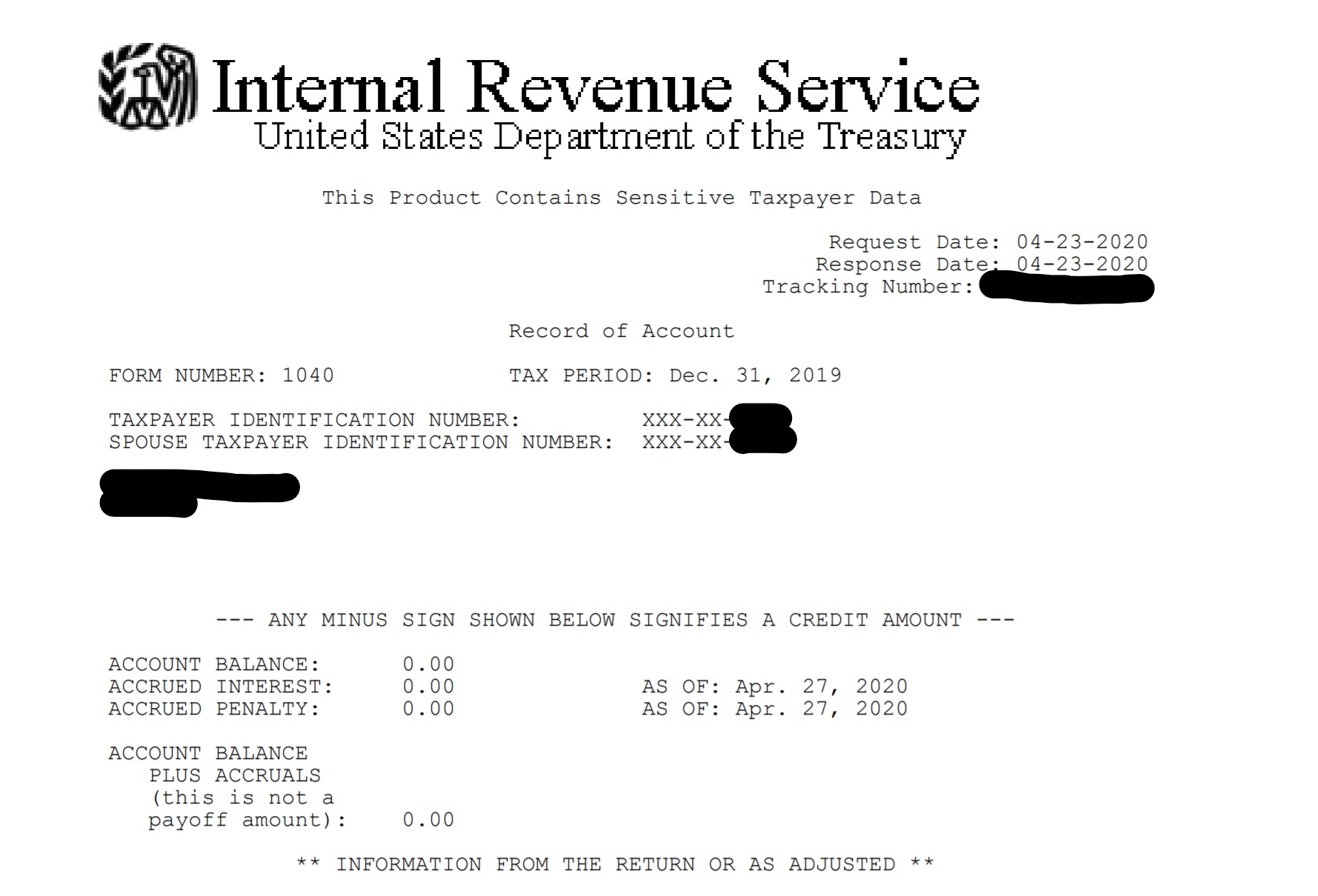
You should verify the exact amount you owe by reviewing your account transcript through the official IRS website or by reviewing the CP notice you received in the mail. If you disagree with the assessment, you must resolve that discrepancy before entering into a long-term payment agreement. If you agree with the amount but simply cannot afford to pay, do not wait for the IRS to initiate enforcement actions, such as a Notice of Federal Tax Lien or a levy. Instead, you should utilize the online tools provided by the IRS to request a payment plan or installment agreement.
Establishing a Payment Plan
For many taxpayers, an Installment Agreement is the most viable path forward. This allows you to pay your tax debt over time, typically up to 72 months if you qualify.
- Short-Term Payment Plan: If you can pay the full amount within 180 days, you may qualify for a short-term plan. While interest and penalties still apply until the balance is paid in full, there is generally no setup fee for this option.
- Long-Term Payment Plan (Installment Agreement): If you need more than 180 days, you can apply for an installment agreement. This can be done online, by mail, or over the phone. Setup fees may apply depending on your income level and how you choose to make payments (e.g., direct debit vs. manual payments).
To qualify for an online installment agreement, you must have filed all required tax returns. If you have unfiled returns, the IRS system will generally prevent you from finalizing a payment plan, making the filing of all back taxes a prerequisite for debt resolution.
Offer in Compromise (OIC)
An Offer in Compromise is a program that allows eligible taxpayers to settle their tax debt for less than the full amount owed if they can demonstrate that they cannot pay the full liability. This is not a guaranteed option and is reserved for taxpayers who can prove significant financial hardship.
The IRS evaluates OICs based on your ability to pay, your income, your expenses, and your asset equity. The process is rigorous and requires detailed financial disclosure. It is vital to use the official "Offer in Compromise Pre-Qualifier" tool on the IRS website to see if you are a candidate before investing the time and resources required to submit a formal application.
Comparison of IRS Tax Debt Resolution Options
| Option | Best For | Requirement |
|---|---|---|
| Full Payment | Taxpayers with immediate liquidity | None (stops interest accumulation) |
| Short-Term Plan | Temporary cash flow issues | Pay in full within 180 days |
| Installment Agreement | Long-term budget management | Filed all returns; payment schedule |
| Offer in Compromise | Proven financial hardship | Strict asset/income analysis |
| Currently Not Collectible | Extreme economic distress | Proof of inability to pay basic living expenses |
Currently Not Collectible (CNC) Status
If your financial situation is so severe that paying your taxes would prevent you from meeting basic living expenses, you may request to be placed in "Currently Not Collectible" status. When the IRS designates an account as CNC, they temporarily halt collection efforts. It is important to understand that this does not eliminate the tax debt; it merely pauses enforcement. Interest and penalties continue to accrue, and the IRS will periodically review your financial status to see if your ability to pay has improved.
Avoiding Common Mistakes
Taxpayers often fall into traps that exacerbate their financial trouble. The most significant mistake is failing to file an income tax return because they cannot pay the tax due. The penalty for failing to file is substantially higher than the penalty for failing to pay. If you cannot pay, you should still file your return to avoid the higher failure-to-file penalty and to begin the clock on the Statute of Limitations for collection.
Another common oversight is ignoring correspondence from the IRS. The agency sends notices with specific deadlines. Responding before these deadlines provides you with more leverage and options. If you do not understand a notice, use the phone number provided on the document to speak directly with an IRS representative.
Professional Assistance and Advice
While many taxpayers can manage their debt through the official IRS website, complex cases involving significant debt, business tax issues, or legal complications may require professional assistance. You may seek help from a Certified Public Accountant (CPA), an Enrolled Agent (EA), or a tax attorney. These professionals can negotiate directly with the IRS on your behalf and ensure that you are selecting the most appropriate program for your specific financial circumstances.
Be wary of "tax resolution" companies that promise to "settle your debt for pennies on the dollar." These companies often charge high upfront fees for services that you can perform yourself for free through the IRS. Always verify the credentials of any professional you hire and ensure they have a legitimate background in tax law or accounting.
Frequently Asked Questions
What happens if I ignore my IRS debt? Ignoring your debt allows the IRS to escalate collection actions. This can include the filing of a Notice of Federal Tax Lien, which alerts creditors to your debt, or the issuance of a levy on your bank accounts, wages, or other assets. It is always better to reach out voluntarily.
Does the IRS charge interest on my balance? Yes. Under the law, the IRS charges both interest and failure-to-pay penalties on the underpayment of taxes. Interest rates are determined quarterly and are calculated from the original due date of the return until the date of payment.
Can I set up an installment agreement if I haven't filed all my tax returns? Generally, no. The IRS requires that you be compliant with all filing requirements before they will approve a formal installment agreement. You must file all missing returns, even if you cannot pay the tax associated with them, to start the resolution process.
Is my tax debt dischargeable in bankruptcy? Tax debt is generally difficult to discharge in bankruptcy. There are very specific and narrow conditions under which certain income tax debts may be discharged, usually involving the age of the debt and the timing of the tax return filing. You should consult with a bankruptcy attorney to determine if your specific situation qualifies.
Final Recommendation
If you owe IRS tax money, your primary goal is to establish contact and maintain transparency. Start by filing any outstanding returns, then log into your official IRS account to review your balance and explore the self-service payment options available to you. By taking responsibility and utilizing the formal programs designed by the IRS, you can regain control of your financial standing and resolve your tax obligations in a structured, predictable manner.
Image Gallery