Arctic Cat ZR 9000 Thundercat Top Speed: Performance, Specs, and Real-World Velocity
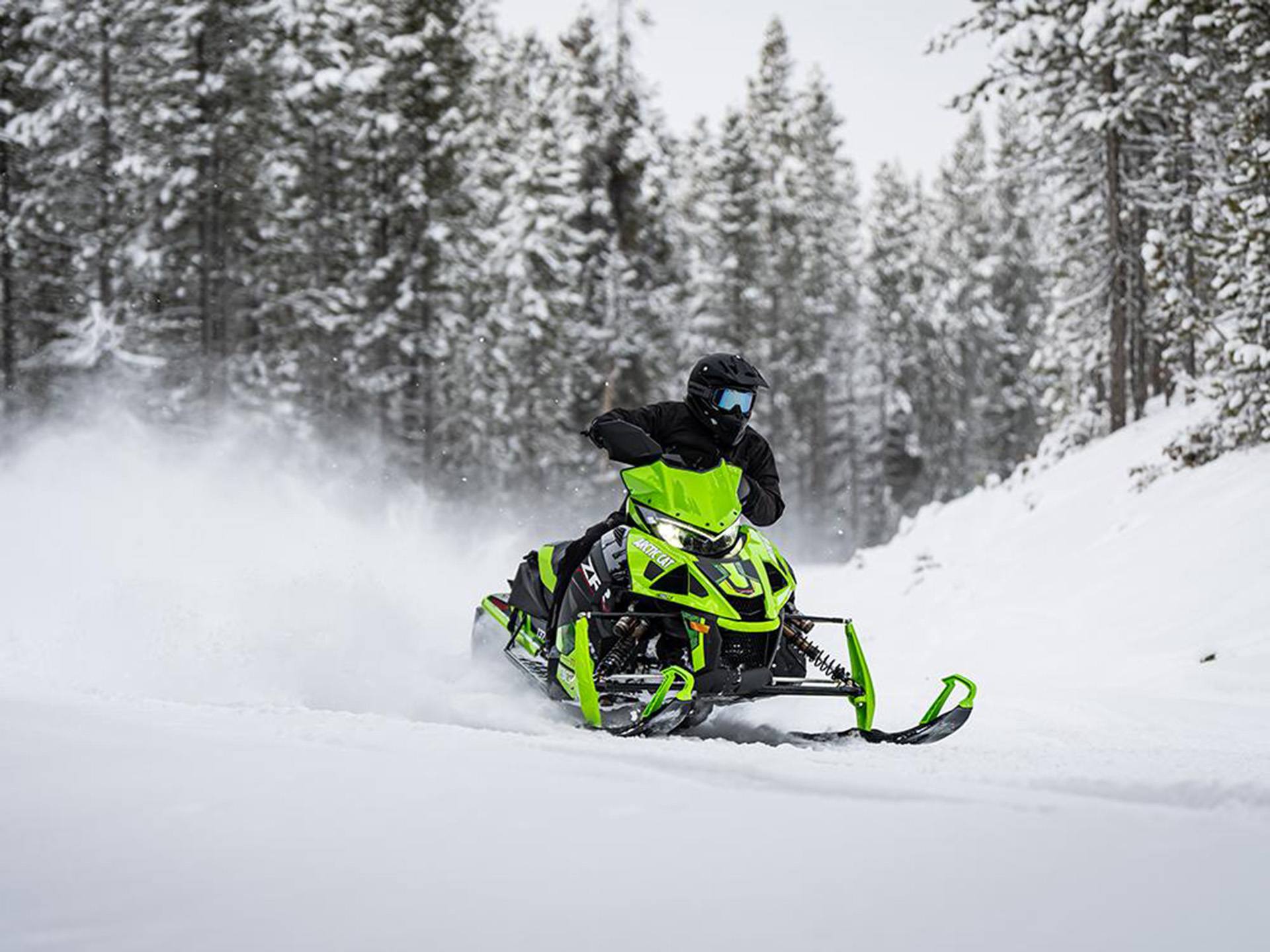
The stock Arctic Cat ZR 9000 Thundercat achieves a real-world top speed between 115 and 120 mph under favorable conditions on hard-packed snow or ice. With favorable atmospheric density, long stretches of glare ice, and aggressive driv...
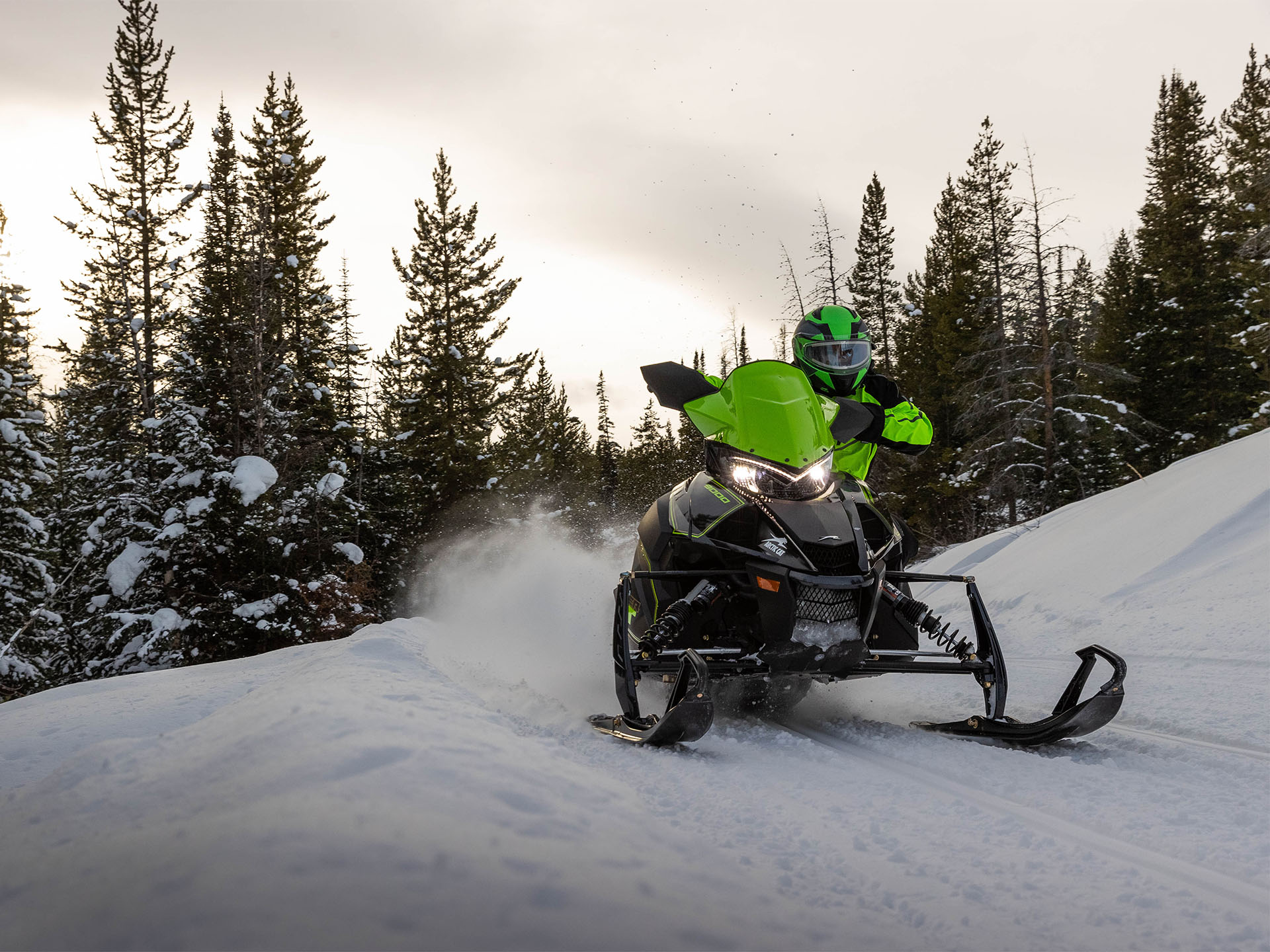
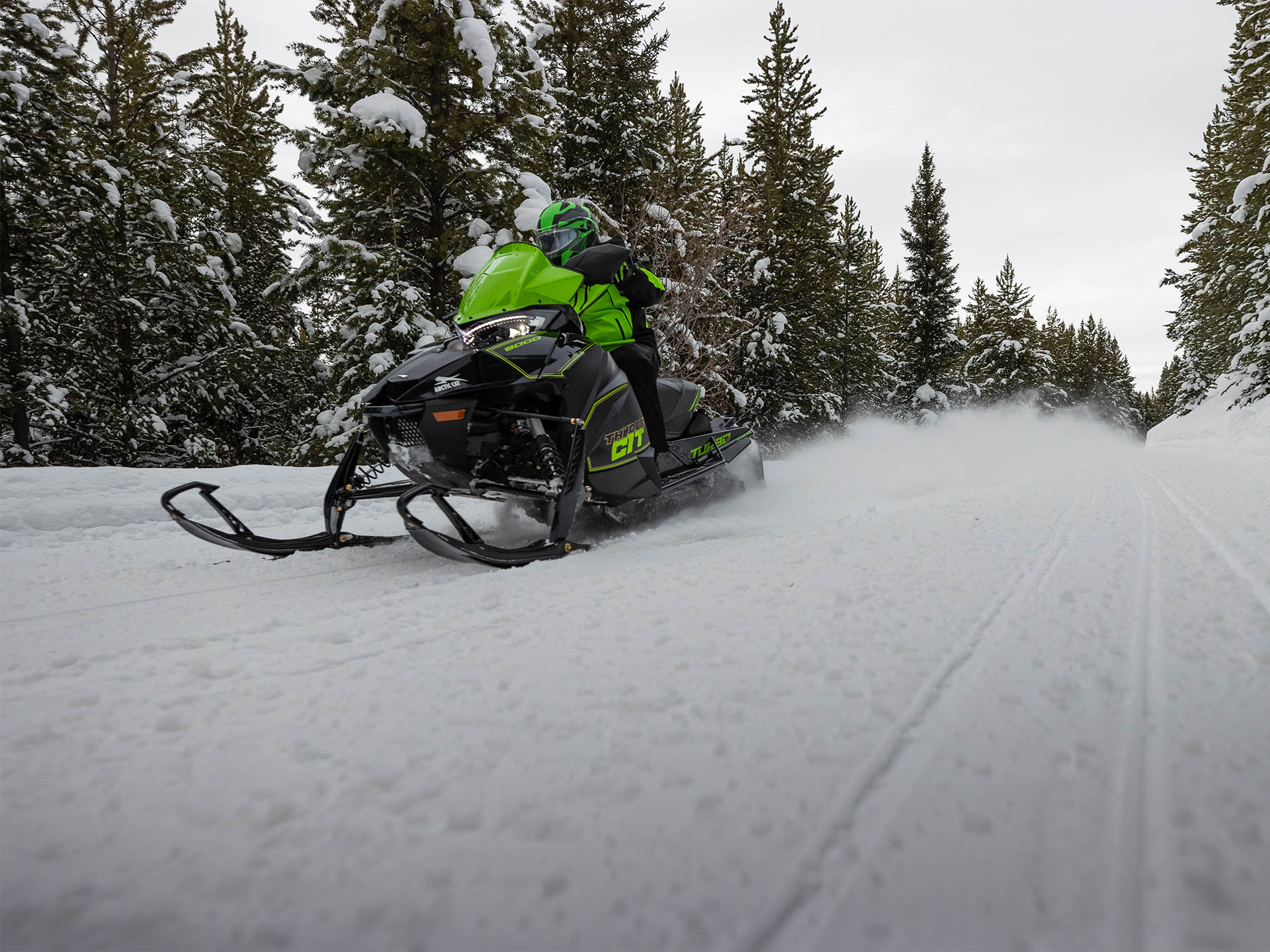
The stock Arctic Cat ZR 9000 Thundercat achieves a real-world top speed between 115 and 120 mph under favorable conditions on hard-packed snow or ice. With favorable atmospheric density, long stretches of glare ice, and aggressive driver setups, modified or tuned variants have been documented pushing past 130 mph, though factory configurations are electronically or mechanically limited to protect engine and drivetrain integrity.
Contents
The snowmobile industry has long measured its prestige by absolute horsepower and terminal velocity on long lake runs. Few machines embody this high-stakes pursuit of speed quite like the Arctic Cat ZR 9000 Thundercat. Armed with a turbocharged four-stroke engine platform, this trail-dominating heavyweight has captured the imagination of high-performance snowmobilers since its modern introduction. Understanding the true velocity limits of the Thundercat requires examining its powertrain engineering, track design, environmental variables, and the distinct gap between factory specifications and modified potential.
Engineering the Beast: Powertrain and Performance Heritage
To understand the top-end velocity of the ZR 9000 Thundercat, one must look closely at what breathes life under the hood. At the core of this machine sits the 998cc C-TEC4 turbocharged three-cylinder four-stroke engine. Developed in collaboration with Yamaha, this powerplant is widely regarded as one of the most robust, tunable, and potent engines ever dropped into a production snowmobile chassis.
Out of the crate, this engine churns out over 200 horsepower in stock trim. Unlike naturally aspirated two-stroke engines that lose efficiency as altitude and barometric pressure shift, the turbocharger on the Thundercat maintains consistent boost pressure. This forced-induction design allows the sled to pull hard through the mid-range and continuously build velocity well past the 100 mph mark.
However, high horsepower alone does not guarantee a high top speed. Power must be efficiently transferred from the crankshaft to the track via a sophisticated clutch system. The Thundercat utilizes the ADAPT CVT (Continuously Variable Transmission) drive and driven clutches. These clutches are engineered to provide instant shift ratios, rapid back-shifting, and precise belt tension management, minimizing energy loss as the vehicle accelerates toward its terminal velocity.
Factory Performance vs. Real-World Top Speed
Manufacturers often quote impressive capabilities, but real-world conditions dictate actual performance. In a stock factory configuration, the Arctic Cat ZR 9000 Thundercat typically tops out in the 115 mph to 120 mph range on a GPS speedometer. Speedometers integrated into the digital dash can sometimes display higher figures due to track spin or slight calibration discrepancies, but verified radar runs consistently place stock units within this bracket.
Achieving this top speed requires specific operating parameters:
- Snow Conditions: Hard-packed snow, lake ice, or groomed speed runs provide the low rolling resistance necessary to maximize top-end pull. Deep powder or loose, wet snow robs horsepower and scrub track momentum, significantly lowering maximum velocity.
- Runway Length: As a heavy, high-horsepower trail sled, the Thundercat requires a considerable distance—typically a half-mile to a full mile of clear track—to stretch its legs and reach its absolute terminal velocity.
- Driver Weight and Aerodynamics: The rider's physical posture plays a critical role. Tucking in tightly behind the windshield reduces aerodynamic drag, which is the primary resistive force acting against a snowmobile traveling over 100 mph.
| Configuration | Estimated Top Speed | Primary Governing Factors |
|---|---|---|
| Stock Factory Trim | 115 – 120 mph | Electronic tuning limits, stock clutching, standard track profile |
| Stage 1 Flash / Tune | 125 – 130 mph | Increased boost pressure, modified rev limiters, optimized shift weights |
| Deep Snow / Trail Setup | 100 – 110 mph | High rolling resistance, aggressive lug traction, cooling limitations |
| Modified Speed Run Setup | 130+ mph | ECU remaps, aftermarket exhaust, customized gearing, tuned suspension |
The Mechanics of Speed: Why the Thundercat Excels on Top-End Runs
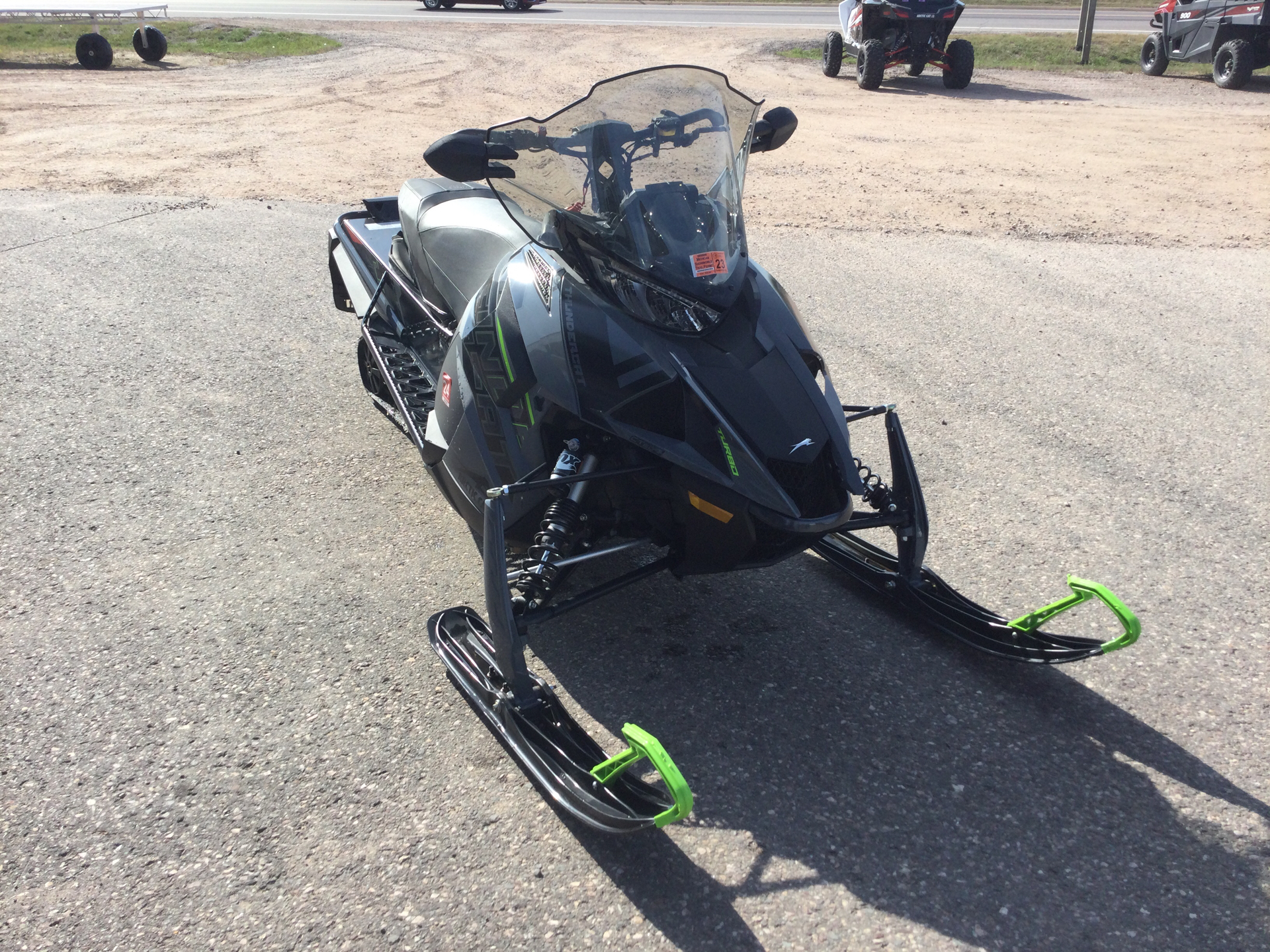
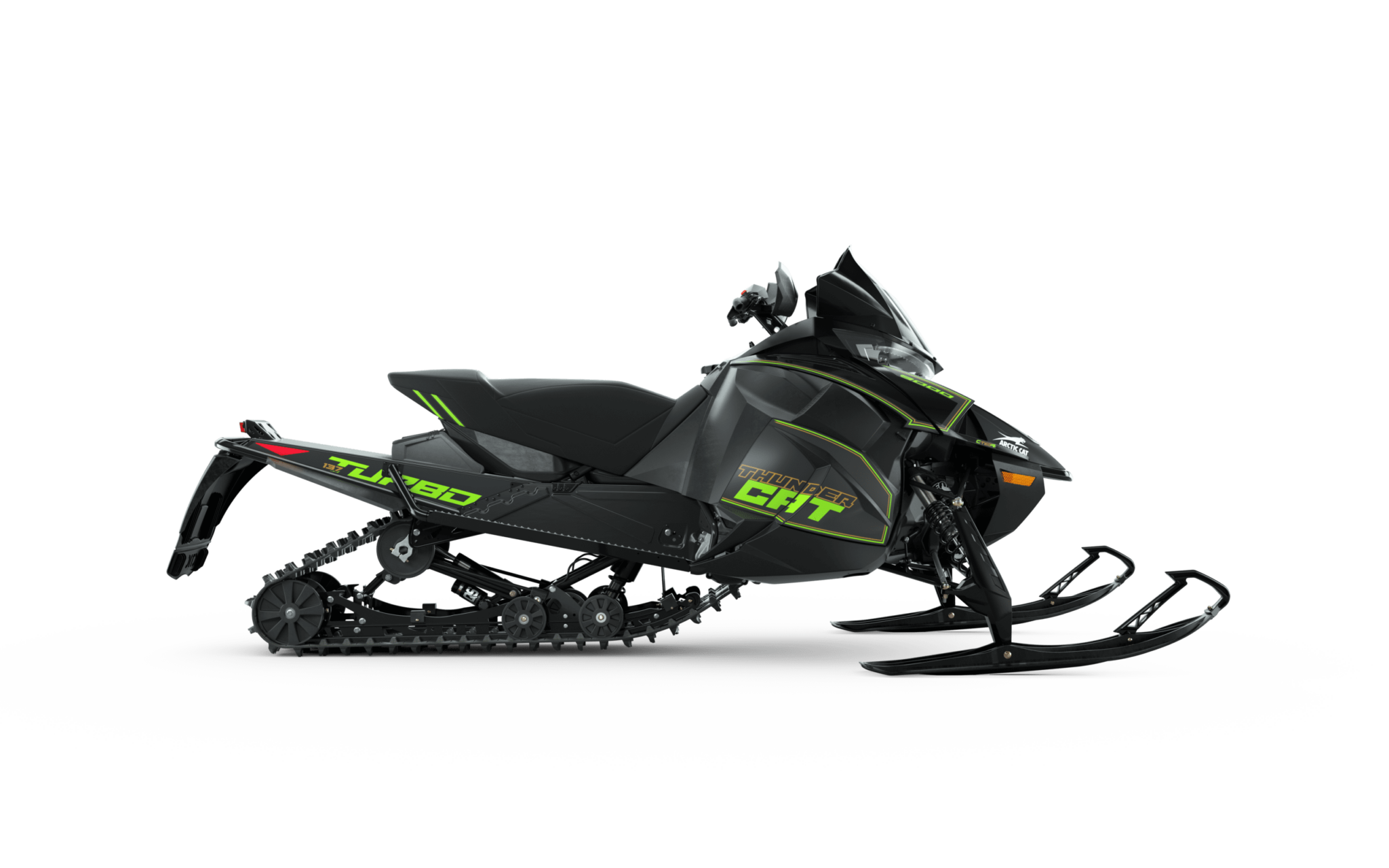
The ZR 9000 Thundercat is constructed around the slide-action rear suspension and the ARS II (Arctic Race Suspension) front end. While these components are primarily designed to handle high-speed trail chatter and maintain predictable handling through rough corners, their geometry directly influences high-speed stability.
At speeds approaching 120 mph, aerodynamic lift and chassis twitchiness become major safety hazards. The Thundercat weighs considerably more than lightweight 800cc two-stroke trail sleds. This additional mass—stemming from the heavy four-stroke turbo engine and robust steel-and-aluminum architecture—works to the rider's advantage during straight-line speed runs. The extra weight plants the chassis firmly, reducing the likelihood of skipping or skating across uneven ice surfaces.
Furthermore, track selection dictates how that 200-plus horsepower is planted. Most Thundercat models ship with a track featuring a moderate lug height (such as 1.0 inches to 1.25 inches) optimized for high-speed top-end performance rather than deep-snow trenching. Taller lugs create excessive wind resistance and track ballooning at high velocities, which robs top-end speed. Studding the track is common among owners who frequent lake runs; adding studs prevents track slip on glare ice, ensuring that every rotation translates into forward momentum rather than wasted friction.
Aftermarket Modifications and Tuning Potential
The C-TEC4 turbo engine is notoriously over-engineered, meaning factory components can safely handle substantial increases in power without immediate mechanical failure. This has fostered a massive aftermarket tuning ecosystem for the ZR 9000 platform.
ECU Flashing and Boost Adjustments
The simplest and most common modification for unlocking higher top speeds is an aftermarket ECU flash. By recalibrating fuel maps, ignition timing, and turbo wastegate duty cycles, tuners can safely bump stock horsepower from roughly 200 hp up to 240 or 250 hp on pump gas. Stage 1 and Stage 2 tunes allow the sled to accelerate faster and push the top speed envelope closer to the 125–130 mph range.
Gearing and Clutching Adjustments
Stock gear ratios are tailored for a balance of aggressive trail acceleration and high-end cruising. For riders looking purely for maximum radar run numbers, changing the top and bottom sprocket gears alters the final drive ratio, allowing for a higher theoretical top speed. However, this often comes at the expense of low-end punch and throttle response. Upgraded clutch kits with adjustable weights and stiffer springs ensure that the belt does not slip under the massive torque curve generated by a tuned turbo engine.
Operational Limitations and Safety Considerations
Pushing a snowmobile to 120 mph and beyond introduces extreme mechanical and physical risks. Before attempting high-speed runs, operators must account for several critical safety variables:
- Heat Management: Four-stroke turbo engines generate immense heat. Extended wide-open throttle (WOT) runs on hard-packed snow or glare ice reduce the snow spray required to cool the heat exchangers. Operators must monitor coolant temperatures carefully to prevent overheating.
- Drivetrain Stress: At 120 mph, drive belts are subjected to immense centrifugal forces. Belt failure at high speed can shred composite side panels, damage the clutch guards, or wrap around the driveshaft, causing sudden and catastrophic deceleration.
- Braking Distance: Stopping a heavy, high-speed machine requires significant distance. Ice and hard-packed snow dramatically increase stopping distances. Riders must ensure they have a long, unobstructed shutdown zone before executing high-speed acceleration tests.
Frequently Asked Questions
What is the stock top speed of an Arctic Cat ZR 9000 Thundercat?
A stock Arctic Cat ZR 9000 Thundercat typically reaches a top speed of 115 to 120 mph under optimal conditions on hard-packed snow or lake ice. Real-world speeds vary based on driver weight, altitude, air temperature, and the length of the straightaway.
Is the Thundercat faster than other high-performance trail sleds?
In a straight line, the Thundercat is widely considered one of the fastest production trail sleds ever built. Its turbocharged four-stroke engine provides unmatched top-end pull and sustained high-speed acceleration compared to naturally aspirated two-stroke competitors.
Can you modify a Thundercat to go faster than 130 mph?
Yes. With aftermarket ECU flashing, upgraded fuel systems, and custom clutching, the C-TEC4 turbo engine can easily produce well over 250 horsepower. With proper gearing and traction aids like ice studs, modified Thundercats frequently exceed 130 mph in radar speed runs.
Does altitude affect the top speed of a ZR 9000?
Unlike naturally aspirated snowmobiles that lose significant horsepower at high elevations due to thinner air, the Thundercat's turbocharger compensates by adjusting boost pressure. While extreme high altitudes still introduce minor efficiency losses, the turbo platform maintains its performance advantage far better than two-stroke alternatives.
What maintenance is critical for high-speed Thundercat operation?
High-speed reliability depends heavily on regular inspection of the drive belt, clutch alignment, chaincase oil condition, and cooling system integrity. Ensuring the track tension and alignment are precisely set minimizes friction and prevents premature component wear at high velocities.
Conclusion and Final Recommendation
The Arctic Cat ZR 9000 Thundercat remains a premier choice for snowmobilers who prioritize high-horsepower engineering, effortless mid-range pull, and blistering top-end velocity. While factory models deliver a thrilling 115–120 mph experience out of the box, the robust nature of its turbocharged four-stroke platform offers substantial room for performance tuning. Riders seeking maximum velocity should prioritize proper track studding, routine cooling system checks, and high-quality drive belt maintenance to ensure safe, reliable operation at extreme speeds.
Image Gallery