Understanding Workers Compensation for Injury on a Business Trip in Hawaii
If you are injured while on a business trip in Hawaii, you are generally covered by workers’ compensation, provided the injury arose out of and in the course of your employment. Under Hawaii’s labor laws, employees are typically protec...
If you are injured while on a business trip in Hawaii, you are generally covered by workers’ compensation, provided the injury arose out of and in the course of your employment. Under Hawaii’s labor laws, employees are typically protected while performing job-related duties, including travel-related activities that are incidental to their employment.
Contents
Navigating the complexities of workers’ compensation law in Hawaii requires an understanding of how the state’s Department of Labor and Industrial Relations (DLIR) interprets "course and scope" of employment during travel. Hawaii law is protective of employees, but the specific circumstances surrounding the injury often determine whether a claim is compensable.
The Scope of Employment During Business Travel
The foundational principle of workers' compensation in Hawaii is that the injury must occur "in the course of employment." When an employee travels for business, the legal definition of "course of employment" broadens. Unlike a standard commute to a local office, a business trip involves the employee being away from their home, which creates a continuous status of employment for the duration of the trip, excluding significant personal deviations.
The "Continuous Coverage" Rule
In many jurisdictions, including Hawaii, the "traveling employee" rule dictates that an employee is considered to be in the course of employment from the moment they leave home until they return, provided the primary purpose of the trip is business. This means that activities reasonably expected of a traveler—such as eating meals, sleeping in a hotel, and traveling between the hotel and the business site—are often covered.
Defining Personal Deviation
The primary challenge in these cases is the "personal deviation" exception. If an employee engages in a purely personal activity that is not incidental to the business trip, and an injury occurs, the claim may be denied. For example, if an employee travels to Honolulu for a conference but sustains an injury while on a personal excursion to a remote hiking trail completely unrelated to the business trip or necessary travel arrangements, the injury may be deemed outside the scope of employment.
Eligibility and Filing Requirements
To receive benefits, you must meet the statutory requirements set forth by the Hawaii DLIR. The process is not automatic; it requires documentation, timely reporting, and medical validation.
Reporting the Injury
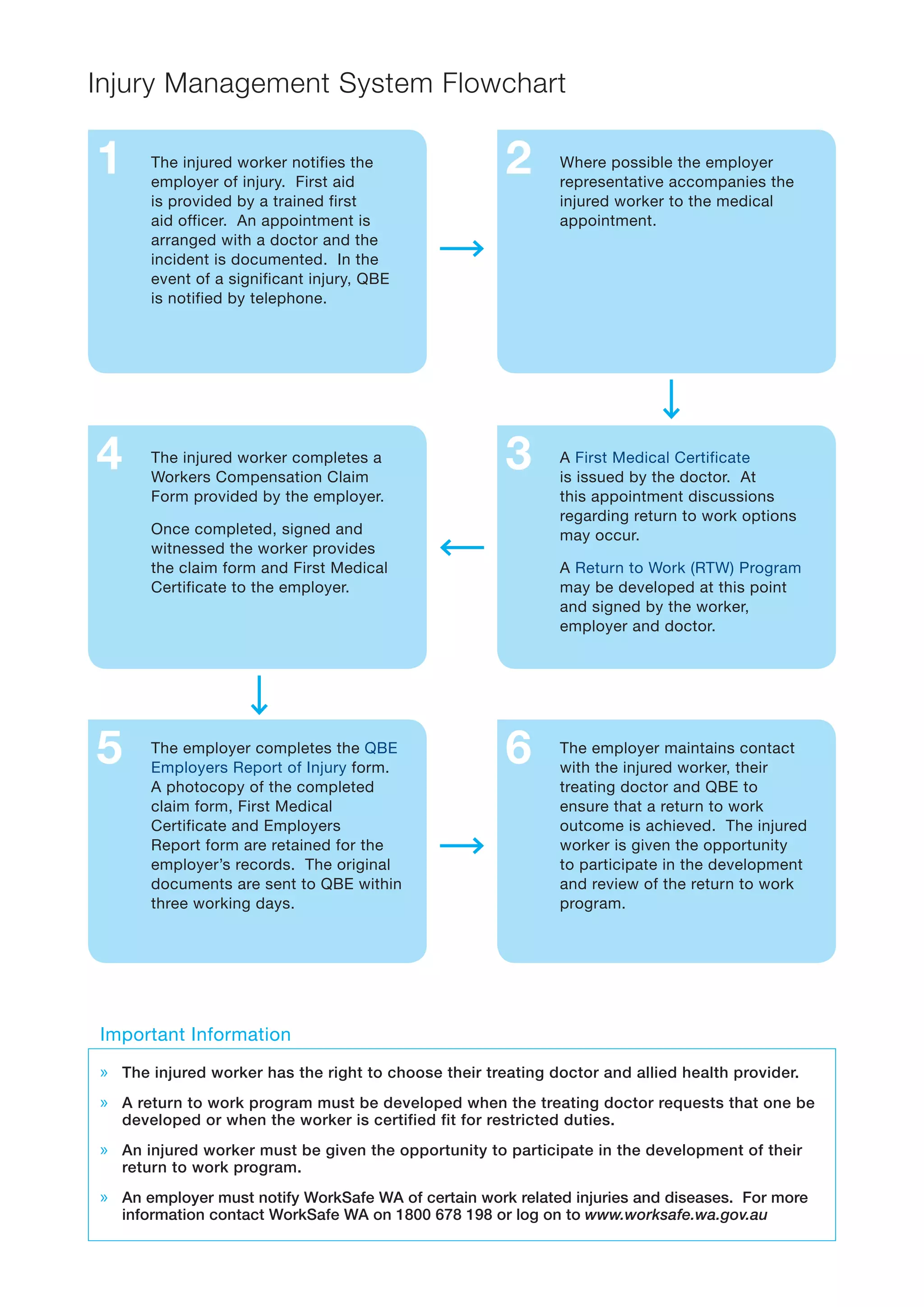
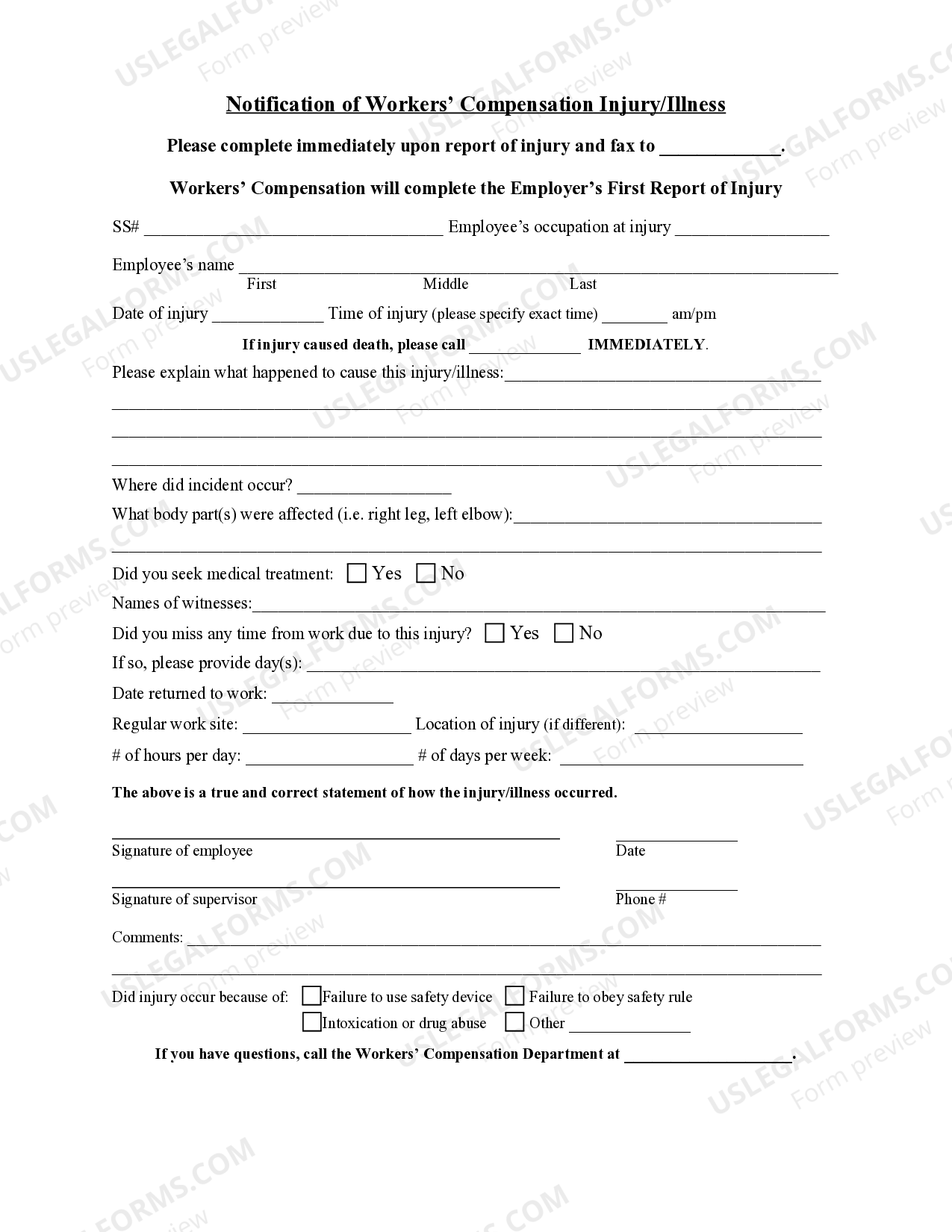
Under Hawaii law, you must report your injury to your employer as soon as possible. Delaying notification can jeopardize your claim. It is recommended to provide this notice in writing, detailing the time, date, and circumstances of the accident. Your employer is then required to file a report (Form WC-1) with the Disability Compensation Division of the DLIR.
Medical Evaluation
You have the right to choose your own physician, provided that the physician is licensed to practice in Hawaii. The doctor will play a critical role in your claim by providing a medical report that confirms the injury is work-related. This report is used to determine your eligibility for:
- Medical Expenses: Coverage for all reasonable and necessary medical care related to the injury.
- Temporary Total Disability (TTD): Wage replacement benefits if you are unable to work during your recovery.
- Permanent Partial/Total Disability: Benefits if the injury results in a lasting impairment.
Factors Influencing Compensability
Determining whether an injury is compensable involves analyzing several variables. The following table summarizes how different travel-related scenarios are generally viewed under Hawaii law.
| Scenario | General Compensability | Considerations |
|---|---|---|
| Traveling to/from the airport | Compensable | Considered a necessary part of the business trip. |
| Dining at a restaurant | Usually Compensable | Eating is a basic necessity incidental to travel. |
| Hotel-related accidents | Usually Compensable | Being on the premises for rest is a normal travel activity. |
| Side trips for personal tourism | Rarely Compensable | Represents a departure from the business purpose. |
| Participating in organized social events | Often Compensable | If the event is employer-sponsored or required. |
Legal Limitations and Professional Guidance
It is important to recognize that workers' compensation is a "no-fault" system. You do not need to prove that your employer was negligent to receive benefits. However, this also means you generally cannot sue your employer in civil court for the injury.
Third-Party Claims
If your injury was caused by a third party—for instance, if you were injured in a car accident while using a ride-share service during your trip—you might have grounds for a personal injury lawsuit against that third party in addition to your workers’ compensation claim. This is a complex legal area, and the proceeds from a third-party settlement may interact with your workers' compensation benefits through a process known as subrogation.
Professional Advice Limitation
This information is provided for educational purposes and does not constitute legal advice. Laws regarding workers' compensation are subject to interpretation by the Hawaii Labor and Industrial Relations Appeals Board and the courts. If your claim is denied or you face difficulty with your employer, you should consult with a licensed attorney specializing in Hawaii workers' compensation law to discuss the specifics of your case.
Addressing Common Questions
Does the time of day affect my workers' compensation claim while traveling?
Generally, no. Because you are away from home, you are considered to be in the course of employment for most of the 24-hour cycle. However, if the injury occurs while you are off-duty and engaged in an activity that clearly falls outside the scope of "travel-related necessity," it may be contested.
What if I work for an out-of-state company but got hurt in Hawaii?
If you are a traveling employee based elsewhere but performing work in Hawaii, you may still be covered under Hawaii’s workers' compensation system, or you may be covered under your home state's policy. Hawaii law often applies if the contract of employment was made in Hawaii or if the employee is primarily based in Hawaii. You should verify your employer’s policy and check with the DLIR regarding jurisdictional coverage.
What documents should I keep after an injury?
Maintain copies of all correspondence with your employer, receipts for medical expenses, notes from your doctor, and a personal log of the trip’s itinerary. These documents serve as evidence if your claim is challenged or if you need to appeal a denial of benefits.
Can I be fired for filing a workers' compensation claim?
Hawaii law strictly prohibits retaliation against an employee for filing a workers' compensation claim. If you believe you have been terminated or demoted due to your injury or claim, you may have legal recourse under state labor regulations.
How do I appeal a denied claim?
If your employer or their insurance carrier denies your claim, you can request a hearing with the Disability Compensation Division of the Hawaii DLIR. The process involves presenting evidence and testimony to a hearing officer who will issue a decision based on the facts and the applicable statutes.
Next Steps Following an Injury
If you have sustained an injury on a business trip in Hawaii, your priority should be seeking immediate medical attention. Once stable, notify your supervisor immediately to initiate the formal reporting process. Document every aspect of the incident and subsequent care. If the employer or insurance carrier disputes the claim, contact an experienced workers' compensation attorney to review your file and represent your interests before the Hawaii Department of Labor and Industrial Relations.
Image Gallery