Is Term Life Insurance Worth It When You Have Millions in the Market
When individuals accumulate millions of dollars in the stock market, real estate, and private businesses, standard financial planning axioms often break down. Term life insurance is traditionally marketed as a fundamental tool for repl...
When individuals accumulate millions of dollars in the stock market, real estate, and private businesses, standard financial planning axioms often break down. Term life insurance is traditionally marketed as a fundamental tool for replacing lost income and covering immediate family liabilities for average-income households. However, for high-net-worth individuals, high balances in investment portfolios naturally generate liquidity, capital gains, and dividend streams that could theoretically fulfill the role of a death benefit. Evaluating whether term life insurance remains worth it at this wealth tier requires examining liquidity needs, estate tax strategies, human capital replacement, and the opportunity cost of premium payments relative to market returns.
Contents
The Core Philosophy of Life Insurance for High-Net-Worth Individuals
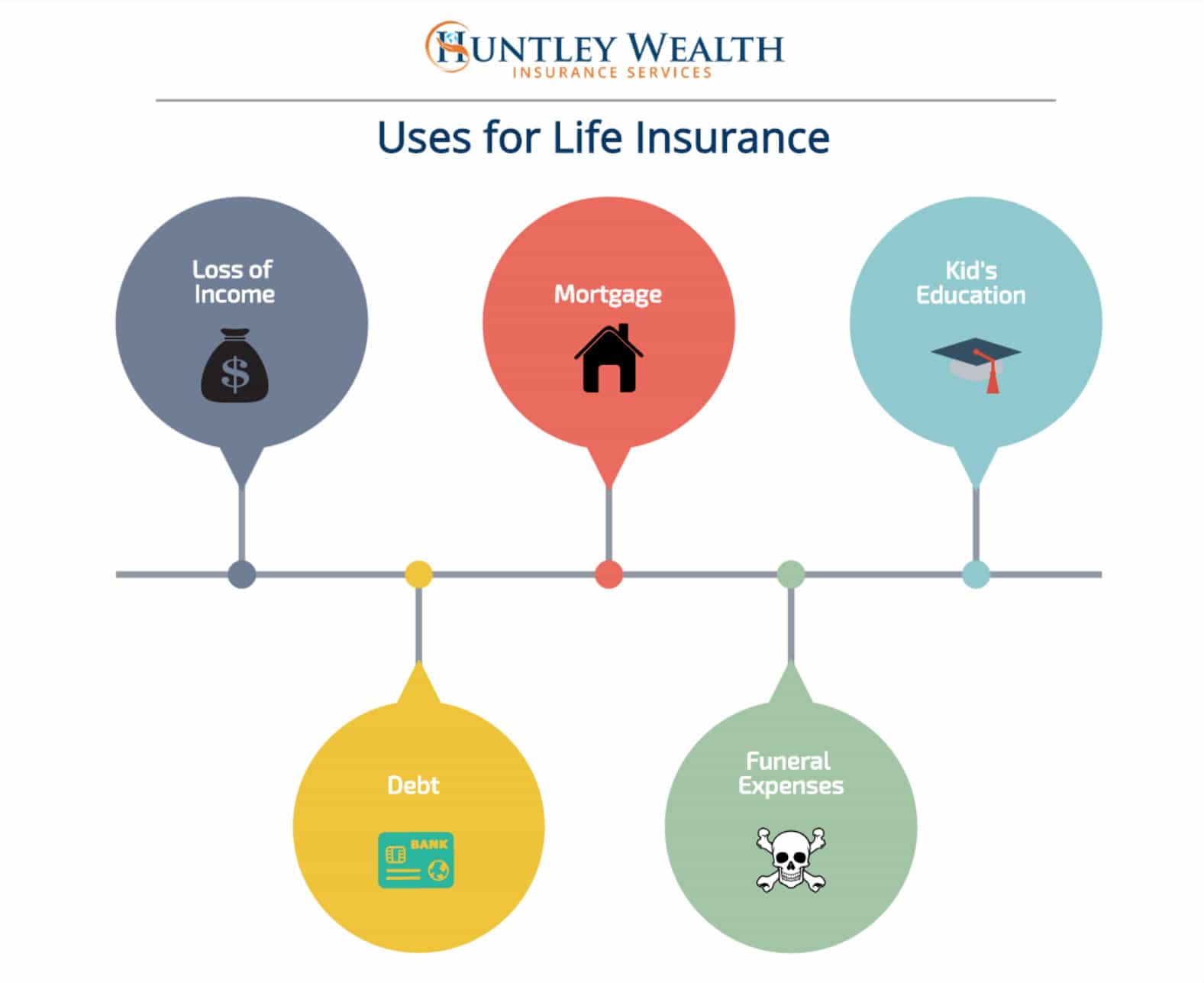
For the average earner, term life insurance acts as a financial safety net. If a primary wage earner dies unexpectedly, the payout replaces decades of future earnings, ensuring dependents can pay a mortgage, fund education, and maintain basic living standards.
When a household possesses millions in the market, the traditional justification shifts. Liquid portfolios, brokerage accounts, and retirement assets often produce substantial passive income. A portfolio valued at $5 million generating a conservative 4 percent withdrawal rate yields $200,000 annually without touching the principal. From a purely mathematical perspective, the surviving family members may not face the income replacement dilemma that standard life insurance policies are designed to solve.
Nevertheless, wealth is not always immediately liquid, nor is it immune to market downturns. Understanding the intersection of high-net-worth portfolios and insurance mechanics requires evaluating distinct financial exposures that persist regardless of portfolio size.
Liquidity Timing and Market Volatility Risks
Even a multi-million-dollar portfolio can experience a liquidity squeeze under specific market and economic conditions.
The Sequence of Returns Risk
If an unexpected death coincides with a severe bear market—such as a 30% to 40% correction in the S&P 500—liquidating equities to cover immediate family expenses, business debts, or lifestyle maintenance forces capital realization at the absolute bottom of the market. This locking-in of losses can permanently impair the compounding potential of the portfolio.
Asset Illiquidity
A net worth of several millions does not automatically mean cash in a checking account. High-net-worth portfolios frequently feature significant allocations to:
- Private equity and venture capital funds with multi-year lock-up periods.
- Direct real estate holdings that require time to market and sell at fair value.
- Closely held business interests lacking an immediate, ready market of buyers.
Term life insurance provides an instant injection of tax-free cash upon death. This liquidity can bridge the gap during estate settlement, allowing surviving executors time to manage illiquid assets strategically rather than conducting fire sales to raise cash.
Estate Taxes and Liquidity Planning
While federal estate tax exemptions fluctuate, high-net-worth individuals often face substantial state-level estate or inheritance taxes, as well as potential federal liabilities depending on legislative changes.
When an estate exceeds statutory thresholds, the tax bill is due in cash within nine months of death. If the estate consists primarily of real estate, private business equity, or equities that the family wishes to preserve, paying a multi-million-dollar tax liability can force the liquidation of core assets.
While permanent life insurance (such as whole life or universal life) is traditionally utilized inside an Irrevocable Life Insurance Trust (ILIT) for permanent estate tax liquidity, some individuals utilize longer-term policies or convertible term insurance to bridge specific wealth accumulation phases before permanent structures are fully funded.
Human Capital Replacement Beyond Base Income
High net worth is frequently tied to ongoing high-earning potential. A corporate executive, successful entrepreneur, or specialized professional generating significant annual compensation brings distinct human capital value to a family's financial ecosystem.
| Wealth Factor | Average Income Household | High-Net-Worth Household ($M+ in Market) |
|---|---|---|
| Primary Financial Risk | Loss of basic wage earner income | Illiquidity during market downturns, estate taxes |
| Primary Insurance Role | Complete income replacement & debt clearance | Estate liquidity, business continuity, tax mitigation |
| Premium Impact | Significant portion of monthly cash flow | Negligible drag on overall portfolio yield |
| Alternative Safety Net | Minimal personal savings or emergency funds | Substantial equity portfolios, passive dividends |
Even if a portfolio stands at $3 million, if the insured individual is actively contributing $500,000 a year in active earned income that funds lifestyle, venture investments, and family goals, the sudden cessation of that income alters the financial trajectory. Term life insurance covers the gap until the portfolio reaches a terminal size where active contributions are entirely unnecessary.
Business Continuity and Partnership Protection
For individuals whose wealth is tied up in privately held businesses, term life insurance serves a dual purpose beyond personal family protection.
Buy-Sell Agreements
Co-owned businesses typically utilize buy-sell agreements funded by life insurance. If a business partner dies, the insurance payout provides the surviving partners with the immediate capital required to buy out the deceased partner's shares from their heirs. This prevents forced partnership with surviving spouses or inexperienced family members and ensures business continuity.
Key Person Insurance
If an executive or high-net-worth founder drives the core revenue of an enterprise, the sudden loss of their leadership can cause customer defection, credit contraction, and operational disruption. Term policies structured as key person insurance protect the corporate balance sheet during leadership transitions.
Evaluating the Financial Opportunity Cost
A common objection raised by wealthy investors is the opportunity cost of paying premiums. Spending thousands of dollars annually on a term policy when one could otherwise invest that capital in the market leads many to ask if self-insuring is the more rational financial choice.
The Math of Term Premiums vs. Portfolio Yield
For a healthy 40-year-old, a $2 million 20-year term policy might cost between $1,200 and $2,500 annually. For someone with millions in the market, this premium represents a fractional percentage of total asset yield. The argument that "insurance is a bad investment because term policies do not build cash value" misses the core function of insurance: it is a risk management tool, not an asset class.
Comparing term insurance to market returns is akin to comparing homeowners insurance to the returns of a real estate portfolio. You do not purchase term insurance to beat the S&P 500; you purchase it to hedge against catastrophic tail risks during your prime wealth-building and family-raising years.
Common Missteps in High-Net-Worth Insurance Planning
High-net-worth individuals and their advisory teams occasionally miscalculate insurance requirements by falling into specific traps:
- Over-relying on corporate group life insurance: Relying solely on employer-provided group life policies leaves families vulnerable if the executive changes jobs, retires, or if the company restructures. These policies are rarely sufficient for comprehensive high-net-worth protection.
- Ignoring insurability windows: Delaying policy acquisition because current net worth is high ignores the reality that health conditions can change rapidly. Securing a policy locks in insurability while health is optimal.
- Failing to coordinate with estate planning attorneys: Purchasing term policies without integrating them into an overarching estate plan can inadvertently trigger estate tax inclusion if ownership and beneficiary designations are improperly structured.
Frequently Asked Questions
Is term life insurance necessary if my portfolio generates enough passive income to support my family?
If your passive income entirely covers your family's lifetime spending requirements under conservative withdrawal assumptions, pure income-replacement insurance is largely redundant. However, term insurance may still be worth keeping if you face concentrated estate taxes, illiquid business assets, or active earned income that you wish to protect against sequence-of-returns risk.
Can term life insurance help pay estate taxes for a high-net-worth estate?
Term insurance can provide temporary liquidity for estate taxes, though permanent life insurance structured within an Irrevocable Life Insurance Trust (ILIT) is more commonly deployed for long-term estate tax planning. Term policies are useful if the estate's liquidity shortfall is expected to shrink over time as assets are liquidated or gifted.
What happens if I outlive my term life insurance policy?
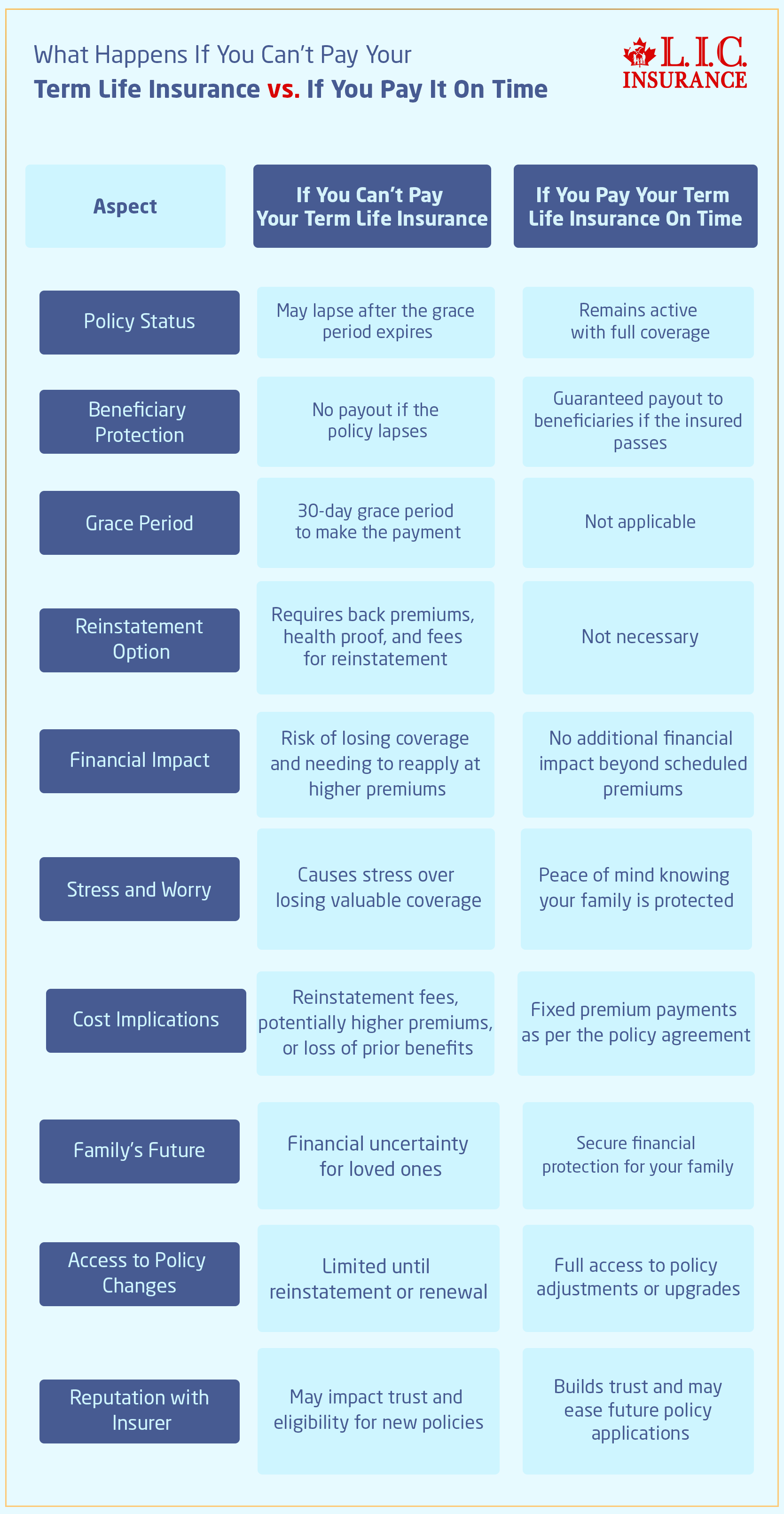
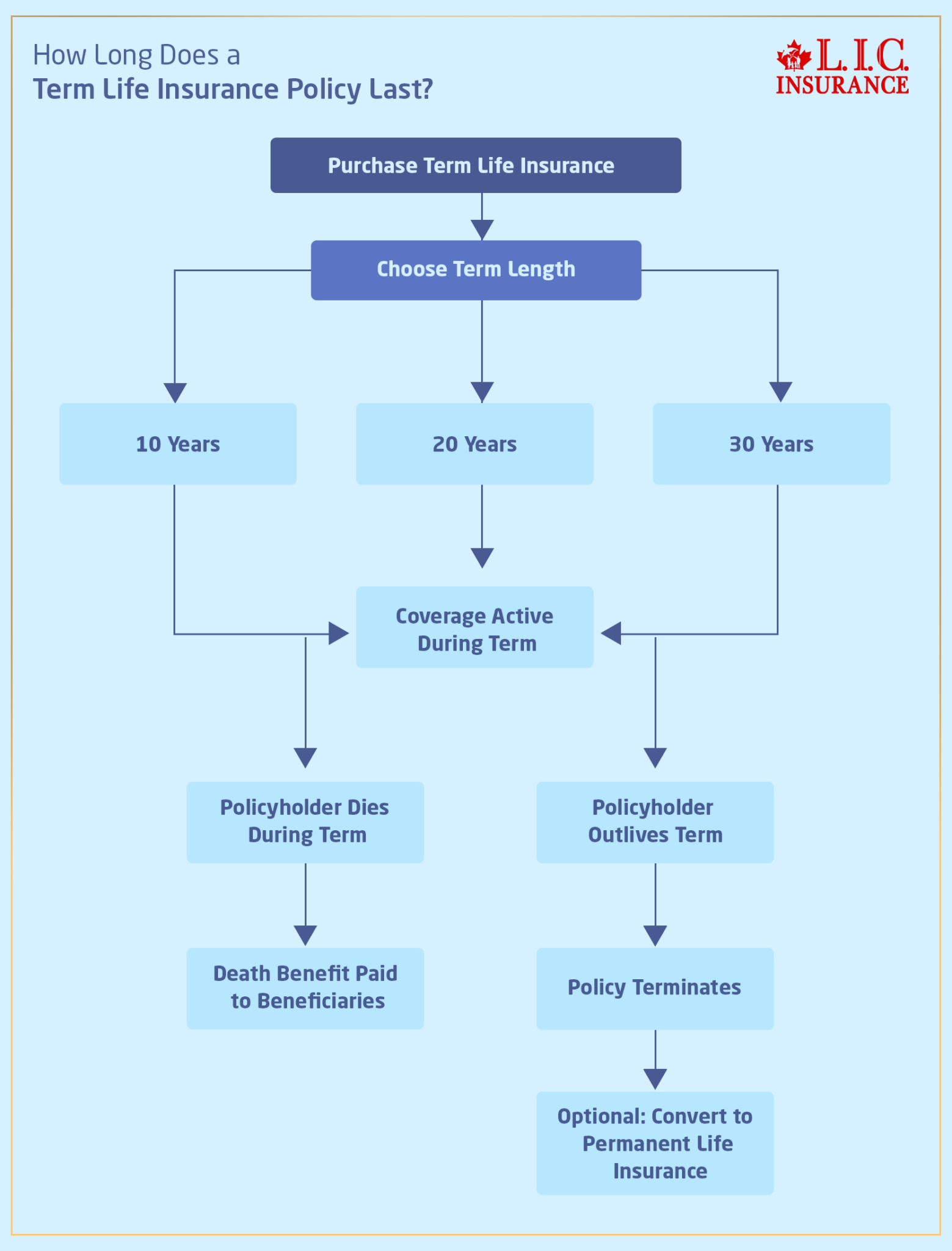
Term life insurance is designed to expire after a set period (e.g., 10, 20, or 30 years). If you outlive the term and your portfolio has successfully grown to the point where your family is fully self-insured, the policy simply lapses without payout, functioning similarly to auto or homeowners insurance that was never triggered.
Are term insurance payouts taxable for high-net-worth beneficiaries?
Generally, life insurance death benefits are received income-tax-free by the beneficiaries under Internal Revenue Code Section 101(a). However, if the policy is owned improperly (such as directly by the insured individual rather than an ILIT or trust structure), the proceeds may be included in the gross estate for estate tax purposes.
Should high-net-worth individuals ever choose permanent insurance over term?
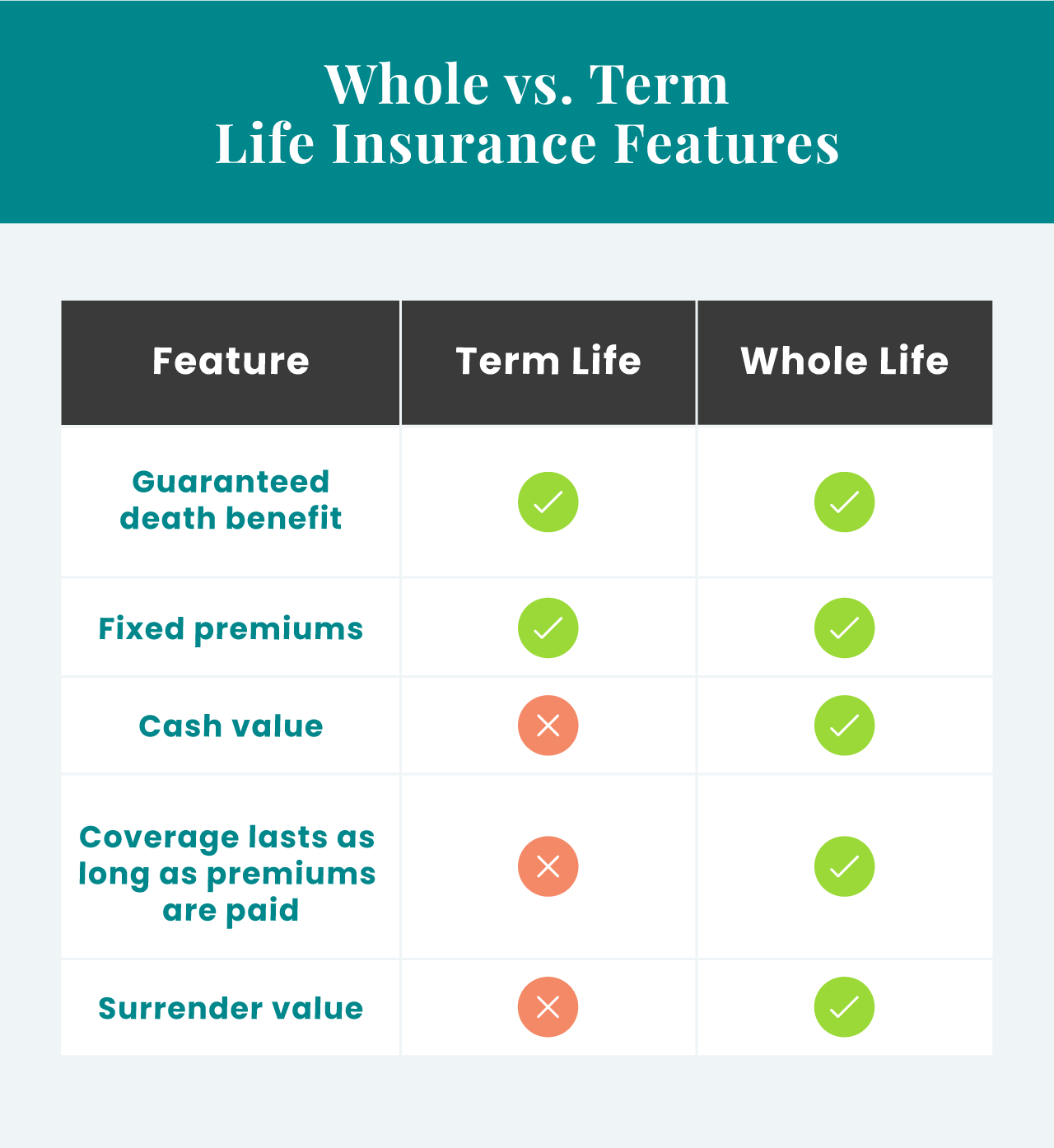
Permanent insurance (such as whole or universal life) is often utilized by high-net-worth individuals for estate liquidity, wealth transfer, and cash-value accumulation strategies. Term insurance remains distinct, serving as a low-cost, temporary hedge against specific liabilities rather than a permanent wealth-building vehicle.
Next Actions for Wealthy Investors
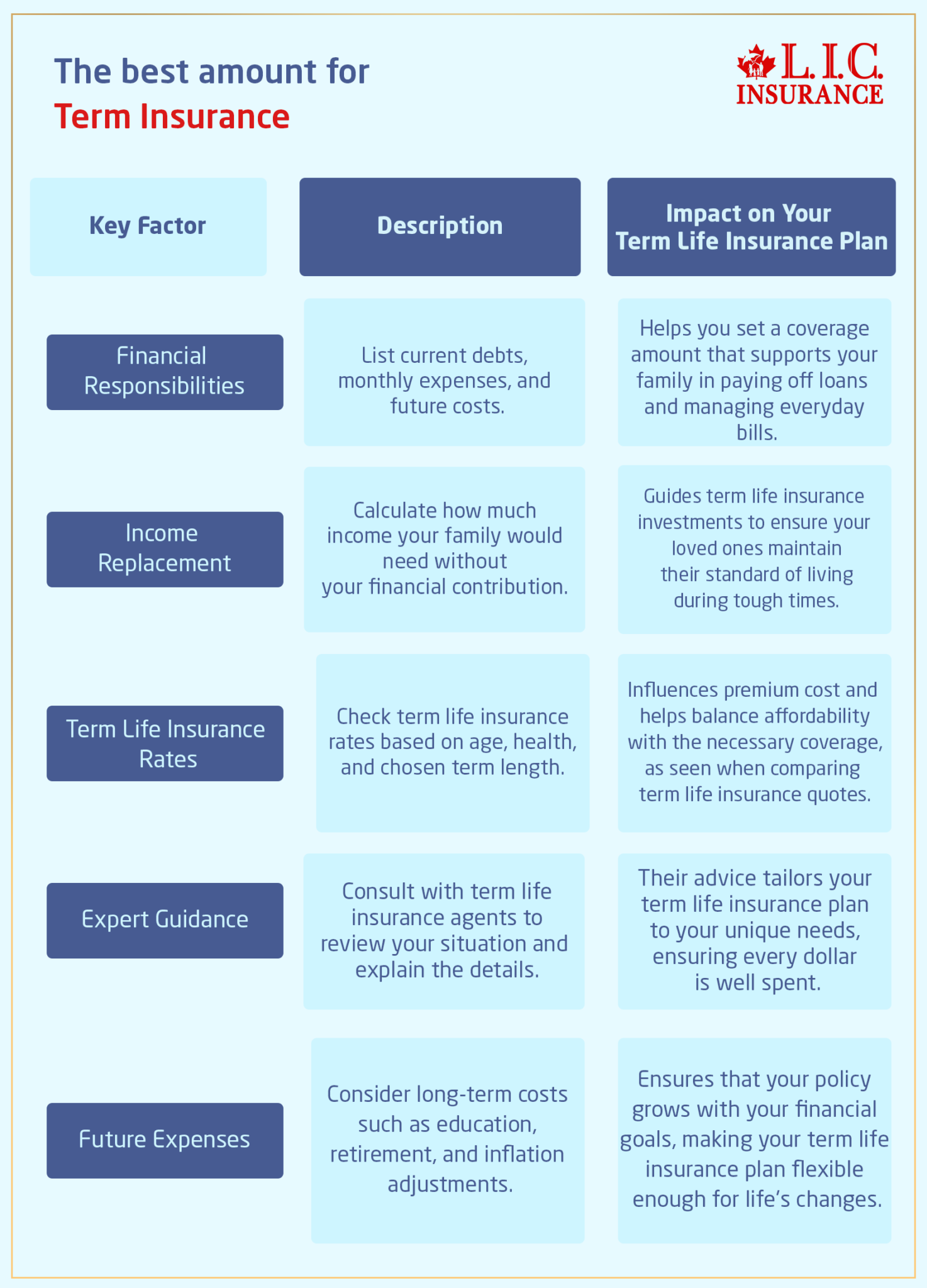
Determining whether term life insurance is worth maintaining or acquiring when you have millions in the market requires a holistic review alongside a certified financial planner, estate attorney, or specialized insurance consultant. Conduct an asset audit to distinguish between genuinely liquid market holdings and illiquid alternative investments. Review your current liabilities, upcoming estate tax exposures, and business continuity agreements. If your portfolio can comfortably withstand sudden liquidation pressures and your dependents face no cash-flow vulnerabilities upon your death, self-insuring is a viable path. If gaps remain in liquidity timing, tax mitigation, or asset protection, a cost-effective term policy can provide an efficient financial backstop.
Image Gallery