How to Check Money in Bank Account and Avoid Fees
Checking your bank account balance and monitoring transaction history regularly helps maintain financial health, yet many consumers accidentally trigger unexpected charges in the process. By understanding the various methods available...
Checking your bank account balance and monitoring transaction history regularly helps maintain financial health, yet many consumers accidentally trigger unexpected charges in the process. By understanding the various methods available to review your funds—such as mobile apps, online portals, ATMs, and telephone banking—you can track your finances effortlessly while bypassing monthly maintenance fees, out-of-network ATM surcharges, and overdraft penalties.
Contents
Understanding Your Banking Dashboard and Access Methods
Modern banking offers numerous ways to check how much money you have in your account. Choosing the right method depends on your location, technical comfort level, and the specific rules enforced by your financial institution. Traditional brick-and-mortar banks, credit unions, and digital-only fintech platforms all provide distinct access points, each carrying its own set of potential fee structures.
Mobile Banking Apps
Mobile applications provided by financial institutions represent the fastest and most convenient method for monitoring balances. Once authenticated via a secure password, face recognition, or fingerprint scanner, users gain immediate access to their checking and savings portfolios. However, users must remain mindful of security risks, such as using public Wi-Fi networks without a virtual private network (VPN), which can expose login credentials. Furthermore, some legacy institutions may charge alert fees for real-time text notifications, though most modern apps offer push notifications for free.
Online Banking Portals
Accessing your bank account through a desktop or laptop web browser provides a larger interface for reviewing detailed statements, downloading tax documents, and analyzing spending categories. To safeguard your money, always verify that the browser URL begins with "https://" and displays a padlock icon indicating a secure connection. Online portals are particularly useful for exporting transaction data into spreadsheet software for comprehensive household budgeting.
ATMs and Telephone Banking
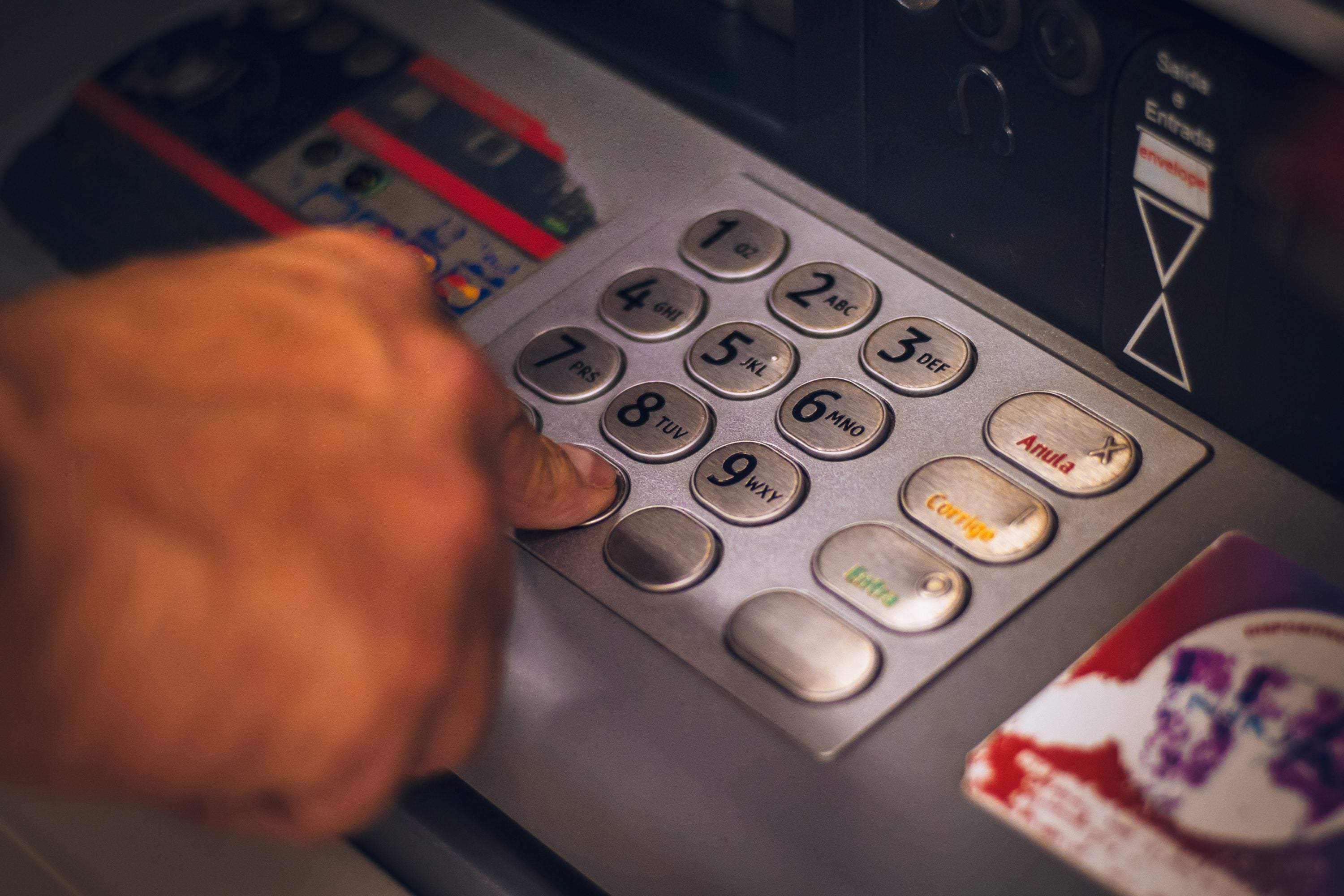
Automated Teller Machines (ATMs) and interactive voice response (IVR) phone systems offer alternative pathways to verify your funds without an internet connection. While convenient, these channels present significant fee exposure. Using an out-of-network ATM frequently triggers two separate charges: a fee assessed by the machine operator and an out-of-network fee charged by your own bank. Similarly, automated telephone balance inquiries are generally free, but speaking directly with a live customer service representative for routine balance checks may incur a service fee at certain institutions.
Comprehensive Strategies to Avoid Common Bank Fees
Bank fees can quietly erode your savings over time if you do not actively manage your account parameters. Financial institutions generate substantial revenue from penalty charges, but consumers can easily bypass these costs by adopting proactive habits and understanding account agreements.
1. Maintain Minimum Balance Requirements
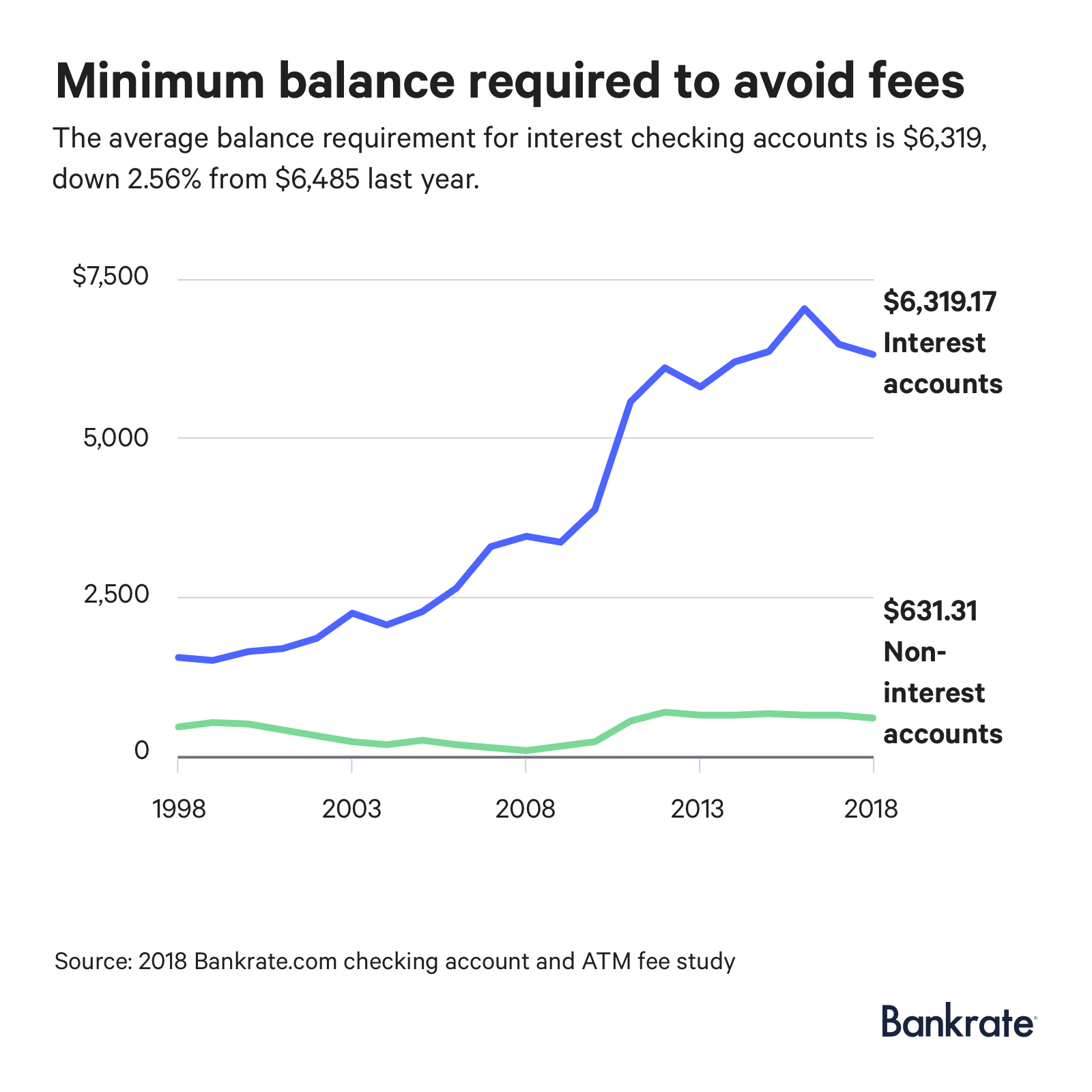
Many traditional checking accounts waive their monthly maintenance fees only if your daily balance or average monthly balance stays above a specified threshold—often ranging from $500 to $1,500. Alternatively, banks frequently waive these fees if you set up a qualifying direct deposit, such as a payroll or government benefit deposit, of a minimum dollar amount each month. Review your account's fee schedule carefully to ensure you meet at least one waiver criterion.
2. Navigate ATM Networks Wisely
To avoid paying unnecessary ATM fees, use your bank's proprietary ATM locator tool or mobile app to find fee-free machines. Many regional and national banks participate in shared ATM networks (such as Allpoint or MoneyPass) that allow fee-free withdrawals and balance inquiries. When traveling or facing an emergency, consider getting cash back at a grocery store checkout counter using a debit card, which typically incurs no fee compared to using a random standalone ATM.
3. Prevent Overdraft and Non-Sufficient Funds (NSF) Fees
Overdraft fees occur when you spend more money than you have in your checking account, and the bank covers the transaction. Under federal regulations and bank policies, you must explicitly opt-in to overdraft coverage for debit card purchases and ATM withdrawals. If you do not opt-in, transactions exceeding your balance are simply declined at no cost.
| Fee Type | Average Cost | How to Avoid It |
|---|---|---|
| Monthly Maintenance Fee | $10 to $25 per month | Maintain minimum balance or setup direct deposit |
| Out-of-Network ATM Fee | $2.50 to $5.00 per transaction | Use in-network ATMs or cash back at retail stores |
| Overdraft Fee | $30 to $38 per transaction | Opt out of debit overdrafts, link a backup savings account |
| Paper Statement Fee | $2.00 to $5.00 per month | Enroll in paperless e-statements |
Comparing Account Types for Low-Fee Checking
Selecting the right financial product is vital for minimizing costs. The table below compares traditional brick-and-mortar checking accounts, online-only banking platforms, and credit union accounts based on common fee catalysts.
| Feature / Fee Category | Traditional Banks | Online Banks / Fintech | Credit Unions |
|---|---|---|---|
| Monthly Maintenance | Common, requires direct deposit or balance minimum to waive. | Rare; most offer zero-fee digital checking. | Rare; often lower balance thresholds to waive. |
| Minimum Opening Deposit | Usually $25 to $100. | Often $0 to $25. | Usually $5 to $25 (plus share savings). |
| ATM Access | Proprietary branch network; extensive fees outside network. | Often reimburses third-party ATM fees nationwide. | Participates in shared branching and fee-free ATM networks. |
| Customer Support | Physical branches plus phone and chat. | Phone, email, and in-app chat only. | Local branches plus phone and digital support. |
Frequently Asked Questions
Does checking my bank account balance cost money?
No, checking your account balance through official mobile apps, online portals, or automated phone lines is free of charge at the vast majority of financial institutions. However, checking your balance at an out-of-network ATM may trigger a balance inquiry fee imposed by the machine operator.
How can I stop paying monthly bank account fees entirely?
You can eliminate monthly account fees by switching to a credit union or an online-only bank that does not charge maintenance fees. If you prefer your current traditional bank, review the fee disclosure agreement to ensure you meet the criteria for a fee waiver, such as maintaining a specific minimum daily balance or receiving a monthly direct deposit.
What is the difference between available balance and current balance?
Your current balance reflects the total amount of money in your account at the end of the previous business day, plus or minus settled transactions. Your available balance is the current balance minus any pending debit card charges, holds, or pending deposits that have not yet fully cleared the banking clearinghouse network. Always rely on your available balance to avoid accidental overdrafts.
Are paper statements subject to extra charges?
Many traditional and online banks charge a paper statement fee—ranging from $2 to $5 per month—if you choose to receive physical monthly statements by mail. To avoid this unnecessary expense, log into your online banking dashboard and opt into paperless e-statements.
What should I do if I notice an unauthorized fee on my account?
If you spot an unfamiliar maintenance, ATM, or overdraft fee on your statement, contact your bank's customer service department immediately. Many institutions will issue a one-time courtesy refund for a fee if you have a strong account history, provided you request the reversal promptly.
Recommended Next Steps
To protect your hard-earned money, log into your primary bank account portal or mobile application today and review your recent fee statements. Switch your settings to paperless statements, opt out of debit card overdraft coverage if you prefer declined transactions over penalty fees, and set up low-balance text alerts to keep your finances secure and fee-free.
Image Gallery