Walt Disney's Stance on LGBTQ+ Issues: History, Evolution, and Corporate Policy
Walt Disney’s stance on LGBTQ+ issues spans nearly a century, reflecting a profound evolution from the deeply conservative, traditional values of the company's founder in the mid-20th century to a modern corporate framework that active...
Walt Disney’s stance on LGBTQ+ issues spans nearly a century, reflecting a profound evolution from the deeply conservative, traditional values of the company's founder in the mid-20th century to a modern corporate framework that actively engages with LGBTQ+ representation, employee advocacy, and sociopolitical activism. While Walt Disney himself operated within an era of rigid studio morality codes and left no direct public commentary on homosexuality, the multinational media conglomerate bearing his name has navigated a complex path involving employee benefits, inclusive media representation, legislative battles, and cultural debates.
Contents
Understanding this subject requires examining the historical context of the studio under Walt Disney, the corporate shifts of the late 20th century, the expansion of LGBTQ+ themes in modern media content, and recent public policy clashes that have thrust the company into the center of national political discourse.
Historical Context: The Studio Under Walt Disney (1923–1966)
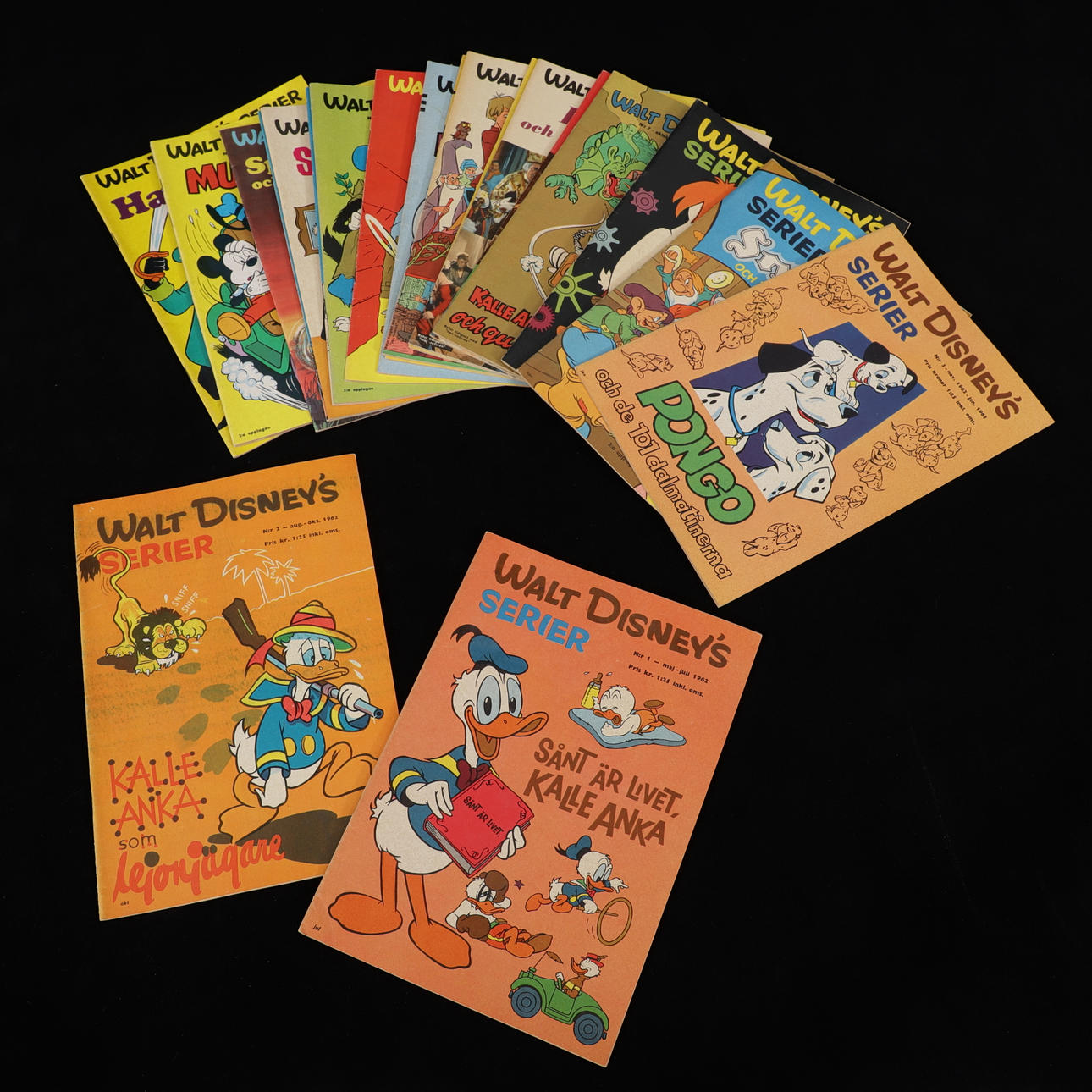
During the life of Walt Disney and his direct oversight of the Walt Disney Productions studio, mainstream Hollywood operated under the Motion Picture Production Code (commonly known as the Hays Code). Enforced strictly from 1934 until the late 1960s, this industry-wide censorship guideline prohibited any depiction of "sex perversion," which explicitly included homosexuality.
As a reflection of mid-century American cultural norms and studio self-preservation, Disney films focused heavily on nuclear family structures, traditional romantic tropes, and wholesome entertainment. Walt Disney himself was politically conservative, a founding member of the anti-communist Motion Picture Alliance for the Preservation of American Ideals, and intensely focused on maintaining a family-friendly brand image.
- The Production Code Era: Content produced by the studio strictly adhered to Hays Code restrictions, meaning explicit or implicit LGBTQ+ themes were entirely absent from animated features and live-action films alike.
- Corporate Culture: The corporate culture of early Disney was paternalistic and traditional, emphasizing Midwestern values, patriotism, and conservative social structures.
- Absence of Public Record: Walt Disney never issued public statements or corporate policies regarding gay rights or homosexuality, as the topic was largely absent from mainstream corporate discourse during his lifetime.
The Post-Walt Era and Early Corporate Shifts (1970s–1990s)
Following Walt Disney's death in 1966 and the eventual arrival of new leadership under CEO Michael Eisner in 1984, the company began to modernize its operational policies, albeit cautiously. The late 1980s and 1990s marked the beginning of organized engagement between the company and the LGBTQ+ community.
Gay Days at Disneyland
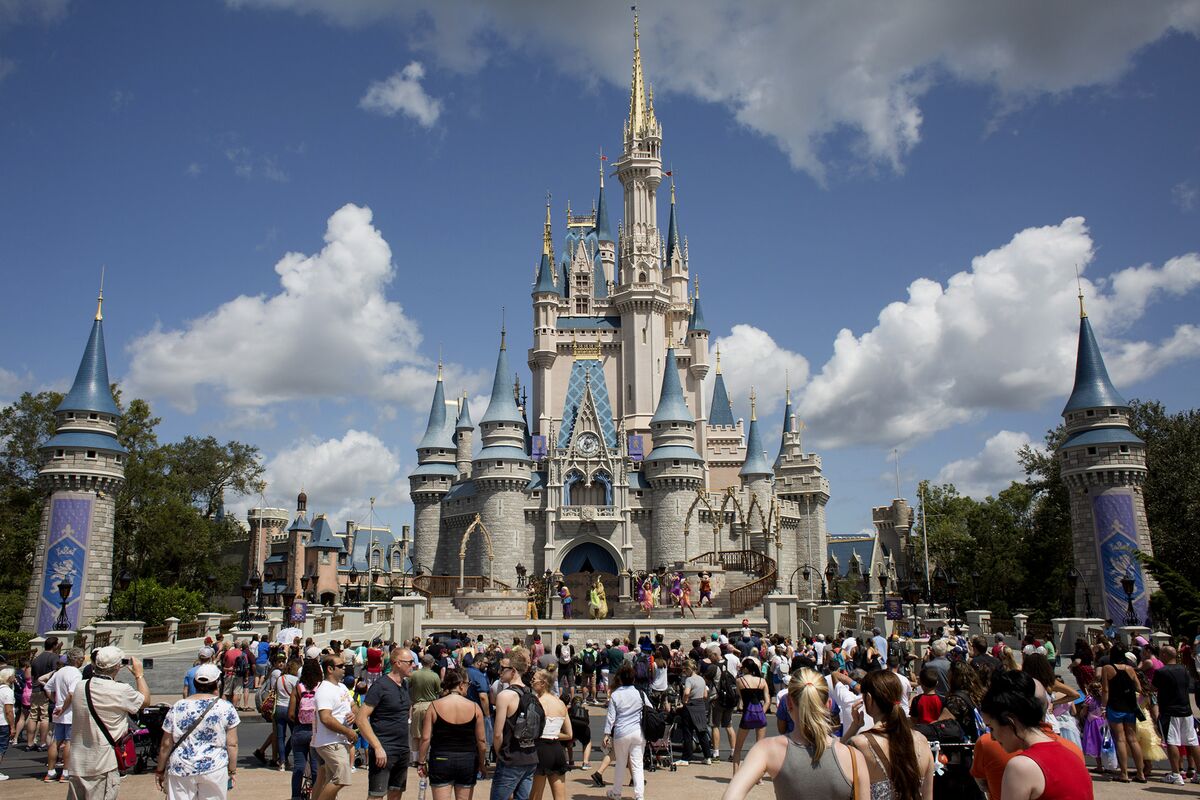
Beginning in 1991, an independent, unofficial event known as "Gay Days" began taking place at Disneyland in Anaheim, California. On a designated day, LGBTQ+ visitors would wear red shirts to signify visibility.
Initially, the corporate response from Disney management was resistant and unaccommodating. Management did not officially endorse the event, and some park operations attempted to discourage participation. However, as the event grew into tens of thousands of attendees annually, Disney shifted toward a neutral acknowledgment, treating it as regular park attendance while maintaining its core brand positioning.
Domestic Partner Benefits
A major milestone in corporate policy occurred in the mid-1990s. Spurred by employee resource groups and broader corporate movements in California, The Walt Disney Company became one of the first major media conglomerates to extend health insurance and other benefits to the domestic partners of its LGBTQ+ employees in 1995. This decision drew sharp criticism and boycotts from conservative religious organizations, notably the American Family Association, which targeted Disney parks and films for several years. Despite the backlash, leadership maintained the policy, establishing a precedent for progressive corporate HR standards within the entertainment sector.
Evolution of LGBTQ+ Representation in Disney Media
As societal acceptance shifted toward the end of the 20th century and into the 21st century, Disney's creative divisions—including Walt Disney Animation Studios, Pixar, Marvel Studios, Lucasfilm, and Disney Television Animation—began introducing LGBTQ+ characters and storylines into their productions.
This integration was gradual and often met with internal creative friction, external censorship challenges in international markets, and polarized audience reactions.
| Era / Decade | Media Segment | Nature of LGBTQ+ Representation | Notable Examples |
|---|---|---|---|
| 1990s–2000s | Live-Action / Television | Subtextual or minor recurring characters in adult-oriented sitcoms | Characters on Touchstone Pictures or ABC network shows (e.g., Ellen) |
| 2010s | Disney Channel Animation | First explicit coming-out narratives and secondary characters | Gravity Falls, Star Butterfly, Andi Mack |
| 2020s | Feature Animation & Streaming | Explicit main or supporting characters, open dialogue, and non-binary casting | Onward, Strange World, Lightyear, The Owl House |
Television Milestones
Disney Channel and Disney XD played a pioneering role in children's television programming for the company. Shows like Good Luck Charlie (2014) featured a same-sex couple in a minor guest role, marking a first for the network. By 2017, the Disney Channel series Andi Mack featured a main character navigating a coming-out storyline. Creator-driven animation series such as The Owl House on Disney Channel featured explicitly queer protagonists and openly explored LGBTQ+ romantic relationships.
Feature Films and Global Markets
Integrating LGBTQ+ characters into major theatrical releases—such as Pixar’s Onward (2020) and Lightyear (2022), or Marvel Studios' Eternals (2021)—proved more complex due to international censorship laws. Several countries in the Middle East, Southeast Asia, and parts of Eastern Europe restricted or banned films featuring same-sex affection or dialogue. Disney's willingness to edit certain scenes for specific regional markets while keeping them intact in Western releases generated criticism from both progressive advocates (who argued against self-censorship for profit) and conservative groups (who opposed the inclusion entirely).
Legislative Clashes and Recent Corporate Activism (2022–Present)
The most politically turbulent chapter in the company’s modern history unfolded in 2022 surrounding Florida’s Parental Rights in Education bill, colloquially referred to by critics as the "Don't Say Gay" bill.
The Florida Legislation Controversy
Initially, then-CEO Bob Chapek faced intense internal and external criticism for maintaining a neutral corporate stance on the legislation, which restricted classroom instruction on sexual orientation and gender identity in kindergarten through third grade.
- Employee Walkouts: The perceived reluctance of executive leadership to condemn the bill sparked employee walkouts across various Disney campuses, with staff demanding stronger advocacy for LGBTQ+ rights.
- Policy Shift: Following the backlash, Chapek publicly apologized, suspended political donations in Florida, and stated that the company’s goal was to have the legislation repealed or struck down.
- Political Retaliation: The public stance prompted the Florida state legislature and Governor Ron DeSantis to dissolve the Reedy Creek Improvement District, the special tax district that had self-governed Walt Disney World since 1967. After months of legal and legislative maneuvering, the state and Disney reached a settlement in 2024, replacing the district with a state-appointed oversight board while allowing Disney to continue its operations.
Following Bob Iger's return as CEO in late 2022, the company reaffirmed its commitment to inclusive storytelling and employee resource groups, while attempting to navigate the polarized cultural landscape without alienating core family demographics.
Frequently Asked Questions
Did Walt Disney have any personal views on LGBTQ+ people?
There is no public or archival record of Walt Disney expressing personal views, policies, or commentary regarding homosexuality. During his lifetime, the subject was considered taboo in mainstream public discourse and was strictly barred from Hollywood studio productions by the Hays Code.
When did Disney start offering benefits to same-sex couples?
The Walt Disney Company introduced health insurance and employment benefits for domestic partners of LGBTQ+ employees in 1995. This made it one of the early major media corporations to institute such policies, despite facing organized boycotts from conservative advocacy groups at the time.
How does Disney handle LGBTQ+ content in international markets?
Disney balances its creative output with local censorship laws in international territories. In some cases, the studio has made minor edits or localized cuts to films to comply with censorship requirements in countries where public displays of same-sex relationships are restricted, though this practice has drawn scrutiny from media critics and advocates.
What was the outcome of Disney's dispute with Florida over the "Don't Say Gay" bill?
The public dispute led to the dissolution of Disney's special tax district, Reedy Creek, and its replacement with a state-supervised board. Following legal battles, Disney and the state reached a settlement agreement in March 2024, ending pending lawsuits and establishing a new working framework for the resort property's municipal services.
Are LGBTQ+ themes present in Disney animated films?
Yes. Over the past decade, Disney has increasingly included LGBTQ+ characters, references, and romantic relationships in theatrical animated releases from studios like Pixar and Walt Disney Animation Studios, as well as serialized programming on Disney+ and Disney Channel.
Conclusion and Next Actions
Walt Disney's stance on LGBTQ+ issues has evolved from a mid-century corporate posture of strict silence and compliance with industry censorship codes to a modern operational framework defined by inclusive human resources policies and diverse media representation. While internal employee advocacy and external sociopolitical pressures continue to test corporate leadership, the company maintains its current trajectory of supporting LGBTQ+ representation within its workforce and creative output. Readers seeking further verified information can examine official corporate governance reports, investor disclosures, or academic analyses of media history and the evolution of the Hays Code.
Image Gallery