When Does The Great Food Truck Race Start in 2025?
The Great Food Truck Race Season 17 premiered on Sunday, March 16, 2024, on Food Network and streamed on Max, following a multi-city culinary expedition across the American Gulf Coast. For fans tracking subsequent releases and producti...
The Great Food Truck Race Season 17 premiered on Sunday, March 16, 2024, on Food Network and streamed on Max, following a multi-city culinary expedition across the American Gulf Coast. For fans tracking subsequent releases and production cycles, understanding the scheduling patterns, network broadcast windows, and the structure of Food Network’s competitive reality programming helps clarify how and when seasonal revamps enter the television lineup.
Contents
Television programming schedules for unscripted culinary competitions depend heavily on post-production timelines, network slate balancing, and seasonal promotional windows. While viewers often search for specific launch dates months in advance, networks routinely calibrate exact premiere timings to maximize concurrent viewership across linear cable and digital streaming environments. Examining how these operational mechanics unfold provides complete clarity on show availability, format evolution, and what participants and audiences experience during production cycles.
Understanding Food Network's Programming Windows
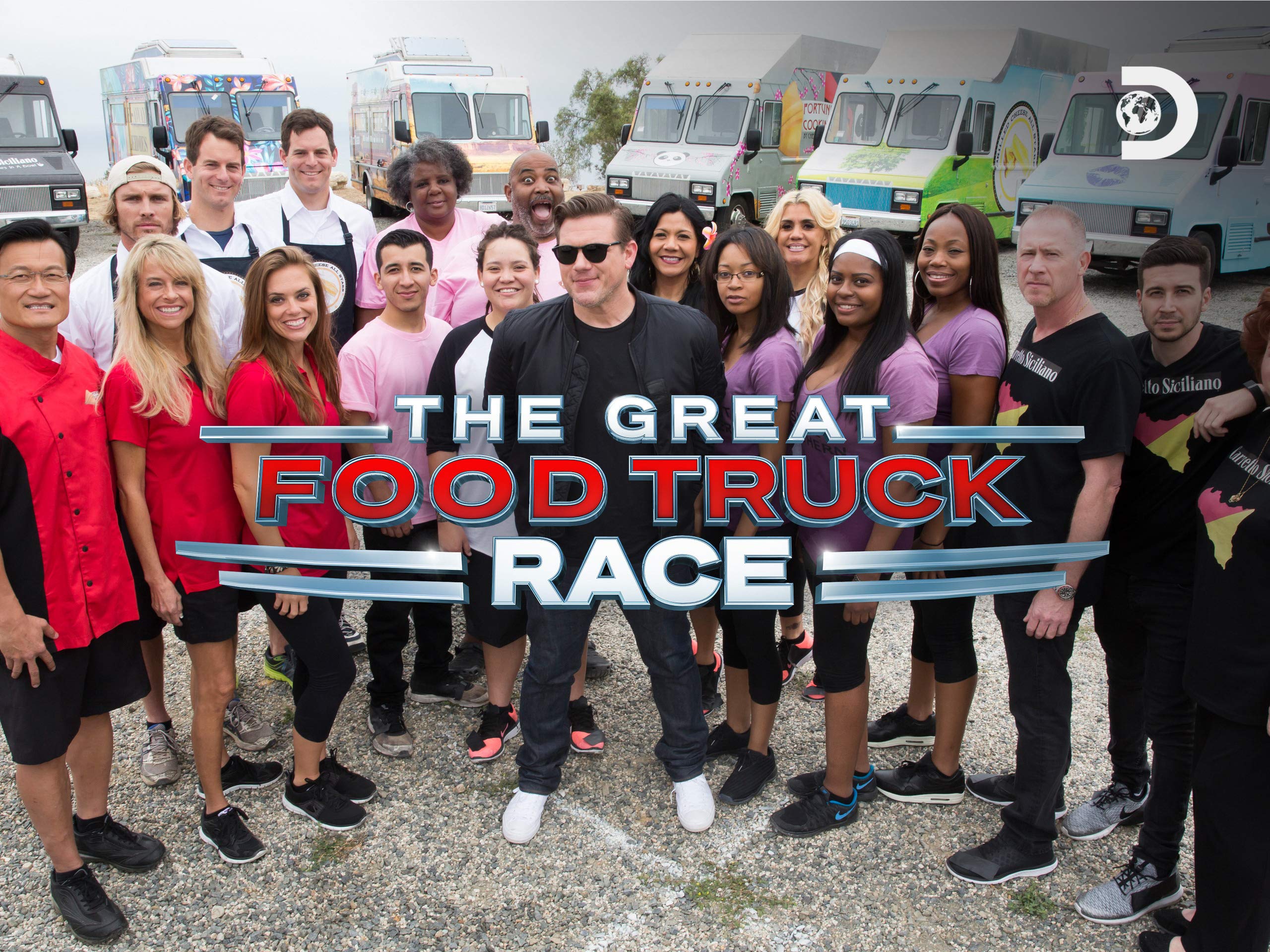
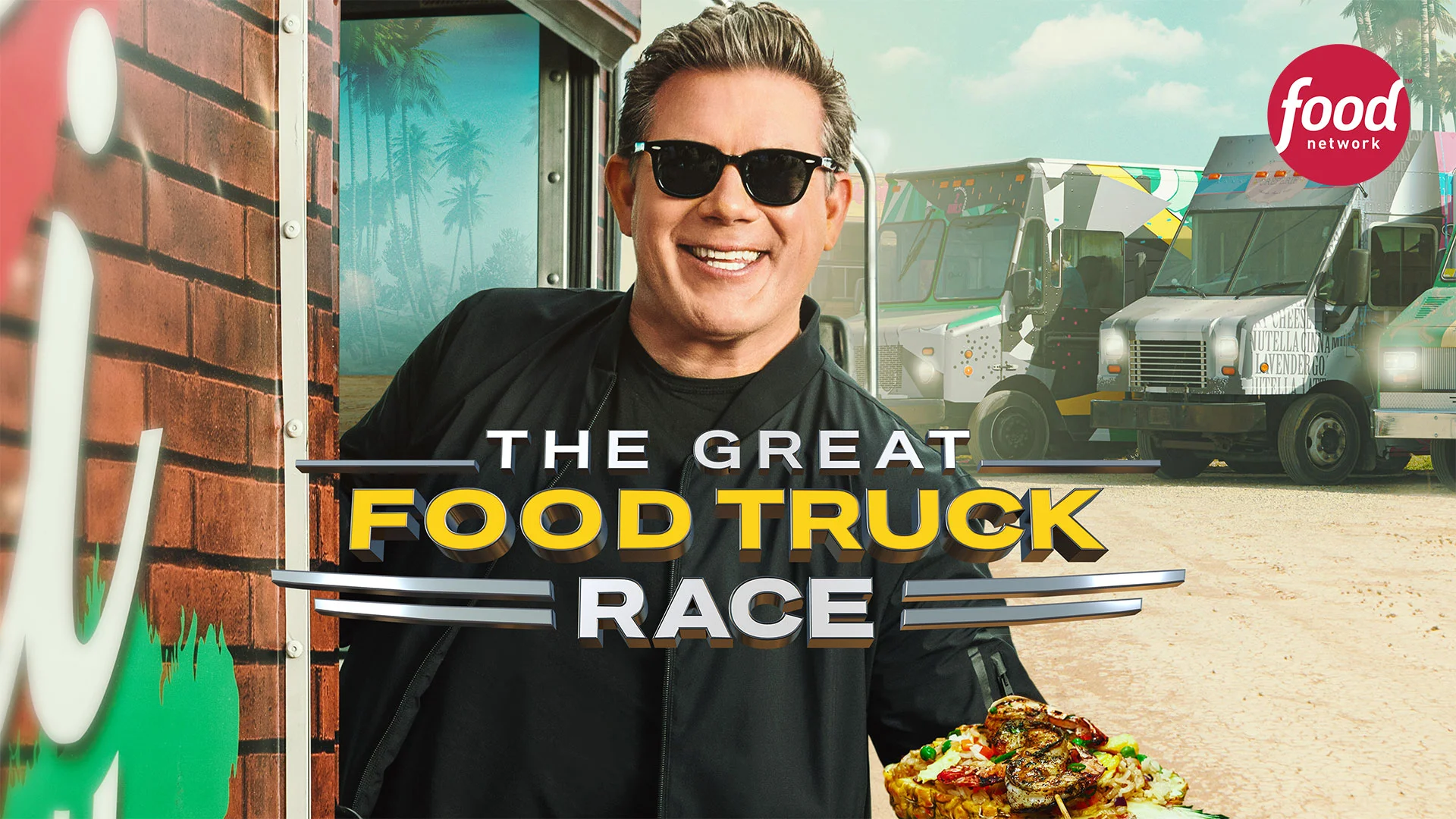
Food Network typically relies on seasonal anchors for its marquee culinary competitions, slotting high-stakes formats into distinct annual blocks. The Great Food Truck Race, hosted by Tyler Florence, has historically occupied prime-time slots during the spring or summer months. When tracking upcoming broadcast updates, understanding the difference between linear television air dates and streaming availability on platforms such as Max or Discovery+ is essential for planning viewing schedules.
Network schedules are subject to strategic shifts based on live sports events, advertising inventory demands, and overall network ratings strategies. For example, Sunday nights have long served as the flagship evening for lifestyle and culinary competitions, drawing concentrated family and enthusiast demographics. Reviewing historical premiere patterns helps establish accurate expectations for when new episodes drop, ensuring that viewers avoid missing live broadcasts or streaming releases.
Key Factors Influencing Premiere Timings
Several operational variables dictate when a series like The Great Food Truck Race hits the screen:
- Production and Editing Windows: Because the show features mobile kitchens traveling across multiple cities, field production requires weeks of intense logistical coordination, followed by months of post-production editing.
- Network Slate Prioritization: Food Network balances multiple concurrent hits, such as Tournament of Champions and Beat Bobby Flay, staggering their release windows to prevent audience saturation.
- Advertising and Sponsorship Integrations: Brand partnerships often dictate specific promotional run-ups, aligning commercial rollouts with the show's exact premiere date.
The Evolution of the Mobile Culinary Competition Format
Over successive seasons, The Great Food Truck Race has refined its core structure to challenge aspiring culinary entrepreneurs under extreme conditions. Teams are handed a set amount of seed money, a functional food truck, and the mandate to generate maximum profit across various geographic markets. Understanding the operational rules of the competition highlights why meticulous planning is required both on screen and behind the scenes during production development.
The format tests not only gourmet cooking skills under pressure but also marketing acumen, crowd control, menu pricing strategies, and supply chain management. Teams must navigate municipal permitting issues, unpredictable weather, and shifting local tastes. This combination of business administration and high-speed cooking creates the dramatic tension that defines the series.
| Season / Phase | Primary Geographic Focus | Key Operational Challenges | Broadcast Platform |
|---|---|---|---|
| Early Seasons | Cross-Country (Coast-to-Coast) | Long-distance transit, variable regional palates | Food Network (Linear) |
| Mid-Era Seasons | Regional U.S. Hubs | Deep local engagement, strict supply logistics | Food Network / Streaming |
| Recent Seasons | Specific Corridors (e.g., Gulf Coast) | Rapid market transitions, localized ingredient sourcing | Food Network & Max |
Navigating Streaming and On-Demand Access
For modern television audiences, linear broadcast schedules represent only one avenue for consumption. The integration of unscripted content into on-demand subscription services has fundamentally altered how fans engage with multi-episode food competitions. Episodes of The Great Food Truck Race typically become available for streaming on platforms like Max and Discovery+ concurrently with or immediately following their initial cable broadcast on Food Network.
Accessing these episodes requires verifying active subscription tiers and understanding regional availability, as digital distribution rights can vary outside the United States. Viewers looking to binge past seasons or catch up on recent episodes utilize these centralized streaming repositories, which host extensive back-catalogs of Food Network’s unscripted library.
Technical and Subscription Requirements
- Platform Verification: Ensure active authentication via a participating pay-TV provider or a standalone streaming subscription for Max or Discovery+.
- App Compatibility: Confirm that smart TVs, mobile devices, or media streaming sticks run the latest software updates to support high-definition video playback.
- Offline Downloading: Premium tiers on supported streaming services allow users to download episodes for offline viewing during travel.
What Aspiring Competitors and Food Truck Operators Need to Know
Beyond entertainment value, The Great Food Truck Race serves as a high-profile showcase for independent culinary operators looking to scale their businesses. Securing a spot on the show involves rigorous vetting, background checks, and culinary trials designed to test whether a team can operate safely and cohesively under intense physical and psychological strain.
Real-world food truck operators often analyze the show to understand mobile marketing strategies, menu optimization for speed of service, and effective branding. While television production introduces artificial constraints—such as sudden twists, unexpected road closures, and specific sales hurdles—the underlying principles of mobile food service remain grounded in strict health safety regulations, efficient kitchen layouts, and consistent customer service.
Operational Best Practices Inspired by the Show
- Menu Streamlining: Keeping core menu items to a manageable number reduces prep time and minimizes food waste in tight mobile kitchens.
- Dynamic Pricing: Adjusting prices based on local market demand and perceived value helps maximize revenue during high-traffic selling windows.
- Rapid Marketing: Utilizing social media channels and on-site signage effectively captures foot traffic in unfamiliar geographic locations.
Frequently Asked Questions
Where can I watch past seasons of The Great Food Truck Race?
Past seasons are available for streaming on platforms such as Max and Discovery+, as well as for purchase on digital storefronts like Amazon Prime Video and Apple TV. Availability may vary depending on regional licensing agreements and platform updates.
Who hosts The Great Food Truck Race?
Renowned chef, restaurateur, and television personality Tyler Florence serves as the host and executive producer of the series, guiding teams through each leg of the competition and presiding over elimination ceremonies.
How are the competing food truck teams chosen?
Prospective teams undergo an extensive casting process that evaluates their culinary background, existing business experience, interpersonal dynamics, and ability to translate their food concept into a mobile format. Production companies vet applicants for food safety compliance and business viability.
Do the contestants keep the food trucks after the show?
The winning team of each season receives a grand cash prize, which has historically been set at $50,000, and traditionally takes home ownership of the food truck used throughout the competition to launch or expand their brick-and-mortar or mobile enterprise.
Is the show filmed in real time?
While the competition unfolds continuously over several weeks of intensive travel and filming, episodes are heavily edited down into single-hour installments that highlight key conflicts, sales challenges, and elimination results. Post-production typically takes several months before the material hits the air.
Conclusion and Next Actions
For viewers seeking specific scheduling updates, keeping a close eye on official Food Network announcements and programming guides remains the most reliable method. To prepare for upcoming seasons, explore catch-up marathons on streaming platforms like Max, review past winner profiles to understand what makes a successful mobile food concept, and verify your television provider package to ensure uninterrupted access to Food Network's prime-time culinary lineup.
Image Gallery