Understanding the Difference Between Customs and Immigration
When traveling internationally, crossing an international border involves interacting with two distinct government authorities that are frequently housed in the same terminal building and processed back-to-back. Passengers stepping off...
When traveling internationally, crossing an international border involves interacting with two distinct government authorities that are frequently housed in the same terminal building and processed back-to-back. Passengers stepping off an international flight often use the terms interchangeably, assuming they represent a single checkpoint. However, immigration and customs serve completely different legal mandates, employ distinct personnel, and focus on separate aspects of international travel and trade. Understanding the operational divide between these two agencies helps travelers prepare documentation correctly, avoid costly delays, and navigate border control checkpoints efficiently.
Contents
The Core Mandate: People Versus Goods
The fundamental distinction between customs and immigration lies in what—and who—they regulate. Immigration is entirely concerned with people. It examines the traveler's legal right to enter, transit, or remain in a sovereign nation. Immigration officers verify identities, inspect passports and visas, determine admissibility under national immigration laws, and record arrivals and departures. Their primary objective is national security and enforcing laws related to human movement, citizenship, and residency status.
Customs, by contrast, is primarily concerned with goods, commodities, and cargo. Customs agencies regulate the physical items, currency, agricultural products, and commercial merchandise crossing national borders. While customs officers interact directly with travelers during baggage inspections and declarations, their mandate focuses on enforcing import and export laws, collecting duties, tariffs, and taxes, and intercepting contraband, illicit substances, illegal wildlife, and dangerous materials. In short, immigration checks the person; customs checks the property.
Immigration Control: Regulating Human Movement
Immigration clearance represents the first major administrative hurdle travelers face upon arrival in a foreign country. This process is designed to vet every individual seeking entry, whether they are returning citizens, foreign tourists, business travelers, students, or migrant workers.
Travel Documents and Identity Verification
The foundation of any immigration check is the passport or recognized travel document. Immigration officers examine these documents to ensure they are genuine, unexpired, and undamaged. Modern passports contain biometric data chips, which scanners read alongside facial recognition technology to verify that the person standing at the counter matches the legal owner of the passport. For non-citizens, officers also verify whether the individual holds a valid visa, Electronic Travel Authorization (ETA), or proof of visa-on-arrival eligibility.
Admissibility and Intent
Beyond verifying identity, immigration officials assess admissibility. This involves evaluating the traveler’s stated purpose of visit—such as tourism, medical treatment, education, or temporary employment—and ensuring it aligns with their visa class or entry category. Officers may ask about length of stay, accommodation arrangements, return or onward tickets, and financial self-sufficiency. If an officer suspects an individual intends to work illegally, overstay their visa, or pose a security risk, they possess the legal authority to refuse entry and initiate immediate removal proceedings.
Jurisdiction and Personnel
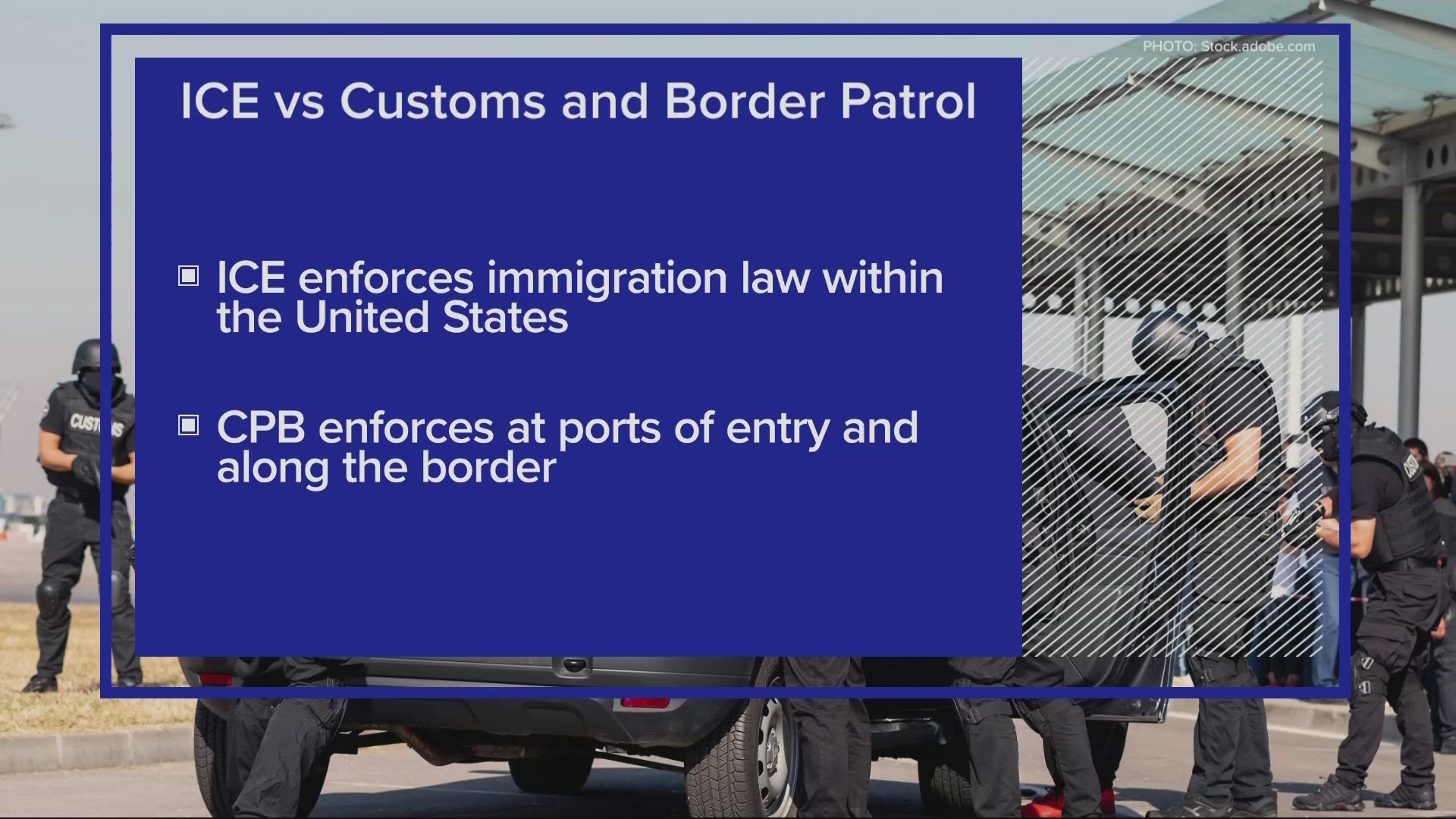
Immigration authorities operate under specific government ministries depending on the country. In the United States, this function is managed by U.S. Customs and Border Protection (CBP) officers and U.S. Citizenship and Immigration Services (USCIS) personnel at pre-clearance locations. In the United Kingdom, Border Force officers handle both immigration and customs duties. In the European Union, national border police or specialized border management agencies carry out immigration checks at Schengen external borders.
Customs Control: Regulating Goods and Trade
Once a traveler clears immigration, they typically proceed to the baggage claim area to retrieve their checked luggage and move toward the customs inspection area. This checkpoint governs the flow of physical items across national boundaries.
Declarations and Duty Assessment
Every country maintains specific laws regarding what items may be brought in tax-free and what items require formal declaration and duty payment. Travelers are routinely required to complete a customs declaration form—either digitally at an automated kiosk or on paper—detailing items acquired abroad, gifts, commercial merchandise, agricultural products, and currency exceeding designated statutory thresholds (such as $10,000 USD or equivalent in many jurisdictions). Customs officers review these declarations to assess applicable duties, taxes, and tariffs on imported goods.
Prohibition and Restriction Enforcement
Beyond revenue collection, customs agencies protect public health, safety, the environment, and the domestic economy. They enforce strict prohibitions and restrictions on various commodities:
- Agricultural and Food Products: Fresh fruits, vegetables, seeds, meats, and unmanufactured plant materials can harbor invasive pests or foreign animal diseases. Customs agricultural specialists inspect and frequently confiscate undeclared food items.
- Controlled Substances and Pharmaceuticals: Illicit drugs are strictly prohibited. Additionally, prescription medications must typically be accompanied by a valid prescription or doctor's note and kept in original containers.
- Intellectual Property and Counterfeit Goods: Importing counterfeit designer apparel, electronics, or pirated media violates intellectual property laws and results in immediate seizure and heavy fines.
- Cultural Artifacts and Wildlife: The Convention on International Trade in Endangered Species of Wild Fauna and Flora (CITES) regulates items made from protected wildlife, ivory, or certain timber species. Unauthorized antiquities and cultural artifacts are also seized.
Side-by-Side Comparison of Border Functions
To clearly visualize how these two functions differ in practice, the following table breaks down their core characteristics, operational focus, and regulatory scope.
| Feature | Immigration | Customs |
|---|---|---|
| Primary Subject | People (Citizens, foreign nationals, travelers) | Goods, baggage, cargo, and merchandise |
| Main Objective | Verify identity, nationality, and legal right of entry | Regulate trade, collect duties, and prevent illegal importation |
| Key Documents | Passports, visas, residency permits, ETAs | Customs declaration forms, receipts, commercial invoices, permits |
| Typical Questions | "What is the purpose of your trip?" / "How long will you stay?" | "Do you have anything to declare?" / "Are you carrying food or currency?" |
| Consequences of Violation | Refusal of entry, deportation, travel bans | Confiscation of goods, financial penalties, criminal charges |
The Sequential Workflow at International Borders
While customs and immigration are distinct entities, governments generally integrate them into a seamless passenger flow. Understanding the step-by-step sequence helps travelers anticipate what to expect upon arrival.
Arrival & Deplaning
Immigration Clearance
Baggage Claim
Customs Inspection
Exit to Public Area
Deplaning and Wayfinding: Passengers follow terminal signage toward the arrival hall, remaining segregated from domestic passengers.
Immigration Processing: Travelers queue for primary inspection booths or automated passport control (APC) kiosks. Officers review travel documents and grant entry clearance.
Luggage Retrieval: Travelers proceed to carousels to collect checked baggage. At this stage, individuals still possess all their belongings.
Customs Channels: Travelers pass through designated customs lanes, typically divided into "Nothing to Declare" (green channel) and "Goods to Declare" (red channel). Random or targeted inspections occur here using physical searches, X-ray equipment, and trained detector dogs.
Final Exit: Once past customs officials, travelers enter the public arrivals hall of the destination airport.
Special Cases: Preclearance and Regional Agreements
Border processing models vary significantly depending on international agreements and bilateral treaties, occasionally altering how immigration and customs interact.
U.S. Border Preclearance
Certain foreign airports—primarily in Canada, Ireland, the Caribbean, and the United Arab Emirates—host U.S. Border Preclearance facilities. In these locations, passengers undergo both U.S. immigration and customs inspections before boarding their flight to the United States. Upon landing on U.S. soil, travelers arrive as domestic passengers, bypassing standard terminal queues. In these facilities, CBP personnel exercise the full legal authority of both immigration and customs on foreign soil.
Open Borders and Economic Unions
Within the European Union's Schengen Area, internal border checks for immigration have been largely abolished, allowing free movement of people between member states. However, customs checks can still occur selectively to enforce tax laws, excise duties, and prohibitions on contraband, meaning that while immigration may not be present at an internal EU border, customs authorities retain enforcement jurisdiction.
Frequently Asked Questions
Do I go through customs or immigration first when entering a country?
Immigration always occurs before customs. A nation must first establish your legal right to enter its territory before inspecting the belongings you are bringing across its borders. You will present your passport at an immigration desk, retrieve your luggage, and then pass through customs inspection stations.
Can a customs officer deny me entry into a country?
Yes. While immigration officers primarily determine entry eligibility, customs officers hold broad enforcement powers under customs and revenue laws. If a customs officer uncovers severe violations—such as commercial fraud, smuggling, or undeclared restricted items—they can coordinate with immigration authorities to revoke entry, seize property, and initiate deportation or criminal proceedings.
Do I need to fill out a customs form if I have nothing to declare?
Requirements vary by country. Many modern international airports utilize digital kiosks or automated gates where travelers scan passports and answer customs declarations on screen without completing a paper form. In some jurisdictions, walking through the green "Nothing to Declare" channel serves as a legal declaration that you are carrying no restricted or dutiable goods.
What happens if I fail to declare food or agricultural items?
Failing to declare food products, plant materials, or animal products can result in immediate confiscation and substantial civil penalties or on-the-spot fines. Agricultural inspectors use specialized X-ray technology and detector dogs to screen baggage, and omissions are treated seriously to protect local ecosystems from foreign pests and diseases.
Are immigration and customs part of the same government agency everywhere?
Not always. In the United States, both functions are consolidated under U.S. Customs and Border Protection (CBP). In other nations, separate ministries handle the functions—such as a Home Office or Ministry of Interior managing immigration and a separate Revenue or Treasury department managing customs and excise.
Conclusion and Next Action
Recognizing the division between immigration and customs empowers travelers to move through international checkpoints with confidence. To ensure a smooth transit, ensure your passport is valid for at least six months beyond your travel dates, verify visa or electronic authorization requirements well in advance, and maintain accurate records of purchases or gifts to facilitate a transparent customs declaration. Always review the official government border control website of your destination country prior to departure to stay informed on current entry rules, prohibited items, and allowance limits.
Image Gallery