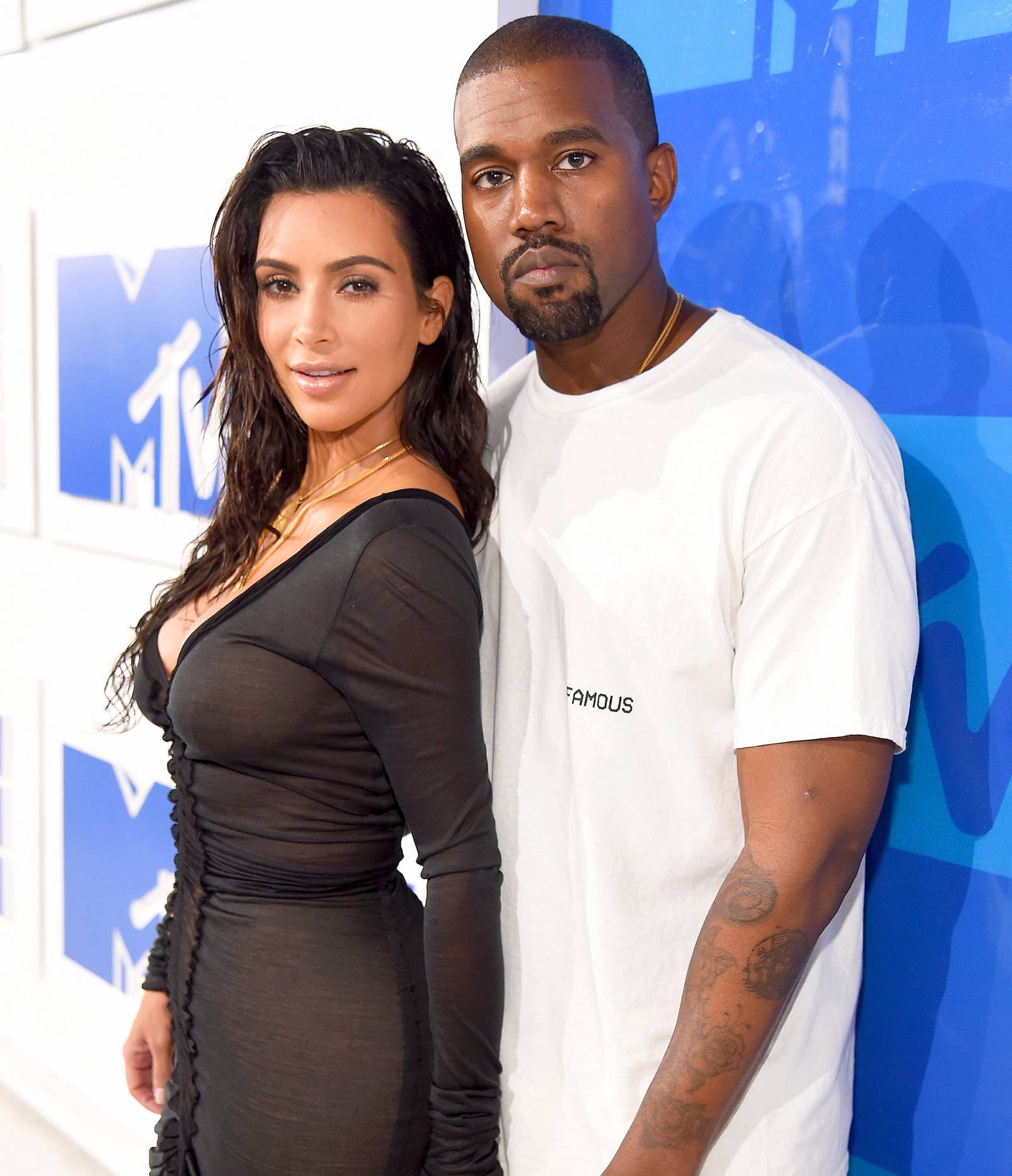
How Much Money Do Kim Kardashian and Kanye West Make?
Kim Kardashian and Kanye West generate millions annually through distinct business empires, spanning shapewear, reality television, high fashion, and music catalogs. While both former spouses have achieved billionaire status at various...
Kim Kardashian and Kanye West generate millions annually through distinct business empires, spanning shapewear, reality television, high fashion, and music catalogs. While both former spouses have achieved billionaire status at various points in their careers through high-profile ventures like Skims and Yeezy, their current annual earnings fluctuate based on corporate valuations, licensing deals, retail performance, and ongoing business realignments.
Contents
Evaluating the financial standing of globally recognized cultural and business figures requires a look beyond simple cash flow. Both individuals have built multi-industry ecosystems that blend personal brand equity with traditional corporate structures. This analysis explores how Kim Kardashian and Kanye West generate income, the operational mechanics behind their respective fortunes, and the comparative scale of their wealth-generating enterprises.
The Financial Evolution of Kim Kardashian
Kim Kardashian’s rise from reality television star to formidable business mogul is a masterclass in modern personal branding. Her primary wealth engine has shifted significantly over the past decade. While early career earnings relied heavily on television appearance fees, social media endorsements, and mobile gaming, her recent financial success stems from direct-to-consumer product companies and strategic equity stakes.
Core Business Ventures and Equity Holdings
The cornerstone of Kardashian's business portfolio is Skims, the shapewear, loungewear, and underwear brand co-founded by Kardashian and Jens Grede in 2019. Skims has achieved multi-billion-dollar private market valuations through successive funding rounds, attracting institutional venture capital. Kardashian maintains a substantial equity stake in the company, which constitutes a massive portion of her net worth.
In addition to Skims, Kardashian launched SKKN BY KIM, a skincare line that replaced her previous beauty ventures, building on the success of her earlier enterprise, KKW Beauty. While Coty acquired a 20% stake in KKW Beauty for $200 million in 2020, subsequent restructuring transitioned the brand toward high-end skincare, maintaining steady retail revenue.
Beyond consumer goods, Kardashian expanded into private equity by co-founding SKKY Partners in 2022 alongside former Carlyle Group executive Jay Sammons. This firm focuses on investments in consumer and media companies, marking her evolution from a celebrity endorser to an institutional investor collecting management fees and carried interest.
Media Production and Endorsement Revenue
Television production remains a lucrative component of Kardashian's financial profile. Following the conclusion of Keeping Up with the Kardashians on E!, Kardashian and her family transitioned to Hulu with a lucrative multi-season production and distribution agreement. As executive producers, the family receives substantial upfront compensation and backend participation.
Endorsement deals also contribute to her annual cash flow. Although her equity ventures generate higher returns, Kardashian frequently partners with major global luxury brands, technology firms, and financial institutions. Her massive social media following allows her to command top-tier rates for sponsored campaigns, though these deals are heavily vetted to align with her broader luxury positioning.
The Financial Architecture of Kanye West
Kanye West—who legally changed his name to Ye—operates within a volatile financial ecosystem characterized by massive valuation peaks, high production overhead, and significant enterprise realignments. West’s wealth has historically been driven by footwear and apparel design, music publishing catalogs, and high-margin merchandise sales.
The Yeezy Empire and Corporate Partnerships
For years, the vast majority of West’s paper wealth and annual cash flow was tied to the Yeezy brand. His long-term partnership with Adidas generated hundreds of millions in annual royalty revenue, with Yeezy sneakers commanding intense consumer demand and high resale value. Analysts estimated that West received a double-digit royalty percentage on all Yeezy products sold through Adidas distribution channels.
However, the corporate landscape shifted dramatically in late 2022 when Adidas terminated its partnership with West following controversial public remarks. This separation eliminated his primary source of corporate licensing revenue and temporarily stripped him of his billionaire status according to publications like Forbes. Despite the termination of the Adidas contract, West retained ownership of the Yeezy brand name, design archives, and independent manufacturing supply chains, allowing him to relaunch direct-to-consumer apparel and footwear drops independently.
Music Catalogs and Independent Touring
Long before entering the fashion industry, West established himself as a dominant force in the music industry as a producer and recording artist. His extensive discography, featuring landmark albums like The College Dropout, Graduation, and My Beautiful Dark Twisted Fantasy, generates steady streaming royalties through digital service providers like Spotify and Apple Music.
West also retains ownership of his publishing rights and master recordings across substantial portions of his catalog, though artists frequently monetize these assets through partial catalog sales. Additionally, independent touring, listening events, and direct merchandise sales generate massive bursts of revenue during active album rollout cycles, bypassing traditional record label distribution cuts.
Comparing Financial Models: Kardashian vs. West
While both figures command massive global audiences, their wealth generation strategies diverge in execution. Kardashian relies heavily on institutional backing, structured consumer packaged goods (CPG) companies, and private equity investments. West favors independent ownership, vertical integration, and direct consumer engagement, often courting high volatility in exchange for creative and financial autonomy.
| Financial Dimension | Kim Kardashian | Kanye West (Ye) |
|---|---|---|
| Primary Wealth Engine | Skims (Shapewear and Apparel) | Yeezy (Footwear and Independent Apparel) |
| Core Corporate Structure | Institutional equity stakes, venture-backed CPG | Independent brand ownership, direct-to-consumer |
| Media & Entertainment | Hulu reality series, executive production fees | Music streaming royalties, independent live events |
| Investment Strategy | Private equity (SKKY Partners), real estate | Real estate holdings, independent manufacturing |
| Recent Market Status | Multi-billionaire status anchored by retail valuation | High annual cash flow fluctuations, independent restructuring |
Real Estate Portfolios and Liquid Assets
Both Kardashian and West maintain extensive, highly valued real estate portfolios that serve as long-term wealth preservation vehicles. Real estate transactions often account for significant liquidity adjustments in their annual financial reporting.
Kardashian’s primary residential asset is a sprawling minimalist estate in Hidden Hills, California, purchased originally with West during their marriage and later retained entirely by Kardashian following their divorce settlement. The property has undergone extensive architectural renovations, significantly increasing its market appraisal.
West has historically engaged in high-profile, experimental real estate acquisitions, including large ranch properties in Wyoming and brutalist architectural investments in California. These properties often function as creative compounds for his design teams, though they also carry high maintenance costs and property tax burdens that influence his net liquid capital.
Frequently Asked Questions
How much do Kim Kardashian and Kanye West make per year?
Annual earnings for both individuals fluctuate significantly based on business valuations, retail sales volumes, and corporate payout schedules. In peak years associated with major brand distributions or funding rounds, both individuals have generated tens to hundreds of millions of dollars annually. In restructuring years, cash flow depends primarily on baseline retail sales, streaming royalties, and television production fees.
Is Kanye West still a billionaire?
Kanye West’s billionaire status has fluctuated following the termination of his corporate partnership with Adidas. While Forbes and other financial trackers removed him from their billionaire lists due to the loss of major corporate licensing revenue, West's independent assets, music catalog, real estate holdings, and ongoing Yeezy apparel drops continue to yield substantial capital, keeping his total net worth near or within high-net-worth thresholds depending on independent enterprise valuations.
What is Kim Kardashian’s most profitable business?
Skims is widely recognized as Kim Kardashian’s most profitable and valuable business venture. Valued in the billions during private institutional funding rounds, the brand commands a massive share of the global shapewear and loungewear market, outperforming her previous beauty and fragrance enterprises in total enterprise value.
How do music royalties contribute to Kanye West’s income?
Music streaming royalties from platforms like Spotify and Apple Music provide West with consistent passive income. Furthermore, owning portions of his publishing rights and master recording catalogs allows him to collect high percentages of synchronization fees for film, television, and advertising placements.
Do Kim Kardashian and Kanye West share finances?
No. Kim Kardashian and Kanye West finalized their divorce, which included legal separation of assets, spousal support terms, and shared custody arrangements for their children. Each maintains independent business ventures, corporate entities, and personal financial portfolios.
Conclusion and Financial Outlook
Assessing the financial standings of Kim Kardashian and Kanye West demonstrates the power of modern celebrity monetization, where personal brand equity is successfully converted into institutional enterprise value. Kardashian’s reliance on structured corporate governance and venture-backed partnerships provides long-term stability and scalable growth. Conversely, West’s volatile, independent approach highlights the risks and rewards of creative autonomy in global commerce. Monitoring their ongoing business developments reveals how modern icons navigate the intersection of culture, retail, and private finance.
Image Gallery