Why the Sensitive Venus Razor Matters for Modern Grooming
The sensitive Venus razor matters because it is specifically engineered to minimize skin irritation, razor burn, and ingrown hairs for individuals with sensitive skin by utilizing specialized blade spacing, protective lubricating strip...
The sensitive Venus razor matters because it is specifically engineered to minimize skin irritation, razor burn, and ingrown hairs for individuals with sensitive skin by utilizing specialized blade spacing, protective lubricating strips, and ergonomic handling to ensure a smooth, low-friction shave.
Contents
Achieving a close, comfortable shave can be an ongoing challenge for individuals prone to skin irritation, razor burn, redness, and ingrown hairs. Traditional multi-blade razors frequently pull at sensitive skin or cut hairs below the surface, triggering inflammatory responses. The Gillette Venus product line addresses this chronic issue through specialized grooming technology. Understanding why the sensitive Venus razor matters requires a detailed examination of dermatological skin protection, mechanical engineering in shaving tools, blade geometry, and long-term skin health management.
The Dermatological Challenge of Sensitive Skin
Shaving is, at its core, a mechanical form of exfoliation. Every pass of a razor blade across the epidermis removes not only unwanted hair but also microscopic layers of stratum corneum—the outermost layer of skin cells. For individuals with robust skin barriers, this process causes minimal disruption. However, for those with sensitive skin conditions, eczema, keratosis pilaris, or simply reactive skin, standard shaving tools can cause severe friction, micro-abrasions, and inflammation.
When a razor blade is dull, poorly aligned, or lacks adequate lubrication, it catches and pulls the hair shaft rather than slicing cleanly through it. This pulling action stretches the skin and can yank hair follicles sideways, causing them to curl back into the skin as they regrow, resulting in painful ingrown hairs (pseudofolliculitis barbae). Furthermore, the harsh friction strips away natural moisture, disrupting the skin lipid barrier. This disruption leads to transepidermal water loss, leaving the skin tight, itchy, and vulnerable to bacterial invasion and razor rash.
Engineering and Design Features of the Sensitive Venus Razor
To counteract the physiological challenges of sensitive skin, the sensitive Venus razor incorporates several targeted engineering and design features. These elements work in concert to reduce mechanical stress on the skin barrier during the shaving stroke.
Reduced-Friction Blade Architecture
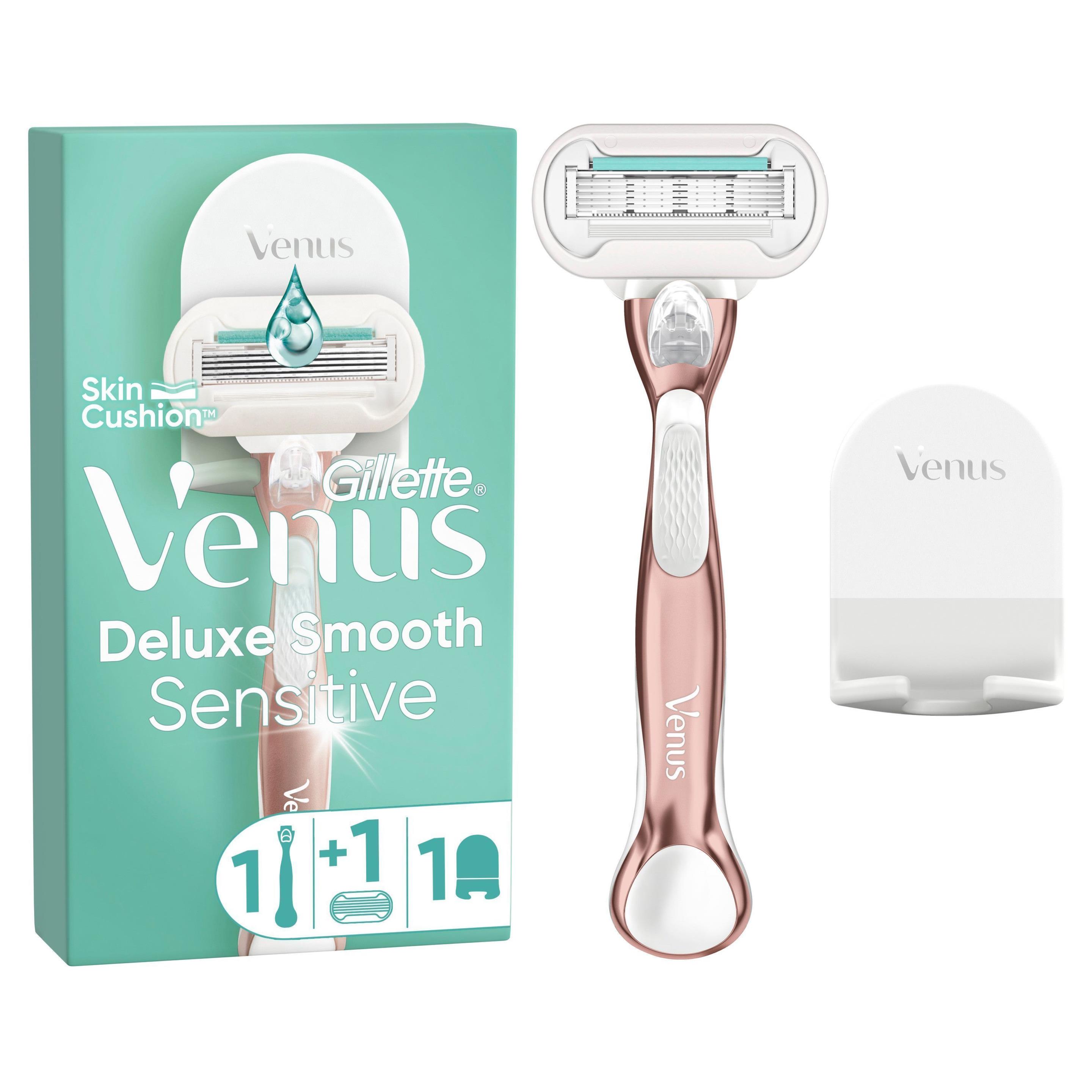
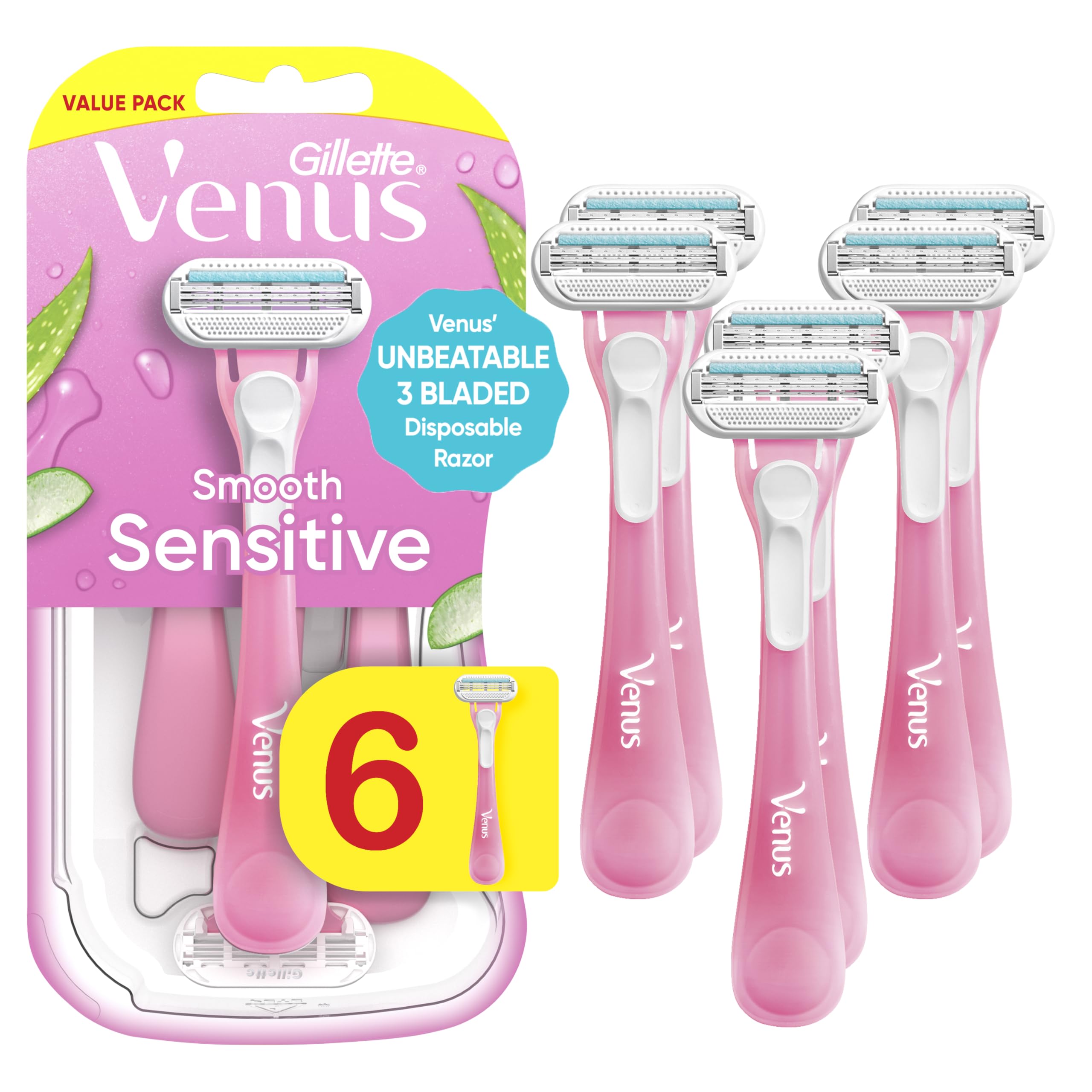
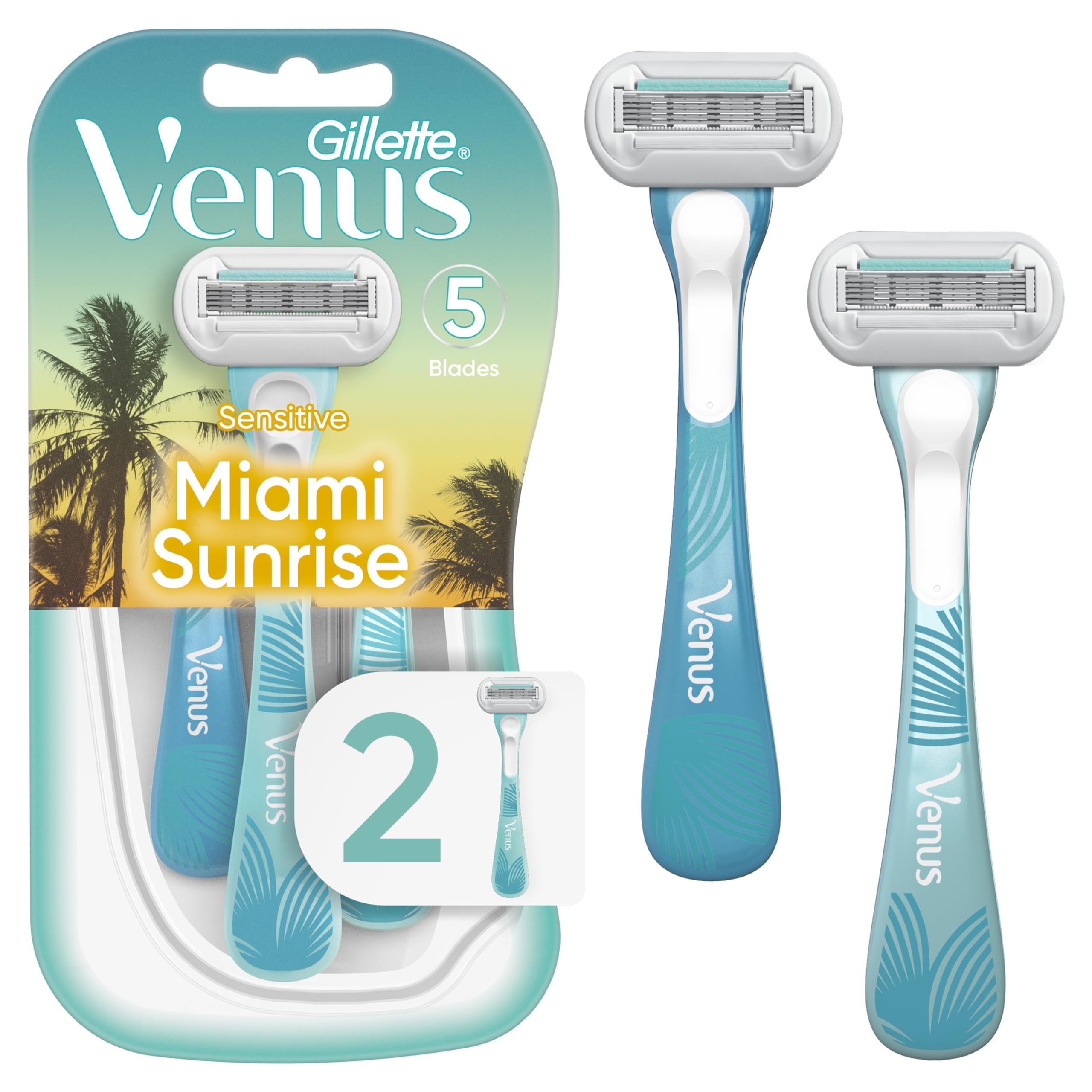
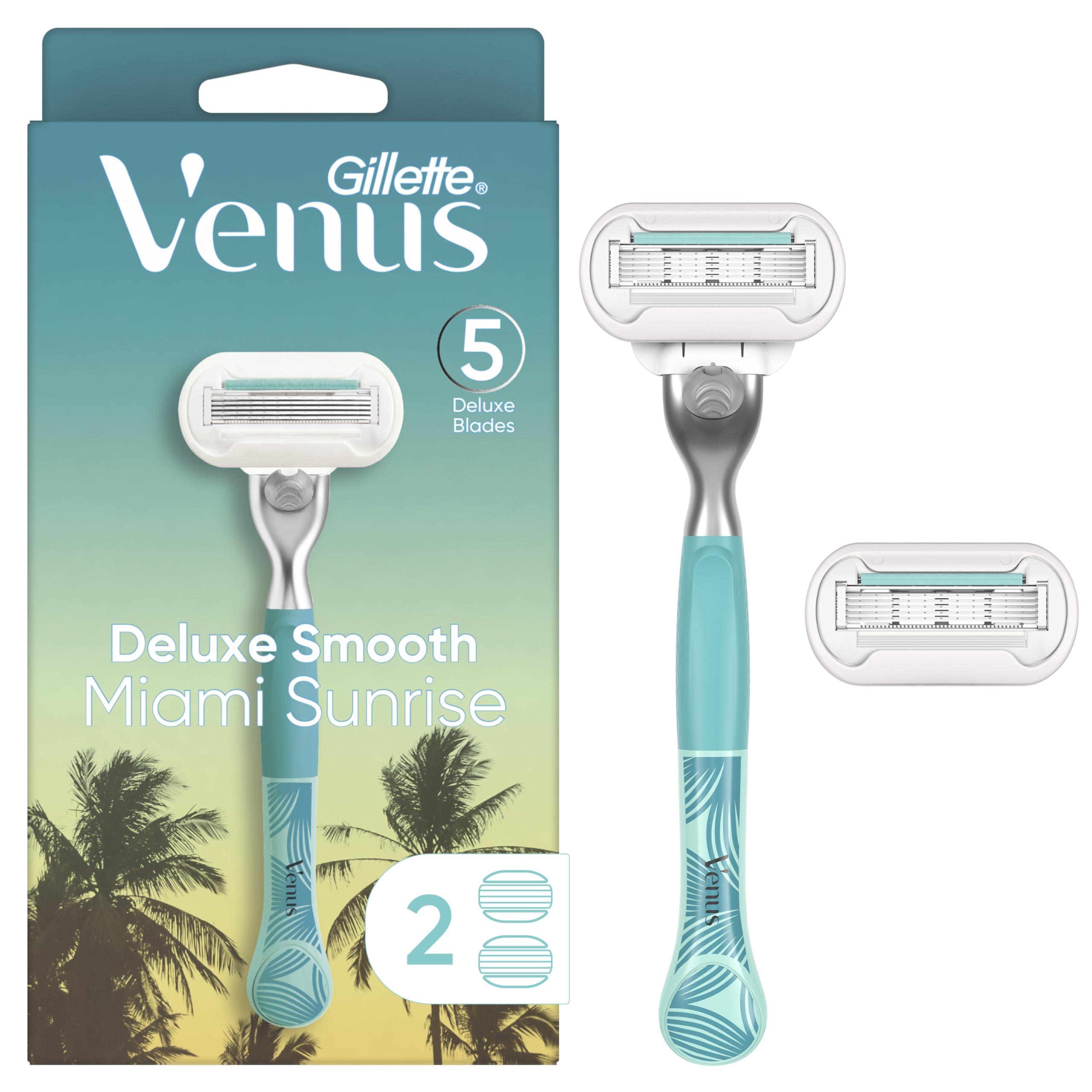
The core of the sensitive Venus system lies in its blade configuration. Unlike standard razors that may use tightly packed, aggressive blade angles that tug at the follicle, sensitive-variant cartridges typically utilize closer-set, low-cutting-force blades. These blades are suspended on flexible micro-springs that adjust to the contours of the body. When the razor encounters a curve—such as the ankle, knee, or bikini line—the springs absorb excess pressure applied by the user's hand, preventing the blades from digging too deeply into the tissue.
Advanced Lubrication Strips
Lubrication is critical in minimizing the coefficient of friction between steel and skin. Sensitive Venus razors feature enhanced moisture ribbons infused with skin-soothing ingredients such as aloe vera, vitamin E, and botanical oils. Unlike basic soap bars that dissolve instantly, these lubrication strips activate upon contact with water, creating a protective, hydrating glide layer that buffers the skin against the sharp edge of the steel.
Ergonomic Handling and Pivot Control
User technique heavily influences shaving irritation. Heavy-handedness is a primary cause of razor burn. The sensitive Venus razor incorporates an ergonomic, soft-grip handle designed to provide optimal traction even in wet shower environments. The weighted handle shifts the center of gravity toward the head, allowing gravity and gentle guidance to do the work rather than forceful downward pressure. Additionally, the pivoting razor head maintains consistent skin contact at an ideal angle, reducing the need to repeat passes over the same sensitive area.
Comparative Analysis: Standard Razors Versus Sensitive-Specific Razors
Choosing the correct shaving implement depends heavily on skin reactivity and hair texture. The differences between standard multi-blade options and specialized sensitive-skin razors highlight why product selection matters for skin health.
| Feature | Standard Multi-Blade Razors | Sensitive Venus Razor |
|---|---|---|
| Primary Focus | Maximum hair removal speed and ultra-close closeness | Minimizing irritation, tugging, and razor burn |
| Blade Suspension | Rigid or semi-rigid mounting | Flexible micro-springs to absorb excess hand pressure |
| Lubrication | Basic soap strips or minimal conditioning agents | Advanced moisture ribbons infused with soothing agents |
| Target Audience | Individuals with resilient skin and coarse hair | Individuals prone to razor burn, bumps, and sensitivity |
| Dermatological Testing | Often general use | Specifically tested for sensitive skin compatibility |
Practical Best Practices for Shaving Sensitive Skin
Even the most advanced razor cannot completely prevent irritation if paired with poor preparation and execution techniques. Maximizing the benefits of a sensitive Venus razor requires a structured, multi-step grooming routine designed to soften hair and protect the skin barrier.
1. Preparation and Hydration
Hair absorbs water readily, becoming softer and easier to cut. Shaving immediately after or near the end of a warm shower allows the steam and warm water to soften the keratin proteins in the hair shaft, reducing the cutting force required by up to 50 percent.
2. Choosing the Right Shaving Medium
Avoid dry shaving or using ordinary bath soap, which can leave a sticky residue and fail to provide adequate glide. Instead, apply a clear, hydrating shave gel or cream formulated for sensitive skin. Clear gels are particularly advantageous for delicate areas because they maintain visibility, allowing for precise control and avoiding redundant passes over already-shaved skin.
3. Execution and Technique
- Direction: Always shave in the direction of hair growth (with the grain) for the first pass, especially in sensitive areas like the bikini line and underarms. Shaving against the grain increases the risk of ingrown hairs and cuts.
- Pressure: Let the razor glide effortlessly. Pressing down increases frictional drag.
- Strokes: Use short, light strokes rather than long, sweeping motions. Rinse the cartridge frequently between strokes to prevent hair and dead skin buildup from clogging the blade spacing.
4. Post-Shave Care
Immediately after shaving, rinse the skin thoroughly with cool water to help close pores. Pat the skin dry with a clean towel rather than rubbing aggressively. Follow up immediately with an alcohol-free, fragrance-free moisturizer or a soothing lotion containing ingredients like colloidal oatmeal, centella asiatica, or niacinamide to replenish lost lipids and calm inflammation.
Common Mistakes to Avoid
Preventing chronic skin irritation also involves eliminating common maintenance and usage errors that compromise razor performance and skin integrity.
- Using Dull Blades: A dull blade requires increased pressure and causes microscopic tearing of the hair and skin. Replace cartridges at the first sign of tugging or dullness—typically after 5 to 10 shaves, depending on surface area and hair density.
- Improper Storage: Storing wet razors flat on the shower floor or inside a humid enclosure promotes bacterial growth and premature blade corrosion. Always rinse the razor thoroughly, shake off excess water, and store it upright in a dry, ventilated area.
- Rushing the Process: Speed increases the likelihood of accidental nicks and applying erratic, heavy pressure. Allocate adequate time for proper preparation and execution.
Frequently Asked Questions
How often should I replace my sensitive Venus razor blade cartridge?
Cartridge longevity depends on frequency of use and hair density, but dermatological guidelines generally recommend replacing sensitive razor blades every 5 to 7 shaves. If you notice any pulling, dragging, or skin irritation, the blades have lost their optimal edge and should be discarded immediately to protect your skin barrier.
Can a sensitive Venus razor completely eliminate ingrown hairs?
While no razor can guarantee the complete prevention of ingrown hairs—since hair growth biology varies by individual—the sensitive Venus design significantly reduces their occurrence. By cutting hair flush with the skin surface rather than below it and preventing excessive skin pulling, it stops hair from curling inward beneath the epidermis.
Is shaving cream strictly necessary, or can I use regular body wash?
Regular body wash is formulated to cleanse oils away, which strips the skin barrier of the exact moisture it needs during friction. Shaving gels or creams provide a specialized, cushion-like barrier that suspends the blades above the skin, minimizing direct metal-on-skin friction and reducing the risk of razor burn.
Are sensitive Venus razors suitable for all body areas?
Yes, the pivoting heads and ergonomic handles are engineered to navigate diverse contours safely, including legs, underarms, and the bikini line. However, technique must be adjusted according to skin thinness and hair coarseness in each specific region.
What should I do if I still experience razor burn despite using a sensitive razor?
If razor burn persists, evaluate your preparation routine, water temperature, and post-shave products. Ensure you are using a dedicated shave gel, shaving with the grain, and applying a fragrance-free moisturizer immediately afterward. If irritation continues, consult a dermatologist to rule out underlying contact dermatitis or follicular conditions.
Conclusion and Next Actions
The sensitive Venus razor matters because it bridges the gap between effective hair removal and rigorous dermatological protection. By integrating flexible micro-springs, advanced lubricating strips, and low-cutting-force architecture, it addresses the root mechanical causes of razor burn and ingrown hairs. To experience the full benefits, audit your current grooming routine: invest in a verified sensitive-skin razor, pair it with a hydrating clear shave gel, maintain proper blade hygiene, and commit to gentle, post-shave moisturization to preserve a healthy skin barrier.
Image Gallery