How to Locate the San Diego County Office of Vital Records
Locating the San Diego County Office of Vital Records requires navigating the distinct responsibilities of the San Diego County Assessor/Recorder/County Clerk and the San Diego County Department of Public Health. Depending on whether y...
Locating the San Diego County Office of Vital Records requires navigating the distinct responsibilities of the San Diego County Assessor/Recorder/County Clerk and the San Diego County Department of Public Health. Depending on whether you need a certified copy of a birth, death, or marriage certificate for authorized legal use or simply require historical genealogical information, your destination, application method, and fee structure will vary significantly.
Contents
Understanding the San Diego County Vital Records Landscape
When searching for vital records in San Diego County, applicants frequently encounter confusion regarding which government agency holds the exact document they require. In California, vital statistics responsibilities are split between local county recorder offices and the California Department of Public Health (CDPH) Vital Records office. Understanding this division is the foundational step in locating the correct office without wasting time or submitting paperwork to the wrong jurisdiction.
The San Diego County Recorder is primarily responsible for maintaining and issuing certified copies of certificates for events that occurred within the county boundaries. This includes birth certificates, death certificates, and marriage certificates. However, California law enforces a strict distinction between "authorized" certified copies—which are required for legal identification, passports, and employment—and "informational" certified copies, which cannot be used to establish identity and are typically used for genealogy.
Furthermore, physical office locations within the county offer walk-in counter services, mail-in application processing, and appointment scheduling. Because operations can be impacted by local holiday schedules, staffing adjustments, and security protocols at county administration buildings, verifying operational hours and address details beforehand is essential. The primary administrative hub is centrally located in downtown San Diego, with branch offices situated in various regional zones to serve residents across the county's vast geographic footprint.
Primary Office Locations and Contact Information
The San Diego County Recorder maintains multiple public service counters to handle vital records applications, real estate recordings, and fictitious business name filings. Knowing where these offices are located and what services each provides prevents unnecessary travel.
Main Downtown San Diego Office
The central administrative headquarters is housed within the County Administration Center complex or nearby municipal facilities downtown. This location processes walk-in requests for all record types and handles complex or delayed registration filings.
- Primary Function: Full-service vital records issuance, document recording, and administrative appeals.
- Access Type: Walk-in service windows and pre-scheduled appointments. Parking around the downtown government complex is typically metered street parking or paid public parking structures.
Regional Branch Offices
To accommodate residents living in the North, East, and South regions of the county, satellite offices provide localized access to vital records. While these branches process standard birth, death, and marriage certificate requests, some specialized filings or historical record searches may require routing through the main downtown office.
- North County Branch: Located in San Marcos, serving communities from Escondido to the Oceanside border.
- East County Branch: Located in El Cajon, serving inland mountain and suburban communities.
- South County Branch: Located in Chula Vista, serving the border region and South Bay municipalities.
Applicants should always confirm current physical addresses and counter hours directly through official county channels before visiting, as municipal building leases and operational configurations occasionally shift.
Eligibility Requirements: Authorized Versus Informational Copies
Before visiting an office or mailing an application, applicants must determine whether they qualify for an authorized certified copy or if they must settle for an informational copy. This distinction is governed by California Health and Safety Code Section 103526 and is designed to prevent identity theft and fraud.
Authorized Certified Copies
An authorized certified copy is required if you intend to use the document for legal purposes, such as obtaining a driver’s license, securing a passport, claiming life insurance benefits, or enrolling a child in school.
- Who Qualifies: The registrant (the person named on the certificate), a parent, legal guardian, child, grandparent, grandchild, sibling, spouse, or domestic partner. Legal representatives, attorneys, and law enforcement agencies acting on behalf of the registrant or their estate also qualify.
- Notarization Requirement: If applying by mail, the applicant's signature on the sworn statement must be notarized by a licensed notary public. Walk-in applicants sign the sworn statement in front of county staff.
Informational Certified Copies
If you do not meet the direct relationship criteria—such as a distant relative, a genealogist, or a private historian—you may only obtain an informational certified copy.
- Restrictions: These documents contain a prominent, permanent stamp across the face stating: "INFORMATIONAL, NOT A VALID DOCUMENT TO ESTABLISH IDENTITY."
- Benefits: They do not require a notarized sworn statement, making them easier to obtain for historical research, provided you have sufficient identifying information to locate the record.
| Record Type | Authorized Copy Eligibility | Informational Copy Eligibility | Primary Legal Use |
|---|---|---|---|
| Birth Certificate | Registrant, parents, legal guardians, legal counsel, specific familial relations. | Open to the general public with restrictions. | Passports, employment verification, school enrollment. |
| Death Certificate | Informants, family members, estate representatives, legal beneficiaries. | Open to the general public with restrictions. | Settling estates, insurance claims, remarriage. |
| Marriage Certificate | Either party to the marriage, legal representatives, family members. | Open to the general public with restrictions. | Name changes, spousal benefit claims, legal status verification. |
Step-by-Step Guide to Requesting Records
Successfully obtaining a vital record from San Diego County involves a structured sequence of preparation, application submission, and fee fulfillment. Following these steps ensures your request is processed without unnecessary delays or rejections due to incomplete paperwork.
Step 1: Gather Required Information
To locate a record efficiently, county staff require specific baseline details. Incomplete applications will be returned unprocessed, resulting in weeks of delay.
- For Birth Records: Full name at birth, date of birth, county of birth, and the full names of both parents (including the mother's maiden name).
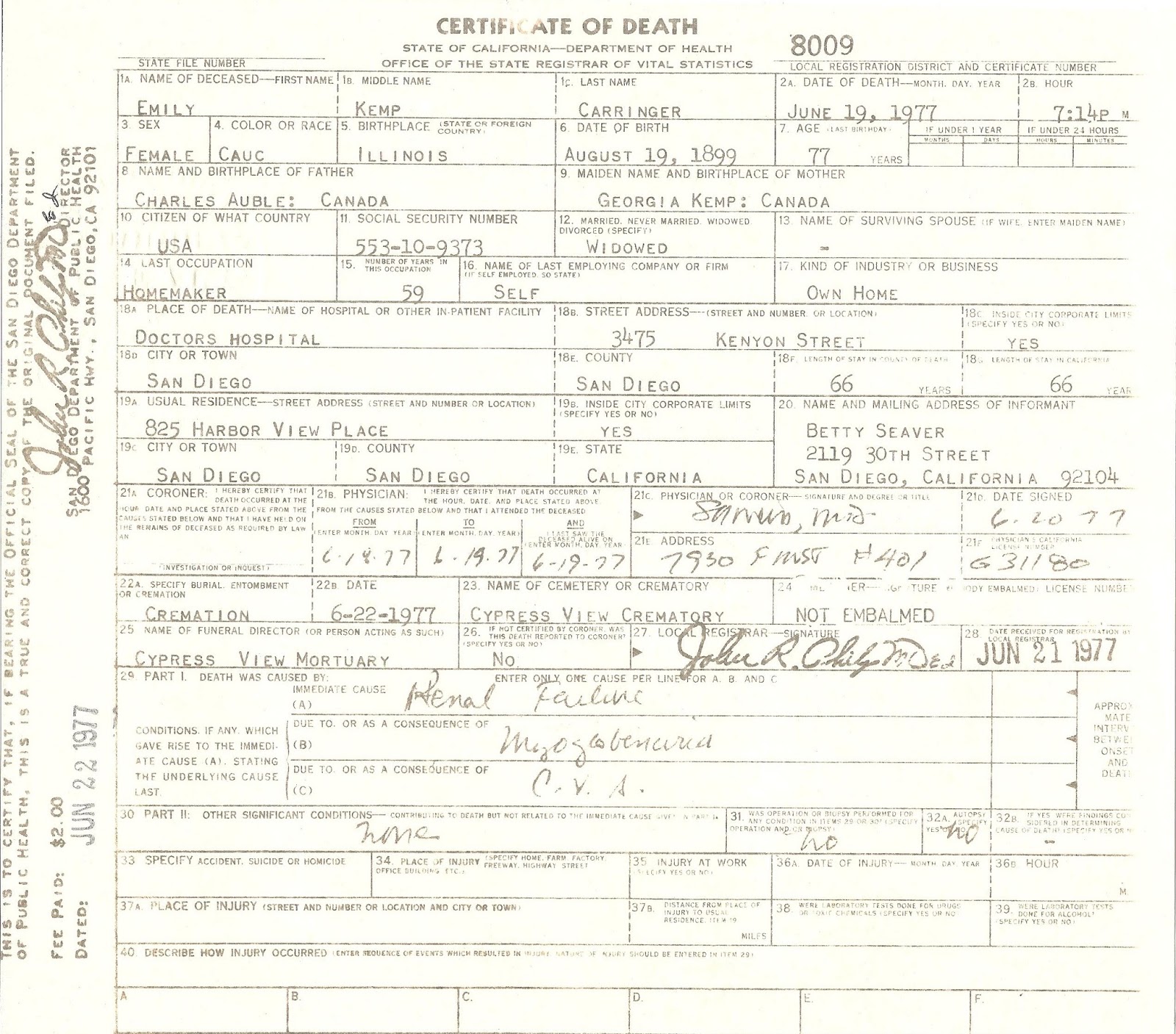
- For Death Records: Full name of the decedent, date of death, city or county of death, and social security number (if known).
- For Marriage Records: Full names of both parties prior to marriage, date of marriage, and the city or county where the license was issued.
Step 2: Choose Your Application Method
San Diego County provides three primary avenues for submitting requests: in-person, by mail, and through approved third-party digital fulfillment services.
- In-Person Visits: Generally provides the fastest turnaround, often allowing you to walk out with the certificate the same day. Check if an online appointment system is active to minimize wait times.
- Mail-In Requests: Requires printing the application form, completing the mandatory sworn statement, attaching payment by check or money order, and having your signature notarized for authorized copies. Mail packets to the San Diego County Recorder's mailing address.
- Online/Phone Services: While the county itself may partner with secure processing vendors (such as VitalChek) for expedited online ordering, be cautious of unauthorized third-party websites that charge excessive markup fees without official affiliation.
Step 3: Pay the Applicable Fees
Fees for vital records are mandated by state and local codes and are subject to periodic adjustment. Payment must be rendered at the time of application.
- Payment Methods: In-person offices typically accept cash, checks, money orders, and major credit/debit cards (often subject to a small processing fee). Mail-in requests require personal checks, cashier's checks, or money orders made payable to the "San Diego County Recorder."
- Non-Refundable Search Fee: By California law, the statutory fee covers the cost of searching for the record. If the record is not found, the fee is retained by the county to cover search labor, and a "Certificate of No Public Record" is issued upon request.
Troubleshooting Common Obstacles and Delays
Applicants frequently encounter specific hurdles when requesting vital records from San Diego County. Anticipating these challenges can save considerable time and frustration.
Unregistered or Delayed Births
If an individual was born at home or in a rural setting outside a standard hospital environment, the birth may not have been registered immediately. If the San Diego County Recorder has no record of the birth, applicants must contact the California Department of Public Health Vital Records office to check for delayed registration files or petition the San Diego Superior Court for a court-ordered delayed birth certificate.
Incorrect Indexing and Name Variations
Historical records often contain clerical errors, misspelled names, or data-entry discrepancies. If your initial search yields no results, consider alternative spellings, maiden names, middle names, or inverted first and last names. Providing a broader date range or contacting a clerk directly for assistance with archival searches can resolve indexing mismatches.
Rejected Mail Applications
The most common reason mail applications are rejected is the absence of a properly executed, notarized sworn statement for authorized copies. Ensure your notary public includes a clear, legible stamp or seal and that your signature matches the name on the application form. Personal checks must also match the name of the applicant of record.
Frequently Asked Questions
Can I walk into any San Diego County office to get a birth certificate?
Yes, provided you visit one of the official San Diego County Recorder branch offices equipped with vital records issuance counters. However, checking operating hours, holiday closures, and appointment availability online prior to your visit is strongly advised.
How long does it take to receive a certificate by mail?
Processing times for mail-in requests fluctuate based on seasonal volume and staffing levels. Typically, mail requests take anywhere from two to four weeks from the date the county receives the application packet.
What happens if the county cannot find my record?
If a thorough search of the San Diego County vital statistics database yields no results, the statutory search fee is non-refundable. You will receive an official notification stating that no record was found, which you can then use to escalate your search to the state level or pursue alternative genealogical avenues.
Are vital records available online directly from the county website?
San Diego County generally does not issue official, legally binding certified vital records via unsecured direct downloads over the internet due to strict privacy and security laws. Secure third-party partners like VitalChek are occasionally utilized for expedited digital orders, or you must apply in person or by mail.
Can I obtain a vital record for someone born outside of San Diego County?
No. The San Diego County Office of Vital Records only maintains custody of records for vital events that physically occurred within San Diego County. Events occurring in other California counties must be requested from the respective county recorder or the state vital records office.
Next Actions for Applicants
To proceed efficiently, identify whether your required document is a birth, death, or marriage certificate and confirm your eligibility for an authorized copy versus an informational copy. Gather all known identifying data points—such as exact dates and full legal names—and download the correct application form from the official San Diego County Assessor/Recorder/County Clerk portal. Choose your preferred fulfillment channel, prepare the exact fee payment, and ensure your documentation is complete before submission to prevent processing delays.
Image Gallery