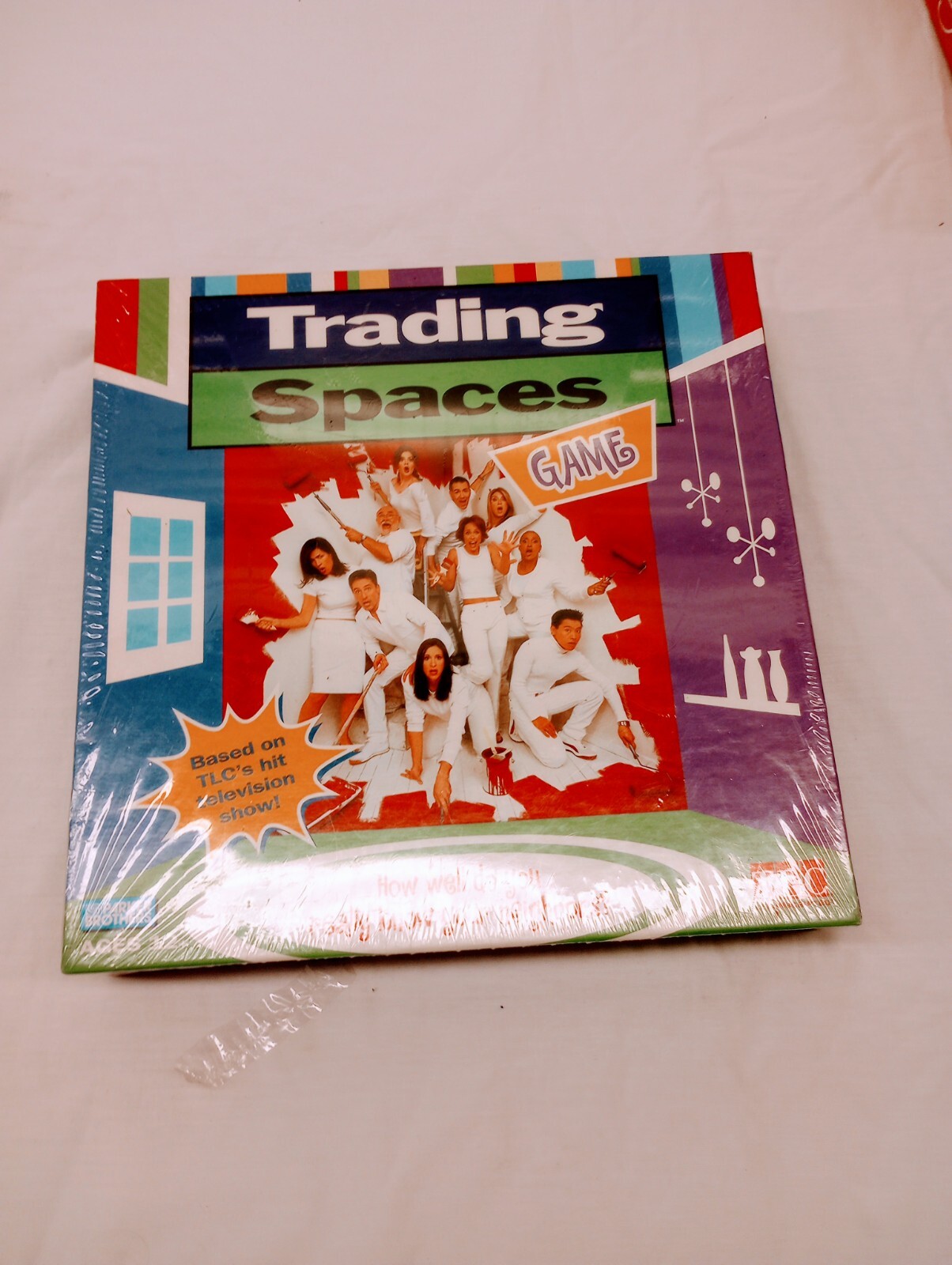
The Complete History, Impact, and Legacy of TLC's Trading Spaces
Trading Spaces revolutionized the home renovation television genre by combining DIY creativity, neighborly collaboration, and dramatic reveals under the guidance of professional designers and carpenters. The premise of Trading Spaces r...
Trading Spaces revolutionized the home renovation television genre by combining DIY creativity, neighborly collaboration, and dramatic reveals under the guidance of professional designers and carpenters.
Contents
The premise of Trading Spaces relies on a simple yet high-stakes social experiment: two sets of neighboring homeowners swap houses for 48 hours, surrender a designated room and a modest budget to each other, and entrust their spaces to professional interior designers and carpenters. The show originally aired on TLC from 2000 to 2008, drawing massive ratings and defining the early era of lifestyle cable television. It later returned for a revival season in 2018, cementing its status as a foundational pillar of modern home improvement programming.
The Origins and Evolution of Trading Spaces
The genesis of Trading Spaces traces back to the British television format Changing Rooms, which aired on BBC Two and BBC One. Recognizing the format's potential for American audiences, TLC (The Learning Channel) adapted the concept, launching the series in October 2000.
In its earliest iterations, the show captured an unpolished, highly authentic documentary style. The budget was famously tight—starting at just $1,000 for the room makeover—and the participants were genuinely everyday neighbors rather than polished media personalities. Hosted initially by Alex McLeod and later by Paige Davis, the series quickly found its footing. Paige Davis became the definitive face of the franchise, guiding participants through emotional breakdowns, design disagreements, and the final nerve-wracking countdown.
Transition From Niche Cable to Cultural Phenomenon
During the early 2000s, TLC was shifting away from traditional educational programming toward reality and lifestyle entertainment. Trading Spaces spearheaded this transition. By pitting neighbors against one another in a creative and psychological test of trust, the show generated unprecedented engagement.
Viewers tuned in not just for the DIY tips—which were often experimental and occasionally disastrous—but for the interpersonal drama. The climax of every episode, where homeowners walked back into their radically altered rooms for the first time, produced iconic television moments ranging from ecstatic tears to stunned, icy silence.
Core Mechanics: Rules, Budgets, and Timelines
Understanding how Trading Spaces operated requires looking at the strict operational constraints imposed on the participants, designers, and production crew. These rules dictated the pace of the show and frequently fueled the tension on screen.
- The 48-Hour Window: All renovation work had to be completed within a strict two-day timeframe. This necessitated aggressive scheduling, wet-paint management, and intense physical labor from the homeowners.
- The Budget: The initial budget of $1,000 was increased to $2,000 in later seasons to account for material inflation, though this sum still required extreme thriftiness and heavy reliance on DIY crafts.
- The Designer and Carpenter Pairing: Each team of homeowners was assigned one professional designer and one carpenter. The designers conceived the aesthetic vision, while the carpenters ensured structural integrity and built custom furniture pieces.
- The No-Entry Rule: Homeowners were strictly barred from entering their own homes or seeing the work in progress until the final reveal, ensuring genuine reactions.
Key Personnel and Creative Forces
The success of Trading Spaces relied heavily on its revolving cast of eccentric, talented, and occasionally polarizing designers and carpenters. Their distinct creative philosophies shaped the aesthetic of home renovation television for decades.
| Cast Member | Role | Notable Style / Legacy |
|---|---|---|
| Paige Davis | Host | Anchored the show through its peak years and revival, known for empathy and energetic guidance. |
| Ty Pennington | Carpenter | Became a breakout star known for high energy, quirky ideas, and later hosting Extreme Makeover: Home Edition. |
| Hildi Santo-Tomas | Designer | Famous for polarizing, avant-garde design choices, including gluing straw, sand, and hundreds of wine labels to walls. |
| Vern Yip | Designer | Known for clean, structured, elegant, and highly functional Asian-inspired and contemporary designs. |
| Doug Wilson | Designer | Renowned for bold, contemporary choices, occasional mischief, and memorable clashes with homeowners. |
| Carter Oosterhouse | Carpenter | Joined the cast later in the original run, bringing craftsmanship and a polished television presence. |
The 2018 Revival and Modern Legacy
After a decade-long hiatus following its cancellation in 2008, TLC revived Trading Spaces in the spring of 2018. The revival brought back many original fan-favorite designers, carpenters, and host Paige Davis, updating the visual style and production values for a modern audience while retaining the core premise.
The revival acknowledged the evolution of the home renovation genre, which had grown more sophisticated and polished through shows on HGTV and the Magnolia Network. However, Trading Spaces leaned into its nostalgic roots, proving that audiences still craved the raw, unpredictable nature of amateur-driven renovation over heavily staged transformations.
Lasting Impact on the Home Renovation Genre
Trading Spaces fundamentally changed the television landscape by proving that lifestyle programming could achieve prime-time ratings success. It paved the way for the explosion of home improvement networks and streaming content dedicated entirely to real estate, flipping, and interior design.
Furthermore, the show popularized accessible DIY culture. By demonstrating that ordinary people could paint cabinets, build shelving units, and reupholster furniture on a modest budget, it inspired a generation of homeowners to take control of their living spaces.
Common Criticisms and Creative Disasters
While beloved, Trading Spaces is equally famous for its design failures. The 48-hour turnaround and low budget forced designers to take extreme risks, occasionally resulting in transformations that horrified the homeowners.
- The Sand Room: Designer Hildi Santo-Tomas famously glued hundreds of pounds of beach sand to the walls and floor of a living room, creating a maintenance nightmare for the homeowners who found sand tracking through their entire house for months.
- Straw Walls: Another infamous Hildi creation involved adhering straw directly to drywall, which shed continuously and created severe allergy and cleaning issues.
- Writing on Walls: Several episodes featured designers writing poetry, scripture, or abstract text directly onto walls or furniture, which many homeowners immediately painted over.
These missteps added to the cultural lore of the series, turning design disasters into legendary television moments that are still discussed in pop culture retrospectives.
Frequently Asked Questions
Did the homeowners actually keep the changes made by their neighbors?
Yes. The changes made during the 48-hour production window were permanent. While some homeowners embraced their new rooms, others quietly repainted or completely gutted the spaces shortly after filming concluded.
What happened to the original cast of Trading Spaces?
Many cast members transitioned to other television projects. Ty Pennington became the host of Extreme Makeover: Home Edition, Vern Yip hosted several HGTV programs, and Paige Davis continued her work in theater and television hosting.
How much was the renovation budget on Trading Spaces?
For the majority of the original run, the budget was $1,000 per room. In later seasons and the 2018 revival, the budget was increased to $2,000 to accommodate rising material costs.
Can you still watch classic episodes of Trading Spaces?
Yes. Episodes of the original run and the 2018 revival are available for streaming on various digital platforms, including discovery+ and Max, depending on regional licensing agreements.
Next Actions and Further Exploration
For viewers interested in exploring the broader history of home renovation television, reviewing archival episodes on streaming platforms offers a fascinating look at early 2000s design trends. Aspiring DIYers can also examine modern home improvement forums and instructional guides to adapt the creative budgeting strategies of Trading Spaces to contemporary renovation projects without risking structural damage.
Image Gallery