Exploring the Cinematic Legacy and Mechanics of Dominic's Garage in Fast & Furious
Dominic Toretto’s garage serves as the emotional and mechanical epicenter of the Fast & Furious franchise, representing family heritage, wrench culture, and the birthplace of legendary muscle cars. Far more than a simple backdrop, this...
Dominic Toretto’s garage serves as the emotional and mechanical epicenter of the Fast & Furious franchise, representing family heritage, wrench culture, and the birthplace of legendary muscle cars. Far more than a simple backdrop, this iconic location anchors the narrative evolution of the series, shifting from a humble neighborhood sanctuary in Los Angeles to a symbol of global resilience and high-performance automotive engineering.
Contents
The Cultural and Narrative Significance of Dominic’s Garage
The cinematic universe of Fast & Furious relies heavily on visual touchstones that ground its increasingly physics-defying spectacles in gritty, tangible reality. Dominic Toretto’s garage, originally situated in the historic neighborhood of Echo Park in Los Angeles, acts as the spiritual home of the franchise. It is where characters bond over spilled oil, debate the merits of American muscle versus imported tuners, and forge unbreakable ties that supersede blood.
In the 2001 original film directed by Rob Cohen, the garage establishes the modest socio-economic roots of Dom and his crew. It stands in stark contrast to the corporate wealth and sterile environments of their adversaries. Every dented quarter-panel, scattered wrench, and engine block hoist tells a story of late-night labor and mechanical dedication. When the original garage is destroyed or left behind as the characters are pulled into international espionage, its absence is deeply felt, symbolizing the disruption of their domestic peace.
As the franchise expanded over two decades, the concept of the garage evolved. It transitioned from a local neighborhood fix-it shop into a secure, technologically advanced staging ground capable of supporting multi-million-dollar heist operations and covert rescue missions. Yet, regardless of its geographic location or architectural upgrade, the core identity of "Dom's garage" remains tied to the tactile, analog experience of rebuilding classic internal combustion engines by hand.
Evolution of the Garage Through the Franchise
The physical location and scale of Dominic’s workspace shifted alongside the narrative scope of the movies. Understanding this evolution requires tracing the garage through key installments of the cinematic timeline:
- The Echo Park Era (The Fast and the Furious, 2001): The foundational space. Characterized by exposed brick, hand tools hanging on pegboards, and the legendary 1970 Dodge Charger R/T resting on jack stands. This location establishes the working-class aesthetic of the crew.
- The Transnational Safehouses (Fast & Furious 6 & Furious 7): Following the events of Fast Five, the crew operates out of various temporary, high-security compounds. However, the emotional core always returns to the concept of rebuilding the original Echo Park home, which eventually occurs, symbolizing closure and renewal.
- The Modern Compound (The Fate of the Furious and Beyond): In later chapters, the workspace integrates modern diagnostic equipment, heavy fabrication tools, and secure communication relays, reflecting the crew's transition from street racers to global operatives.
| Film / Era | Primary Location | Key Automotive Focus | Narrative Significance |
|---|---|---|---|
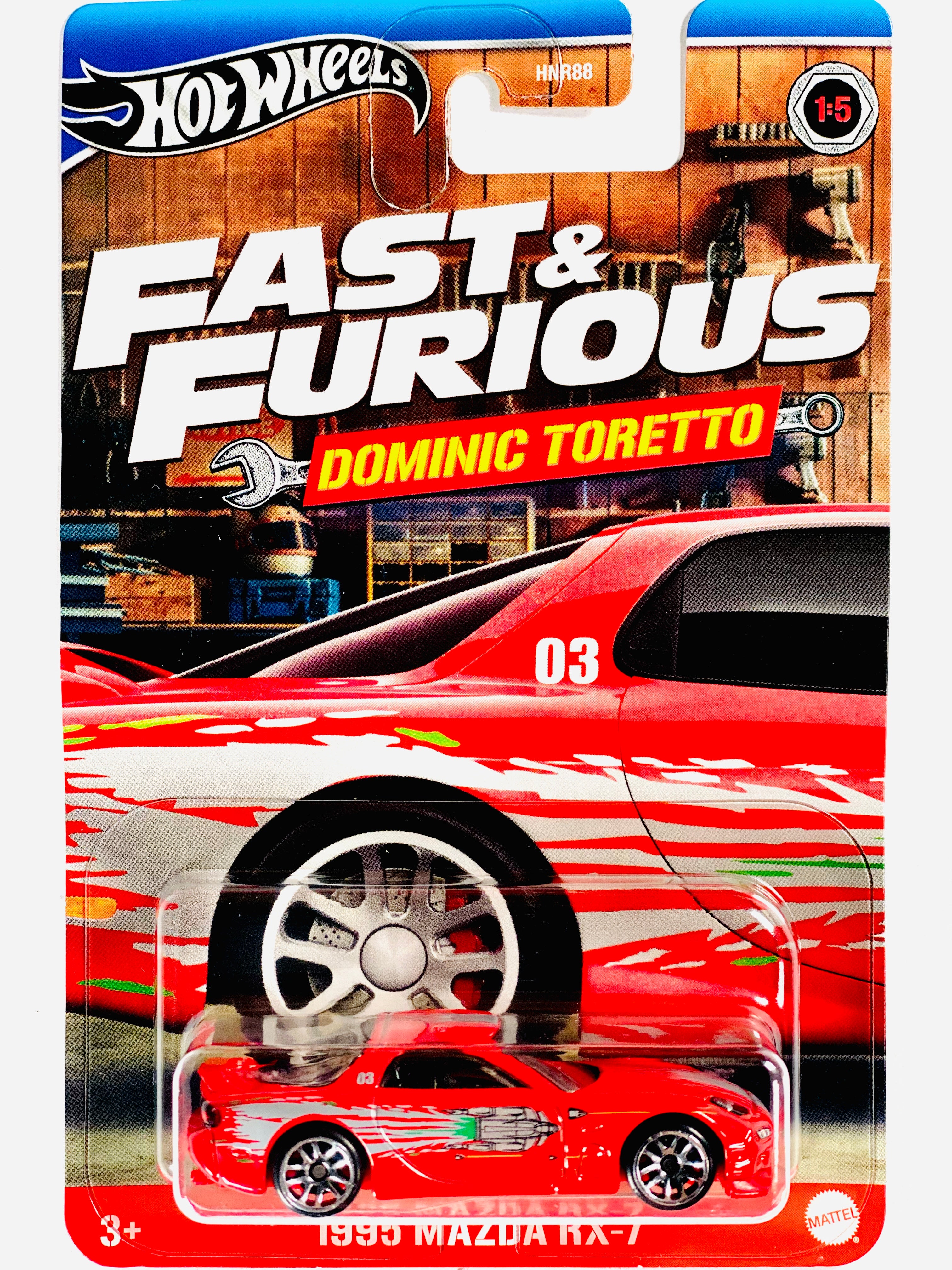
| The Fast and the Furious (2001) | Echo Park, Los Angeles | 1970 Dodge Charger, Mazda RX-7 | Establishment of family bonds and working-class wrench culture. |
| Fast & Furious (2009) | Los Angeles / Mexico Border | 1970 Chevrolet Chevelle SS, Buick Grand National | Mourning, vengeance, and the reunion of Dom and Brian. |
| Furious 7 (2015) | Rebuilt Echo Park Home | Off-road modified Charger, various imports | Rebuilding roots after trauma and international conflict. |
| F9 & Fast X (2023–2026) | Rural and Secure Compounds | Mid-engine Charger, heavy-duty utility vehicles | Defense against systemic global threats while maintaining domestic traditions. |
Iconic Vehicles Associated with the Garage
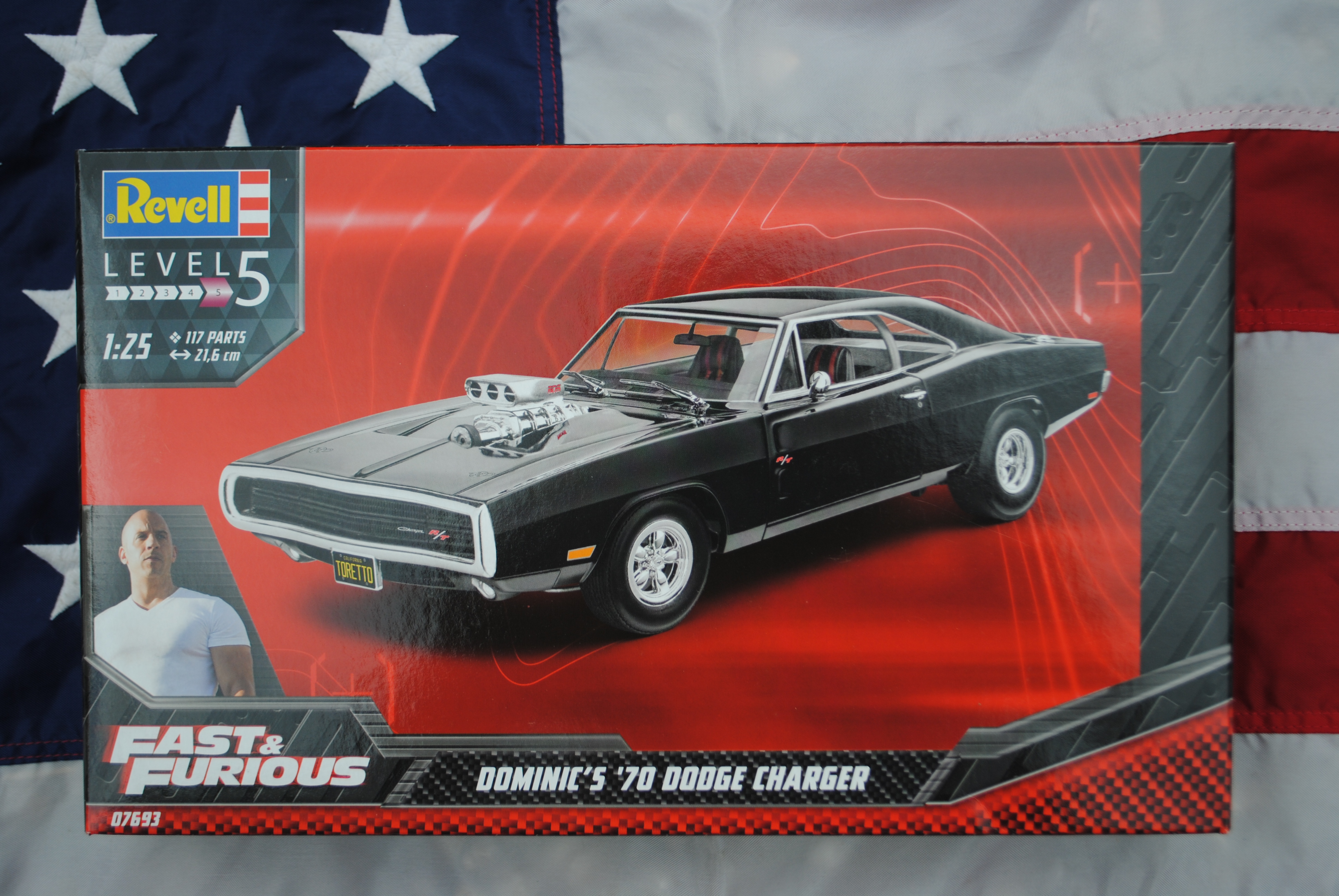
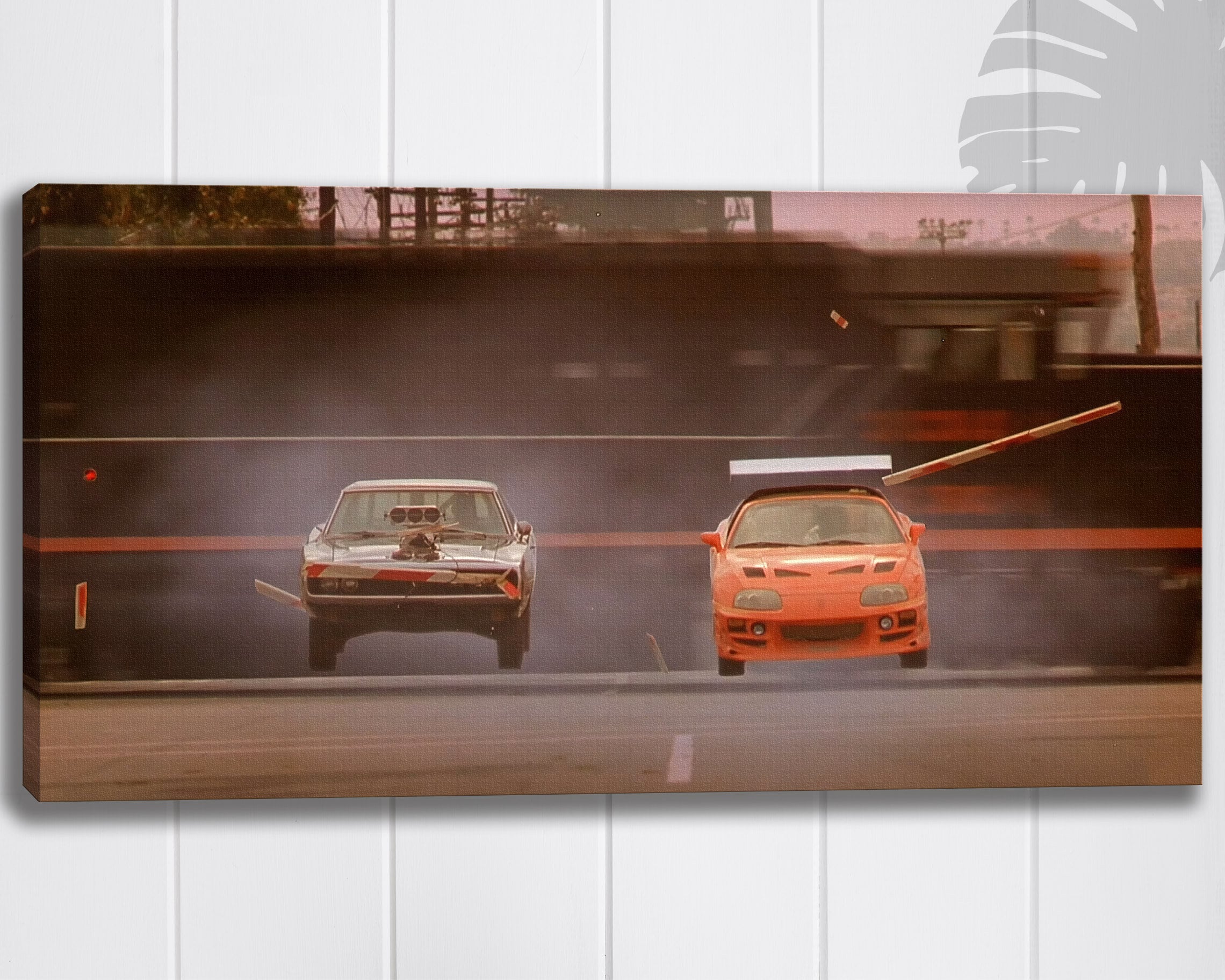
No discussion of Dominic’s workspace is complete without examining the machinery that rolled out of its bay doors. The garage is synonymous with classic American muscle, most notably the iconic black 1970 Dodge Charger R/T equipped with a menacing BDS blower protruding through the hood. This vehicle represents Dom's psychological state: raw, powerful, and intimidating, yet harboring delicate complexities that require a master mechanic to harness.
Other notable builds associated with the garage include the red 1970 Chevrolet Chevelle SS, the 1970 Plymouth Road Runner, and the custom off-road variants featured in later sequels. Each car is treated as a character in its own right, built to withstand extreme punishment while retaining a classic aesthetic. The wrenching scenes inside the garage emphasize the mechanical principles of carburetion, supercharging, and chassis reinforcement, giving automotive enthusiasts authentic details amidst the cinematic fiction.
Behind the Scenes: The Real-World Sets and Production Design
While the narrative places Dominic’s garage firmly in Echo Park, the reality of film production involves intricate set design and location scouting. For the 2001 original film, exterior shots of the house and garage were filmed at a real residential property located on Kensington Road in Los Angeles. This physical location became a landmark for fans of the franchise, drawing automotive enthusiasts from around the world to pay homage to the cinematic site.
Production designers and prop masters faced the ongoing challenge of making the garage look genuinely lived-in. Every tool, fluid container, and spare part was strategically placed to reflect authenticity. Grease stains on the concrete floors and authentic vintage automotive signage were utilized to create an immersive environment for the actors, allowing them to interact naturally with the space as if they were genuine mechanics spending their weekends tuning carburetors.
Frequently Asked Questions
Where is Dominic Toretto's original garage located in real life?
The exterior and house featured in the original 2001 film are located on Kensington Road in the Echo Park neighborhood of Los Angeles, California. While the interior scenes for later films were often constructed on soundstages or in alternative production facilities, the Kensington Road location remains the iconic visual anchor for the franchise's fans.
What is the most famous car built in Dominic's garage?
The 1970 Dodge Charger R/T, featuring a massive supercharger blower mounted atop its V8 engine, is universally recognized as the definitive vehicle associated with Dominic Toretto and his garage. It appears across multiple films in the franchise, symbolizing Dom's refusal to abandon old-school mechanical power.
Are the mechanical repairs shown in the garage realistic?
While the franchise prioritizes cinematic spectacle and dramatic license—such as instantaneous engine builds or physics-defying stunts—the foundational terminology, tools, and automotive archetypes (like superchargers, roll cages, and carburetion) are rooted in genuine hot-rod and muscle car culture.
Why is the garage such a central motif in the Fast & Furious series?
The garage serves as a physical manifestation of the franchise's core theme: family. It is a sanctuary where characters from diverse backgrounds unite through shared labor, mutual respect, and a passion for automobiles, creating a sense of belonging that transcends traditional kinship.
Can visitors tour Dominic's garage today?
The residential property in Echo Park can be viewed from public streets, but it is a private residence. Fans frequently visit the exterior for photographs, but unauthorized entry onto the property is prohibited.
Practical Recommendations for Fans and Automotive Enthusiasts
For enthusiasts inspired by the wrench culture depicted in Dominic’s garage, channeling that passion into real-world automotive projects requires patience, safety gear, and foundational mechanical knowledge. Starting a classic car restoration or performance build demands a dedicated workspace, proper ventilation, torque wrenches, and a commitment to understanding the physics of internal combustion. Whether working on a vintage American muscle car or a modern platform, the spirit of the garage lives on through hands-on dedication, continuous learning, and respect for automotive craftsmanship.
Image Gallery