How to Decide Whether to Get Life Insurance
Deciding whether to get life insurance depends entirely on whether anyone depends on your income, whether you have accumulated enough wealth to self-insure, and what specific financial risks you need to cover after your passing. Evalua...
Deciding whether to get life insurance depends entirely on whether anyone depends on your income, whether you have accumulated enough wealth to self-insure, and what specific financial risks you need to cover after your passing. Evaluating these factors requires looking closely at your current debts, future expenses, and existing financial safety nets.
Contents
Choosing whether to purchase a life insurance policy is one of the most personal and consequential financial decisions an adult can make. For many, the choice feels clouded by complex terminology, aggressive sales tactics, and uncertainty about the future. However, breaking the decision down into a structured evaluation of your financial obligations and household vulnerabilities strips away the guesswork. By examining your life stage, financial dependents, debt obligations, and savings, you can determine if a policy is a necessity or an unnecessary expense.
Understanding the Core Purpose of Life Insurance
The fundamental purpose of life insurance is not to build wealth or act as an investment vehicle for the average earner; rather, it is to replace lost income and cover financial liabilities if you were to die prematurely. If you have people who rely on your financial contributions to maintain their standard of living, pay rent, or fund education, life insurance acts as a financial bridge.
Conversely, if you have no dependents and your estate is large enough to cover your final expenses and debts, life insurance serves little to no purpose. Understanding this distinction is the first step in avoiding policies you do not need. Insurance companies spread risk across millions of policyholders, meaning you pay a premium for peace of mind and income replacement. Evaluating your need for that risk transfer requires a comprehensive audit of your current life stage and financial commitments.
Assessing Your Financial Dependents and Obligations
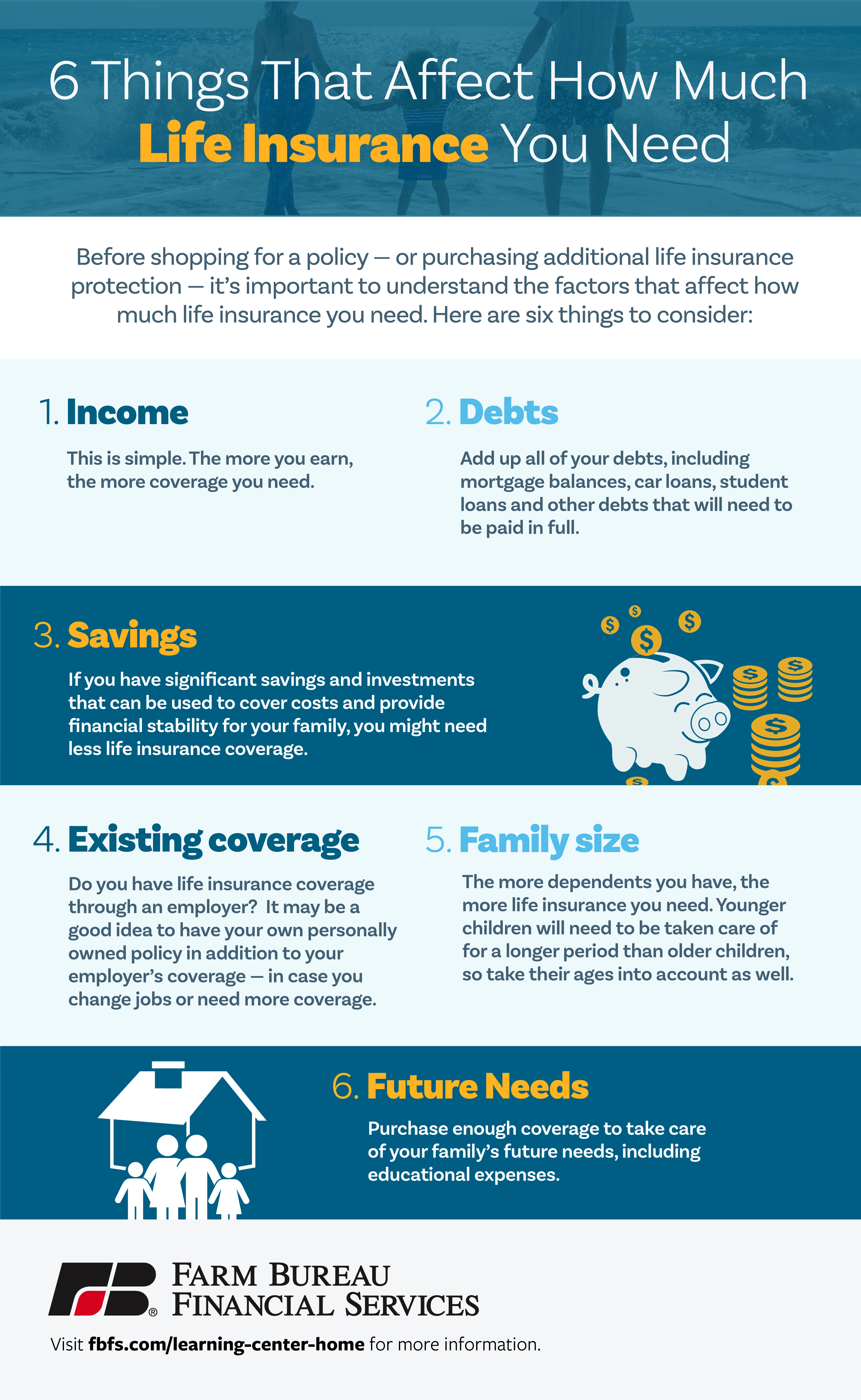
The primary driver for purchasing life insurance is the presence of financial dependents. When determining your need for coverage, you must ask a blunt question: If your income vanished tomorrow, who would suffer financially?
- Spouses and Partners: If your partner relies on your income to pay the mortgage, utilities, and daily living expenses, a sudden loss of that income could force them into financial distress or necessitate a rapid, unwanted lifestyle change.
- Minor Children: Children require substantial financial investment until they reach adulthood. Life insurance ensures that funds are available for food, clothing, housing, and higher education if a parent dies.
- ** Aging Parents or Special Needs Dependents:** If you financially support elderly parents or have an adult child with a disability who will require lifelong care, your financial responsibility does not end with your passing. Life insurance can fund special needs trusts or provide ongoing support.
Beyond dependents, you must evaluate shared debts. Cosigned student loans, joint credit cards, and shared auto loans do not always vanish when you die. If a co-signer or spouse is legally tied to your debt, a life insurance policy prevents them from inheriting a crushing financial burden alongside their grief.
Term Life Versus Permanent Life Insurance
Once you establish that you need coverage, the next major decision involves choosing between the two primary categories of life insurance: term life and permanent life insurance.
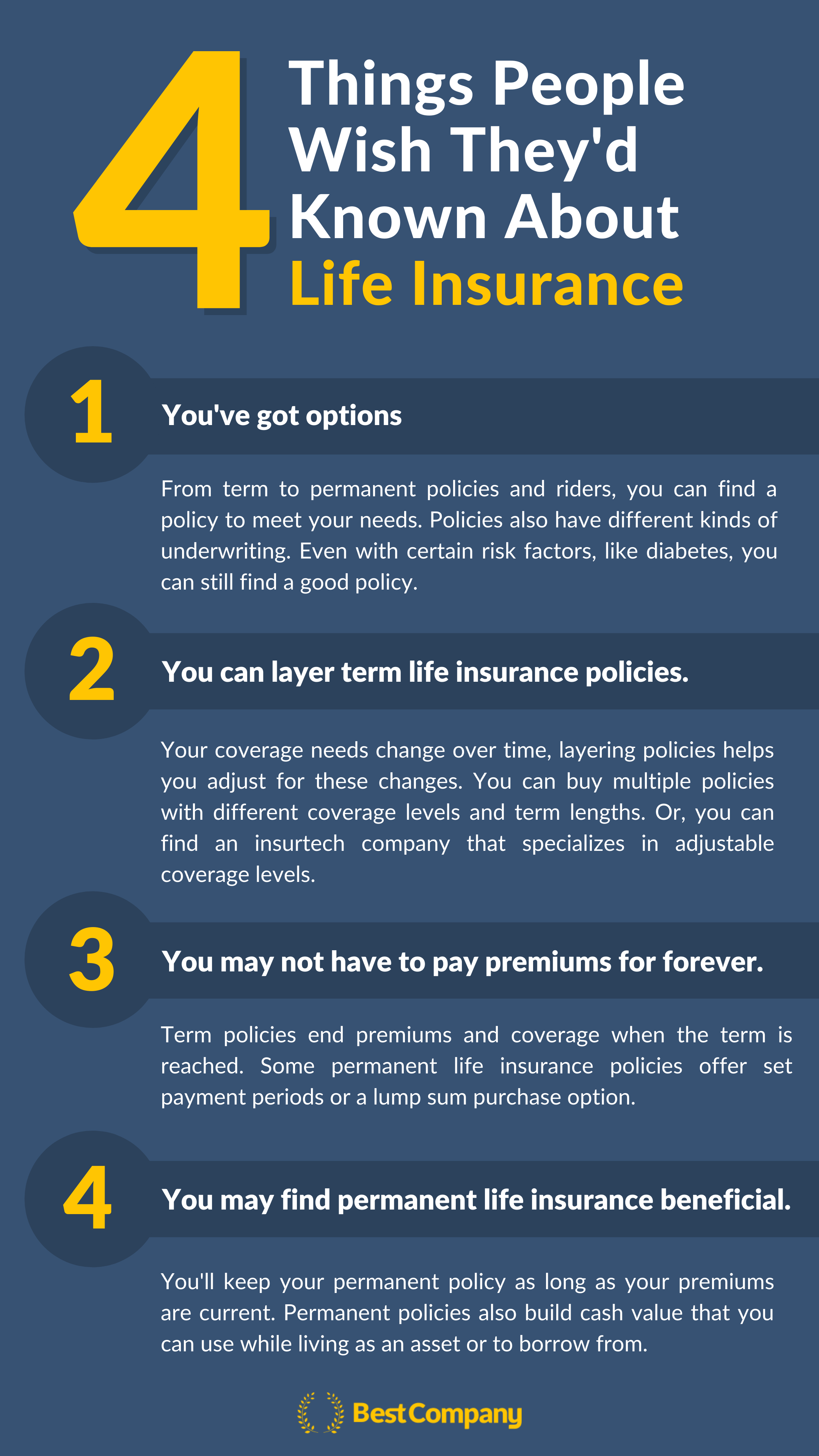
Term life insurance provides coverage for a specific period, such as 10, 20, or 30 years. It is designed to cover temporary obligations, such as a mortgage or the years children are growing up. Because it has no cash value component, term life insurance is significantly more affordable and offers straightforward income replacement.
Permanent life insurance, which includes whole life and universal life policies, provides coverage for your entire life and includes a cash-value savings component. While this sounds attractive, permanent insurance can be five to fifteen times more expensive than term insurance for the same death benefit. Financial advisors generally recommend term insurance for most people because it provides maximum protection during peak liability years at an affordable cost, freeing up capital for retirement investments.
| Feature | Term Life Insurance | Permanent Life Insurance (Whole/Universal) |
|---|---|---|
| Duration | Specific period (e.g., 10 to 30 years) | Entire lifetime of the insured |
| Cost | Generally low and affordable | Significantly higher premiums |
| Cash Value | None | Accumulates tax-deferred cash value |
| Primary Use | Income replacement, debt coverage, raising children | Estate planning, lifelong final expense coverage |
| Complexity | Simple structure | Complex fee structures and variable returns |
Calculating How Much Coverage You Actually Need
If you determine that you need a policy, calculating the correct coverage amount prevents you from being underinsured or wasting money on excessive premiums. Relying on rough rules of thumb, such as buying a policy worth ten times your salary, can lead to inaccurate coverage because it ignores your unique financial picture.
A more reliable method is the DIME formula, which accounts for four major categories:
- Debt: Add up all outstanding debts, including credit cards, car loans, and personal loans, excluding your mortgage if you plan to cover that separately.
- Income: Multiply your annual salary by the number of years your dependents will need support before they can become self-sufficient.
- Mortgage: Determine the exact payoff amount required to clear your home loan so your family can live rent-free.
- Education: Estimate the future cost of college tuition or trade school for any children you have.
Subtract your current liquid savings and existing retirement accounts from this total sum. The remaining balance represents the approximate death benefit you should seek from a policy.
When You Might NOT Need Life Insurance
It is equally important to recognize scenarios where purchasing life insurance is a waste of financial resources. Insurance salespeople often pitch policies as universally necessary, but financial realities dictate otherwise.
You likely do not need life insurance if:
- You are single, have no dependents, and have no shared debts or financial obligations to others.
- You have already accumulated enough wealth, investments, and retirement funds that your estate can easily self-insure against final expenses and any outstanding liabilities.
- You are retired, your children are financially independent, and your mortgage is fully paid off.
- The cost of the premium strains your monthly budget to the point where you cannot afford basic necessities or emergency savings.
Frequently Asked Questions About Life Insurance
Can I get life insurance if I have pre-existing medical conditions?
Yes, many insurance providers specialize in underwriting policies for individuals with chronic health conditions like diabetes, high blood pressure, or past cancer diagnoses. However, your premiums will likely be higher, or you may need to look into simplified issue or guaranteed issue policies that do not require a medical exam.
Does my employer-provided life insurance policy provide enough coverage?
Usually, employer-sponsored group life insurance provides a basic benefit equal to one or two times your salary, which is rarely enough for a family with a mortgage and children. Furthermore, if you leave your job, you typically lose that coverage, making an individual private policy a safer, more reliable option.
At what age is it best to buy a policy?
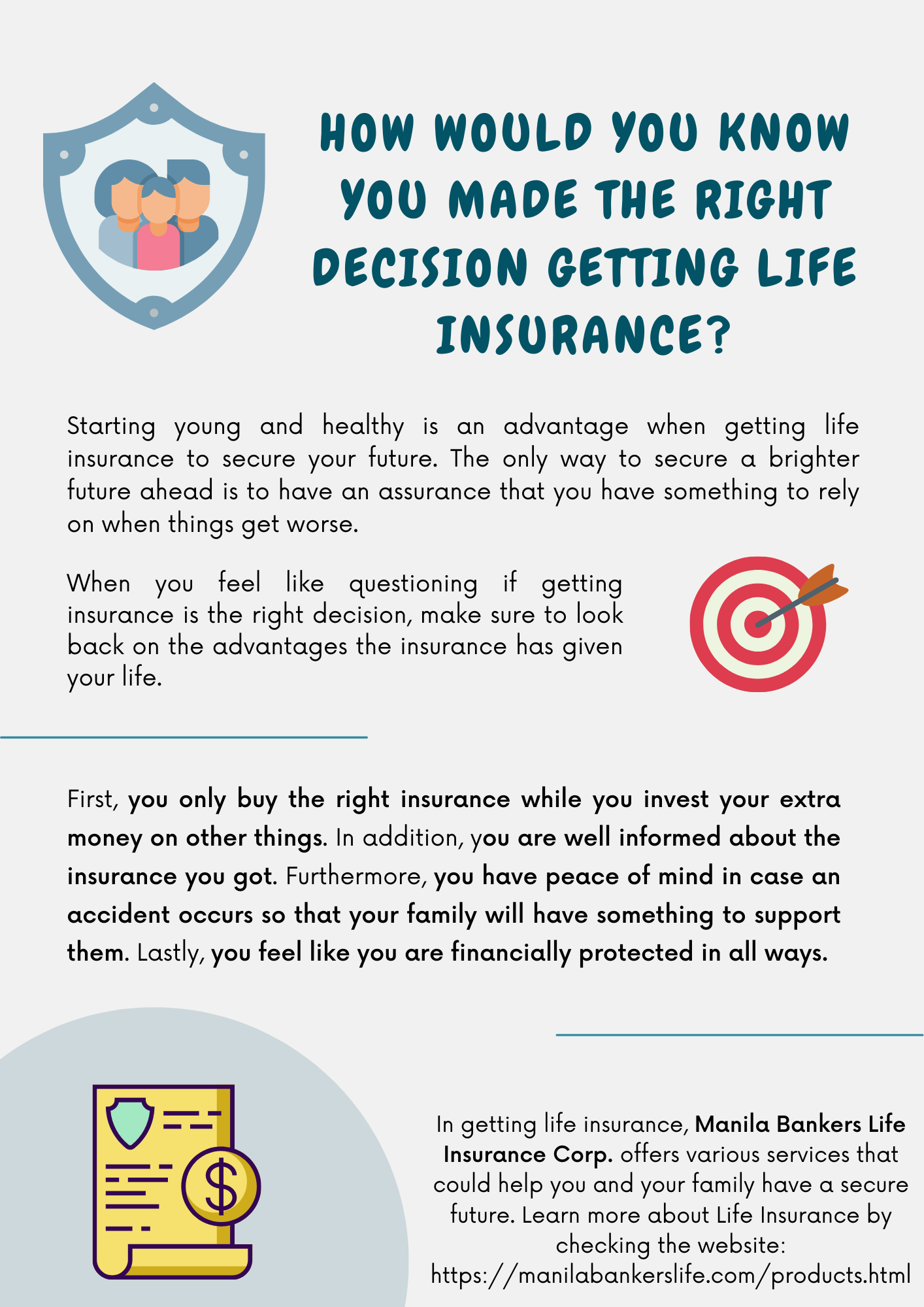
Locking in a policy when you are young and healthy yields the lowest possible premium rates. As you age, the statistical risk of mortality increases, making premiums exponentially more expensive for every year you delay purchasing coverage.
What happens if I stop paying my term life insurance premiums?
If you stop paying premiums on a term life insurance policy, the policy enters a grace period, usually lasting 30 days. If payment is not made within that window, the policy lapses, and your coverage terminates entirely with no payout upon death.
Is the payout from a life insurance policy taxable to my beneficiaries?
In most cases, life insurance death benefits paid out to designated beneficiaries are entirely income tax-free. However, if the policy is owned by your estate rather than an individual beneficiary, the payout may be subject to estate taxes depending on the total value of your estate.
Next Steps and Action Plan
Deciding on life insurance comes down to protecting the people who depend on you without crippling your monthly cash flow. Start by listing your debts, estimating your dependents' future living costs, and reviewing any existing coverage through your employer. If you find a gap that would cause financial devastation if you died tomorrow, request quotes for a level-term policy that matches your liability timeline. Consult with an independent insurance broker or a fee-only financial planner to review your calculations before signing a contract.
Image Gallery