Is Having a Life Insurance Policy a Good Idea? A Comprehensive Financial Evaluation
Deciding whether a life insurance policy is a good idea depends heavily on your financial obligations, dependents, and long-term wealth goals. For individuals with financial dependents or significant debt, life insurance is generally a...
Deciding whether a life insurance policy is a good idea depends heavily on your financial obligations, dependents, and long-term wealth goals. For individuals with financial dependents or significant debt, life insurance is generally a vital safety net that replaces lost income, covers final expenses, and protects family members from financial hardship. However, for single individuals with no dependents and substantial savings, the cost may outweigh the benefits.
Contents
Evaluating life insurance requires looking past the marketing of insurance companies to understand how different policies function, what they cost, and whether they align with your broader financial plan. Because financial products carry structural nuances and costs, consulting a fee-only financial planner or licensed insurance professional can help tailor these concepts to your personal circumstances.
Understanding the Core Purpose of Life Insurance
The fundamental purpose of life insurance is simple: to provide a tax-free financial payout—known as a death benefit—to your designated beneficiaries upon your passing. This cash injection is designed to bridge the gap between your current lifestyle and the financial reality your family would face without your income.
When you evaluate whether having a policy makes sense, you must analyze your human capital—the present value of the income you expect to earn over your working lifetime. If others rely on that human capital to pay the mortgage, buy groceries, or fund higher education, life insurance acts as a financial hedge against your premature death.
Conversely, if you have no dependents, minimal debt, and sufficient personal assets to cover your final disposition costs, the financial risk to others is negligible. In such cases, purchasing a policy serves little functional purpose unless it is utilized as part of an advanced estate-planning or tax-sheltering strategy.
Term Life Insurance Versus Permanent Life Insurance
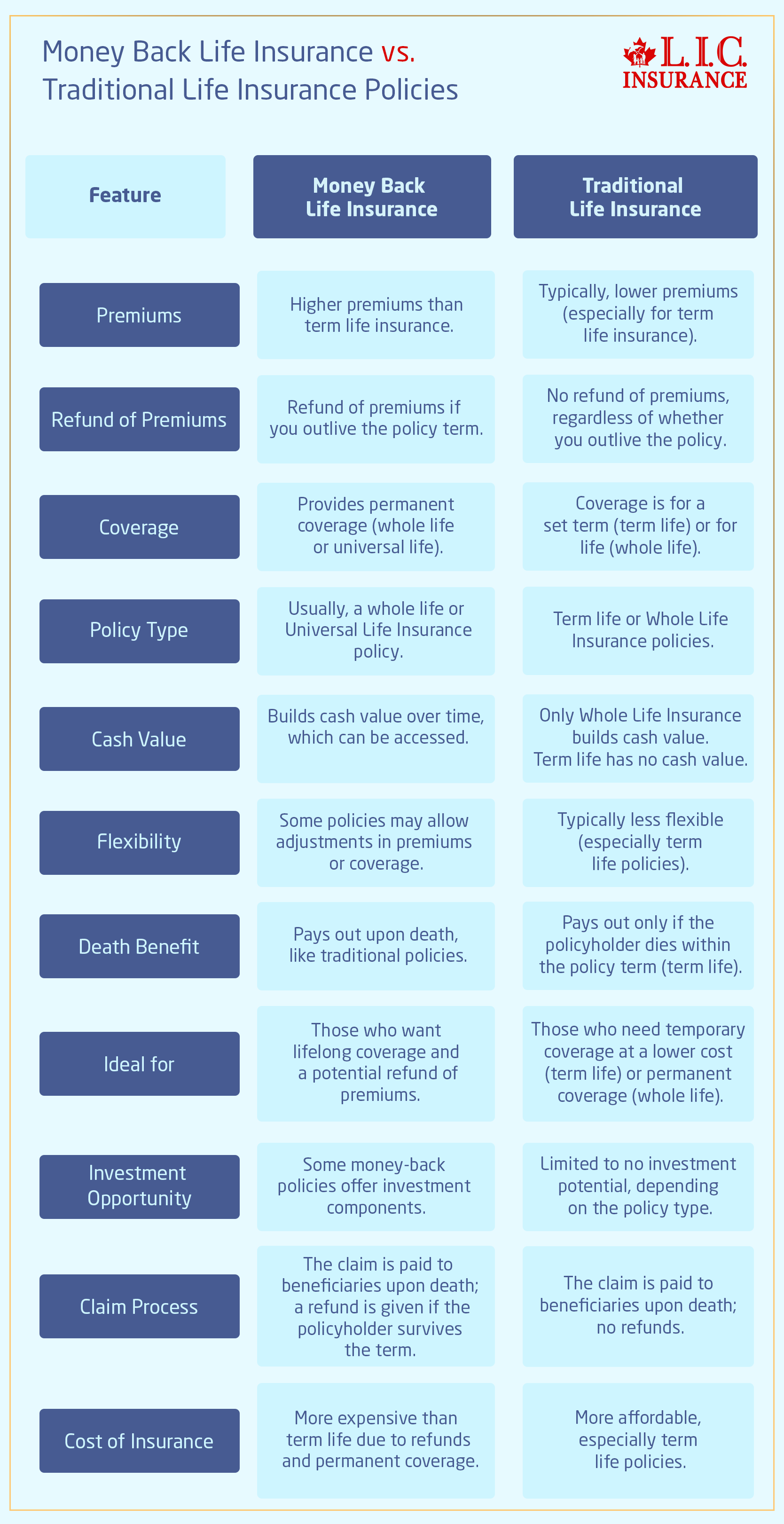
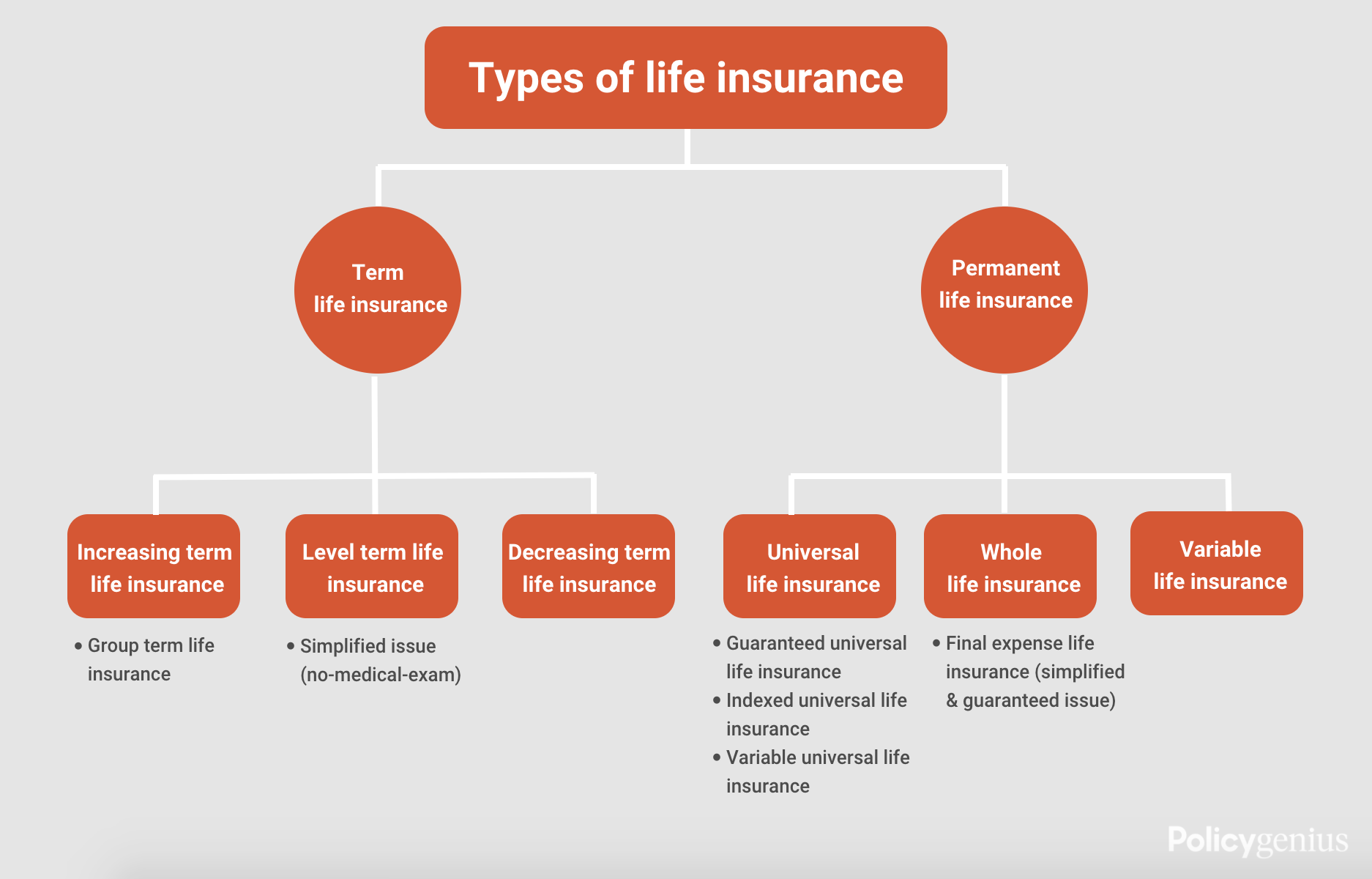
Life insurance generally falls into two distinct categories: term life insurance and permanent life insurance. Understanding the mechanics of each is crucial to determining which type—if any—fits your needs.
Term Life Insurance
Term life insurance provides coverage for a specific period, such as 10, 20, or 30 years. If you pass away during the active term, your beneficiaries receive the death benefit. If you outlive the term, the policy expires, and no benefits are paid out.
- Affordability: Term policies offer the highest coverage amounts for the lowest initial cost, making them accessible for young families and budget-conscious consumers.
- Simplicity: The contract is straightforward; you pay a level premium for the duration of the term, and the insurance company provides pure risk protection.
- Flexibility: Many term policies include a conversion option, allowing you to transition the policy into a permanent product later in life without undergoing a medical exam.
Permanent Life Insurance
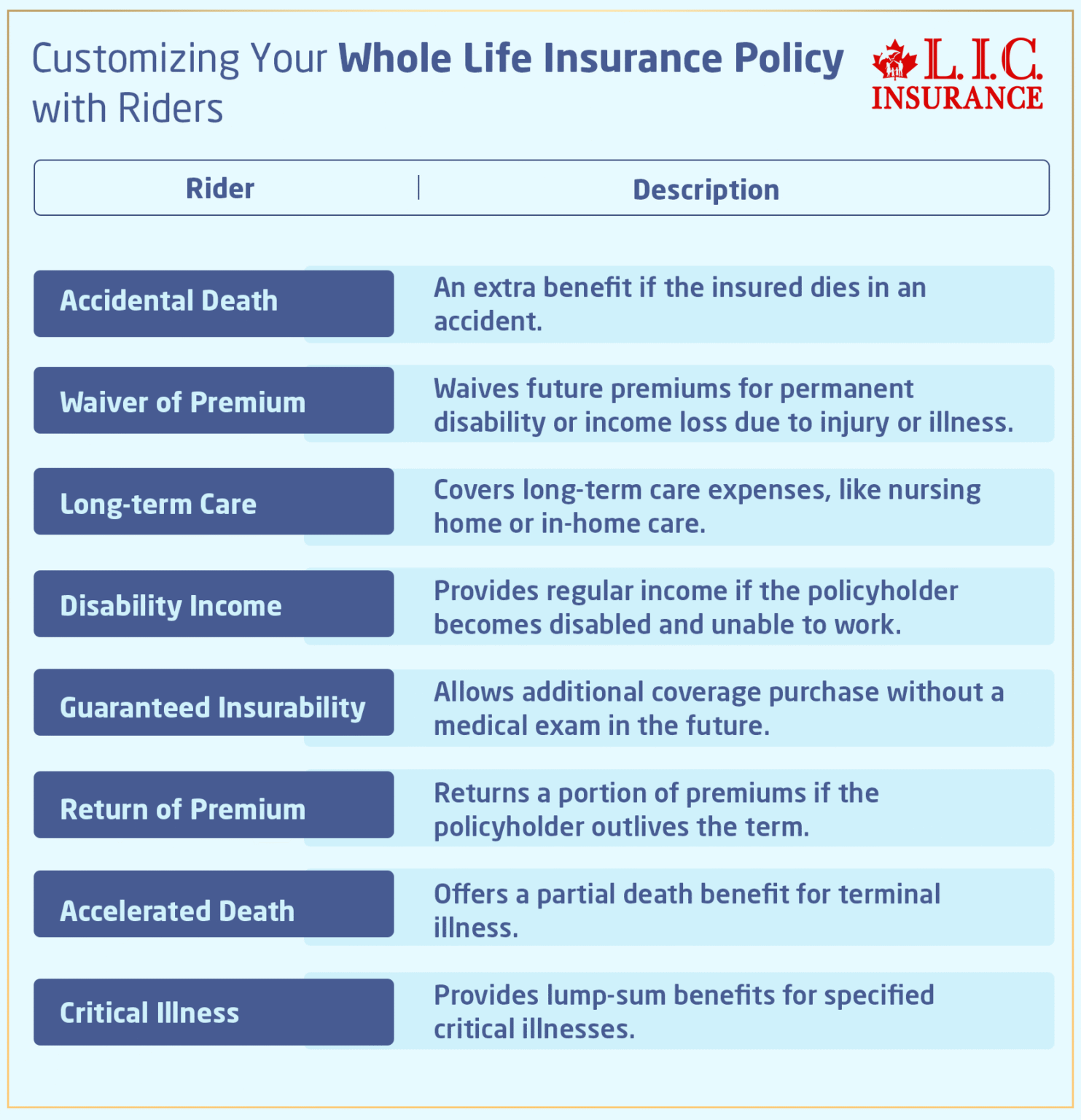
Permanent life insurance, which includes whole life and universal life, provides lifelong coverage and includes a cash value component that grows on a tax-deferred basis. A portion of your premium pays for the insurance, while the remainder is invested or credited with interest by the insurer.
- Lifetime Coverage: As long as premiums are paid, the policy remains active until death, regardless of how long you live.
- Cash Value Accumulation: Policyholders can borrow against or withdraw from the accumulated cash value, though doing so can reduce the final death benefit or cause the policy to lapse if mismanaged.
- Higher Costs: Premiums are significantly more expensive—often 5 to 15 times higher than term insurance for the same death benefit—because the insurer guarantees a payout eventually.
Who Benefits Most from Having Life Insurance?
Not everyone requires life insurance at every stage of life. Certain life milestones and financial responsibilities create a compelling need for coverage, while other situations render it unnecessary.
| Scenario / Life Stage | General Suitability |
|---|---|
| Parents with minor children | Highly Recommended (Term) |
| Sole earners supporting a spouse | Highly Recommended (Term/Perm) |
| Business owners with partners | Essential (Buy-Sell Agreements) |
| Young, single, debt-free adults | Generally Unnecessary |
| Retirees with self-funding assets | Optional (Estate/Tax Planning) |
Parents and Sole Earners
If children rely on you for their daily care, education, and upbringing, a life insurance policy ensures that funds will be available to support them through adulthood. A common rule of thumb is to secure coverage equal to 10 to 12 times your annual income, though a detailed "Needs Analysis" that factors in mortgage balances, college tuition, and inflation provides a more accurate target.
Business Owners and Key Executives
Business owners frequently use life insurance to fund buy-sell agreements, ensuring that surviving partners have the liquidity to buy out a deceased partner's share from their heirs. Additionally, key person insurance protects a company against the financial disruption caused by the death of a vital employee or founder.
The Cost Factors: Age, Health, and Underwriting
The cost of life insurance is determined during the underwriting process, where insurance carriers assess your mortality risk based on several hard data points. Understanding these factors helps explain why locking in a policy early can yield substantial long-term savings.
- Age: Premiums increase with each year of age. Buying a 20-year term policy at age 30 is dramatically cheaper than purchasing the same policy at age 50.
- Health Status: Insurers review your medical history, current vitals, blood chemistry, and sometimes family medical history. Conditions such as high blood pressure, diabetes, or a history of cardiovascular disease will increase rates.
- Lifestyle Habits: Tobacco use is one of the most significant cost multipliers. Smokers often pay three to four times more than non-smokers for identical coverage. Hazardous hobbies, such as skydiving or private aviation, can also trigger higher premiums or coverage exclusions.
Common Mistakes to Avoid When Buying Coverage
Navigating the insurance market can be complex, and consumers frequently fall into traps that cost them money or leave them underinsured.
- Buying Permanent Insurance Solely as an Investment: While permanent policies have a cash value, their internal fees and investment returns often lag behind standard retirement vehicles like 401(k)s or index funds. Buy term and invest the difference if wealth accumulation is your primary goal.
- Underestimating the Coverage Amount: Relying on a small employer-provided policy (often equal to one or two times your salary) is rarely enough to protect a young family. Independent individual policies provide portability and adequate coverage levels.
- Waiting Too Long to Apply: Procrastinating until health issues develop or age pushes premiums upward can make adequate coverage prohibitively expensive or difficult to obtain.
Alternative Financial Strategies
If life insurance does not align with your current financial goals, other mechanisms can protect your household and build wealth:
- Emergency Funds: Maintaining three to six months of living expenses in a high-yield savings account protects against unexpected income shocks.
- Disability Insurance: Statistically, working-age adults are more likely to experience a disabling illness or injury than premature death. Disability insurance replaces lost income if you cannot work.
- Aggressive Debt Reduction: Eliminating high-interest consumer debt reduces monthly financial obligations, lessening the income required by surviving dependents.
Frequently Asked Questions
Is life insurance necessary if I am single with no dependents?
Generally, no. If no one relies on your income for survival and your estate is sufficient to cover your final medical and funeral expenses, life insurance is an unnecessary expense. The primary function of life insurance is income replacement for dependents, so single individuals without dependents can usually skip it in favor of prioritizing retirement savings and disability coverage.
How much life insurance coverage do I actually need?
A common guideline is to purchase coverage equal to 10 to 12 times your annual salary. However, a more accurate method is to calculate your total financial liabilities—including mortgage debt, future college expenses, and outstanding loans—add the cost of income replacement over the years your dependents need support, and subtract your current liquid savings and existing policies.
Why is term life insurance recommended over whole life for most people?
Term life insurance provides pure death-benefit protection at a fraction of the cost of permanent policies. Because most people only need financial protection during their working years when debts are highest and children are young, term insurance maximizes coverage efficiency. Whole life insurance bundles insurance with an investment component, carrying high administrative fees and steep premiums that make it impractical for the average earner.
Can I be denied life insurance coverage?
Yes. Insurance companies evaluate medical history, lifestyle, and driving records during underwriting. If an applicant has severe chronic illnesses, engages in high-risk occupations or hobbies, or has a history of substance abuse, the insurer may decline coverage or offer a policy with significantly higher "table-rated" premiums. Applying while young and healthy minimizes the risk of denial.
Does employer-sponsored life insurance provide enough protection?
Many employers offer group term life insurance, often equal to one times your salary, as a workplace benefit. While convenient and often free, this amount is rarely sufficient for a family with a mortgage and children. Furthermore, employer-sponsored policies are typically not portable, meaning you lose the coverage if you leave the company.
What happens if I outlive my term life insurance policy?
If you outlive a term life insurance policy, the coverage simply expires, and the insurance company keeps the premiums paid, as no death benefit claim was triggered. Some policyholders feel this is wasted money, but it functions similarly to homeowners or auto insurance—you pay for risk protection during a specific period. If you still require coverage at the end of a term, you can sometimes convert the policy, buy a new term policy (at a higher rate based on your current age), or let the coverage lapse.
Next Actions and Recommendations
To determine if life insurance is right for you, start by conducting a comprehensive household budget and debt audit. Calculate your family's immediate financial obligations and projected income needs if you were no longer in the picture. If those numbers reveal a significant gap, obtain quotes for a level-premium term life insurance policy from multiple reputable, highly rated carriers. By matching your coverage duration to your peak financial liabilities—such as the years until your mortgage is paid off or your children finish college—you can secure essential financial protection efficiently and affordably.
Image Gallery